President Trump announced he would end Temporary Protected Status for Somalis in Minnesota, prompting immediate pushback from state officials, legal experts and community leaders. Advocates say the move is legally dubious because TPS is usually applied or ended nationwide, and most Somali Minnesotans are U.S. citizens. Minnesota's attorney general is exploring legal options while organizers held solidarity events to support affected families and resist targeted rhetoric.
Minnesota Officials and Community Leaders Push Back After Trump Targets Somali TPS

In the days after President Trump posted that he would "terminate, effective immediately" Temporary Protected Status (TPS) for Somalis in Minnesota, state leaders, legal experts and community organizers vowed to challenge the move.
On Truth Social, the president described Minnesota as a "hub of fraudulent money laundering activity" and wrote, "Send them back to where they came from. It's OVER!" Community advocates say treating an entire group as suspects is misleading and dangerous, risking increased immigration enforcement and the demonization of Somali families who are long-time residents and contributors to Minnesota communities.
The announcement came after several high-profile cases of fraud in state programs — some involving Somali residents — which have been amplified by national outlets. One recent report alleged that fraudulent activity funneled taxpayer dollars to extremist groups abroad; Minnesota Republicans requested a formal investigation into those claims.
"If anyone, regardless of their race, religion, or ethnicity, committed fraud, they should be held accountable under the law as individuals," said Khalid Omar, an organizer with the interfaith group ISAIAH. "Collective punishment is wrong and racist, and using the actions of a few people to attack an entire community is un-American."
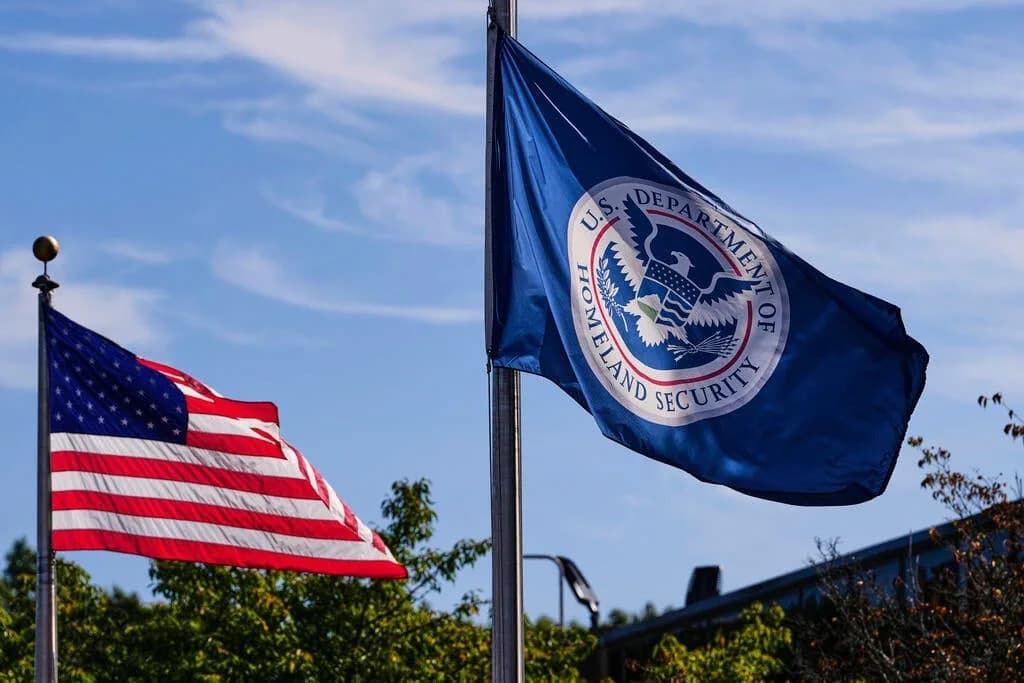
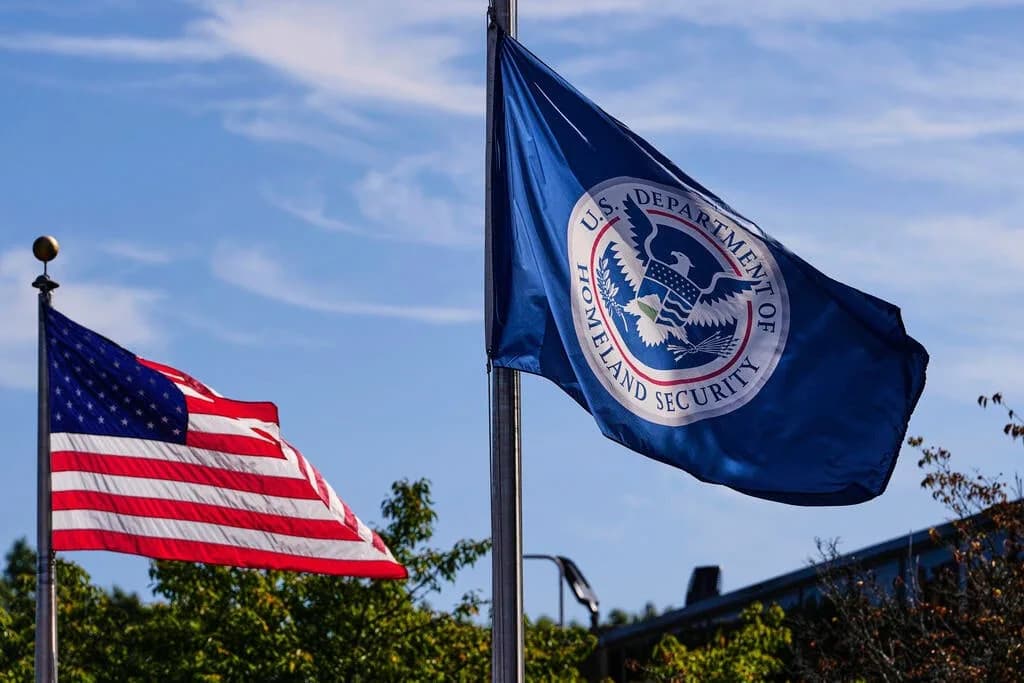
TPS is a temporary humanitarian designation that allows people from countries experiencing conflict or disaster to live and work in the United States without fear of removal. The Department of Homeland Security (DHS) can designate or withdraw TPS for a country; in recent years, administrations have both expanded and ended TPS for various countries, but DHS had not removed Somalia from the list at the time of the president’s post.
Legal experts note that TPS is typically designated or ended at the national level, not for a single state, which raises immediate legal and practical questions about the president's pledge to revoke the status only for Minnesota residents. "Fraud investigations in the United States do not have anything to do with whether conditions in Somalia have stabilized or not," said Julia Decker, policy director at the Immigrant Law Center of Minnesota.
Minnesota is home to the largest Somali population in the U.S., and most Somali residents in the state are U.S. citizens. Representative Ilhan Omar — frequently targeted by the president — responded on X by reminding critics that she and many Somali Americans are citizens. "Good luck celebrating a policy change that really doesn’t have much impact on the Somalis you love to hate. We are here to stay," she wrote.
TPS currently protects roughly 700 people from Somalia across the United States — a small number relative to the tens of thousands of Somali Minnesotans. Decker emphasized that for those TPS holders, losing the designation would be devastating: they could lose the legal right to work, face detention, and potentially be deported if they do not leave the U.S.
Somalia has been covered by TPS since 1991 and the designation has been extended many times. DHS officials said they were reviewing whether to extend the current designation, which was scheduled to expire in March.
Minnesota Attorney General Keith Ellison said his office was "exploring all of our options" if the administration moves to end TPS. On X he called the announcement "legally problematic," adding that while a president has considerable authority over TPS designations, that authority cannot be used to discriminate against an ethnic group or to target a single state.
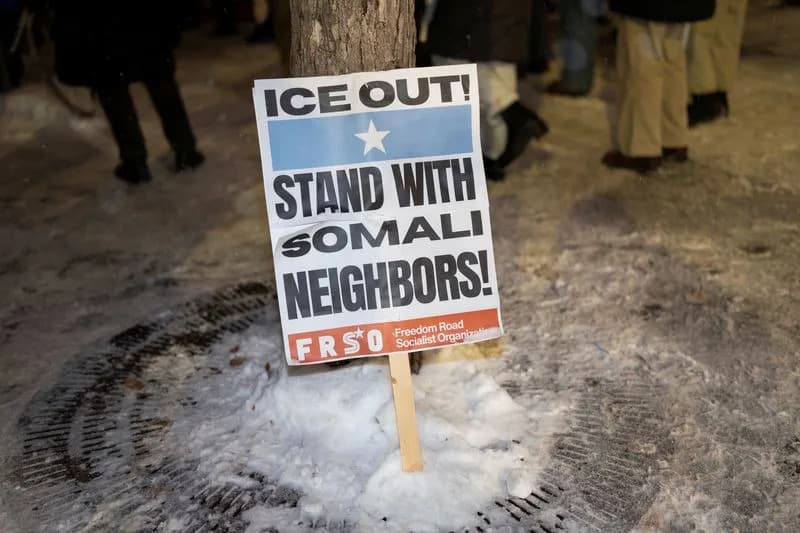
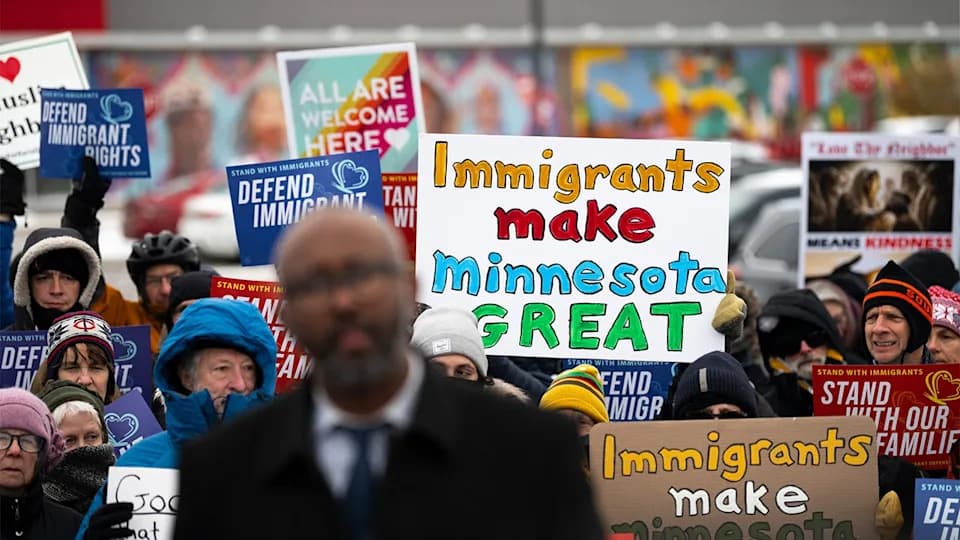
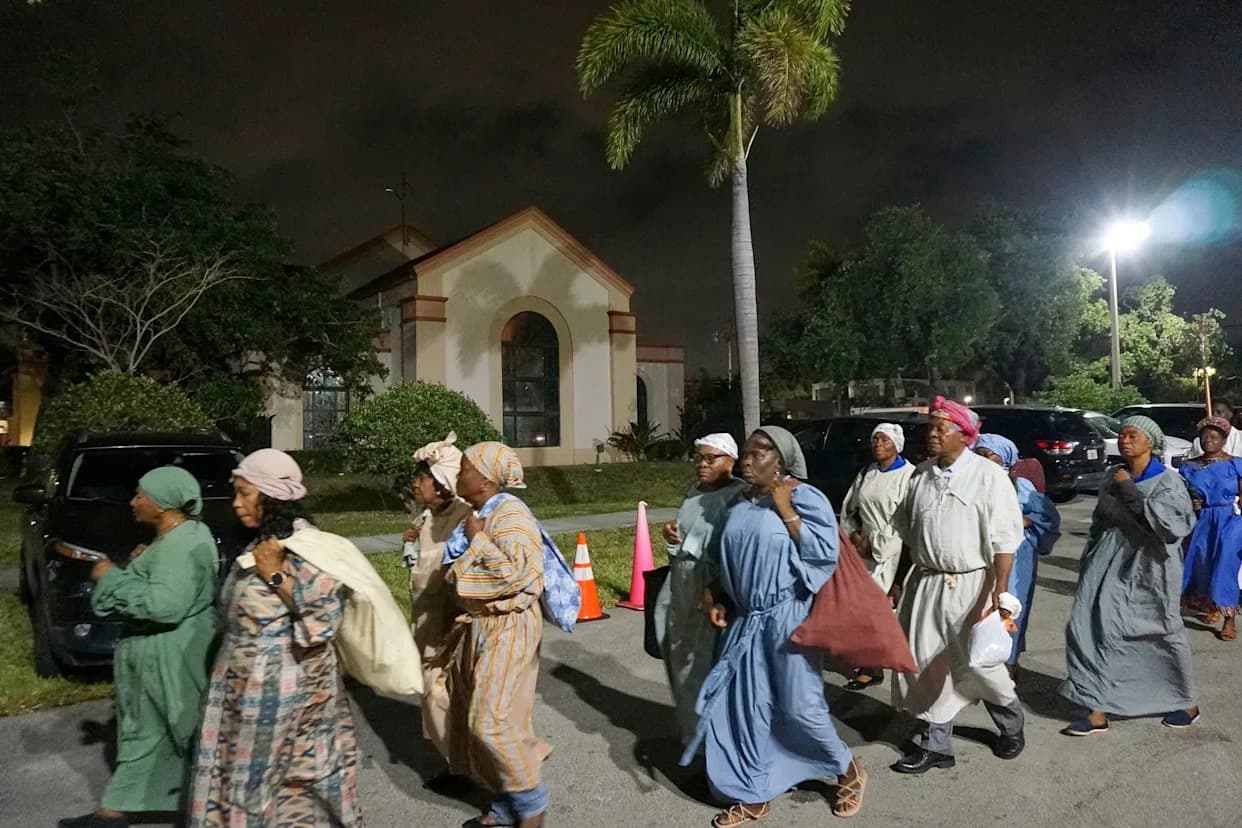
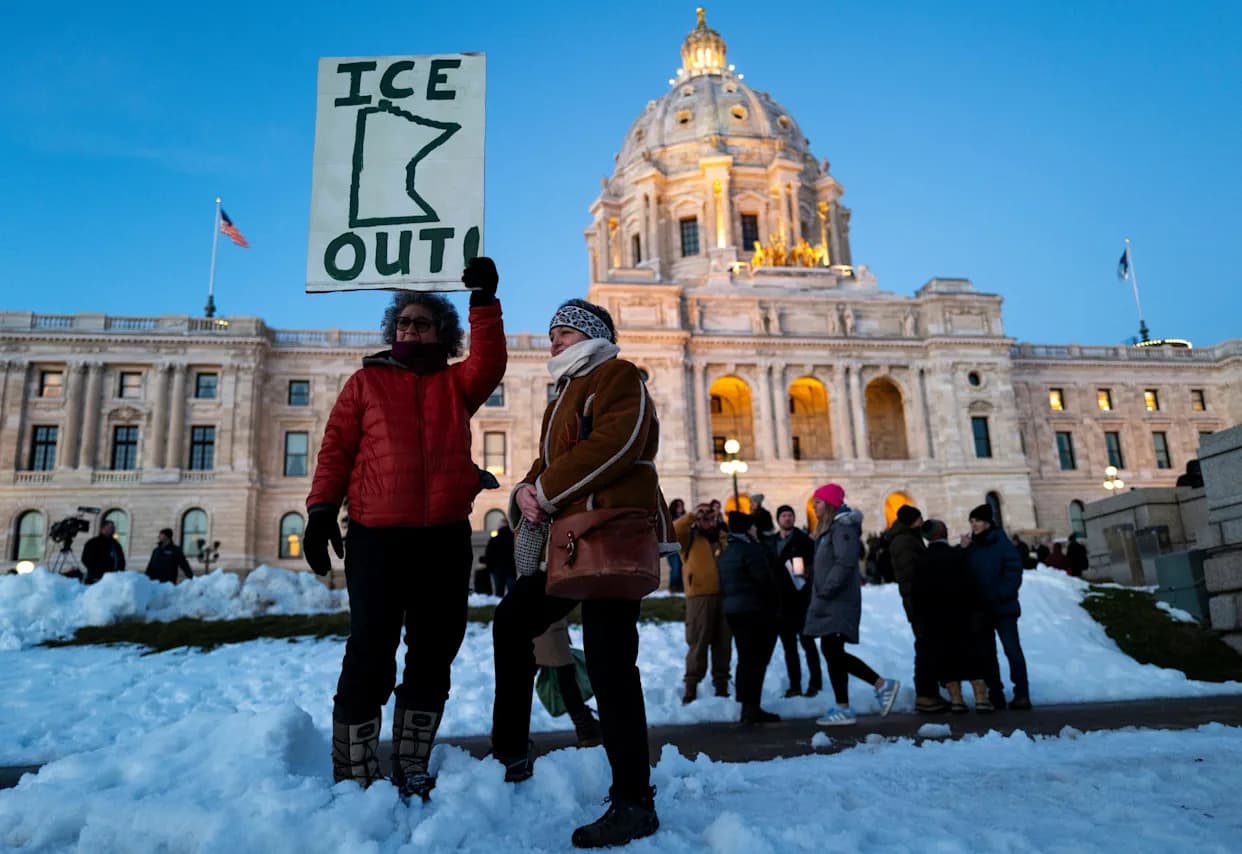
Across Minnesota, organizers and residents gathered to show solidarity: community potlucks and meetings brought together Somali families, neighbors and allies to discuss legal options and mutual support. Local leaders said the campaign against Somali residents is a distraction from pressing issues such as the affordability crisis.
"Somali Minnesotans are a backbone of our communities," said a community organizer. "They face the same daily struggles as other residents and they are not going anywhere. The best response is for everyday people to stand up and push back on this narrative."
Help us improve.