U.S. District Judge Angel Kelley issued a temporary injunction blocking the Trump administration from terminating Temporary Protected Status for South Sudanese nationals while a lawsuit proceeds. The planned termination, set for January 6, 2026, would have placed about 300 people at risk of deportation. Civil-rights groups argue the change violated procedures and was racially motivated; DHS says conditions have improved and criticized the ruling. The court said the potential harms require full judicial review.
Federal Judge Temporarily Blocks Trump Administration’s Move To End TPS For South Sudanese
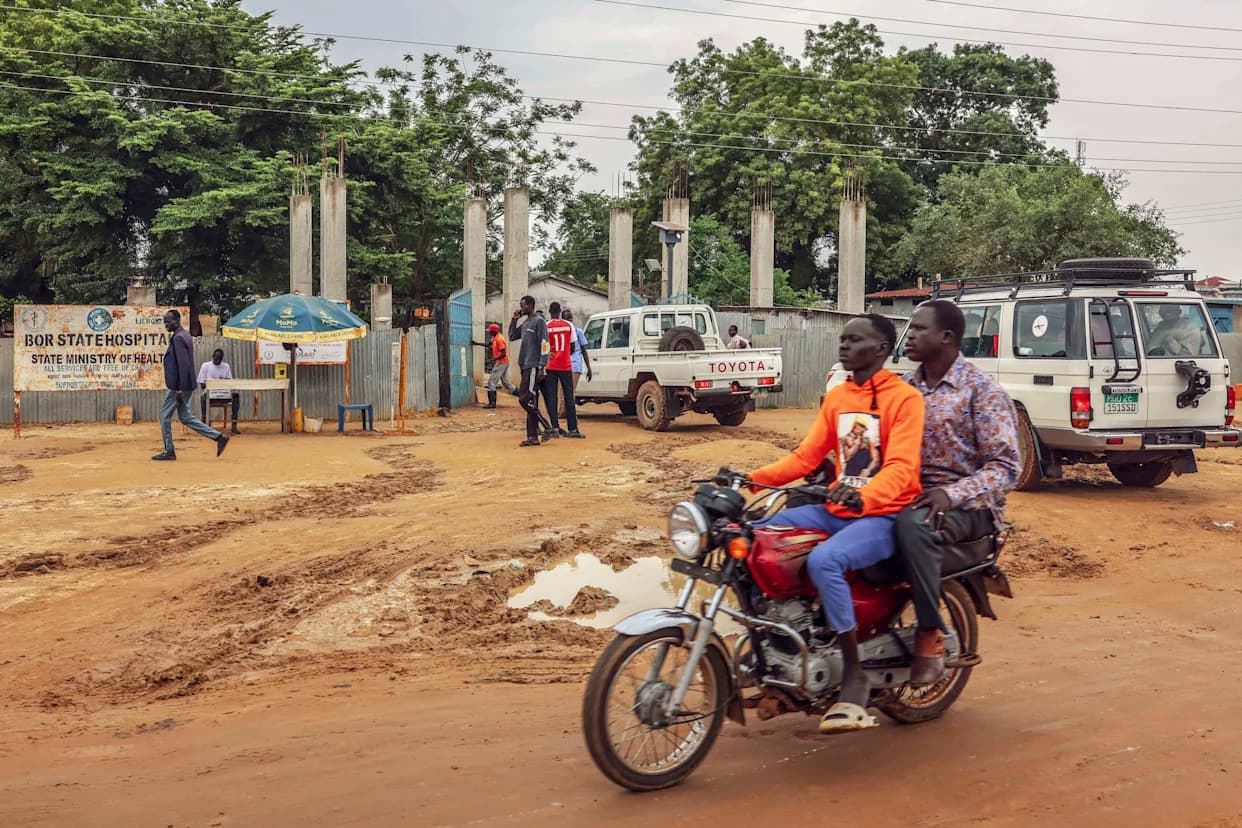
FILE - Motorists pass outside Bor State Hospital in Bor, South Sudan, Monday, Aug. 18, 2025. (AP Photo/Caitlin Kelly, File)
A federal judge on Tuesday issued a temporary injunction that could allow hundreds of South Sudanese nationals to continue living and working legally in the United States while the court reviews whether the Trump administration lawfully ended their designation under Temporary Protected Status (TPS).
Court Order And The Lawsuit
U.S. District Judge Angel Kelley, sitting in Massachusetts, issued an order that temporarily bars the Department of Homeland Security (DHS) from initiating removal proceedings against South Sudanese TPS holders while litigation proceeds. The administration had announced TPS for South Sudan would terminate on January 6, 2026, potentially putting roughly 300 beneficiaries and applicants at risk of deportation.
“These significant and far-reaching consequences not only deserve, but require, a full and careful consideration of the merits by the Court,” Judge Kelley wrote, warning the termination could cause irreversible harm to migrants.
DHS Response
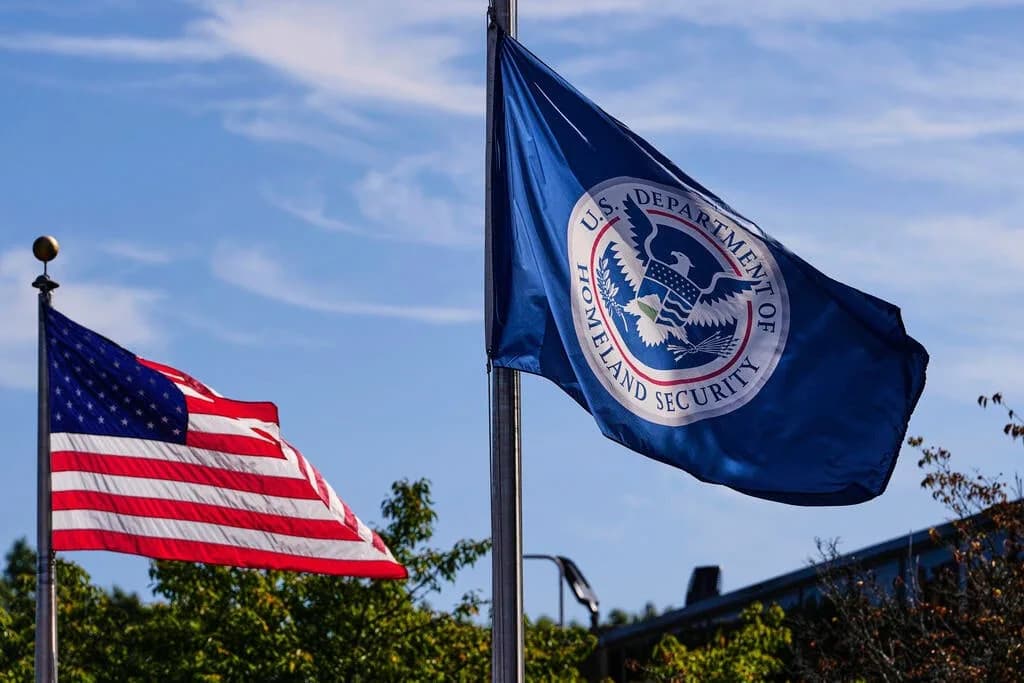
The Department of Homeland Security condemned the ruling. In a statement, DHS Assistant Secretary Tricia McLaughlin called the order “lawless and activist,” accusing the judiciary of usurping executive authority. McLaughlin asserted that conditions in South Sudan have improved and argued the TPS designation had been intended as temporary, but her statement did not cite independent evidence to support those claims.
Background: TPS And Conditions In South Sudan
Temporary Protected Status is a humanitarian program that grants temporary legal status to foreign nationals already residing in the U.S. when their home countries are devastated by war, environmental disaster, or other extraordinary conditions. Applicants approved for TPS must be present in the United States and pass extensive background checks and vetting conducted by DHS.
South Sudanans were first made eligible for TPS in 2011. United Nations experts have described the country as deeply fractured: “Years of neglect have fragmented government and opposition forces alike,” producing a patchwork of armed groups and undermining state capacity. Years of conflict have left South Sudan heavily dependent on aid, with parts of the country facing acute hunger or approaching famine conditions according to international monitors.
Voices From Advocates And Observers
Dorian Spence, litigation coordinator for Communities United for Status and Protection — one of the civil-rights groups that filed the December lawsuit — questioned DHS’s conclusion that it is safe for TPS recipients to return. “I don’t know how DHS can say with a straight face that it’s safe for South Sudanese TPS holders to return…when their own State Department says it is not safe to travel there,” Spence said.
Some observers suggested the move was politically motivated and retaliatory amid tensions between the U.S. and Juba: earlier this year at least eight men were deported from the United States to South Sudan as part of broader immigration enforcement actions.
Broader Context
The Trump administration has sought to rescind or reconsider several immigration protections that allowed recipients to live and work in the U.S., including efforts affecting hundreds of thousands of Venezuelans and Haitians who received protections under the Biden administration. TPS designations for nationals of other countries — including Ethiopia, Cameroon, Afghanistan, Nepal, Burma, Syria, Nicaragua and Honduras — have also been described as at risk.
The court’s temporary injunction preserves the status quo while the legal challenge proceeds, leaving the fate of roughly 300 South Sudanese TPS beneficiaries pending a full judicial determination.
Help us improve.