France is hosting Iran's deputy foreign minister Abbas Araghchi in Paris to press Tehran to resume cooperation with the IAEA and to seek resolution of two French nationals confined to the embassy in Tehran. Iran says it is "not in a hurry" to restart indirect talks with the United States and insists it will negotiate only from an "equal position." The meeting follows a collapse of earlier talks after attacks on nuclear sites and a 12-day conflict; UN sanctions were later reimposed via the JCPOA "snapback."
France Presses Iran to Restore IAEA Cooperation as Deputy Foreign Minister Visits Paris

France will host Iran's deputy foreign minister, Abbas Araghchi, in Paris this week for talks Paris hopes will nudge Tehran back toward full cooperation with the International Atomic Energy Agency (IAEA) and address bilateral concerns.
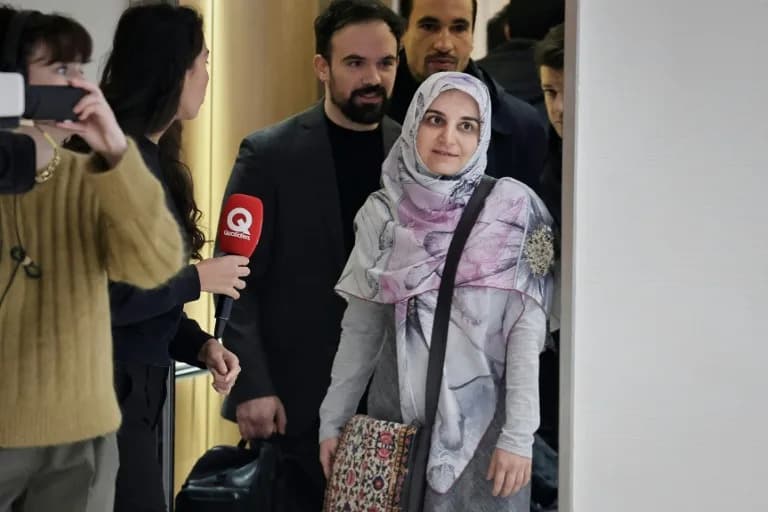
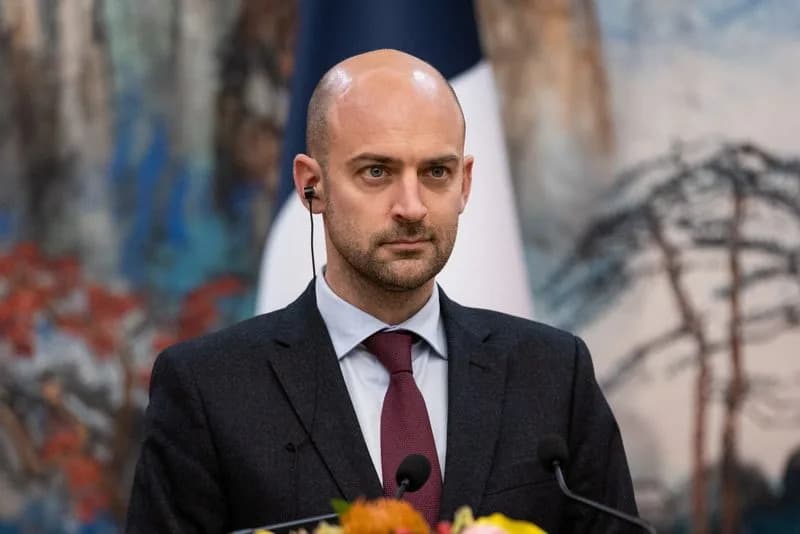
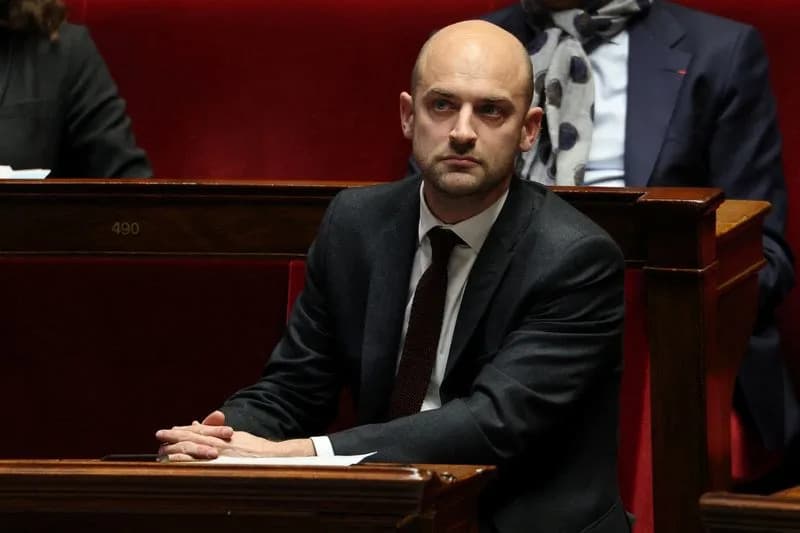
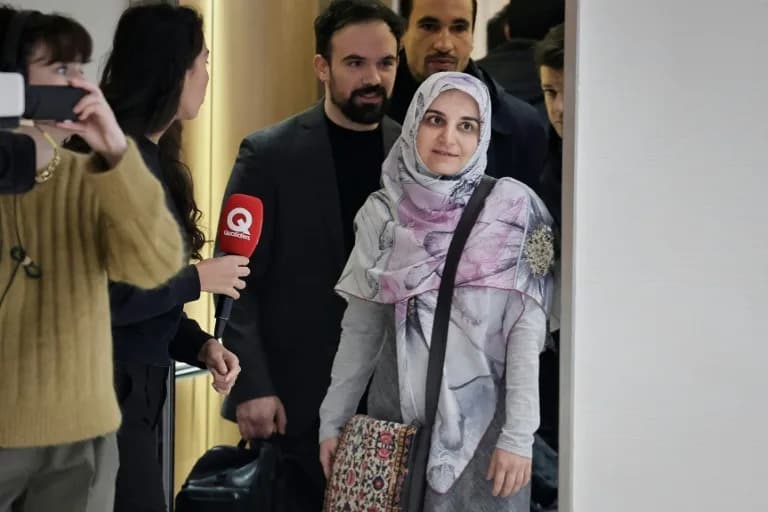
French Foreign Minister Jean-Noël Barrot said the visit, scheduled for Wednesday, is an opportunity to urge Iran to fulfil its obligations to the IAEA and to rapidly resume cooperation with the agency. French officials also plan to press Iran over two French nationals who, though released from detention, remain inside the French embassy in Tehran and have been unable to leave the country.
Tehran has signalled little urgency about restarting indirect negotiations with the United States over its nuclear programme. Earlier this month, Iranian officials said they were "not in a hurry" to resume talks, despite renewed international pressure after UN sanctions were reimposed and mounting economic strain.
"We would engage in dialogue if Washington comes from an equal position based on mutual interest," Araghchi told broadcasters, rejecting reported U.S. preconditions — including demands for direct talks, a return to zero enrichment, restrictions on missile capabilities and limits on support for regional allies — as "illogical and unfair."
Araghchi also suggested that regional dynamics are shifting in Tehran's favour, and made a pointed remark about Israeli leadership that underlined the fraught geopolitical context surrounding the negotiations.
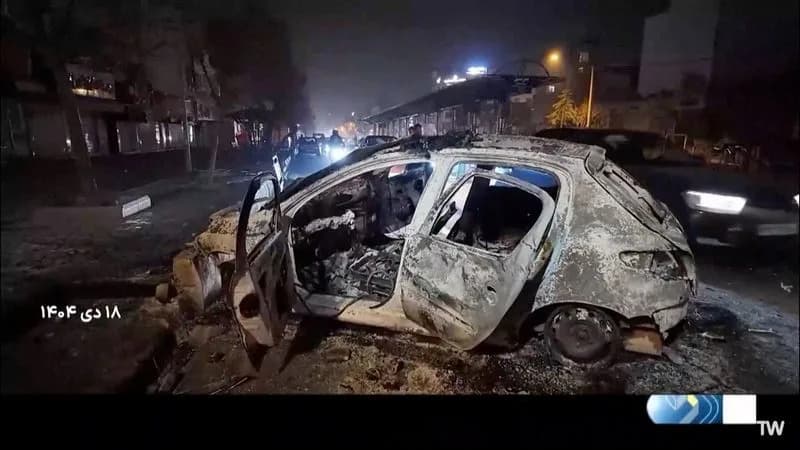
A previously planned sixth round of indirect US–Iran talks collapsed in June after attacks on Iranian nuclear sites sparked a 12-day conflict that killed more than 1,000 people in Iran and inflicted widespread damage. Several nuclear facilities, including Fordo, Natanz and Isfahan, were struck during the hostilities; a ceasefire eventually halted the fighting.
For wider context: U.S. President Donald Trump withdrew the United States from the 2015 Joint Comprehensive Plan of Action (JCPOA) in 2018. That agreement — reached between Iran and a group including the U.S., France, Germany, Russia, the U.K., China and the EU — had limited Iran's nuclear activities in exchange for sanctions relief. Iran subsequently breached parts of the deal, saying the U.S. exit had undermined the agreement's viability. In September, UN sanctions were reimposed through the JCPOA's "snapback" mechanism.
The Paris visit will be watched closely for any signs of compromise: diplomats will seek renewed IAEA access, clarity on Tehran's negotiating posture, and a path toward resolving outstanding bilateral issues, including the two French nationals still in the embassy.
Help us improve.