Mahdieh Esfandiari, 39, is standing trial in France on charges of promoting and inciting "terrorism" via social media, in a case linked to a potential prisoner swap with Iran. The hearing — set long before recent nationwide protests in Iran — coincides with ongoing uncertainty over two French citizens detained in Tehran since May 2022 who were moved to France's diplomatic mission in November but remain unable to leave. Tehran has suggested an exchange; France has not confirmed any deal. The trial unfolds against a backdrop of a harsh crackdown on protests that activists say has left hundreds dead amid an internet blackout.
Iranian Woman Goes On Trial In France As Possible Prisoner Swap With Tehran Looms
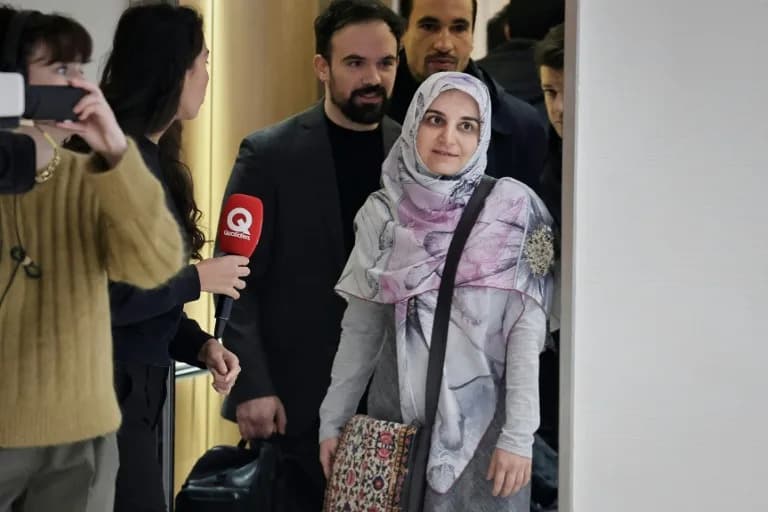
Mahdieh Esfandiari, who is Iranian, was arrested in France in February (STEPHANE DE SAKUTIN)(STEPHANE DE SAKUTIN/AFP/AFP)
An Iranian woman, Mahdieh Esfandiari, went on trial in France on Tuesday accused of promoting and inciting "terrorism" on social media in a case that has been linked to a potential prisoner swap with Iran.
Esfandiari, 39, was arrested in France in February on allegations concerning online comments attributed to her, including remarks about the October 7, 2023 attack by Palestinian militant group Hamas on Israel, according to French authorities. She was released in October while awaiting trial. The hearing is scheduled to last four days and names several groups that combat antisemitism as plaintiffs.
"I'm here today to finally speak about the facts, as there have been a lot of wrong stories about me in the media, and a lot of lies," Esfandiari said as she arrived at the courtroom.
French nationals Cecile Kohler and Jacques Paris were detained in Iran in May 2022. Iranian authorities said the pair were convicted on espionage charges, convictions their families have strongly denied. In November they were moved to France's diplomatic mission in Tehran after being freed by Iranian authorities, but both remain in Iran and have not yet been able to leave the country.
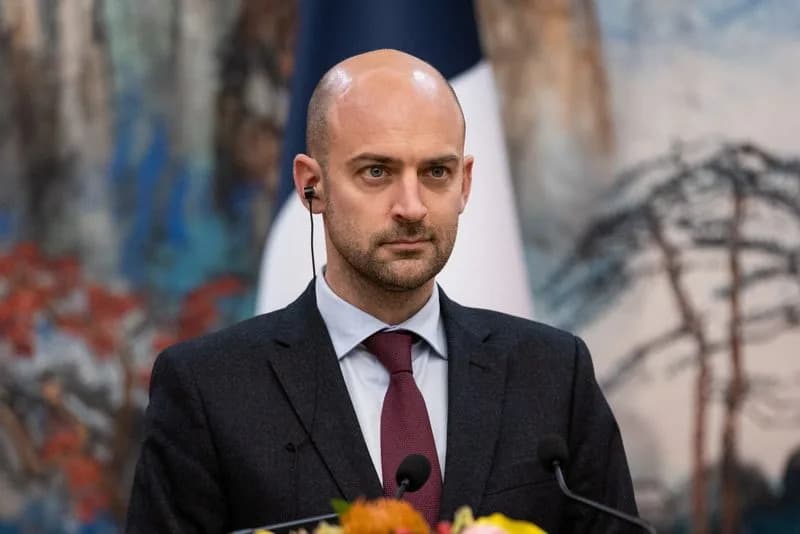
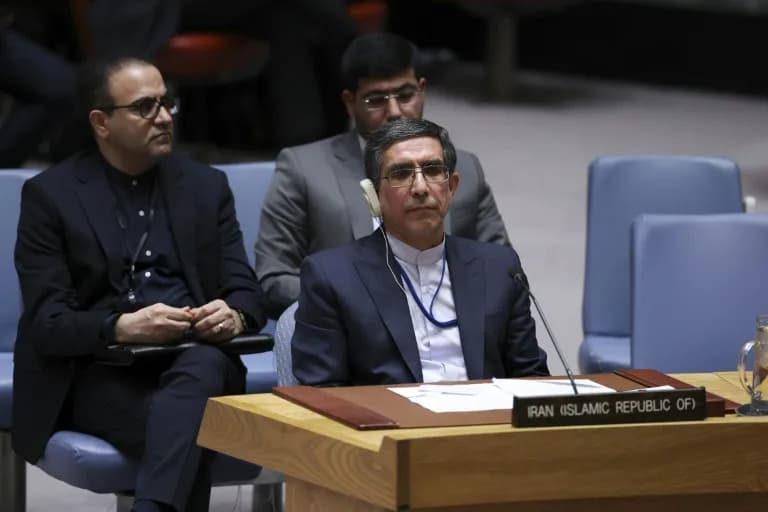
In November, Iran's Foreign Minister Abbas Araghchi said Tehran would allow Kohler and Paris to return home "in exchange" for France releasing Esfandiari. France has neither confirmed nor denied the existence of such a swap, while diplomats say consular efforts continue.
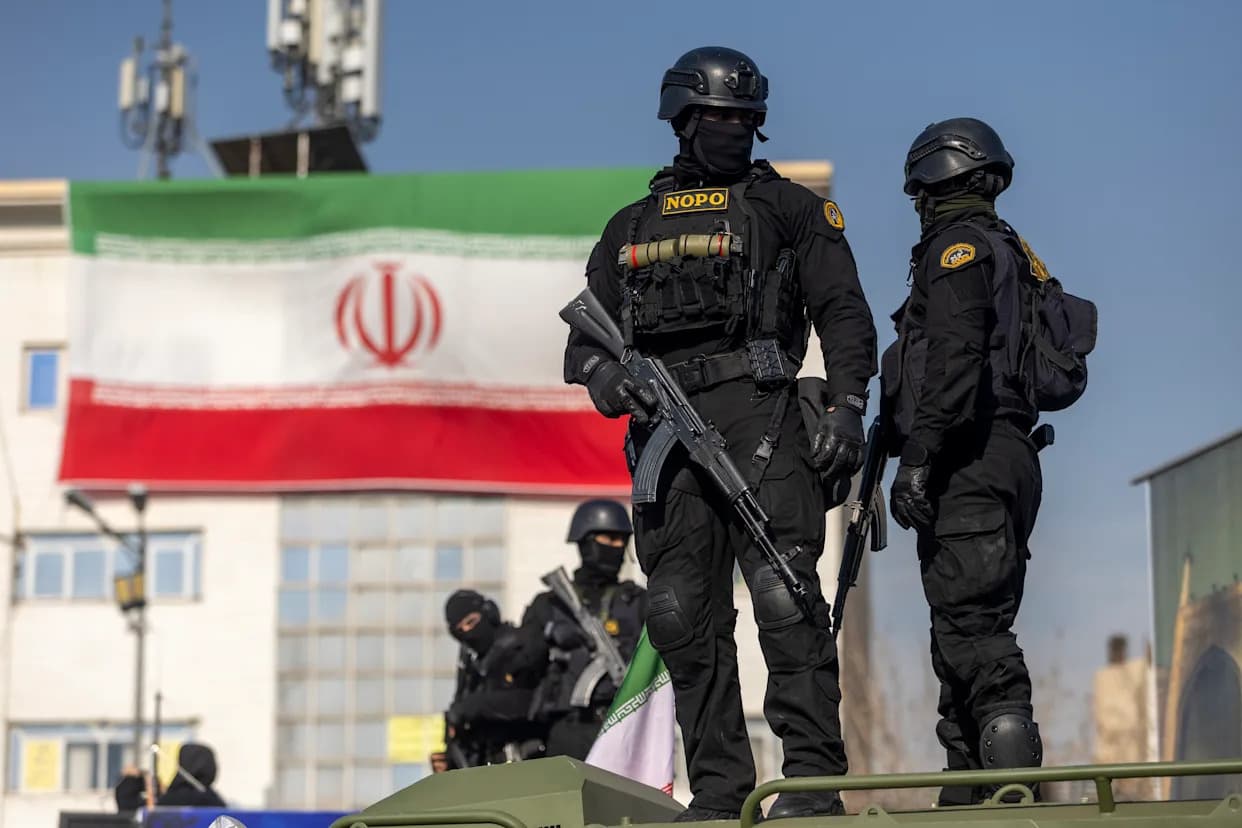
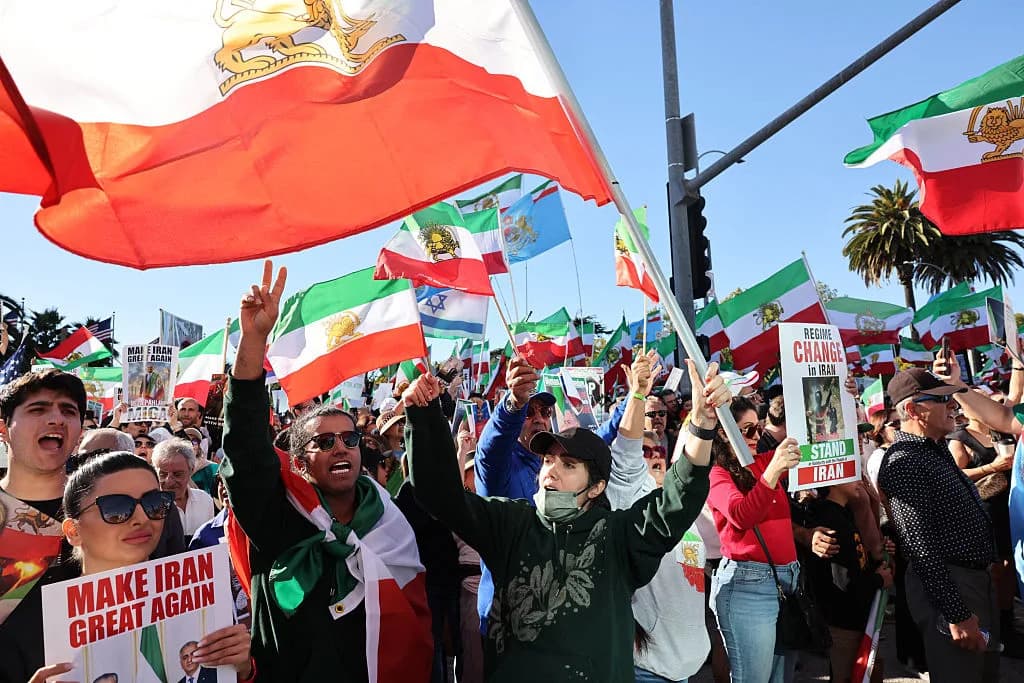
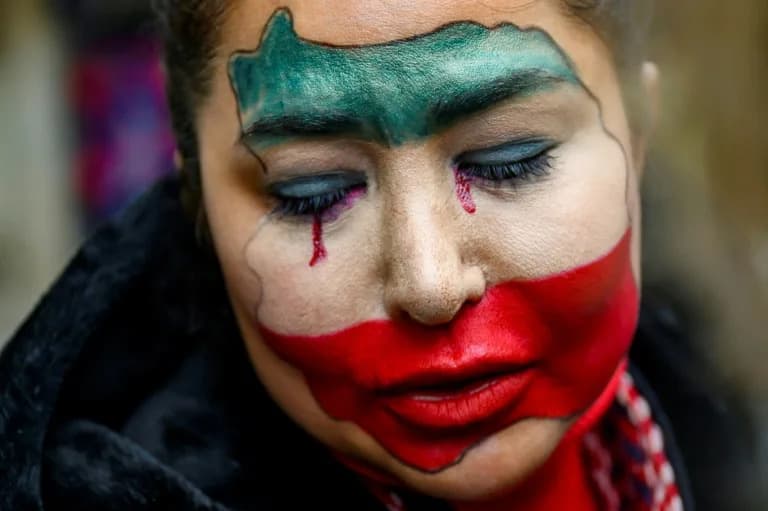
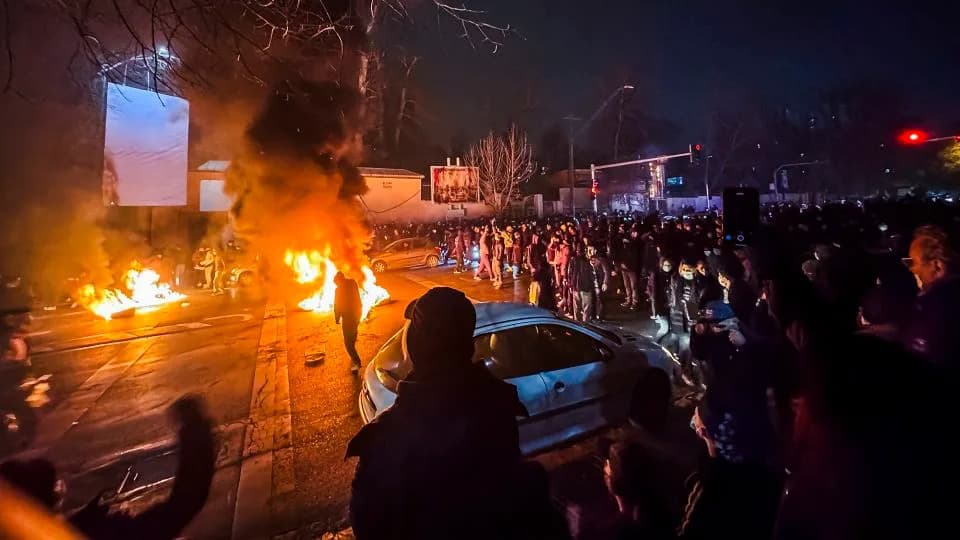
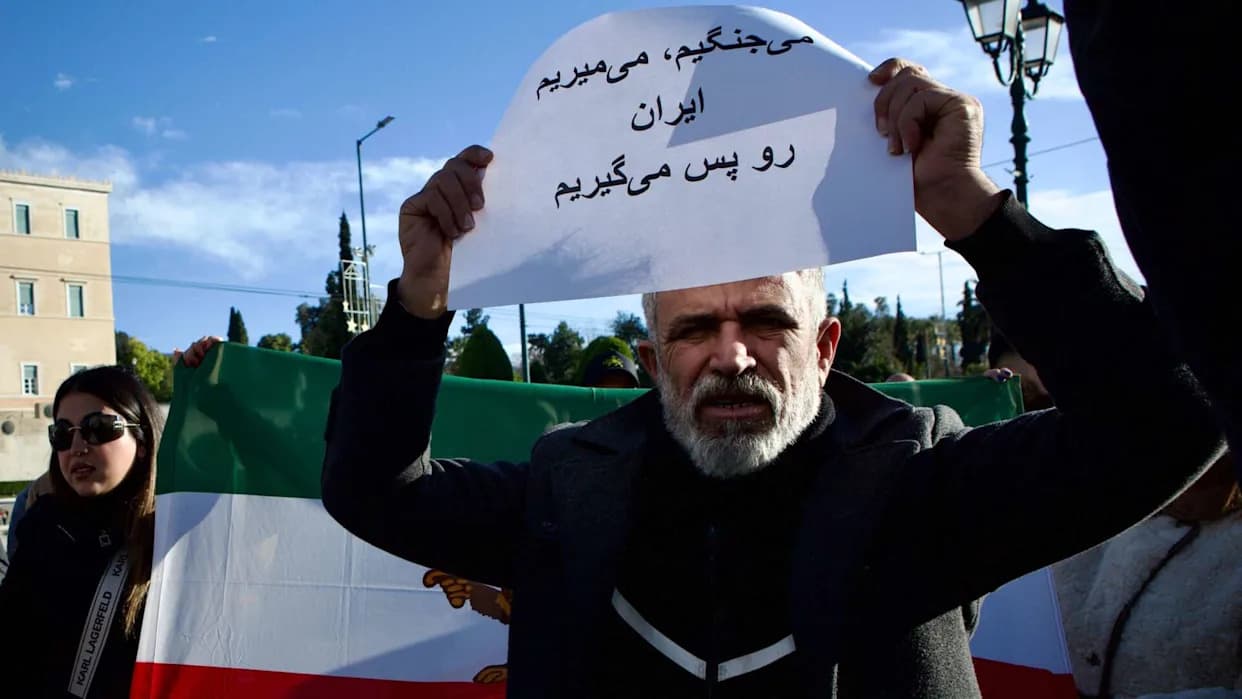
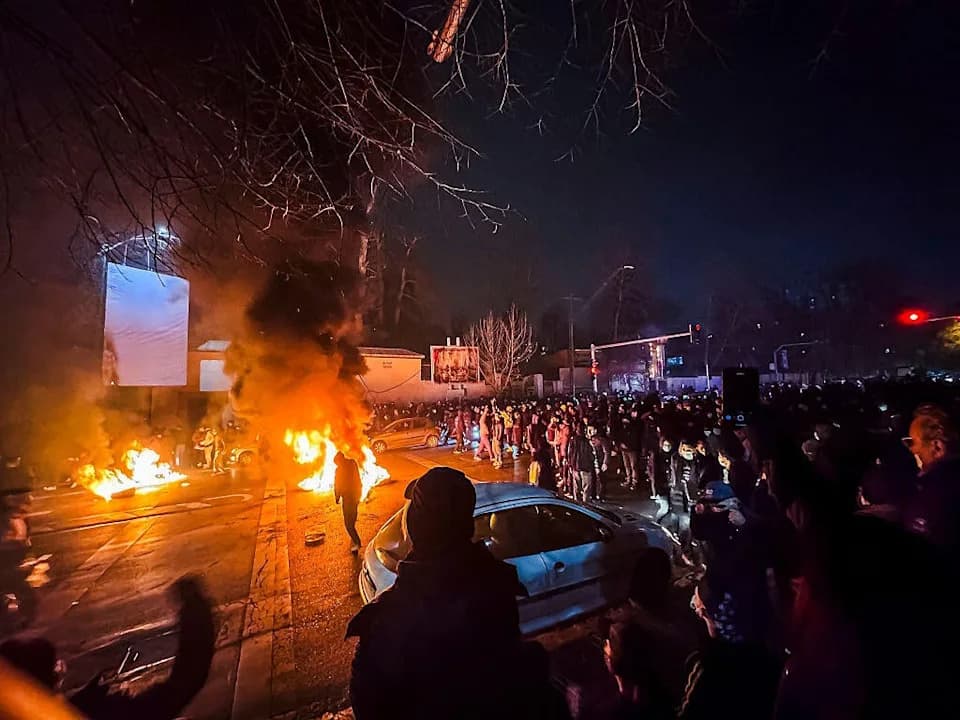
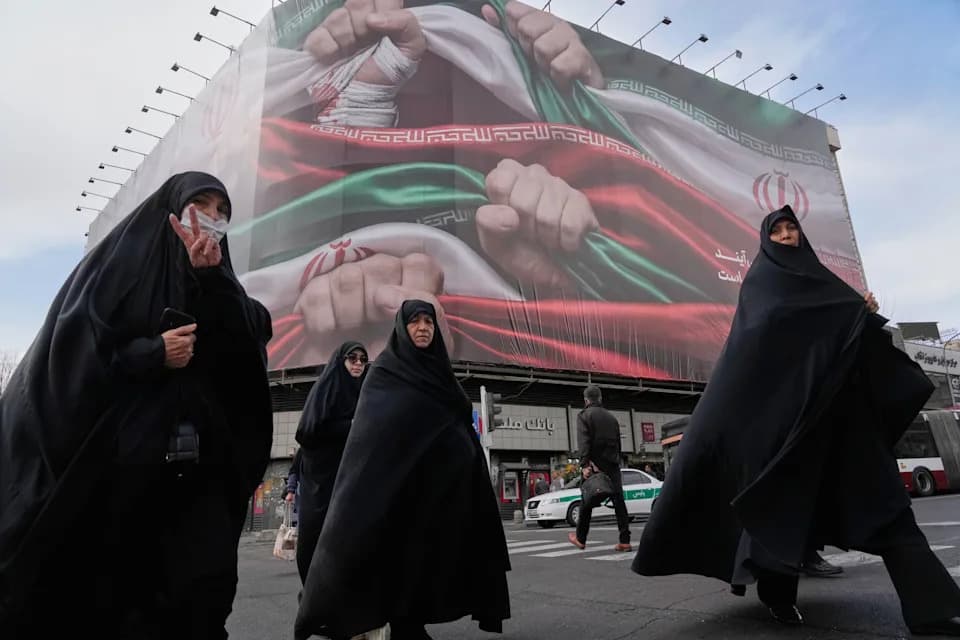
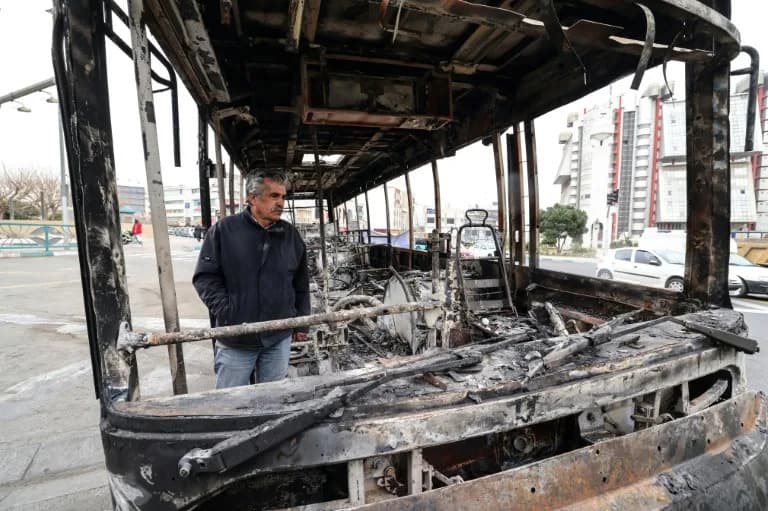
The trial comes amid nationwide protests in Iran that have posed one of the most serious challenges to the clerical leadership since the 1979 Islamic Revolution. Authorities imposed an internet blackout as they moved to suppress demonstrations; activists say the crackdown has left at least 648 people dead. Tehran says it enforces its laws and has previously carried out detainee exchanges with Western countries.
Dozens of Western citizens — Europeans, North Americans and others — have been detained in Iran in recent years under similar circumstances, prompting repeated diplomatic disputes. Relatives of Kohler and Paris told AFP that both were in good health and being looked after by remaining embassy staff in Tehran.
Why This Case Matters
The trial highlights tensions between free-speech and national security concerns in Europe while underscoring how high-profile legal cases can become entangled with international diplomacy and hostage-swap allegations.
Help us improve.