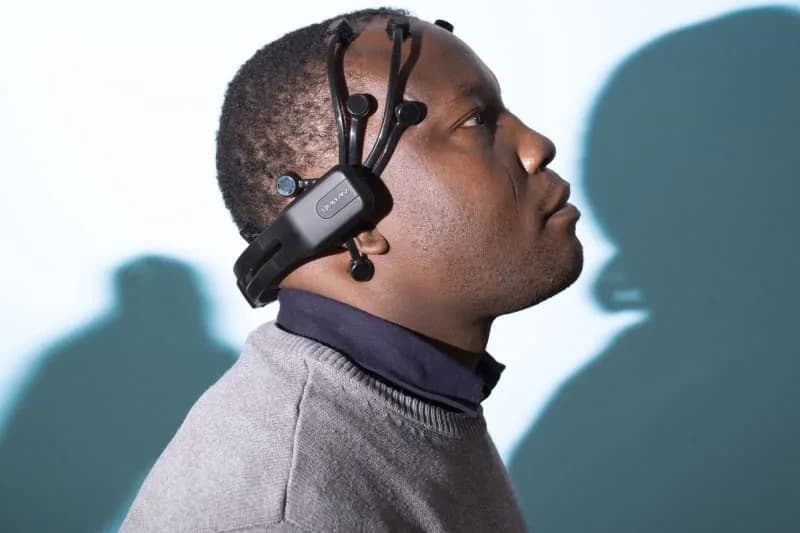
Michael Crowley and Malcolm Dando warn that advances in neuroscience could be misused to create ‘brain weapons’ that alter consciousness, perception or behaviour. They trace historical research into CNS-acting chemicals and cite the 2002 Moscow hostage incident as an example of catastrophic consequences. The authors call for updated international rules and a multi-layered Holistic Arms Control approach — including ethics training and stronger oversight — and will raise these concerns at an upcoming CSP meeting in The Hague.
Wake-up Call: Medical Neuroscience Could Be Turned Into ‘Brain Weapons,’ Scientists Warn

Advances in neurological medicine promise better treatments for brain disorders — but UK researchers warn the same science could be repurposed to create weapons that alter consciousness, perception or behaviour.
In the new book Preventing Weaponization of CNS-acting Chemicals: A Holistic Arms Control Analysis, Michael Crowley and Malcolm Dando of Bradford University outline how discoveries intended to help patients might be diverted to manipulate minds. They say growing knowledge of the brain’s circuitry and increasingly precise tools to affect the central nervous system (CNS) make this a realistic risk.
Historically, governments explored CNS-acting chemicals in the mid-20th century with the aim of incapacitating opponents. One well-known compound is BZ (quinuclidinyl benzilate), developed for its delirium-inducing effects; while reports suggest it underwent testing, there is no confirmed battlefield deployment. A more recent, tragic example occurred during a 2002 hostage crisis in Moscow, when fentanyl derivatives were used to subdue attackers; although most hostages were freed, around 120 people died and others suffered long-term harm.
Today’s neuroscientists are rapidly mapping the brain’s so-called survival circuits — neural pathways that govern fear, sleep, aggression and decision-making. Understanding these pathways is crucial for treating disorders, but it also raises the prospect of creating targeted neurochemical tools capable of sedating, confusing or coercing people with greater precision.
Regulatory gaps and growing risks
Crowley and Dando argue that current international instruments, including the Chemical Weapons Convention, contain regulatory gaps that could be exploited. In particular, exceptions or ambiguous definitions that permit certain chemical uses for law enforcement or overlook emerging science may leave room for misuse.
"There are dangerous regulatory gaps within and between these treaties," Crowley warns. "Unless they are closed, we fear certain states may be emboldened to exploit them in dedicated CNS and broader incapacitating agent weapons programmes."
A Holistic Arms Control response
To reduce the threat, the authors propose a Holistic Arms Control strategy combining multiple governance layers: international humanitarian and human rights law, UN drug conventions, medical ethics, and scientific professional codes. Their recommendations include updating treaty definitions to reflect modern neuroscience, integrating ethics training into science education, and encouraging active oversight by scientists and civil society.
Crowley and Dando plan to present these concerns at a forthcoming meeting of the Conference of the States Parties (CSP) in The Hague, urging immediate action to safeguard scientific integrity and protect individuals from misuse of neuroscience.
"We must act now to protect the integrity of science and the sanctity of the human mind," the authors conclude.
Help us improve.