Tehran and several Iranian cities are facing severe smog after power plants began burning mazut, a high‑sulphur petroleum residue, to cope with natural gas shortages. The air quality index exceeded 200, driven by dangerous PM2.5 levels linked to tens of thousands of deaths over the past year. Officials say mazut use prevents blackouts but authorities report the practice carries significant health and economic costs estimated at $17.2bn for the year to March. Meanwhile, northern wildfires threatened ancient Hyrcanian forests but were reported largely contained.
Tehran Choked by Smog as Authorities Burn High‑Sulphur Fuel to Avert Blackouts

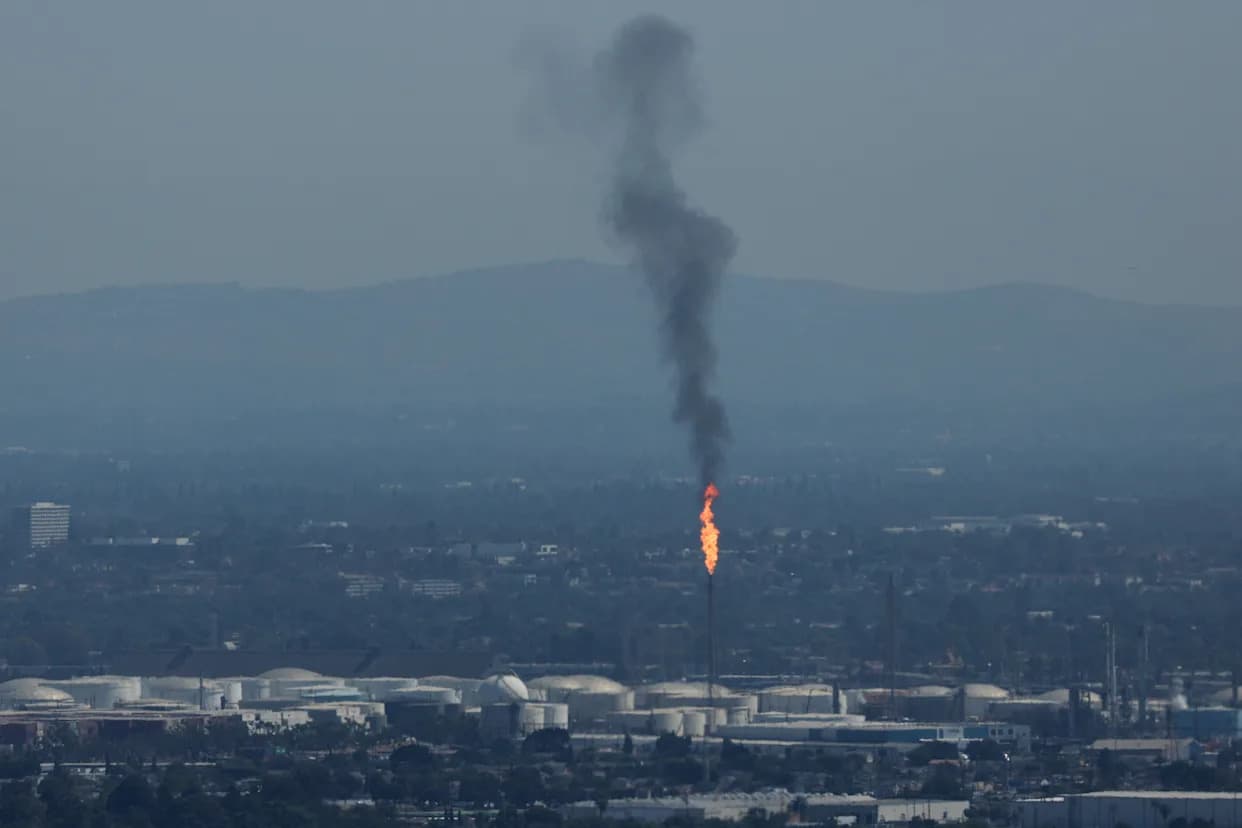
Tehran and many other Iranian cities are shrouded in thick smog after authorities resorted to burning mazut — a heavy, high‑sulphur petroleum residue — to power electricity plants amid persistent gas shortages and infrastructure strain.
Operators at 14 power stations have long used mazut when natural gas supplies are insufficient. Observers say the seasonal switch to heavy fuel reflects chronic mismanagement and ageing infrastructure, even though Iran holds some of the world’s largest proven gas and oil reserves.
Air quality and health impacts
Dense smog blanketed Tehran on Monday despite light traffic during a religious holiday. Video filmed from Tochal mountain, nearly 4,000 metres above the city, showed Tehran obscured beneath layers of pollution.
The air quality index topped 200 early Monday, placing conditions in the "very unhealthy" category, driven by elevated concentrations of PM2.5 fine particles. Exposure to PM2.5 is linked to respiratory illness, worsening cardiovascular disease and impaired lung function, with the greatest risk for children, older adults and people with underlying conditions.
Meteorology and contributing factors
Weather forecasts predict little wind or rain this week to disperse pollutants. Temperature inversions—where warmer air aloft traps polluted air near the surface—are expected to prolong hazardous conditions, which are exacerbated by high‑emission vehicles and motorcycles.
Government response and fuel use
To avoid crippling blackouts, the government led by President Masoud Pezeshkian has continued allowing plants to burn mazut, a practice used by previous administrations. Official reports indicate that by mid‑November power plants were burning around 21 million litres (about 5.55 million gallons) of mazut daily.
Energy officials have said heavy fuel will be used as a last resort when winter gas shortages make it necessary, while offering limited public comment on the health consequences of continued mazut use.
Human and economic toll
Health authorities reported that exposure to PM2.5 particles was linked to 58,975 deaths in the 12 months ending in March — roughly 161 fatalities per day — attributed to heart disease, lung cancer, chronic obstructive pulmonary disease, strokes and lower respiratory infections. The government has estimated the annual economic cost of air pollution at about $17.2 billion, accounting for healthcare costs, premature deaths, lost productivity, school closures and business interruptions.
Wildfires and environmental risks
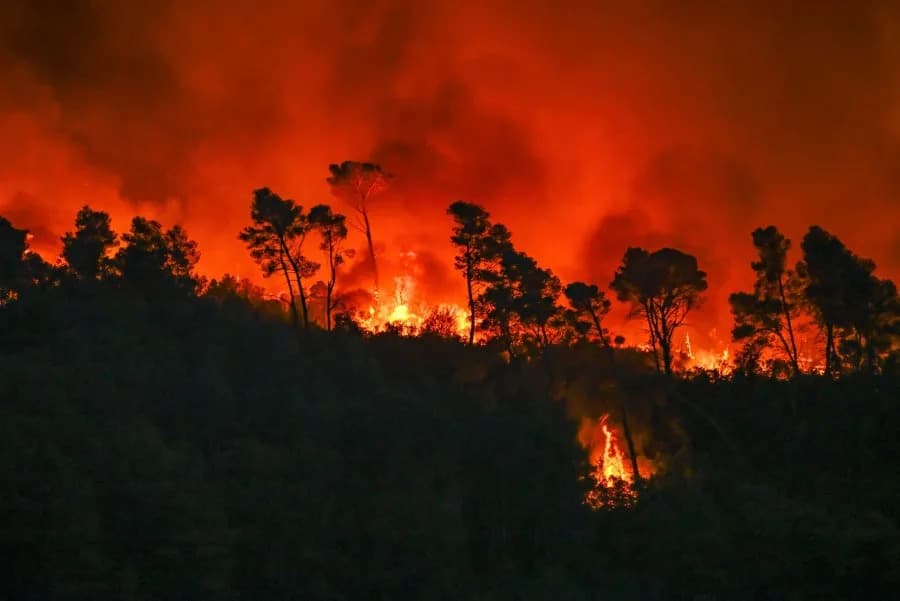
At the same time, wildfires burned across roughly 8 hectares (about 20 acres) of forest and mountainous land in northern provinces, threatening the Hyrcanian forests, a UNESCO‑listed and ancient temperate woodland. Authorities reported that those blazes had been largely brought under control as of Monday.
With adverse weather conditions likely to persist and heavy fuel use continuing through winter, experts warn that air quality problems could remain severe unless alternative fuel supplies, emissions controls and longer‑term infrastructure repairs are implemented.
Help us improve.