The EU and Mercosur are set to sign a long-delayed free-trade agreement on Dec. 20 in Foz do Iguaçu, Brazil, announced by President Lula. The deal — negotiated for roughly 26 years — would phase out or cut about 90% of tariffs and cover more than 720 million people with a combined GDP near $22 trillion. It still requires ratification, and some EU countries seek stronger environmental and agricultural protections; an added sustainability instrument ties commitments to the Paris Agreement. Supporters say the pact will boost agribusiness, industrial exports, services and investment for both blocs.
EU and Mercosur Set to Sign Long-Delayed Free-Trade Deal on Dec. 20

Brazilian President Luiz Inácio Lula da Silva announced at the G20 summit in South Africa that leaders of the European Union and Mercosur plan to sign a long-awaited free-trade agreement on Dec. 20 during a leaders' summit in Foz do Iguaçu, Paraná, Brazil.
The EU and the South American trading bloc — composed of Argentina, Brazil, Paraguay and Uruguay — concluded negotiations on the pact last December, roughly 26 years after talks began. The agreement is designed to phase out or reduce about 90% of tariffs and other longstanding trade barriers between the two blocs.
Lula said the pact would cover more than 720 million people and a combined gross domestic product of about $22 trillion, calling it “the largest trade agreement in the world.” He added that once leaders sign the text, participating governments will begin an intensive phase to turn the agreement into concrete measures and regulatory changes.
While signing is a major political milestone, the deal still requires ratification. In the EU it has been formally transmitted to the European Parliament and to member states for approval; the Parliament must adopt it by a simple majority (50% plus one). Some member states, including France, Ireland and Austria, have pressed for stronger environmental guarantees and protections for their agricultural sectors, and they could press for additional assurances during ratification.
Concerns about Amazon deforestation and widespread fires during the previous Brazilian administration stalled progress in 2019. Negotiators since have agreed an additional sustainability instrument that links commitments to the Paris Agreement and establishes mechanisms for environmental monitoring and enforcement.
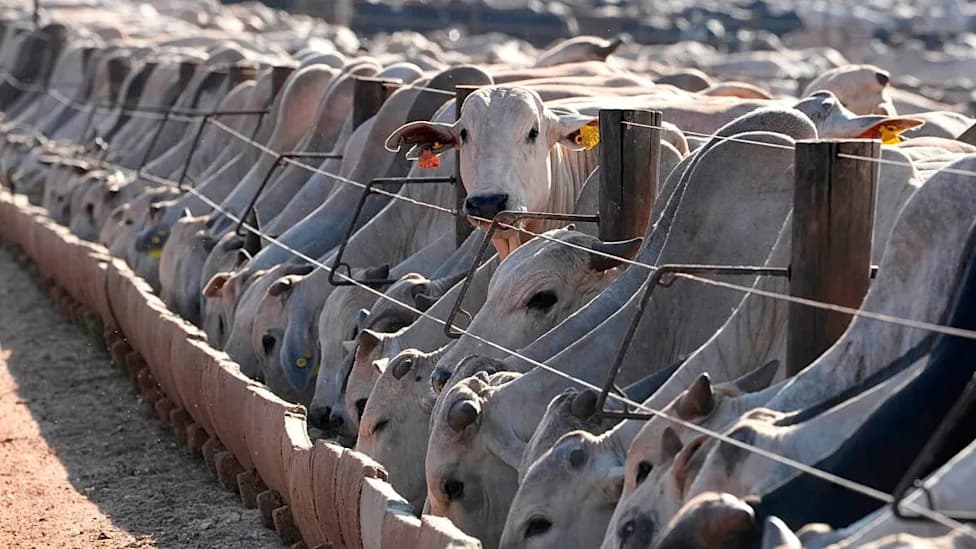
The pact is expected to boost trade in vehicles, machinery, pharmaceuticals and agricultural products — notably beef — and to expand investment, services and public-procurement access for both sides. Trade tensions with other partners in recent years have increased the urgency for both blocs to diversify markets and finalize the long-pursued deal.
What happens next?
After the planned Dec. 20 signing, national and EU-level ratification processes will begin. The timeline for parliamentary approvals and any domestic legal steps varies by country, so full implementation will likely take months or years and could include additional political debate over environmental and agricultural safeguards.
Help us improve.