The European Union and Mercosur have finalised a trade pact after around 25 years of talks, strengthening ties between Europe and South America. Analysts say the deal reflects a regional pivot toward Europe and China as countries seek more stable trade partners amid U.S. pressure. Some experts argue that Trump's aggressive tactics may have inadvertently accelerated the agreement, while Mercosur may now pursue additional deals. The EU and Mercosur planned a formal signing in Asuncion on Jan. 17.
EU-Mercosur Trade Deal Underscores Limits of Trump's Hardline Diplomacy in Latin America

Tractors line up in front of the Arc de Triomphe as French farmers protest against the government's handling of the EU-Mercosur free trade agreement and lumpy skin disease outbreak, in Paris, France, January 13, 2026. REUTERS/Benoit Tessier
A long-delayed trade agreement between the European Union and Mercosur — the South American trading bloc made up of Brazil, Argentina, Paraguay and Uruguay — was finalised after roughly 25 years of negotiation. Observers say the pact will deepen commercial ties between Europe and South America at a moment when China has already become a dominant trading partner across much of the region.
Analysts and regional officials argue the deal also highlights the limits of the Trump administration's coercive tactics in Latin America. Rather than drawing countries closer to the United States, some of those pressure campaigns appear to have encouraged governments to diversify their economic and diplomatic ties with Europe and China.
“If credit for this deal goes to anyone, it is to the international context,” said Ignacio Bartesaghi, a longtime Uruguayan foreign policy adviser. “It goes to Trump’s tariff war, the conflict in Ukraine, to what happened in Venezuela recently.”
Officials point to several forms of U.S. pressure in recent years — including threats to withhold financial aid, conditions attached to loans, and punitive tariffs — as factors that prompted Latin American governments to seek more predictable, multilateral agreements with partners outside Washington. In some cases, those measures produced short-term political influence but also helped accelerate multilateral deals that reduce reliance on single partners.
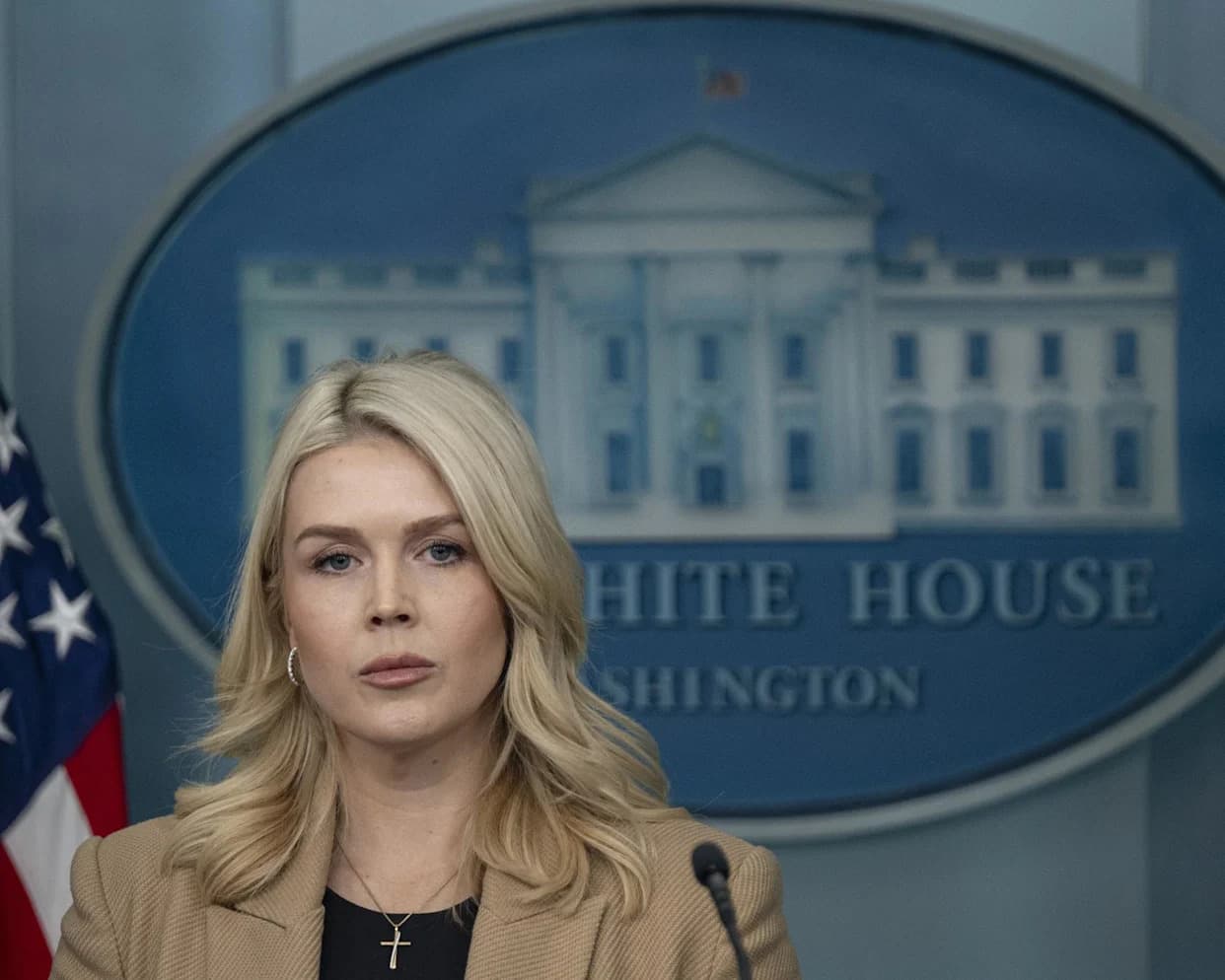
A White House spokeswoman said the administration viewed its actions as restoring U.S. influence in the hemisphere. Regional leaders and trade officials, however, framed the EU-Mercosur accord as a pragmatic effort to lock in rules for trade and investment amid a turbulent global environment.
What the Deal Means
The EU-Mercosur accord covers a wide range of trade issues and is expected to boost market access for goods and services between the two blocs. Although Venezuela remains suspended from Mercosur for failing to meet trade and democratic commitments, the agreement strengthens cooperative ties among the participating members and could prompt Mercosur to pursue additional pacts with partners such as Canada and the United Arab Emirates, according to former Brazilian trade official Welber Barral.
European Commission officials were scheduled to travel to Asuncion, Paraguay, on Jan. 17 for the formal signing, where Mercosur foreign ministers and Uruguay's president were also expected to attend.
“At a time when the U.S. is breaking from the status quo, parts of Latin America appear to be upholding it,” said Margaret Myers, director of the Asia & Latin America Program at the Inter-American Dialogue. “It’s a wake-up call for the U.S.”
Observers say the agreement is part of a broader trend: countries that have experienced trade friction with the United States under the Trump administration have increasingly sought alternative multilateral frameworks and bilateral deals to secure market access and legal certainty.
(Additional reporting by Luciana Magalhaes in Sao Paulo and Ricardo Brito in Brasilia; Editing by Christian Plumb and Diane Craft)
Help us improve.