The European Union and Mercosur are set to sign a free-trade agreement in Paraguay after more than 25 years of talks, creating one of the world’s largest trade zones covering 700 million people and about a quarter of global GDP. The pact removes tariffs on a wide range of goods — from South American agricultural exports to European cars — and includes environmental safeguards, quotas on sensitive products and roughly €52 billion in support for EU farmers. Leaders say the deal helps South American countries diversify away from U.S. and Chinese influence, but the agreement still requires European Parliament ratification and other formal approvals before taking effect.
EU and Mercosur Set To Sign Landmark Trade Pact, Creating One Of The World's Largest Free-Trade Zones
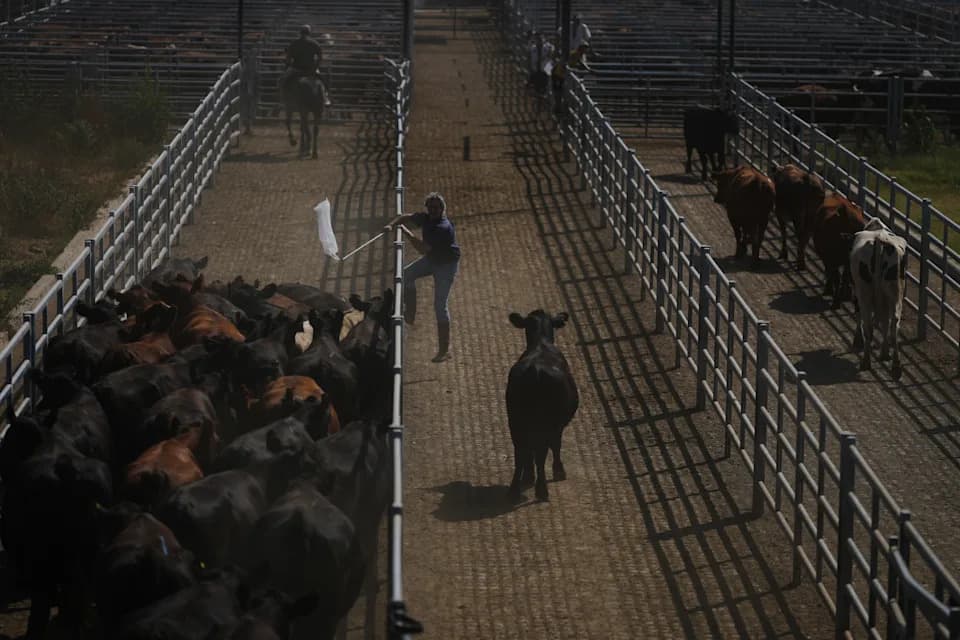
A worker moves cattle at the Agricultural and Livestock Market in Canuelas, Argentina, Tuesday, Jan. 13, 2026. (AP Photo/Natacha Pisarenko)(ASSOCIATED PRESS)
Negotiations for a landmark free-trade agreement between the European Union and four South American nations began more than 25 years ago — before the euro circulated, before China joined the World Trade Organization and while Venezuela still supplied much U.S. oil. Despite a dramatically changed geopolitical landscape and strong domestic opposition on both sides of the Atlantic, EU and Mercosur leaders are poised to formally sign the long-delayed pact at a ceremony in Paraguay.

Sunflowers stand in a field in Lobos, Argentina, Tuesday, Jan. 13, 2026. (AP Photo/Natacha Pisarenko)(ASSOCIATED PRESS)
What the Agreement Covers
The trans-Atlantic deal removes tariffs on a broad range of goods — from Argentine beef and Brazilian agricultural products to German cars and Italian wine — and would create a free-trade area covering more than 700 million people and roughly a quarter of global GDP. The agreement includes provisions on the environment and animal welfare, strict quotas on some sensitive agricultural imports, and financial support for European farmers.
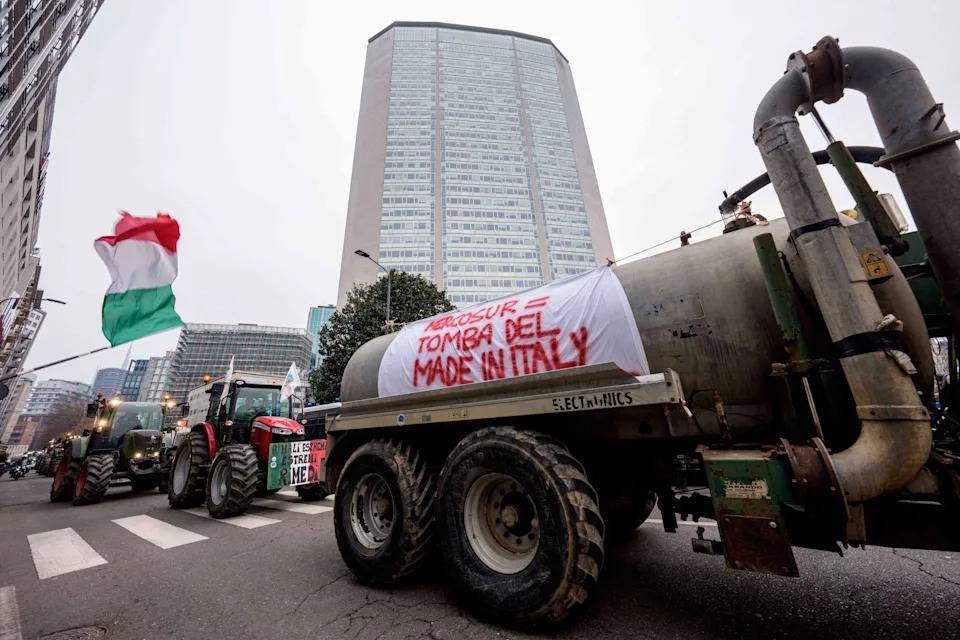
A banner with writing in Italian "Mercusur, the tomb of made in Italy" hangs from a truck during a farmers protest against the Mercosur deal, a free trade deal between the European Union and five South American nations, in Milan, Italy, Friday, Jan. 9, 2026. (Claudio Furlan/LaPresse via AP)(ASSOCIATED PRESS)
Economic Winners And Sectoral Gains
Agriculture: South American ranchers and exporters welcome the accord. Argentina, for example, stands to benefit immediately from the removal of a roughly 20% tariff applied under the EU’s quota on high-quality meat imports. Brazilian exporters expect strong gains in sectors such as instant coffee, poultry and orange juice — estimated by a Brazilian government agency at about $7 billion in additional EU sales over coming years.
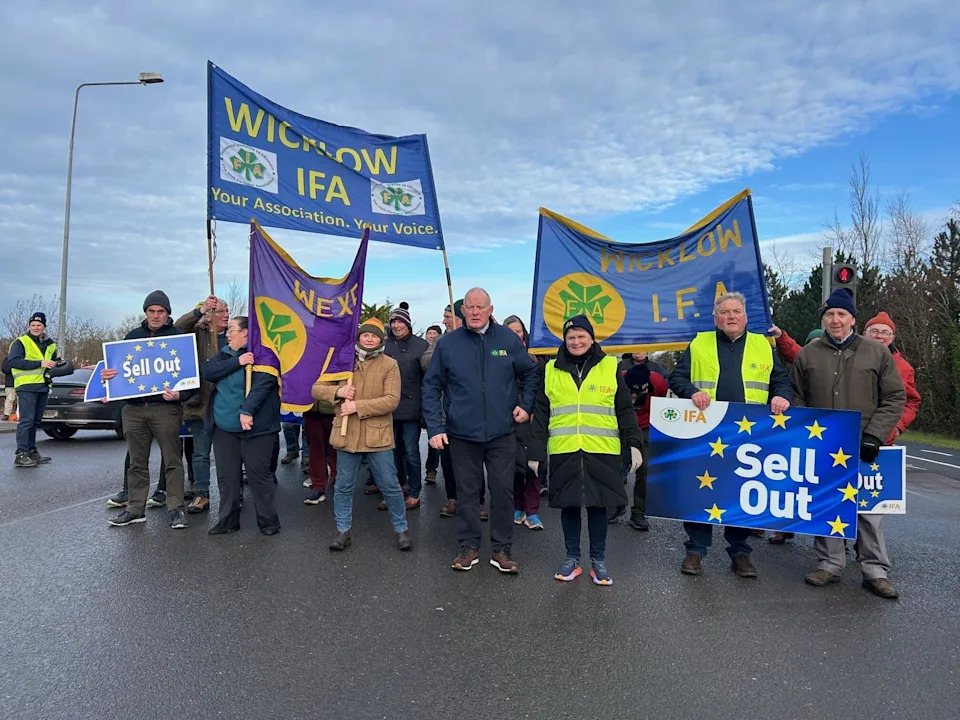
People protest against the EU-Mercosur trade deal in Athlone, Ireland, Saturday Jan. 10, 2026. (Cillian Sherlock/PA via AP)(ASSOCIATED PRESS)
Industry: European manufacturers also gain significant market access. Eliminating tariffs of up to 35% on autos and parts could help German automakers and other European industrial exporters recover market share in South America lost to cheaper competitors.
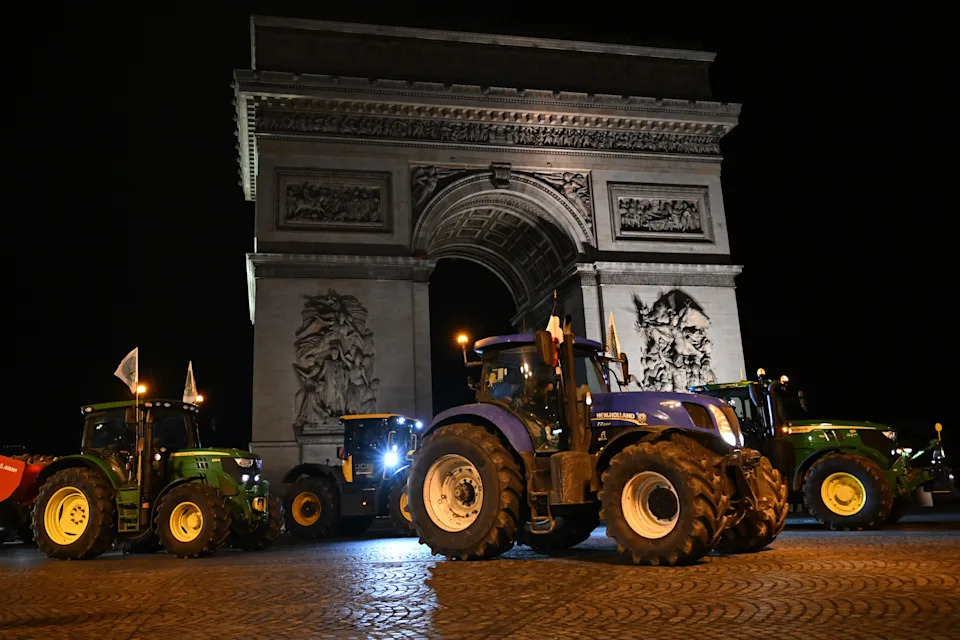
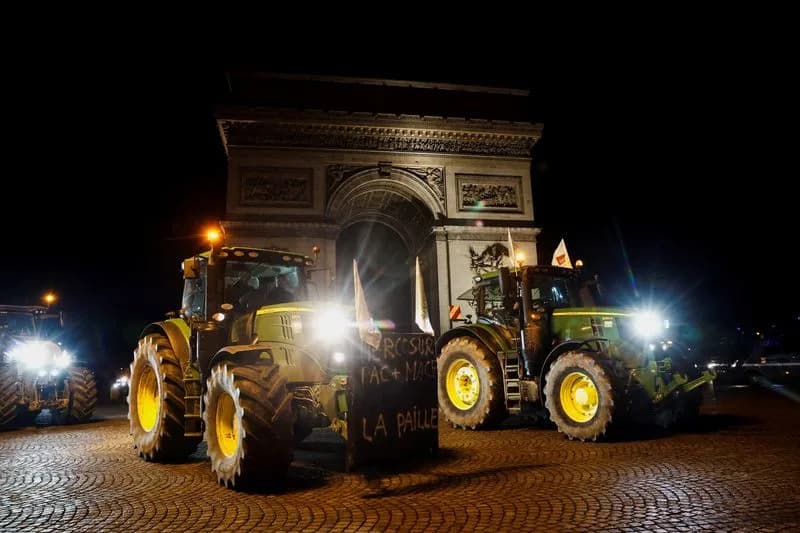
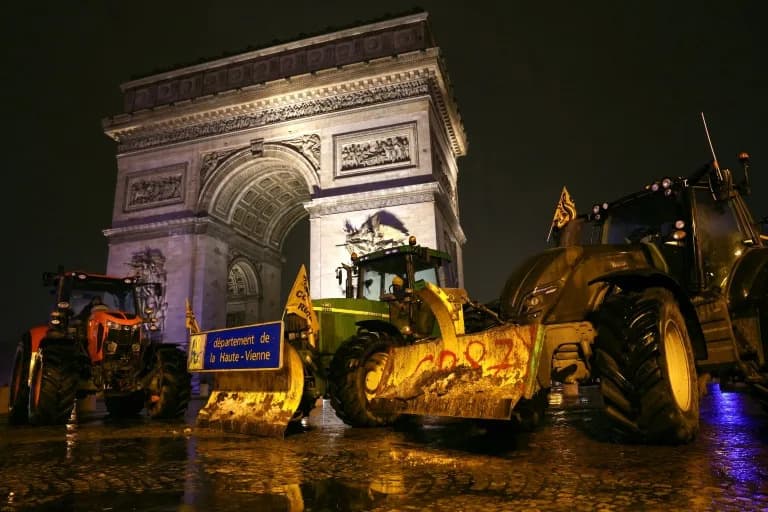
Farmers drive their tractors past the Arc de Triomphe as they protest the Mercosur trade deal, Tuesday, Jan. 13, 2026 in Paris. (AP Photo/Emma Da Silva)(ASSOCIATED PRESS)
Politics, Protests And Safeguards
European farmers, alarmed by increased competition and environmental concerns, staged protests across the continent. In response, negotiators added environmental and animal-welfare safeguards and set strict quotas for meat and sugar. The EU also offered financial support to affected farmers — roughly €52 billion (about $52 billion) in transitional measures — a move described by some critics as politically motivated but judged by leaders as necessary to secure the pact.
“It’s a signal that South American economies are seeking to hedge away from this great power competition between the U.S. and China,” said Lee Schlenker of the Quincy Institute’s Global South program.
Geopolitical Significance
Signatories portray the pact as a strategic bid to diversify South America’s economic partners amid growing competition from the United States and China. European Commission President Ursula von der Leyen called the deal a strong endorsement of multilateralism, while Brazil’s President Luiz Inácio Lula da Silva described it as a victory for dialogue and cooperation. Argentine President Javier Milei — who previously criticized Mercosur — shifted to support the pact, seeing it as a way to reform and reinvigorate the bloc.
Outstanding Steps And Caveats
Although leaders are expected to sign the agreement, it must still be ratified by the European Parliament and by Mercosur member states following their domestic procedures. Negotiations have stalled before, and several formal steps remain before the pact fully takes effect.
“There are still several steps that have to be taken ... and Europe continues to be very careful,” said Carlos Colombo, president of the Cañuelas Cattle Market in Buenos Aires.
Associated Press reporting contributed to this article.
Help us improve.