At a Mercosur summit in Foz do Iguaçu, Brazilian President Luiz Inácio Lula da Silva and Argentina's Javier Milei publicly clashed over responses to Venezuela, with Lula warning that any armed intervention would be a "humanitarian catastrophe" and Milei backing increased US pressure. The US has stepped up military activity in the Caribbean and imposed tighter controls on Venezuelan oil shipments amid allegations against Nicolás Maduro. Meanwhile, leaders postponed signing a long‑debated EU‑Mercosur trade deal until January amid opposition from European farmers, with an unconfirmed target date of January 12.
Lula and Milei Clash Over Venezuela at Mercosur Summit; EU‑Mercosur Trade Deal Delayed

(L to R) Argentina's President Javier Milei, Paraguay's Santiago Pena, Brazil's Luiz Inacio Lula da Silva and Uruguay's Yamandu Orsi pose for a family photo at the Mercosur summit (Evaristo Sa)(Evaristo Sa/AFP/AFP)
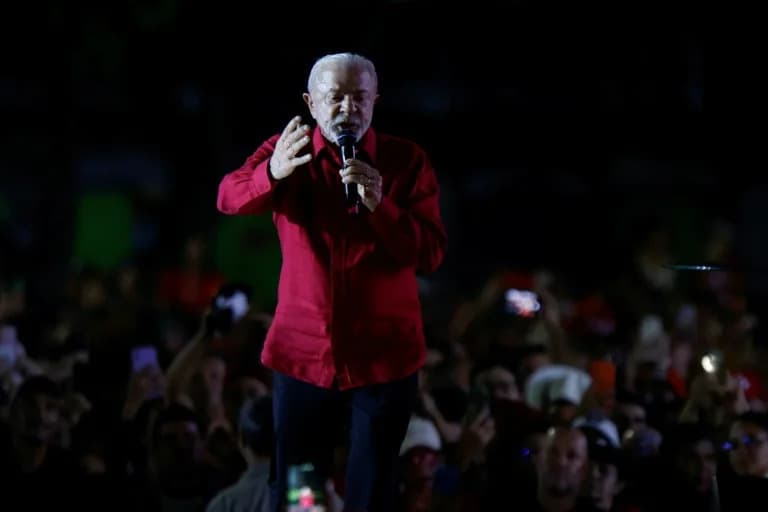
Brazilian President Luiz Inácio Lula da Silva and Argentina's Javier Milei publicly clashed on Saturday over how to handle the crisis in Venezuela during a Mercosur summit in Foz do Iguaçu, as rising pressure from US President Donald Trump intensified regional tensions.
The exchange unfolded at a meeting of the South American trading bloc where leaders were also trying to advance a long‑stalled trade agreement with the European Union. The Venezuela debate — a country suspended from Mercosur in 2016 — dominated the opening of the summit.
Speaking at the opening session, Lula warned of the risks of any armed intervention in Venezuela and urged caution.
"An armed intervention in Venezuela would be a humanitarian catastrophe for the hemisphere and a dangerous precedent for the world," Lula said.
Argentina's libertarian president, Javier Milei, took a sharply different line and voiced support for greater US pressure on Caracas. Milei praised measures by the Trump administration and called for tougher action to "free the Venezuelan people."
"Argentina welcomes the pressure from the United States and Donald Trump to free the Venezuelan people. The time for a timid approach on this matter has run out," Milei said.
The United States has increased its military presence in the Caribbean in recent months and carried out strikes against boats it says were linked to drug trafficking in both the Caribbean and Pacific. Washington has also accused Venezuelan President Nicolás Maduro of heading the so‑called "Cartel of the Suns," an allegation Maduro denies. The US has tightened restrictions on oil shipments to and from Venezuela, measures described by critics as a blockade; Trump has also said he could not entirely rule out the possibility of war.
EU‑Mercosur Trade Deal Postponed
Separately, leaders from Argentina, Brazil, Paraguay and Uruguay hoped to finally seal an EU‑Mercosur trade pact at the summit. EU Commission President Ursula von der Leyen and representatives from several member states were present to push the agreement forward.
However, fierce opposition from agricultural producers in countries such as France and Italy forced negotiators to postpone a signing until January. Some EU officials and diplomats have cited January 12 as a possible new signing date, though Paraguayan and Brazilian ministers said they had not received any official confirmation.
Lula urged EU leaders to show "political will and courage" to conclude the deal after negotiations that began in 1999, arguing the pact would strengthen multilateralism and create the world's largest free trade area. The agreement would open EU markets further to South American exports like meat, soy and sugar while giving Europe greater access for vehicles, machinery, wines and spirits.
The summit was attended by leaders including Uruguay's President Yamandú Orsi and Paraguay's Santiago Peña. Bolivia is now a full Mercosur member but is not party to the current trade agreement negotiations.
The clash over Venezuela and the delay to the EU‑Mercosur pact underscored the divergent priorities and geopolitical alignments shaping South America amid growing international pressure on Caracas.
Help us improve.