Mikie Sherrill’s move to New Jersey’s governorship has opened her 11th District House seat, drawing at least 11 Democratic hopefuls. Gov. Phil Murphy set the primary for Feb. 5 and the special general election for April 16 and has endorsed Brendan Gill. The contest mixes political outsiders with seasoned Democrats such as former Rep. Tom Malinowski and a possible run by Lt. Gov. Tahesha Way, with affordability and opposition to Donald Trump emerging as central themes. The compressed schedule promises a fast, competitive primary testing experience against insurgent campaigns.
Nearly a Dozen Democrats Vie to Replace Mikie Sherrill in Congress

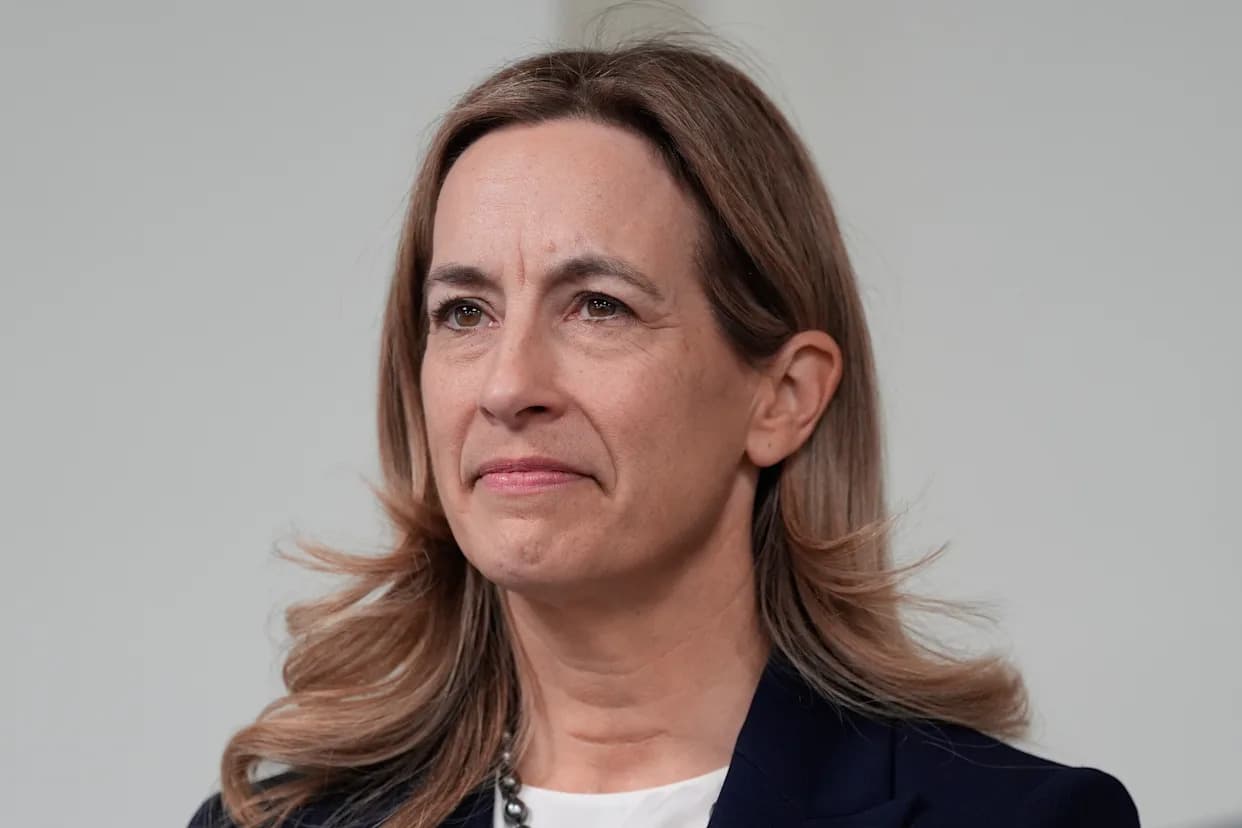
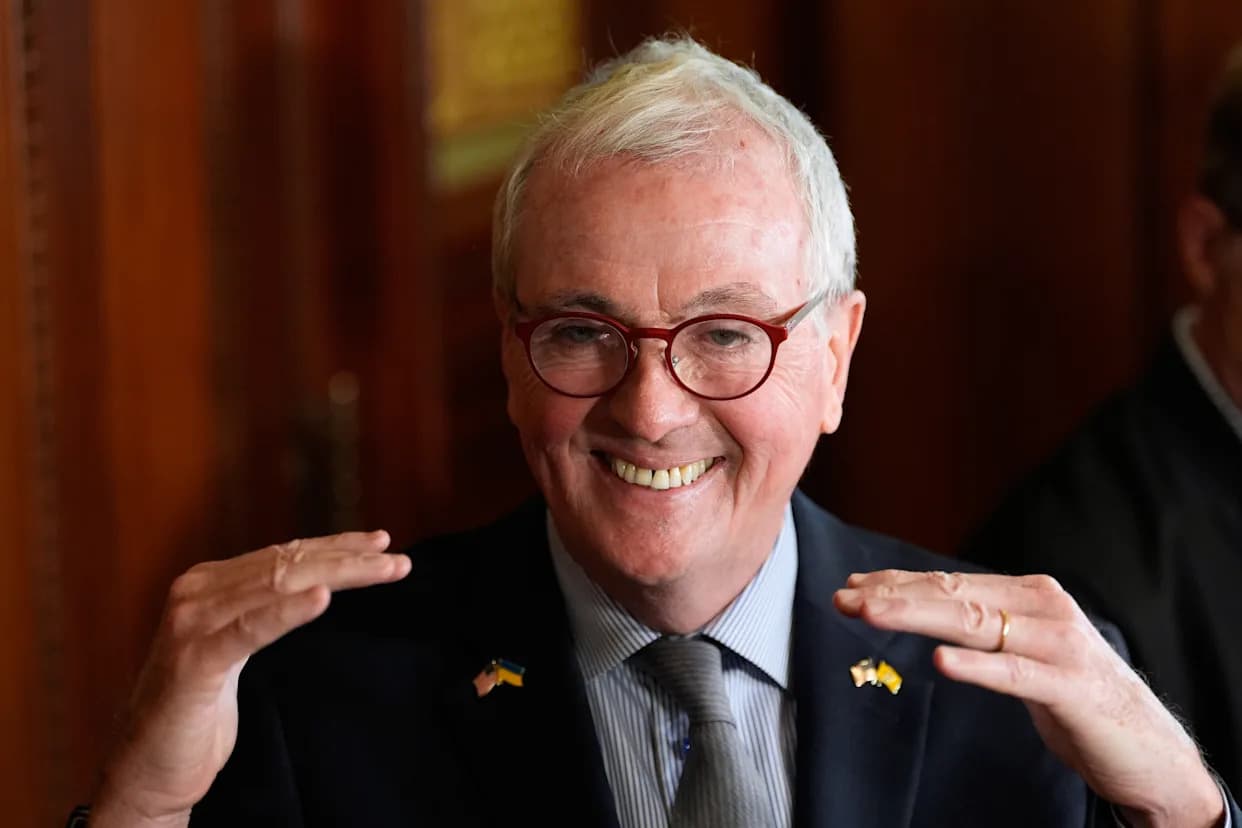
New Jersey Gov.-elect Mikie Sherrill’s elevation to the governor’s office has opened her U.S. House seat in the 11th District, and at least 11 Democrats have already entered the contest to replace her. Gov. Phil Murphy announced the special election calendar: the Democratic primary will be held Feb. 5, with the special general election set for April 16. Murphy has endorsed Essex County Commissioner Brendan Gill.
The crowded field includes political outsiders and established party figures alike: a former congressman seeking a return after redistricting reshaped nearby districts, county commissioners, a young community organizer, a lieutenant governor weighing a bid, and multiple local officials aiming for a jump to the national stage.
Who’s running (and considering a run)
Notable declared or prospective candidates include Brendan Gill, who has built a long resume working for Democratic leaders across New Jersey and has secured endorsements from more than 70 local officials and all four Democratic state senators representing parts of the district; former Rep. Tom Malinowski, who represented the nearby 7th District from 2019 to 2022 and has the endorsement of Sen. Andy Kim; Army veteran Zach Beecher; Morris Township Deputy Mayor Jeff Grayzel; Cammie Croft, a former White House staffer; Passaic County Commissioner John Bartlett; and 27-year-old community organizer Anna Lee Williams. Lieutenant Governor Tahesha Way has said she is seriously considering a campaign and has discussed the possibility with Murphy.
Several candidates emphasize their outsider credentials, arguing that voters want fresh perspectives and a break from career politicians. Beecher, an Army paratrooper, and organizers such as Williams frame themselves as representatives of grassroots energy. At the same time, Gill and Malinowski present decades of institutional experience and local ties as the case for being able to deliver results quickly in Washington.
Political context and the district
Sherrill flipped the seat for Democrats in 2018. After the 2020 redistricting process, the 11th District shifted more Democratic and is currently rated "Solid Democrat" by nonpartisan analysts. In the recent governor’s race, Sherrill carried portions of Essex, Morris and Passaic counties that fall inside the district, though she won Morris by the narrowest margin of the three.
Malinowski has faced questions about residency after redistricting moved parts of his former 7th District into the 11th; he has said he would move into the district if elected. Gill stresses his lifelong roots in the district and broad local endorsements. Other candidates point to executive, military, local-government and organizing experience as proof they can win and represent the district effectively.
Key campaign themes
Across the primary field, two dominant themes have emerged: affordability and opposition to the agenda of former President Donald Trump. Candidates uniformly say they will prioritize lowering costs for families — particularly housing, health care and everyday expenses — and hold Trump’s policies and rhetoric to account.
Specific proposals and priorities differ. Cammie Croft highlights her work on health policy and calls for stronger rules to curb corruption, including banning stock trading by members of Congress and senior White House officials. Malinowski emphasizes the need to restore seniority and institutional capacity in the House to conduct oversight, including on trade and tariff policy. Others stress local infrastructure priorities, such as support for the Gateway rail project, and expanded access to voting.
“Voters deserve a choice,” said one candidate, arguing that competitive primaries strengthen democracy and give voters meaningful alternatives.
What’s next
With a compressed timeline between the February primary and the April special election, candidates must rapidly build name recognition, organize fundraising and secure endorsements. The wide-ranging field sets up a fast, intense contest that will test voter appetite for experience versus insurgent appeals and will offer a look at intra-party dynamics as Democrats prepare for the 2026 election cycle.
As the campaign unfolds, key indicators to watch include how endorsements and local networks translate into volunteers and dollars, which policy messages resonate on affordability, and whether national themes — especially responses to Trump — shape voter decisions in this now-solidly Democratic district.
Help us improve.