More than two dozen House Democrats face serious primary challenges as a surge of progressive insurgents — inspired in part by Zohran Mamdani’s rise — pushes the party leftward. Leaders warn these intraparty fights risk diverting money and time from competitive general-election districts needed to flip the House. Incumbents such as Dan Goldman say they will run on their records, while challengers press for bolder action to defend democracy. Fundraising battles and generational change are intensifying a debate over the party’s strategy and priorities.
‘They’re Attacking Their Own’: Surge Of Progressive Primaries Tests Democrats’ Bid To Reclaim The House

Rep. Dan Goldman during a break in a closed-door deposition with former special counsel Jack Smith before the House Judiciary Committee in Washington, DC, on December 17, 2025. - Kent Nishimura/Bloomberg/Getty Images
When Rep. Dan Goldman first ran for Congress in 2022, he was embraced by the party’s left for his role as a top prosecutor during former President Donald Trump’s first impeachment. Three years later, the Manhattan Democrat faces what his campaign calls the toughest contest of his career: a primary challenge from New York City Comptroller Brad Lander, who has won endorsements from high-profile progressives including Zohran Mamdani and Sen. Bernie Sanders.
A Nationwide Wave Of Challenges
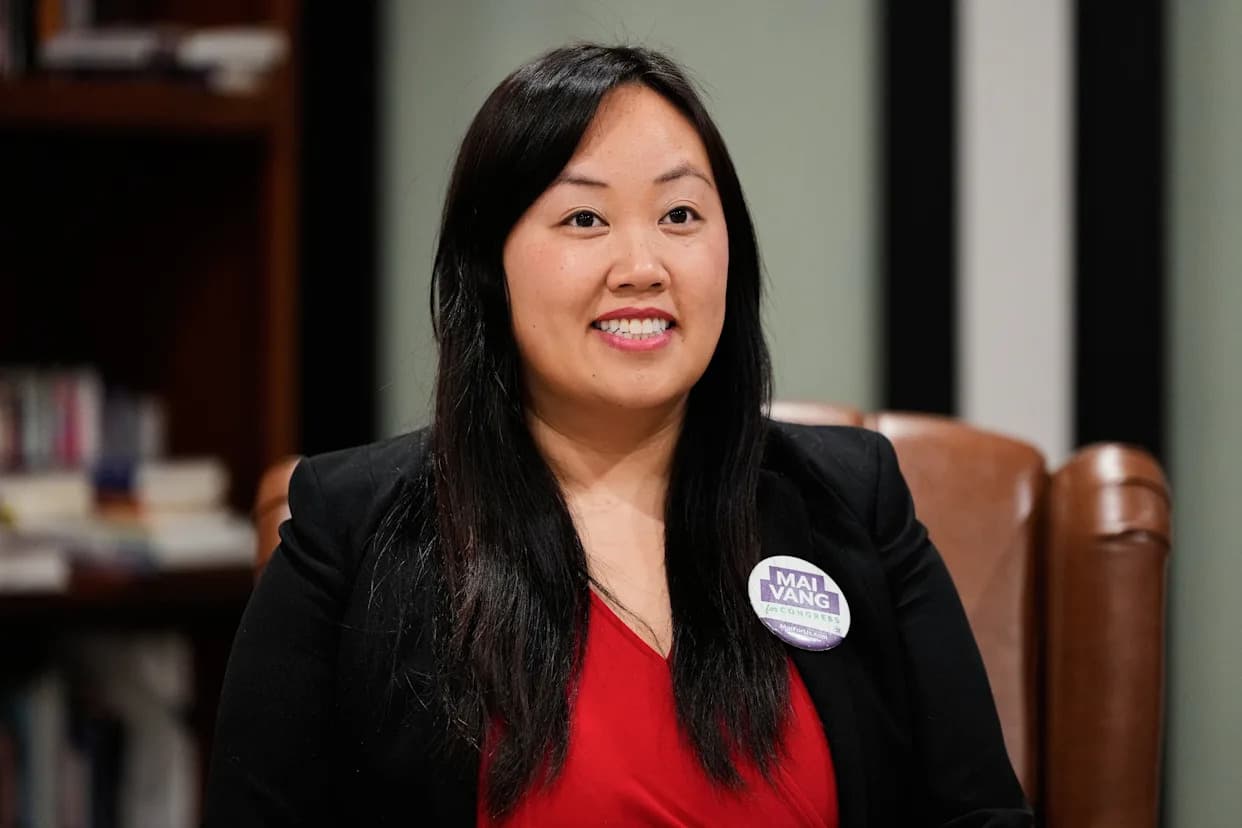
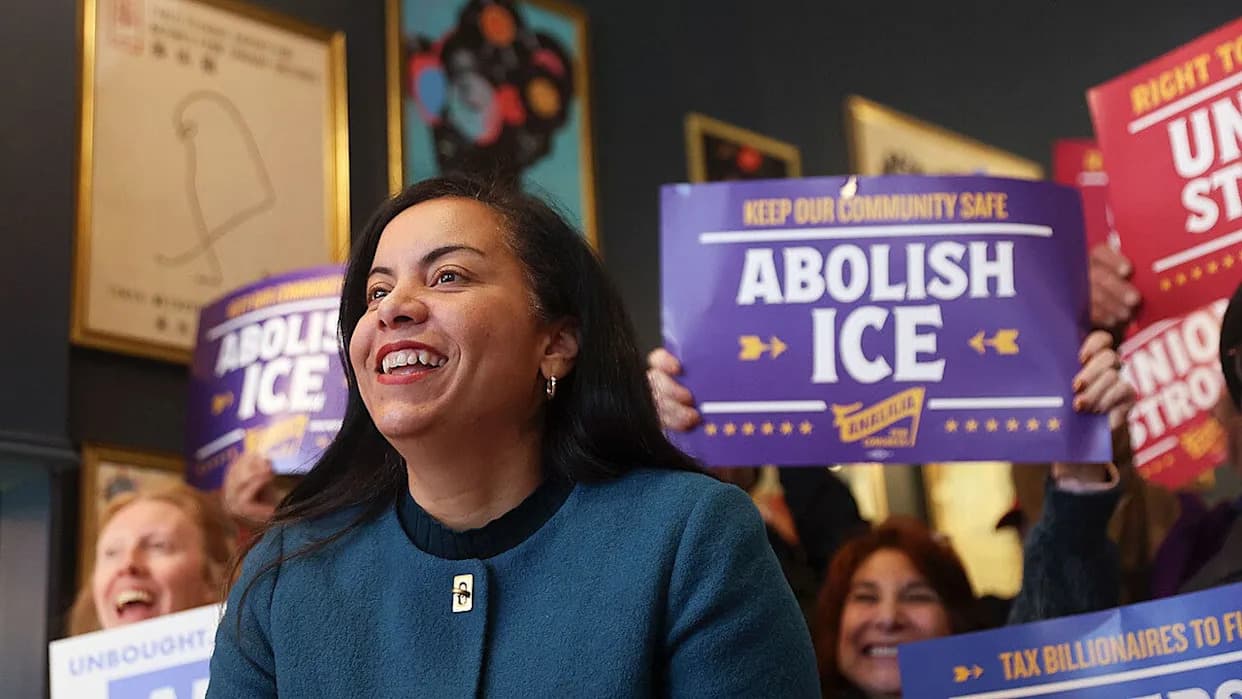
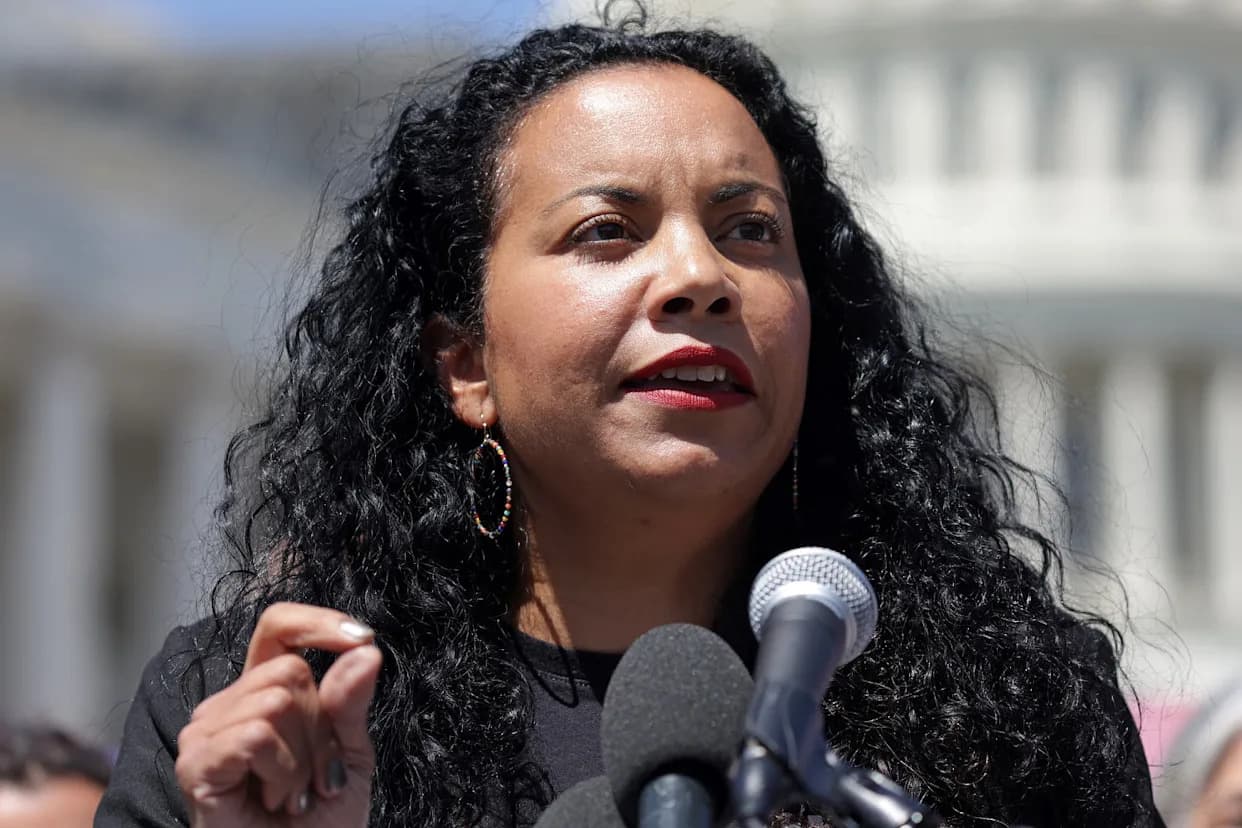
Goldman is one of more than two dozen House Democrats confronting serious primary challenges this cycle — a wave party insiders link to the momentum created by Mamdani’s unexpected rise and to frustration among younger progressives who want the party to take a harder line against Trump. Many incumbents and party officials say primaries are normal in a big-tent party, but privately worry the surge could divert time, staff and donor dollars from vulnerable general-election contests.
What Leaders Are Saying
"The problem is, they’re attacking their own. It’s like, attack the other guys," Rep. Juan Vargas told CNN. "We will have spent this energy and money fighting amongst ourselves. And it’s really dumb."
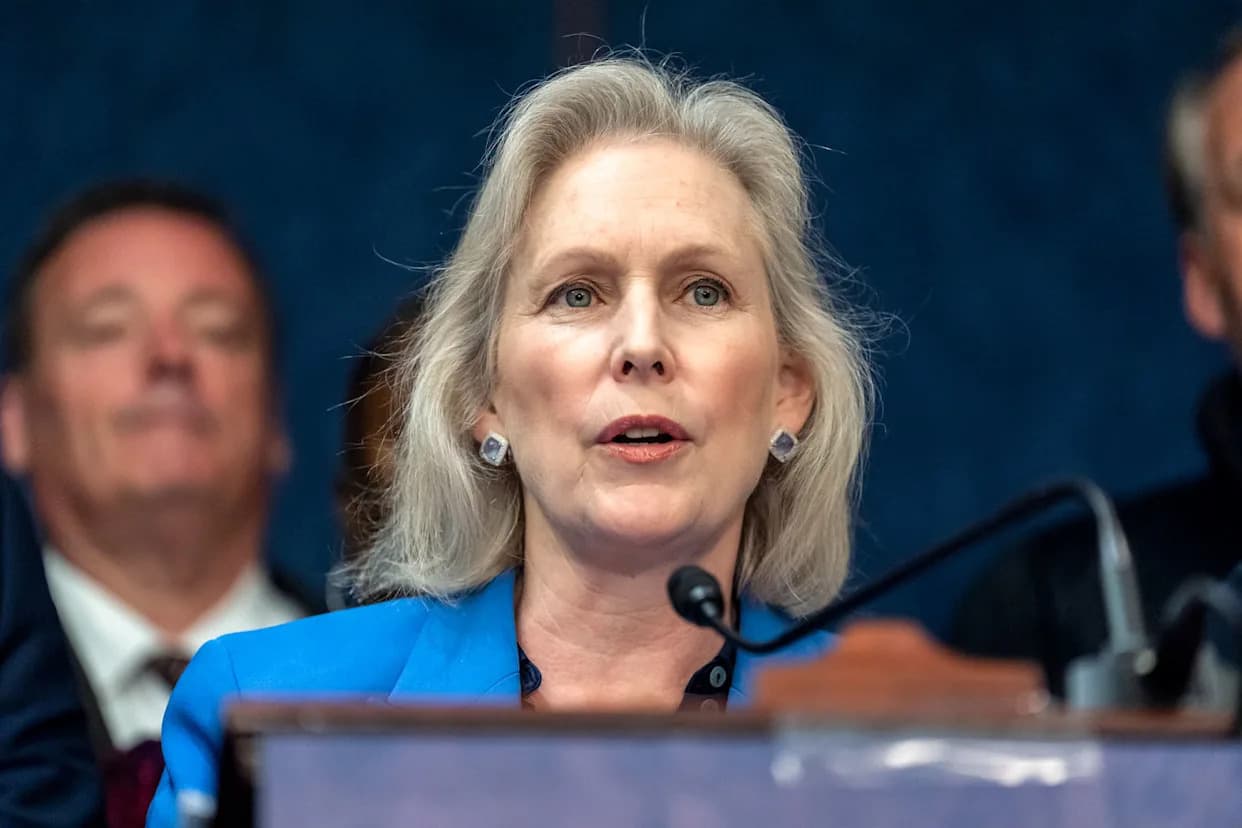
House Minority Leader Hakeem Jeffries has publicly backed incumbents such as Goldman, calling primaries "a way of life in the House of Representatives" and expressing confidence most sitting members will prevail. Rep. Suzan DelBene, who chairs House Democrats' campaign arm, acknowledged that defending incumbents consumes resources but said the top priority remains flipping swing districts to win back the House.
Incumbents, Challengers And The Stakes
Some incumbents have raised substantial sums to defend their seats: Rep. John Larson reported $800,000, Rep. Mike Thompson raised over $600,000, and Rep. Brad Sherman posted $322,000 in recent quarters — though each was outraised last quarter by their Democratic challengers. Other races are generational, not strictly ideological; several veteran members in their 70s face challengers pitching new leadership.

New York Comptroller Brad Lander speaks to the media during an event launching his campaign for the US House of Representatives, on December 10, 2025 in New York City. - Andres Kudacki/Getty Images
Challengers argue that the party needs more urgency. In his launch video, Lander warned of a "five-alarm fire for our democracy," and highlighted footage of his June arrest by ICE as he tried to escort a migrant from immigration court, saying "the problems we face can’t be solved by strongly worded letters and high-dollar fundraisers."
Practical Impact On The 2026 Fight
Members with contested primaries say the immediate cost is the opportunity cost: time and money they cannot put toward competitive general-election districts. One House Democrat speaking on background said their fundraising could be going to purple seats instead of their own defense. Leaders caution that while many incumbents will survive, the proliferation of challenges underscores an internal debate over the party's direction — between a pragmatic focus on winning the House and a progressive push for bolder tactics.
Bottom line: The wave of progressive primaries is reshaping internal Democratic politics and forcing party leaders to weigh short-term resource allocation against long-term ideological change — with control of the House hanging in the balance.
CNN’s Alison Main contributed to reporting on this story.
Help us improve.