Gov. Phil Murphy delivered his final State of the State in Trenton, arguing that his eight-year administration left New Jersey “stronger and fairer.” He highlighted achievements including a $15 minimum wage, restored Planned Parenthood funding, millionaire tax hikes, and expanded abortion protections, while acknowledging mixed public approval. Murphy emphasized his pandemic leadership and legal wins against federal policies, but faced scrutiny over veterans homes, campaign rules changes, and the aborted Senate bid for his wife. He plans to leave office on Jan. 20, transfer power to Gov.-elect Mikie Sherrill, and step back from public life.
Phil Murphy’s Farewell: A Final State of the State Emphasizes Progressive Legacy and Controversies
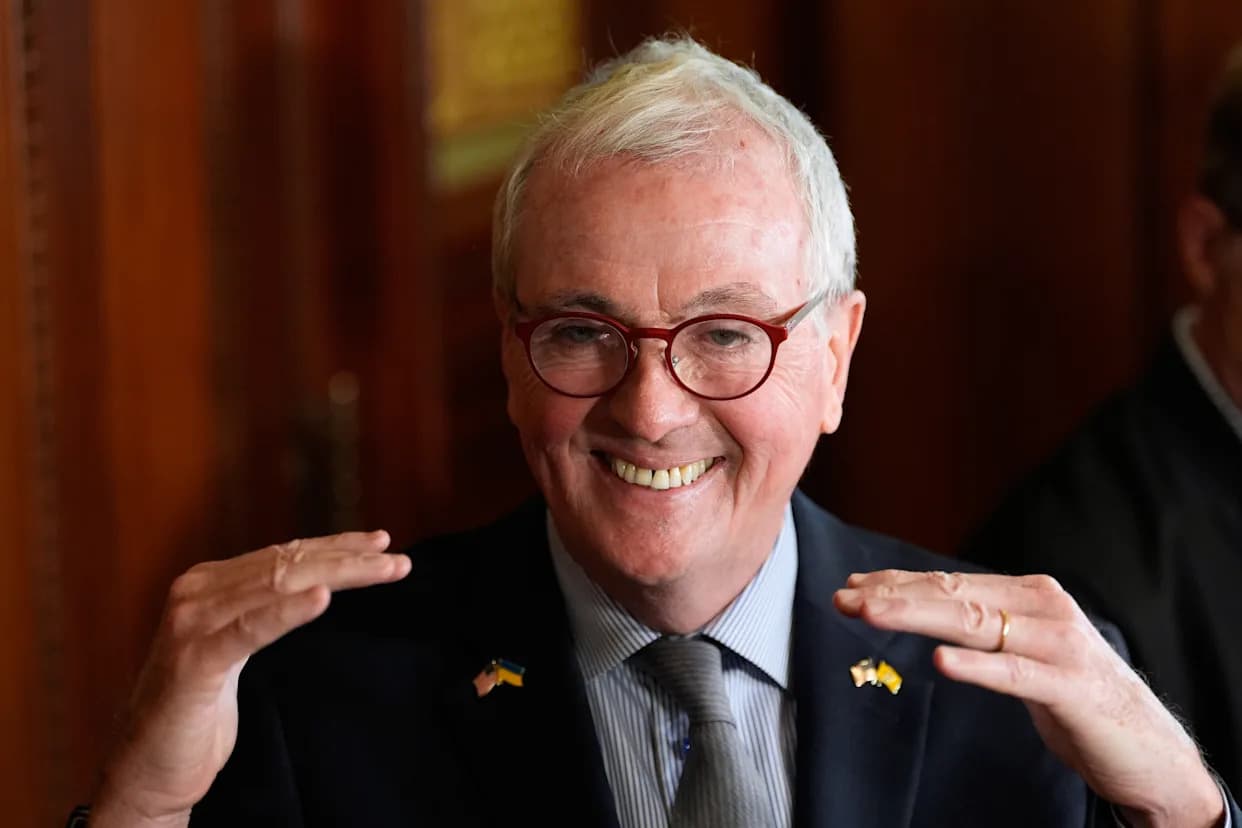
TRENTON, New Jersey — Gov. Phil Murphy delivered his final State of the State address Tuesday, closing out an eight-year tenure that pushed New Jersey’s policies sharply left while drawing both praise and criticism. He said goodbye to the chamber with a succinct claim about his record: “New Jersey is stronger and fairer. That is the legacy.”
Highlights From the Address
Murphy used the roughly hourlong, 7,300-word speech to recount major accomplishments and to urge continued policy focus in the areas he emphasized while in office. He invoked political influences including Robert F. Kennedy, Martin Luther King Jr., and John F. Kennedy, and outlined a number of signature achievements: a $15 minimum wage, restored public funding for Planned Parenthood, and higher taxes on millionaires to support his priorities.
He framed his tenure as one that pursued progressive reforms that had stalled under his Republican predecessor, Gov. Chris Christie, and he pointed to nine consecutive credit-rating upgrades after the state suffered 11 downgrades earlier. Murphy also touted growth in New Jersey’s film and television industry, citing new studios from Netflix and Lionsgate.
Controversies and Counters
Public reaction to Murphy’s governorship remains mixed. An October Rutgers poll found 38% of respondents held a favorable view of the governor, 47% were unfavorable and 15% had no opinion. His progressive supporters have at times been frustrated by decisions such as overhauls to campaign finance and public-records rules and his high-profile support for first lady Tammy Murphy’s U.S. Senate bid, an effort that generated progressive backlash and was ultimately aborted.
Murphy also reminded listeners that his administration frequently challenged the federal government in court when it believed federal actions harmed New Jersey residents. He cited multiple legal victories and said his team worked with both Presidents Donald Trump and Joe Biden when possible.
Pandemic Leadership and Veterans Homes
Murphy may be most strongly associated with his role during the Covid-19 pandemic. While many New Jerseyans credit him for steering the state through that crisis, the administration also faced scrutiny: state-run veterans homes had disproportionately high death rates during the pandemic, and the Department of Justice later concluded conditions amounted to constitutional violations.
What He Left Out And New Policy Stances
Some high-profile items received little or no attention in the speech. Murphy gave scant mention to cannabis legalization — a fierce debate during his first term — and offered only a brief reference to immigration even as state lawmakers advanced anti-ICE bills to his desk. He emphasized a landmark school-phone law intended to curb distractions and support youth mental health and went further by endorsing debates underway abroad about restricting social media access for children under 16.
“A policy like this raises no shortage of questions,” he acknowledged, noting concerns about enforcement and the limits of government while calling it a bold policy direction.
Murphy said he will leave office on Jan. 20 and plans to step back from public life, escaping to Europe after his final day in office. He will transfer power to Gov.-elect Mikie Sherrill. Asked about future political ambitions, Murphy told POLITICO he would not advise betting on a presidential run.
Final Take
Murphy departs as a consequential, polarizing figure: a governor who expanded progressive policies and left an imprint on the state budget and social policy, but who also faced criticism from within his own party and from watchdogs over governance choices. Whether historians view his tenure as a definitive turnaround or a fractious era will depend on how his policies perform in the years ahead.
Help us improve.