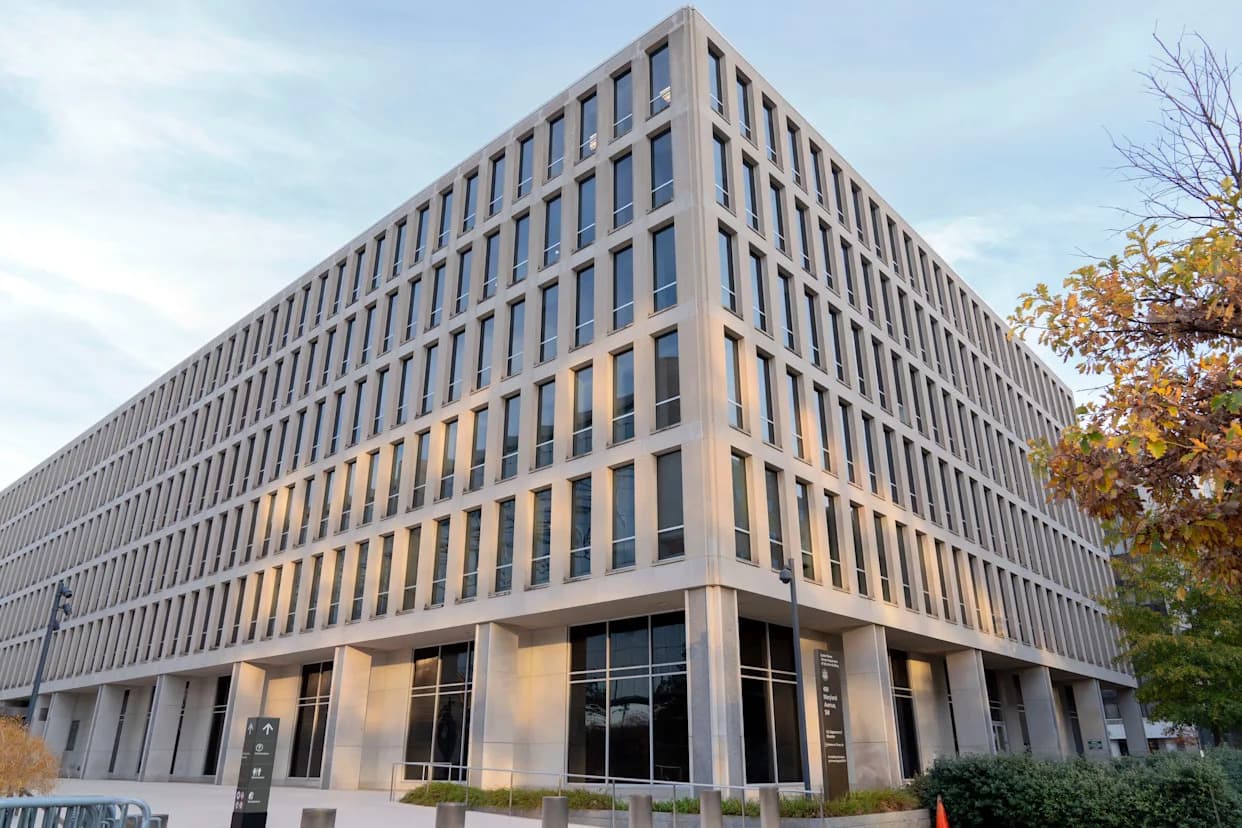
Legal experts and former prosecutors warn that the Trump administration’s realignment of the Department of Justice toward MAGA priorities and political targets has prompted roughly 5,500 departures and weakened key enforcement units. The civil rights division has lost about 70% of its staff, while voting and public integrity sections have been drastically pared back. Observers say these changes — along with pardons and politically driven prosecutions — risk long-term damage to national security, civil-rights enforcement and corruption investigations.
Experts Say Trump DOJ’s MAGA-Driven Shake-Up Has Weakened Civil Rights, Security and Corruption Probes

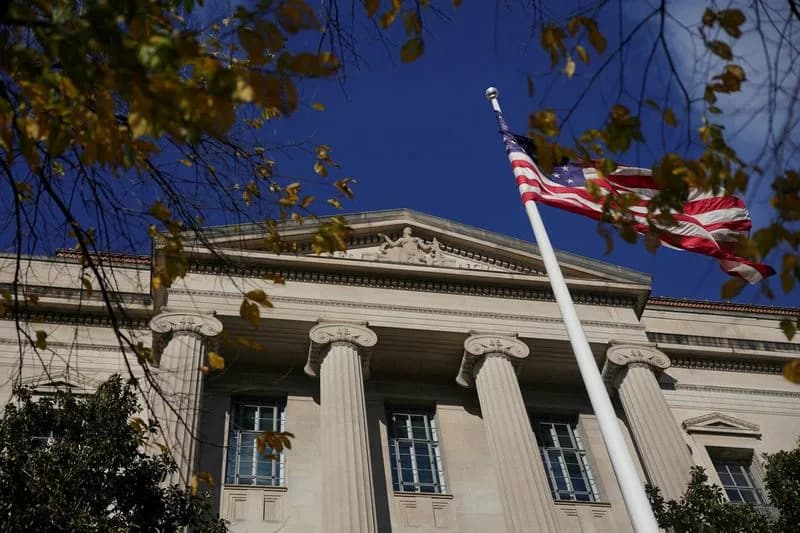
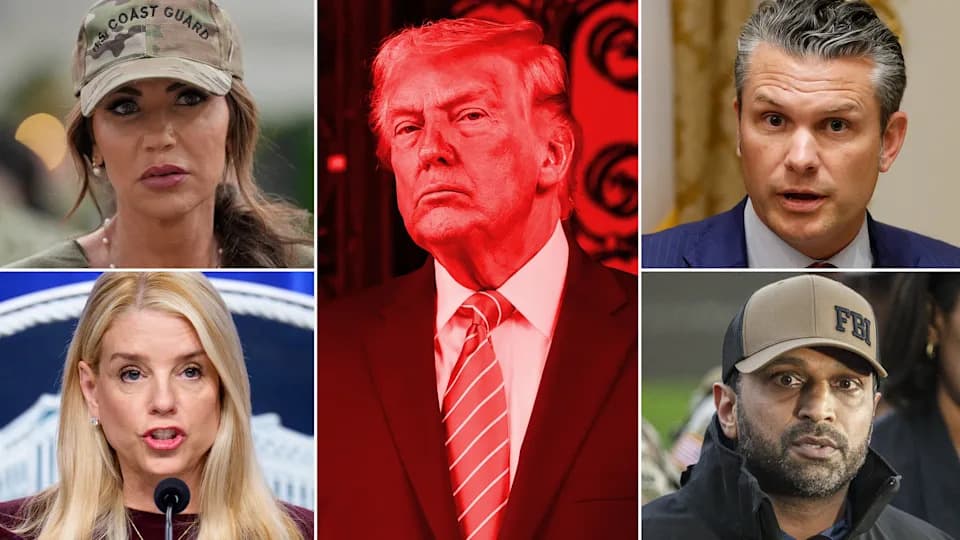
Former prosecutors and legal experts warn that the Justice Department has been reshaped under President Donald Trump and Attorney General Pam Bondi to prioritize MAGA-aligned objectives and political targets. They say this realignment has prompted thousands of departures and materially weakened investigations across civil rights, national security, voting enforcement and public corruption.
Staff losses and shifting priorities
Data compiled by advocacy group Justice Connection indicate roughly 5,500 Department of Justice employees — lawyers and non-lawyers — have left since Trump returned to office. That total includes staff who were fired, resigned or accepted deferred separation programs, producing a notable decline in DOJ resources. By comparison, the department employed about 10,000 attorneys last year, according to DOJ records cited by former employees.
Critics say that beyond these losses, the department’s priorities have shifted toward political objectives, including tougher immigration enforcement and actions perceived as targeting the administration’s opponents. Officials have removed many prosecutors they viewed as unsympathetic to the administration, including roughly 20 attorneys who worked on prosecutions related to the January 6 Capitol attack.
Civil rights division battered
Former DOJ lawyers and internal reports say the civil rights division has been among the hardest hit, shedding about 70% of the roughly 600 attorneys and staff who were in place when Trump took office. That decline, they say, has curtailed long-running investigations into policing misconduct, discrimination and voting rights.
“The purge we’ve witnessed at the justice department has been catastrophic, and it isn’t slowing down,” said Stacey Young, founder and executive director of Justice Connection, who left DOJ in January after 18 years as a senior attorney. “We’re talking about dedicated and brilliant professionals who worked on behalf of the public — not any one president — to protect our national security, our environment, our economic interests, and our civil rights. It may take generations to rebuild what we’re losing.”
National security and a turbulent U.S. attorney’s office
Observers point to turmoil in the U.S. Attorney’s Office for the Eastern District of Virginia, historically strong on national security and white-collar crime, as emblematic of the larger problem. The office was destabilized after public pressure from the president to pursue criminal charges against former FBI director James Comey and New York Attorney General Letitia James.
When U.S. Attorney Erik Siebert declined to bring a case against Comey, citing weak legal grounds, he resigned amid pressure. He was replaced by White House lawyer Lindsey Halligan, a relatively inexperienced criminal prosecutor, who filed a two-count indictment accusing Comey of lying to and obstructing Congress. A federal judge later criticized Halligan’s presentation to the grand jury, finding "fundamental misstatements of the law" and a pattern of missteps.
Siebert’s departure and Halligan’s actions preceded the resignations and firings of several veteran prosecutors in that office. Michael Ben’Ary, a national security prosecutor with two decades of experience, left a note warning colleagues that leadership seemed "more concerned with punishing the president’s perceived enemies than they are with protecting our national security." Former prosecutors say the loss of institutional knowledge risks undermining the government’s ability to prevent and disrupt violent extremism, organized crime and complex financial crimes.
Voting enforcement and redistricting
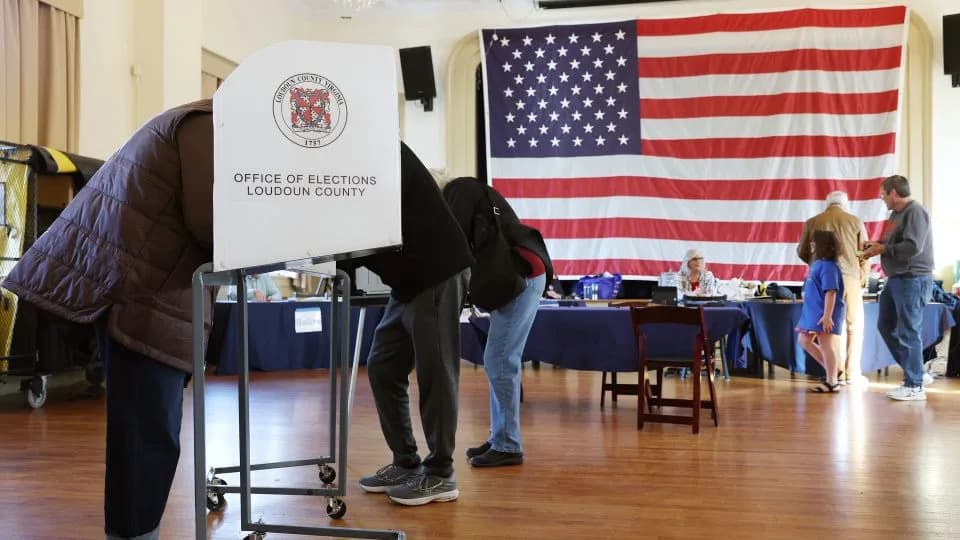
At Main Justice, hundreds of attorneys and staff departures have also affected the civil rights division’s voting section. Reports and former employees indicate the number of lawyers in the voting section has fallen from about 30 to less than half that number. Critics say the unit’s diminished capacity and selective interventions in redistricting disputes have raised concerns about political bias.
Observers point to DOJ legal positions backing the legality of a Texas redistricting plan — a map that would likely advantage Republicans — while contesting California’s redistricting that could help Democrats. A federal court later rejected the Texas scheme and ordered the state to use its 2021 lines, but critics argue the department’s interventions should be evenhanded and focused on legal merits rather than political outcomes.
Public integrity and corruption prosecutions
The public integrity section, which historically prosecutes corruption by public officials, has also contracted dramatically, with reports that staffing fell from about 30 prosecutors at the start of 2025 to only a handful. Former prosecutors say the section was weakened when prosecutors dropped significant counts against public officials, and when early clemency decisions appeared to undercut ongoing investigations and sentencing outcomes.
“Without people working hard to bring corruption to light, people in power can get away with terrible crimes,” said Mike Romano, who resigned after working on January 6 prosecutions. “These developments show why the country needs robust public integrity prosecutors.”
Long-term consequences
Legal experts argue the combined effect of departures, political interference and redirected priorities will have enduring repercussions. They warn that the loss of experience and institutional memory reduces the department’s capacity to anticipate and respond to threats, undermines civil-rights enforcement, and weakens accountability for public corruption.
“The effectiveness of federal law enforcement depends on accumulated expertise and institutional memory,” said Philip Lacovara, who served as counsel to the Watergate special prosecutor. “Thanks to this reshaping of the justice department, every day risks creating de facto reprieves for criminals at home and abroad.”
Whether the department can rebuild staffing and restore nonpartisan enforcement priorities remains an open question. Former employees and legal scholars say it could take years — even generations — to recover lost capabilities and public trust.
Help us improve.