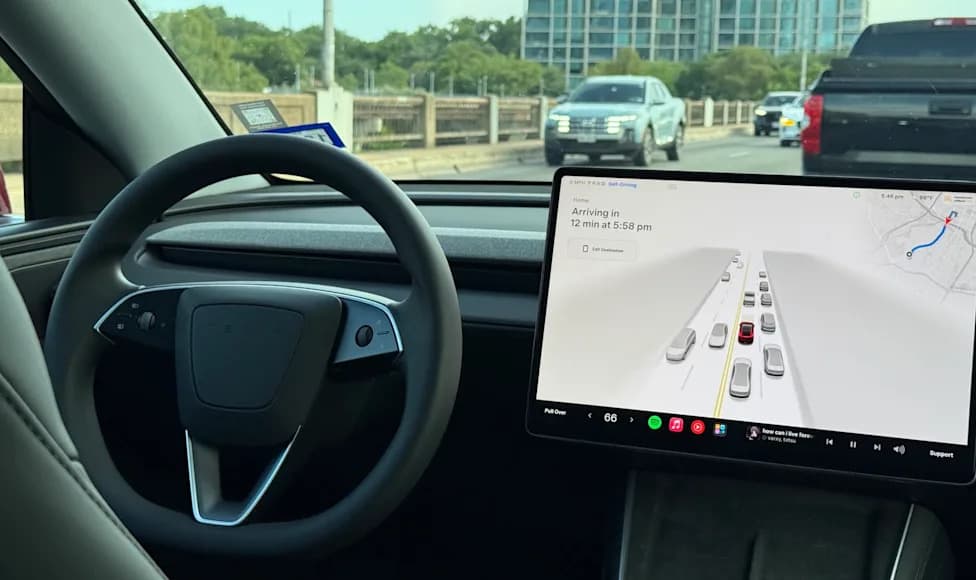
The Boring Company’s Music City Loop proposes nearly nine miles of tunnels connecting downtown Nashville to the airport, promising faster trips without taxpayer funding. Critics say the private, Tesla-focused system risks serving tourists more than residents and could distract from the city’s $3.1 billion public transit plan. Nashville’s hard limestone poses a new technical challenge; the company plans to use its first hard-rock boring machine. Company leaders and some experts say this Earth-based tunneling work could eventually support Elon Musk’s long-term goal of housing humans underground on Mars.
Music City Loop: Nashville’s Tunnel Debate and Elon Musk’s Bigger Plan

Zach Woolsey, a part-time Uber driver and real estate agent in Nashville, argues that The Boring Company’s proposed Music City Loop won’t solve the city’s pressing transit problems. He says the project feels targeted more at visitors than at the residents who rely on everyday public transit.
“It really irritates me that they would approve this instead of approving another company… or some other long-term plan to build an actual public transit system that would benefit the whole city because this is only going to benefit tourists,” Woolsey said.
What is the Music City Loop?
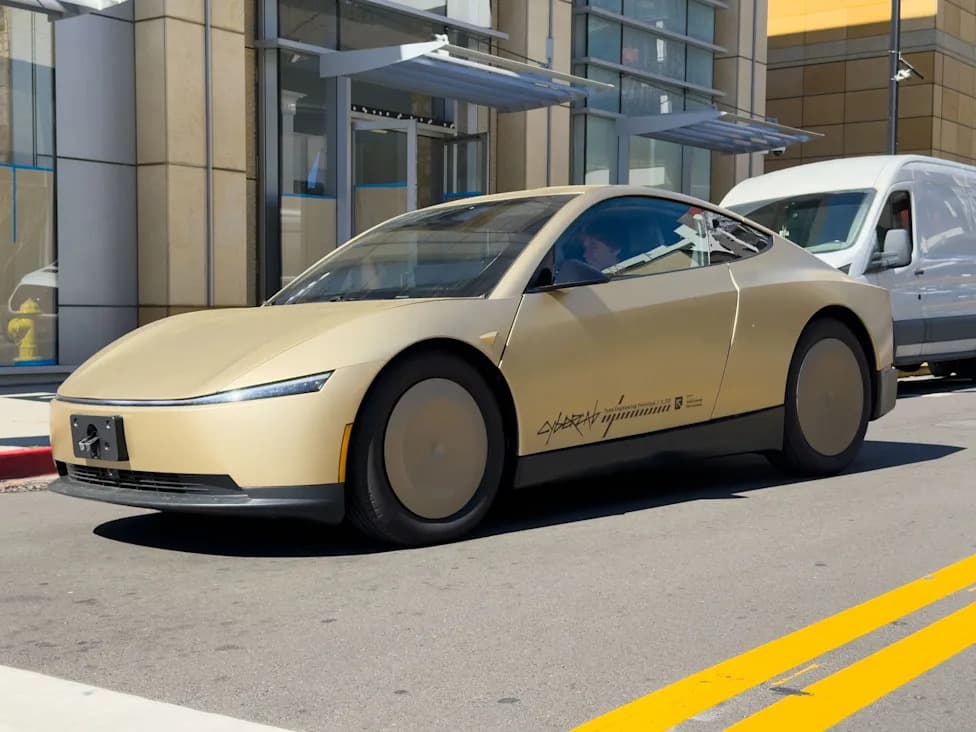
The Music City Loop is a privately financed plan by The Boring Company to build nearly nine miles of underground tunnels connecting downtown Nashville with Nashville International Airport. Promoted as a way to cut travel times and ease surface congestion, the system would operate with Tesla vehicles and other proprietary technology, and its supporters emphasize that it requires little to no taxpayer funding.
Local context and controversy
Nashville has experienced rapid population growth and worsening congestion. Voters in Davidson County recently approved a $3.1 billion transit improvement program to expand public mobility. That package, along with regional roadway upgrades, forms the public response — while the Music City Loop represents a private-sector experiment.
Critics worry that a private, Tesla-centric system may not serve broader community needs or advance equitable access. Proponents counter that private investment can accelerate innovation and deliver faster results than public projects alone. The debate centers on whether this tunnel will complement or distract from long-term, citywide transit planning.
From Hyperloop to tunneling: how Musk’s vision evolved
Elon Musk’s interest in reinventing transportation dates back to his 2013 “Hyperloop Alpha” white paper, where he criticized some public high-speed-rail plans and proposed a high-tech alternative. He outlined stringent criteria any new transport mode would need to meet — including safety, speed, lower cost, convenience, weather immunity, sustainable power, earthquake resistance and minimal disruption along the route.
When lofty Hyperloop proposals proved difficult to implement at scale, Musk shifted toward practical tunneling. The Boring Company was founded in 2017 (initially operating under SpaceX) and used unconventional marketing — including sales of hats and a product cheekily labeled “Not a Flamethrower” — to raise early funds. That campaign generated attention and roughly $2 million in revenue from 20,000 units.
Technical hurdles and why Nashville matters
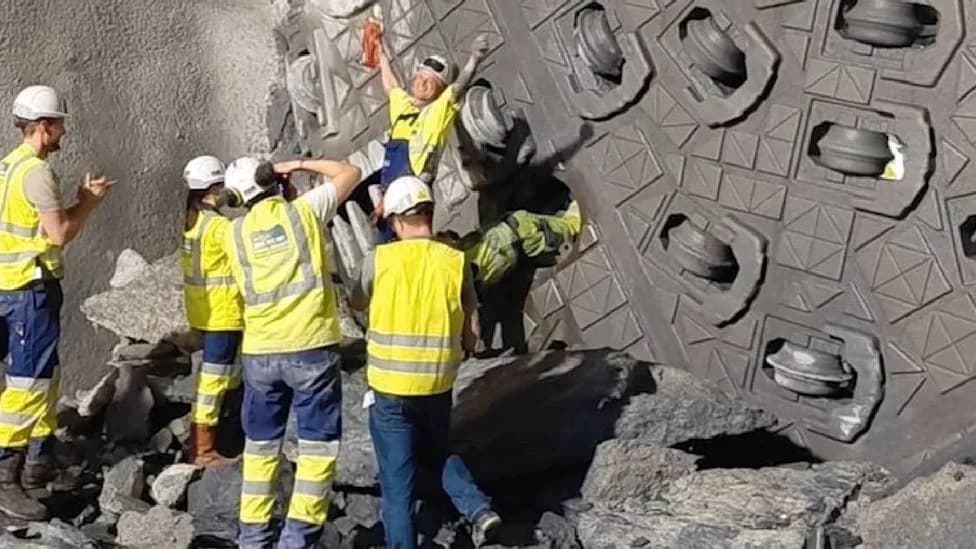
The Boring Company has worked in several U.S. sites — Las Vegas, Austin, Bastrop and Los Angeles — where tunneling encountered mostly soft soils. Nashville’s geology is different: erosion-prone limestone and mixed hard bedrock present a tougher challenge. The company has acknowledged Nashville is "a tough place to tunnel" and plans to deploy its first hard-rock boring machine here.
Experts say mastering hard-rock excavation on Earth could have downstream benefits for more ambitious goals. Middle Tennessee State University Vice Provost David Butler, who led the True Blue Mars research program, notes that living underground would likely be essential for any early human presence on Mars because of the planet’s thin atmosphere and harsh surface conditions.
From urban tunnels to the red planet
Musk and some SpaceX executives have publicly linked terrestrial tunneling to Mars ambitions. SpaceX President and COO Gwynne Shotwell has suggested The Boring Company’s expertise may be useful for creating underground habitats on Mars. Musk himself has described Mars colonization as a form of insurance for humanity, and has argued that getting good at digging could be valuable for off-world habitation.
That connection has shaped The Boring Company’s technical priorities: developing machines capable of reliably boring through varied and hard rock could be framed as a stepping-stone toward systems that could one day be adapted for extraterrestrial excavation.
What’s next for Nashville and beyond
The Music City Loop will test both new tunneling equipment and the political appetite for privately operated transit solutions. If successful, it may spur similar projects in other cities; if not, it could reinforce arguments for public investment in comprehensive transit networks. Either way, Nashville’s project serves as a concrete intersection of local mobility debates and a broader, long-term vision about where Musk’s transportation experiments might lead.
Key voices quoted: Zach Woolsey (part-time Uber driver and real estate agent), David Butler (Middle Tennessee State University Vice Provost for Research), Steve Davis (Boring Co. CEO & President), Gwynne Shotwell (SpaceX President & COO).
Help us improve.