
Overview: Elon Musk and Donald Trump have experienced a highly public, volatile relationship: initial skepticism in 2016; advisory and cooperative periods; Musk’s large financial backing of Trump in 2024; a sharp public split in mid-2025 over the 'Big Beautiful Bill'; and a gradual reconciliation later in 2025. The partnership combined political influence, private friendship and public feuding, with significant implications for policy, federal contracting and political spending.
First Buddy to Feud to Reconciliation: The Tumultuous Rise, Fall and Thaw of Elon Musk and Donald Trump’s Relationship

Musk was an early critic of Trump's candidacy.Yasin Ozturk/Getty Images
Elon Musk and Donald Trump have maintained one of the most public, unpredictable relationships in recent political history — moving from skepticism and bureaucratic advisory roles to close political alignment, a dramatic public split, and a gradual reconciliation. This timeline traces the key episodes that defined their bond from 2016 through early 2026, clarifying roles, tensions and outcomes while preserving the main facts.
Early Friction and Advisory Roles (2016–2017)
Shortly before the 2016 election, Musk publicly said he did not believe Trump was the right choice for president, praising Hillary Clinton's policy instincts on economy and the environment. After Trump won, he appointed Musk to two economic advisory councils. Musk defended his participation as an opportunity to influence climate and immigration policy, but resigned from the councils on June 1, 2017, after Trump announced the U.S. withdrawal from the Paris climate accord, tweeting: 'Climate change is real. Leaving Paris is not good for America or the world.'
Periods Of Warmth: Praise, Pandemic Support And Twitter (2020–2022)
The pair traded praise at times. In January 2020, Trump lauded Musk as a genius and applauded Tesla and SpaceX achievements. During early COVID-19 factory closures, Trump publicly supported Musk’s push to reopen Tesla production in California.
When Musk bought Twitter in October 2022, he framed restoring Trump’s account as a free-speech move. He had criticized Twitter’s 2021 decision to ban Trump after the January 6 Capitol attack and described himself as a 'free speech absolutist.' Their public relationship continued to oscillate between compliments and barbs.
Deeper Political Alignment And The 2024 Campaign
By the 2024 campaign cycle Musk became a major backer of Trump, contributing heavily through America PAC and other pro-Trump efforts — reportedly donating more than $200 million to pro-Trump super PACs. Musk frequently appeared with Trump on X (formerly Twitter), livestreamed conversations with the candidate, and publicly supported signature immigration positions, including stricter asylum requirements.
Musk’s support included visible campaign appearances: he joined Trump onstage at a high-profile October 2024 rally and campaigned alongside him during the final stretch of the race. After Trump’s election victory, he and entrepreneur Vivek Ramaswamy were announced as leaders of a White House initiative informally dubbed the Department of Government Efficiency (DOGE), a role Musk embraced publicly though court filings later noted he had no formal authority to make government decisions.
DOGE, Business Backlash And Early White House Tensions (Early 2025)
Musk’s near-constant presence at Mar-a-Lago and his high profile with DOGE provoked protests, boycotts and vandalism at Tesla dealerships. He was described in filings as a senior adviser and a 'special government employee,' limited by federal rules to a capped number of service days. In March 2025, Musk announced he would reduce his time on DOGE to spend more time on Tesla after disappointing corporate results.
The Breakover The 'Big Beautiful Bill' (May–July 2025)
Relations collapsed after Musk publicly attacked a massive bipartisan spending package known colloquially as the 'Big Beautiful Bill.' He denounced it as 'massive, outrageous, pork-filled' and a fiscal betrayal of spending restraint. Trump accused Musk of ingratitude and threatened to cancel federal contracts that Musk’s companies — including SpaceX and Tesla — rely upon. Musk retaliated on X, at one point saying he would decommission SpaceX's Dragon crew capsule if government contracts were terminated, and floated the idea of forming a new political party, later announcing the America Party in July 2025. Trump signed the spending bill on July 4, 2025.
Public Reunion, Diplomatic Dinners And A New Normal (Late 2025–Early 2026)
After weeks of hostile exchanges, the pair publicly reconciled in stages. They were photographed greeting each other at memorial events in September 2025 and later appeared together at a White House dinner with Saudi Crown Prince Mohammed bin Salman in November. Trump described their dispute as 'a stupid moment' and said he still liked Musk. Musk attended the White House dinner, posted a photo with Trump and other leaders, and later publicly supported some of the administration’s actions abroad.
Where Things Stand
The Musk–Trump relationship has threaded political support, personal friendship, and public feuding. It has produced tangible consequences — heavy political spending from Musk, high-profile advisory roles without formal authority, business backlash and threats to federal contracts, and a brief flirtation with third-party politics. As of early 2026, public interactions and shared appearances suggest a thaw, though the episode over federal spending demonstrated how quickly their alliance can turn adversarial.
Key Takeaway: The relationship has been pragmatic, transactional and volatile — defined as much by shared political goals as by business interests and individual clashes over policy.
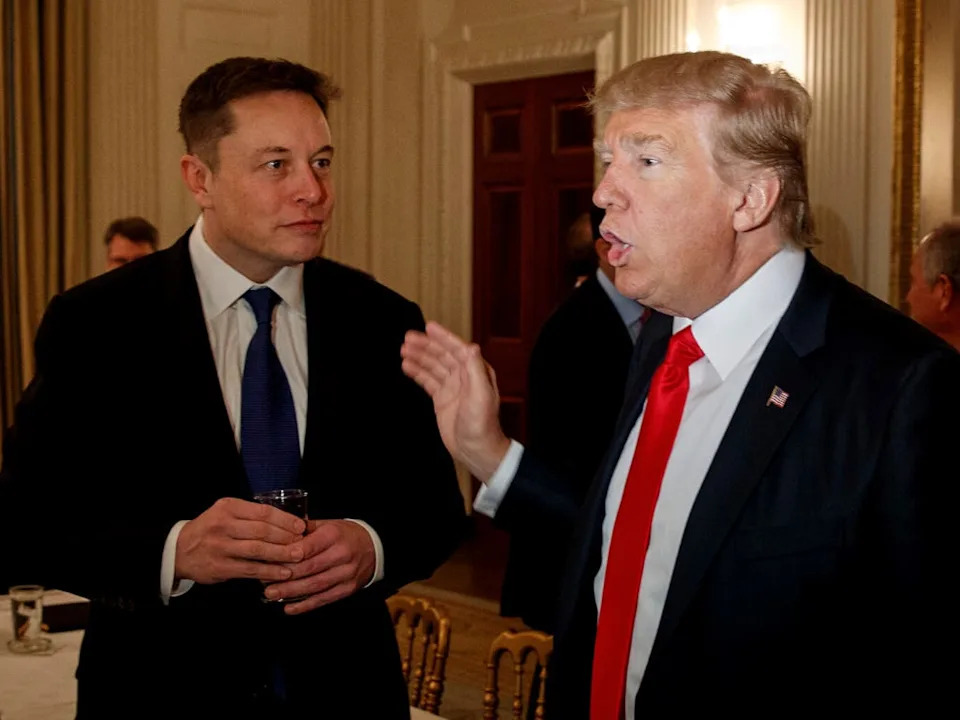
Donald Trump on Tuesday escalated his feud with Elon Musk in a series of Truth Social posts belittling the billionaire.Evan Vucci/AP Photo
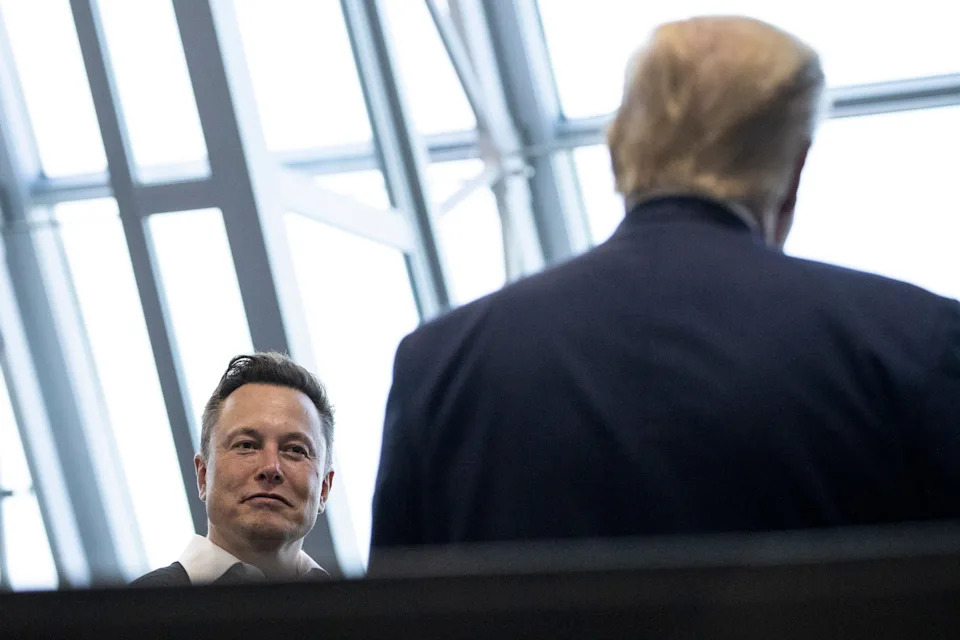
Tesla and SpaceX CEO Elon Musk and former President Donald TrumpAP Photo/Alex Brandon
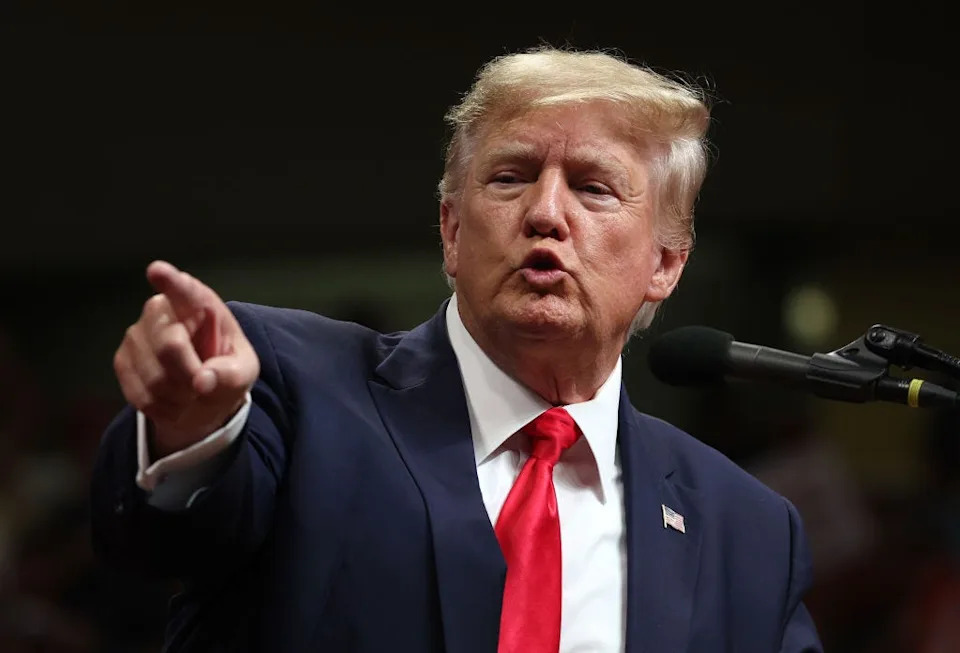
Former President Donald Trump speaks during a "Save America" rally in Anchorage, Alaska, on July 9, 2022.Justin Sullivan/Getty Images
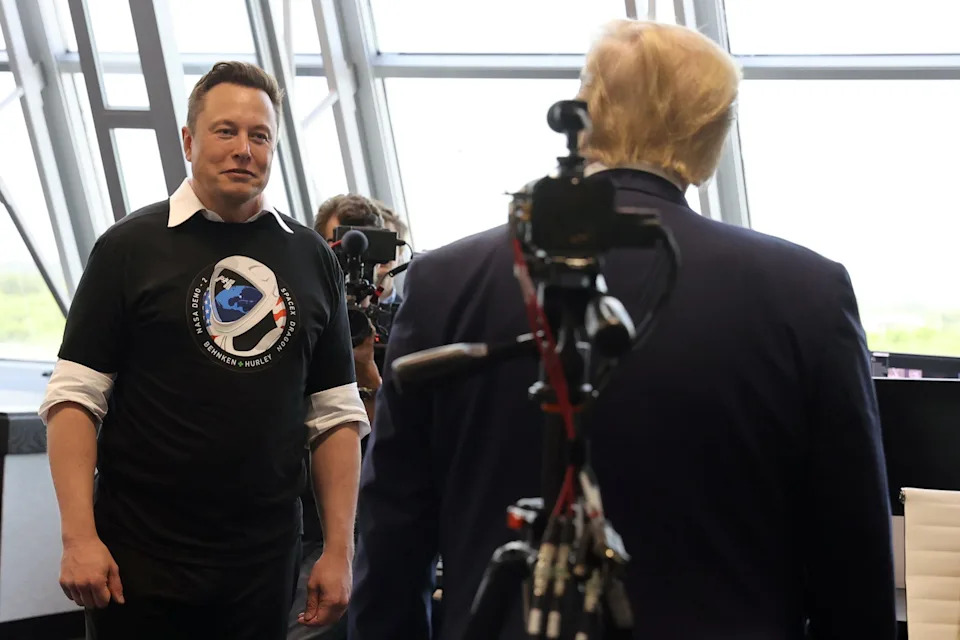
Elon Musk meets Donald Trump at NASA's Kennedy Space Center in Cape Canaveral, Florida, U.S. May 30, 2020.REUTERS/Jonathan Ernst
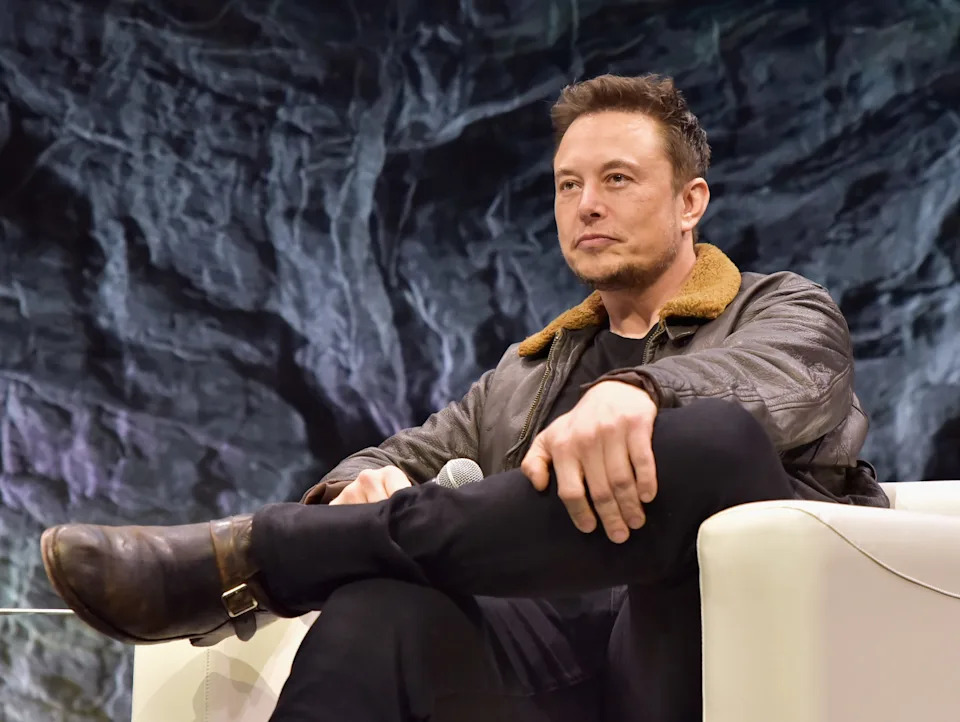
Tesla CEO Elon Musk.Chris Saucedo/Getty Images for SXSW
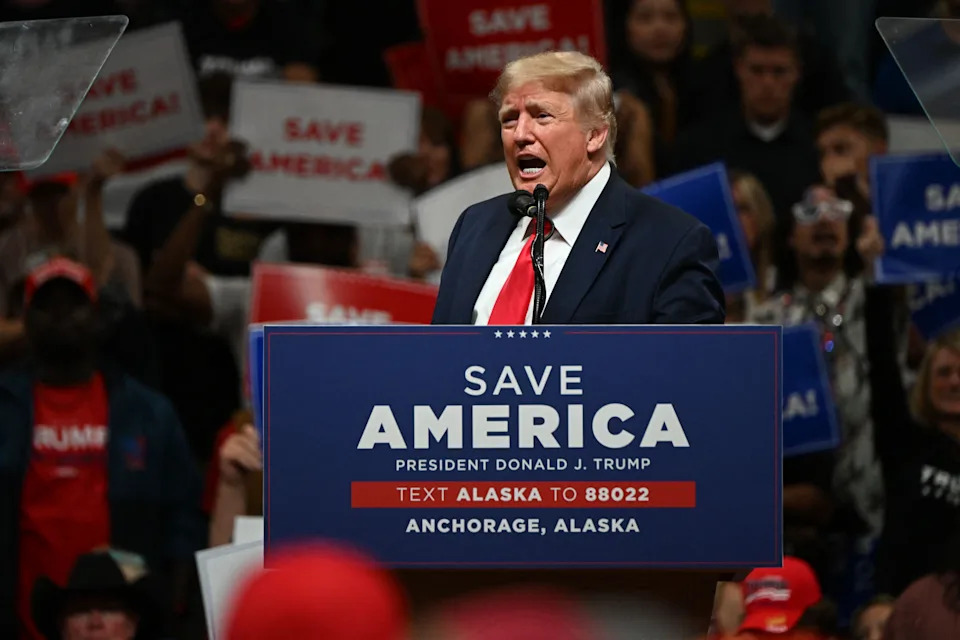
Former US President Donald Trump speaks during a "Save America" in Anchorage, Alaska on July 9, 2022Patrick T. Fallon/AFP via Getty Images
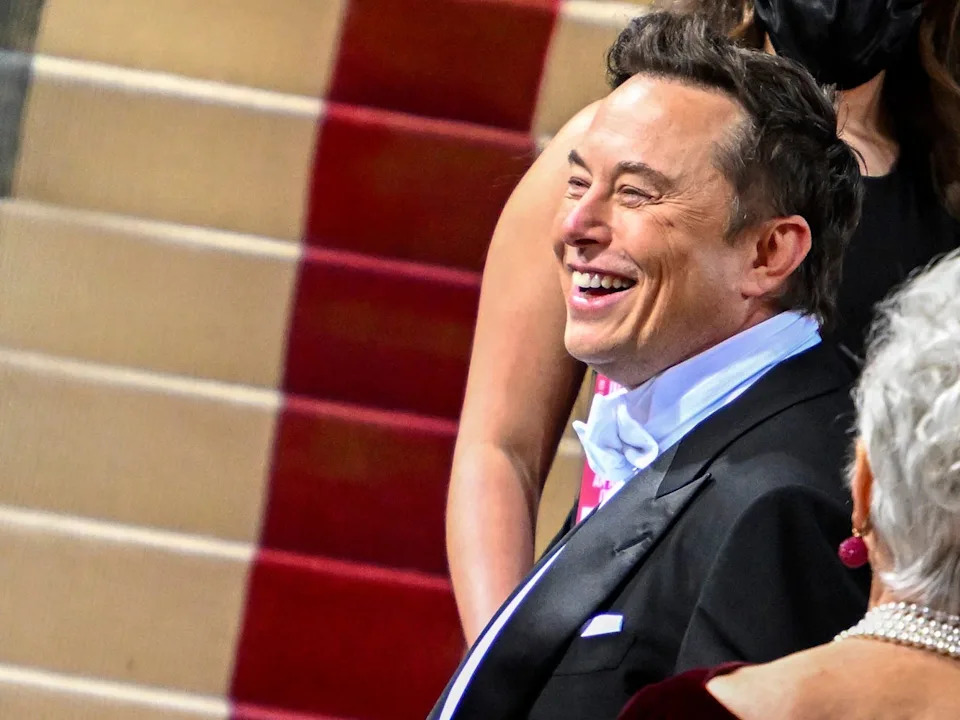
Elon Musk co-founded PayPal after his startup X.com merged with Peter Thiel's Confinity.Alexi Rosenfeld / Contributor / getty
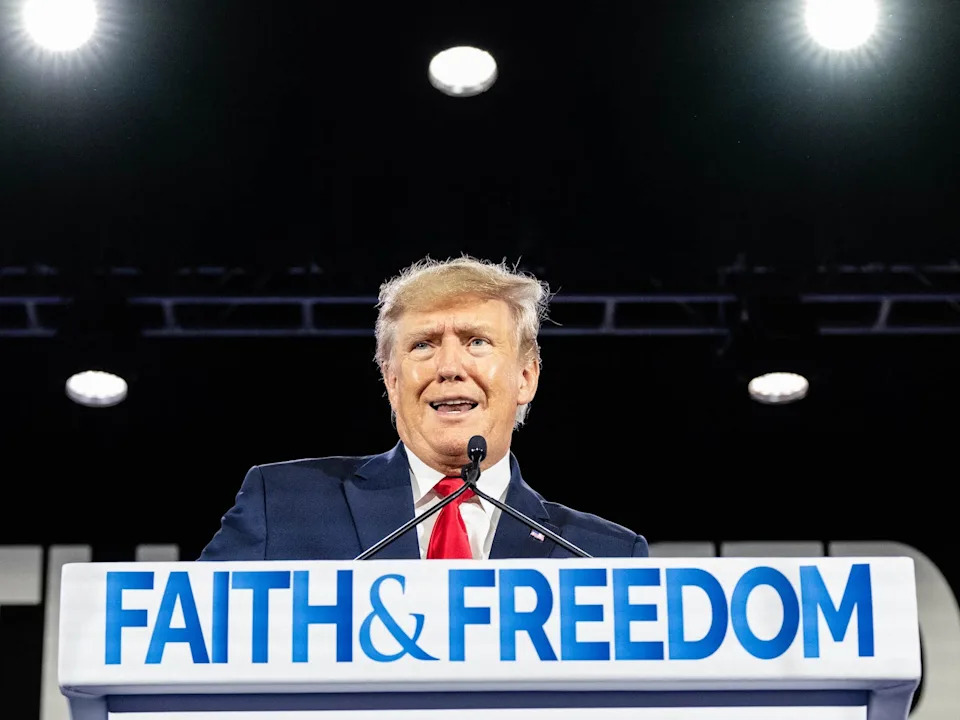
Former President Donald Trump gives the keynote address at the Faith and Freedom Coalition during their annual conference on June 17, 2022, in Nashville, Tennessee.Seth Herald/Getty Images
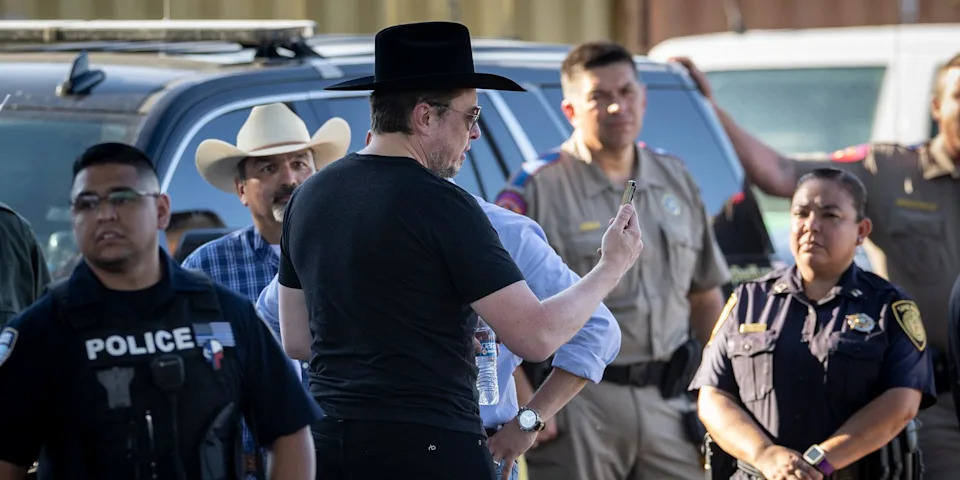
Tesla CEO Elon Musk looks into his phone as his livestreams a visit to the US-Mexico border in Eagle Pass, Texas.John Moore/Getty Images
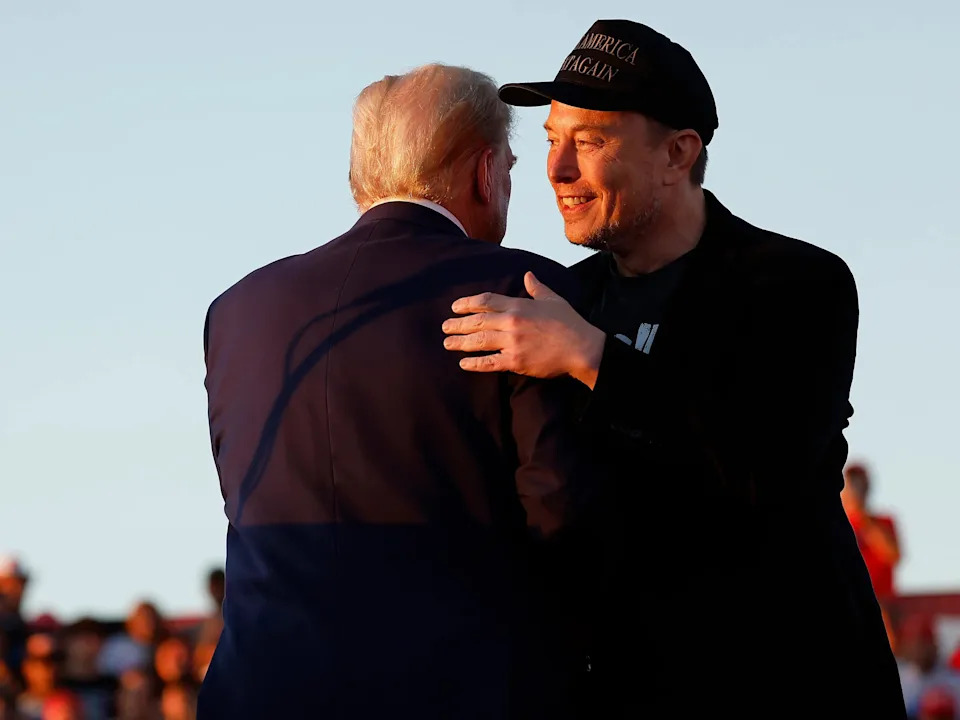
Elon Musk spoke at Donald Trump’s rally in Butler, Pennsylvania.Photo by Anna Moneymaker/Getty Images
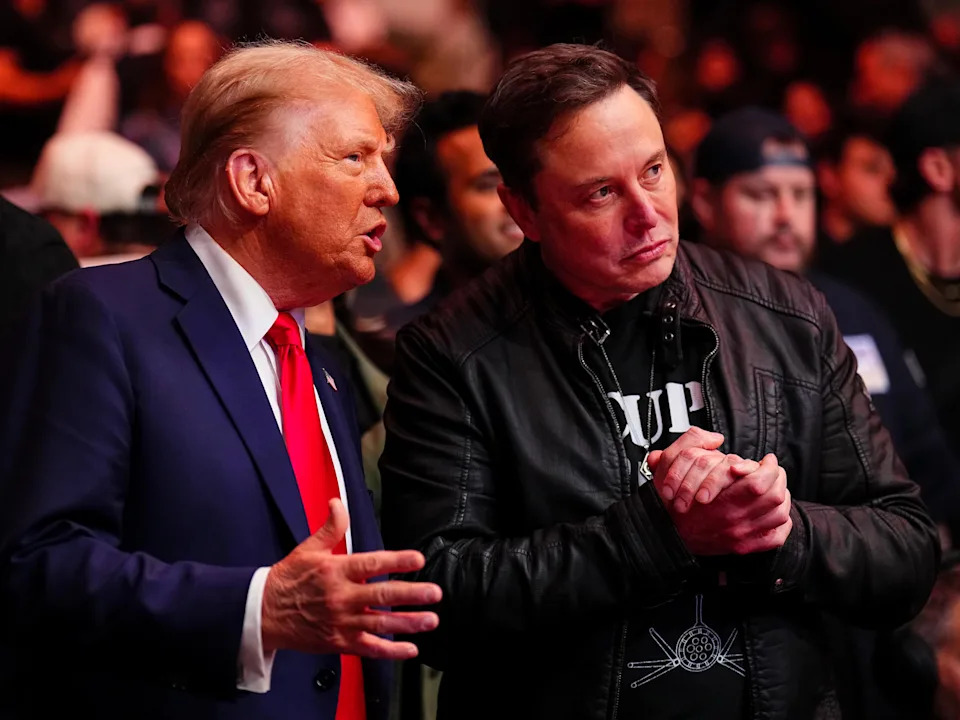
President-elect Donald Trump and Tesla CEO Elon Musk have been nearly inseparable since the election, going to social and political events together.Chris Unger/Zuffa LLC
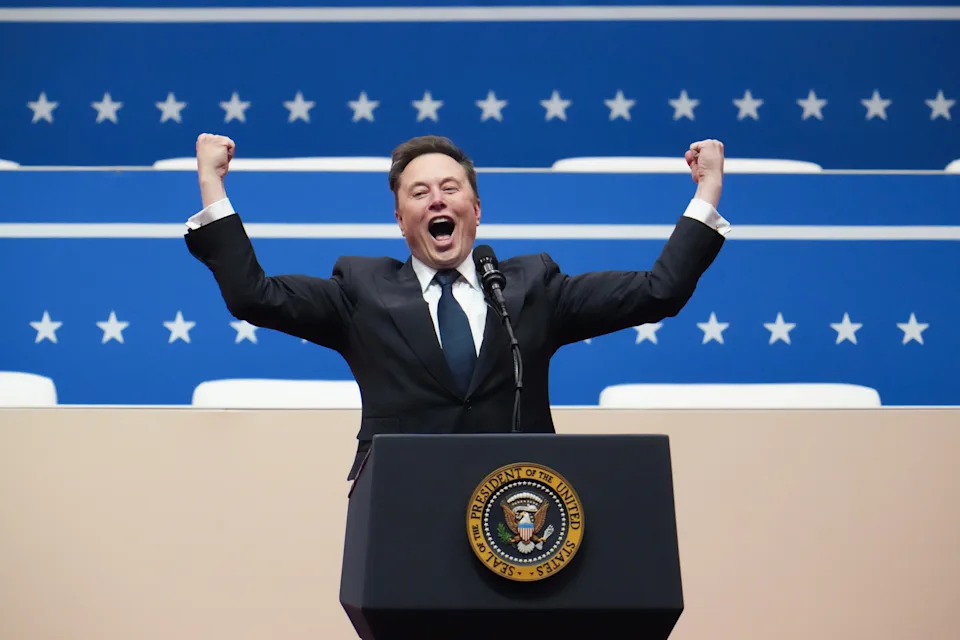
Elon Musk spoke onstage during an inauguration event at Capital One Arena.Christopher Furlong/Getty Images
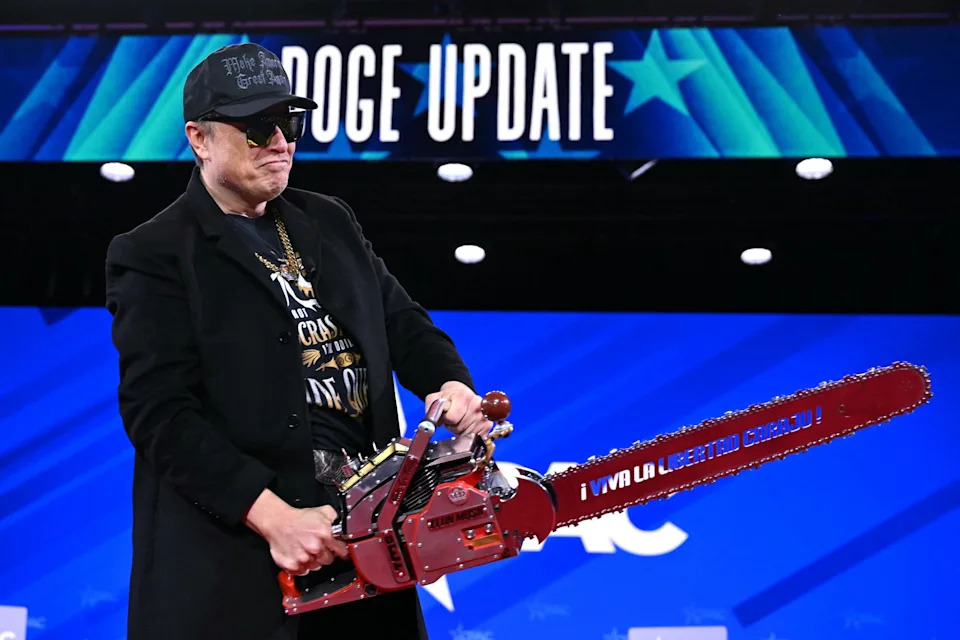
Elon Musk is undoubtedly the face of DOGE. It remains clear who exactly is running it.Saul Loeb/AFP/Getty Images
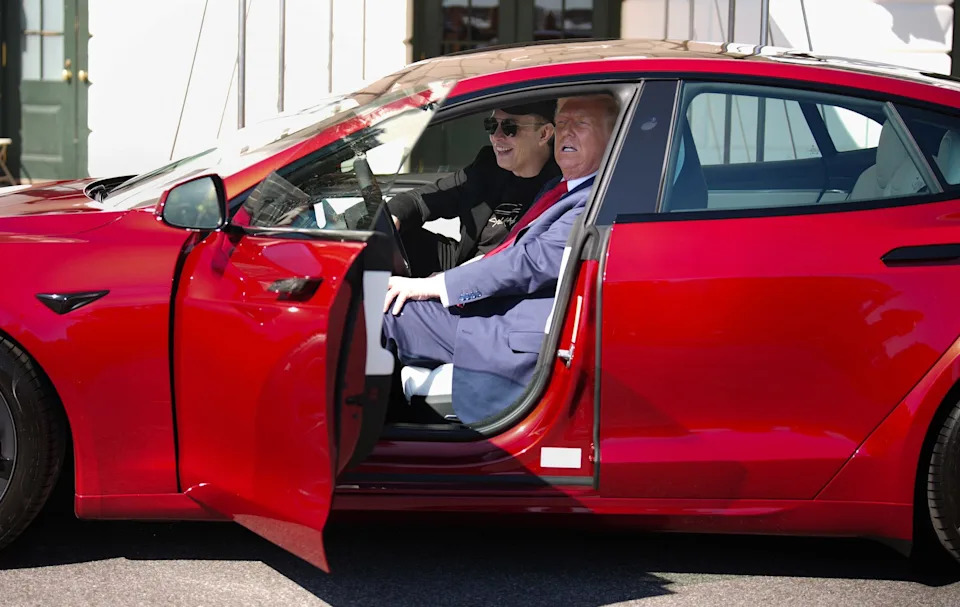
Trump and Musk sit inside a red Tesla Model S in front of the White House.Andrew Harnik/Getty Images
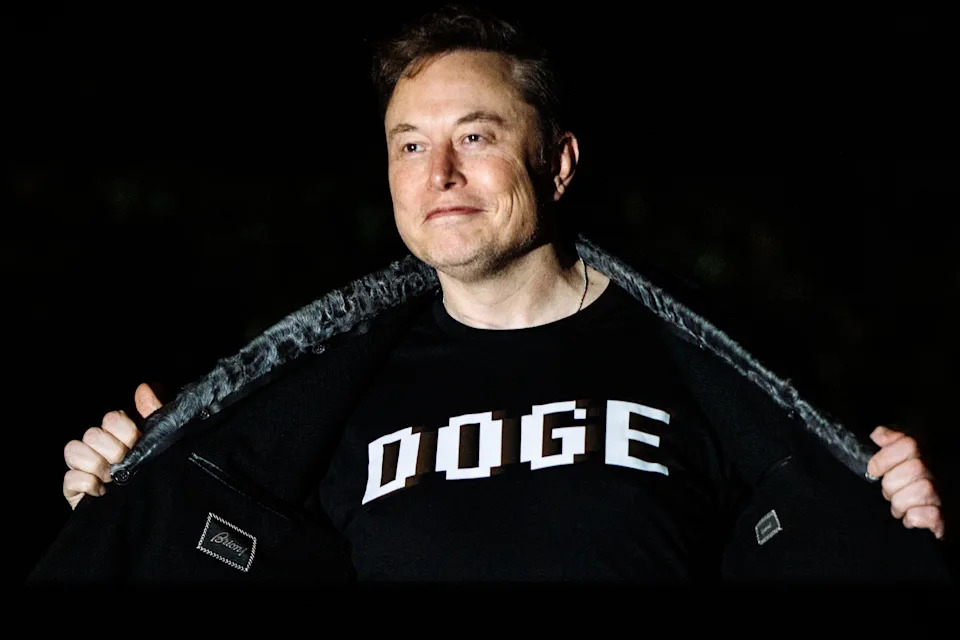
Elon Musk said DOGE isn't going anywhere and may run through the end of Trump's term in 2028.Samuel Corum via Getty Images
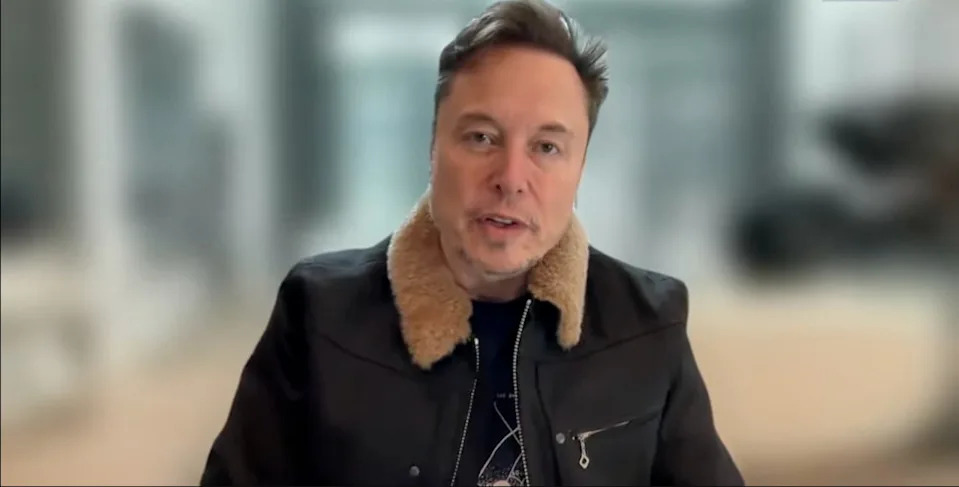
Elon Musk gave a video interview at the Qatar Economic Forum on Tuesday.Bloomberg
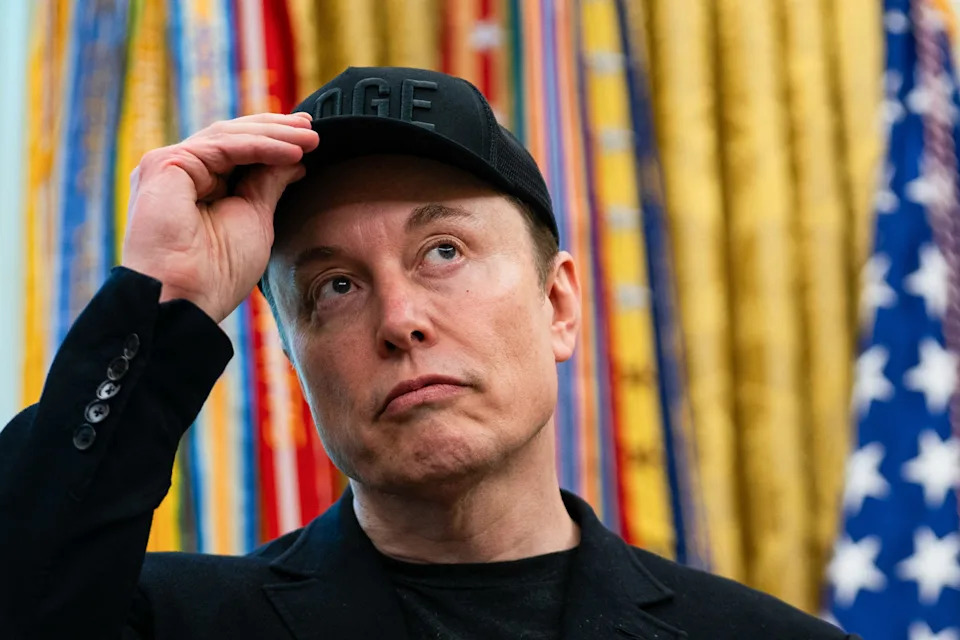
Musk spoke out against Trump's spending bill.ALLISON ROBBERT/AFP via Getty Images
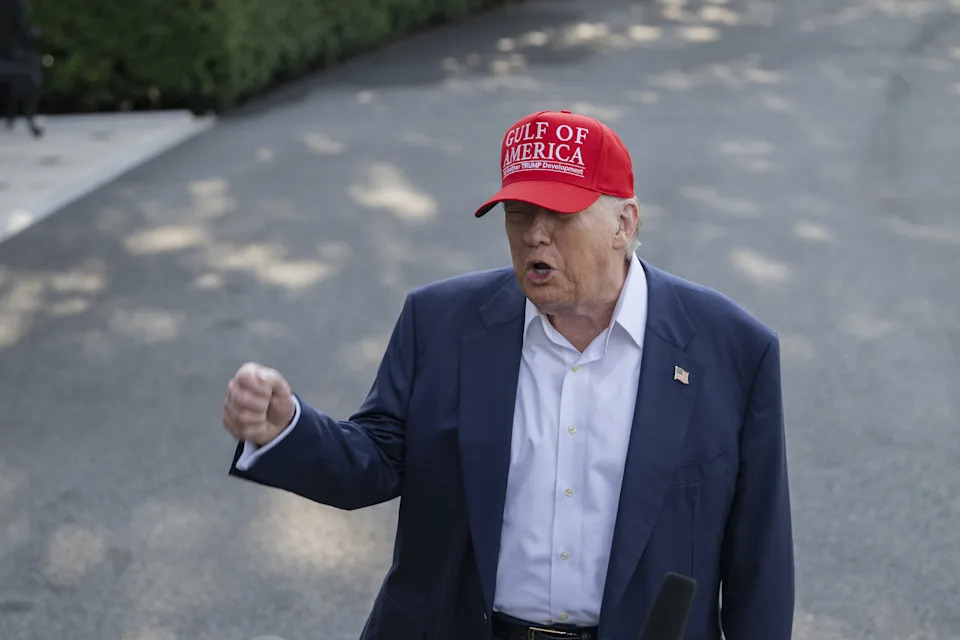
Trump discusses Elon Musk outside the White House.Celal Gunes/Anadolu via Getty Images
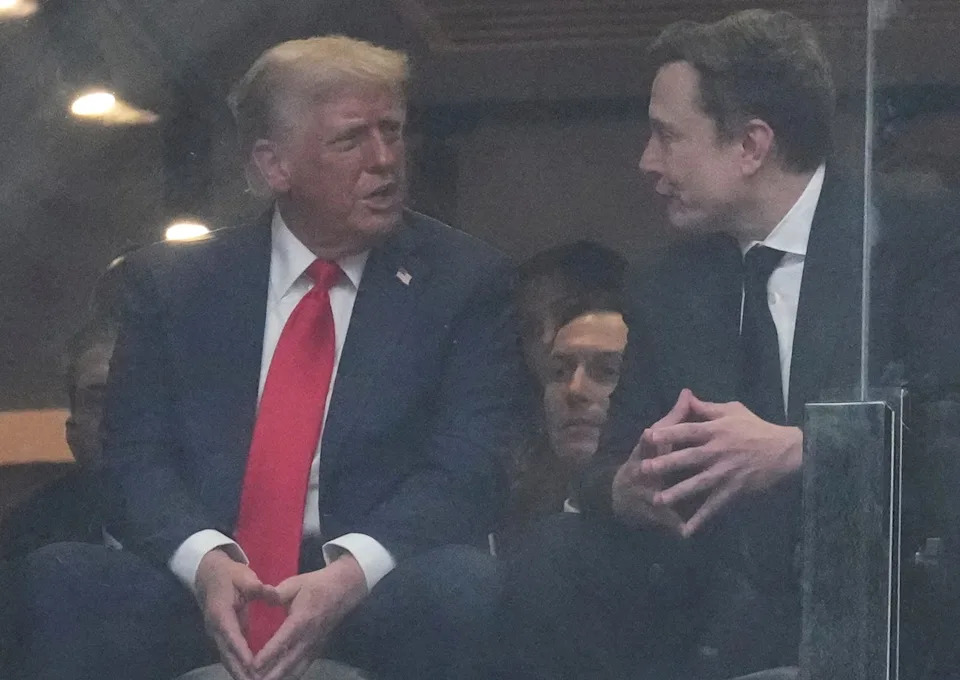
Trump and Musk reunited at Charlie Kirk's memorial service that was held at the Arizona Cardinal's stadium in Arizona.Ross D. Franklin/AP
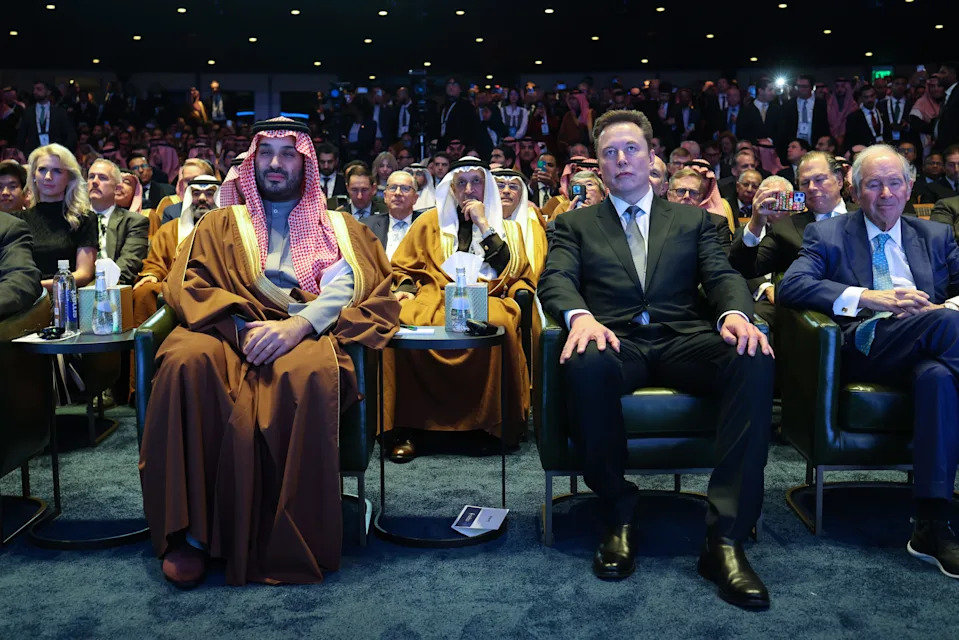
Saudi Arabia's Crown Prince Mohammed bin Salma and Elon Musk at the US-Saudi Investment Forum.Win McNamee/Getty Images
Help us improve.


