The National Treasury Employees Union asked a federal judge to compel the Trump administration to fund the Consumer Financial Protection Bureau after the agency warned it could run out of money by year’s end. The union disputes the government's claim that no Federal Reserve "combined earnings" are available to finance the CFPB and says that interpretation conflicts with the statute's text and purpose. The filing also accuses officials of attempting to evade an injunction that protects the bureau. The Supreme Court previously upheld the CFPB's funding structure.
Union Asks Court to Force Trump Officials to Fund Consumer Watchdog as CFPB Warns It Could Run Out of Cash

A federal employees' union has asked a judge to order the Trump administration to provide funding to the Consumer Financial Protection Bureau (CFPB), after the bureau warned that its cash reserves could be exhausted by the end of the year.
In a court filing, attorneys for the National Treasury Employees Union (NTEU) and other plaintiffs challenged the administration's assertion that officials lack legal authority to draw funds for the CFPB from the Federal Reserve. The union argued the government's interpretation of the statute is inconsistent with the law's text, purpose and legislative history.
The dispute comes after President Trump installed Russell Vought, his budget director, as acting head of the CFPB. Vought's attempt to remove a majority of the agency's staff is tied up in litigation, but the union says he has nonetheless curtailed much of the bureau's operations and limited its ability to function.
Unlike most federal agencies that rely on congressional appropriations, the CFPB receives funding from the Federal Reserve — a structure designed to preserve the bureau's independence from political budget fights. The administration told the court it could not seek additional money from the Fed because the statute requires funds to come from the central bank's "combined earnings," and the Fed has reported operating losses.
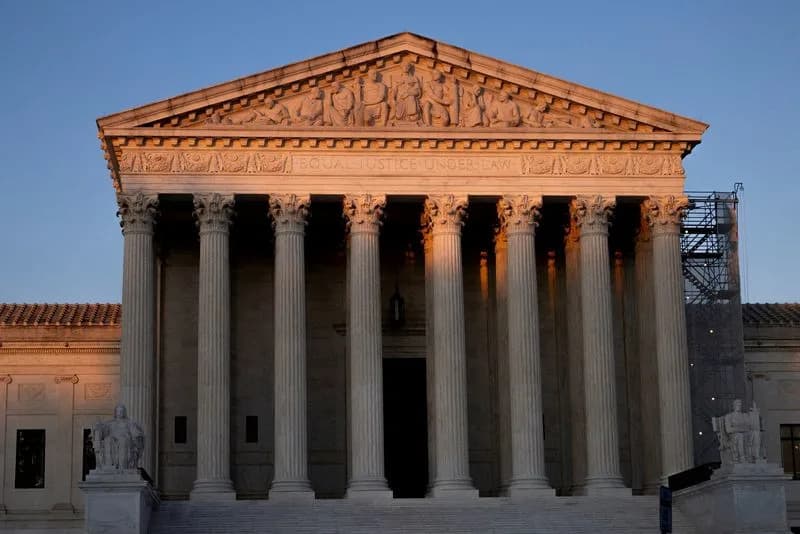
In its motion, the union countered that the government's reading of "combined earnings" cannot be reconciled with the statute and accused officials of trying to evade a prior injunction that prohibits eliminating the CFPB entirely. The U.S. Supreme Court last year upheld the constitutionality of the bureau's funding structure.
What’s next: The judge will consider the union's motion and the administration's legal defense, which could determine whether the CFPB can access Federal Reserve resources to continue its work protecting consumers.
Help us improve.