Mogadishu is undergoing a visible construction boom as improved checkpoint systems and a more professional security force coincide with a sharp drop in city attacks. Diaspora remittances and private investment are driving growth in real estate, fintech and infrastructure. However, gentrification, forced evictions and lingering insurgent threats underline the social costs and fragility of the recovery.
Mogadishu Rising: A Construction Boom Brings Opportunity — and New Risks

Mogadishu is visibly rebuilding after decades of conflict. Although pavements still bear bullet scars and many façades remain damaged, parts of the capital now echo with the clatter of construction rather than the sound of explosions.
Somalia’s long civil war of the 1990s gave way in the 2000s to an Islamist insurgency that continues to threaten large areas of the country. The United Nations reports that nearly 70 percent of Somalis are "multidimensionally poor," a measure combining education, health, living standards, access to services and social inclusion.
For roughly three million residents of Mogadishu — who are relatively insulated from fighting that persists a few hours outside the city — the skyline is changing. Builders are erecting multi-storey structures along major avenues, with masonry, steel girders and heaps of sand lining sidewalks.
On Makkah Almukarramah Avenue, a new multi-storey building with large glass windows has risen as a vivid symbol of new confidence. "For the first time in decades, people are not afraid of them shattering," said resident Habib Farah, describing the newfound willingness to invest in higher-end finishes and modern façades.
Security, checkpoints and changing threats
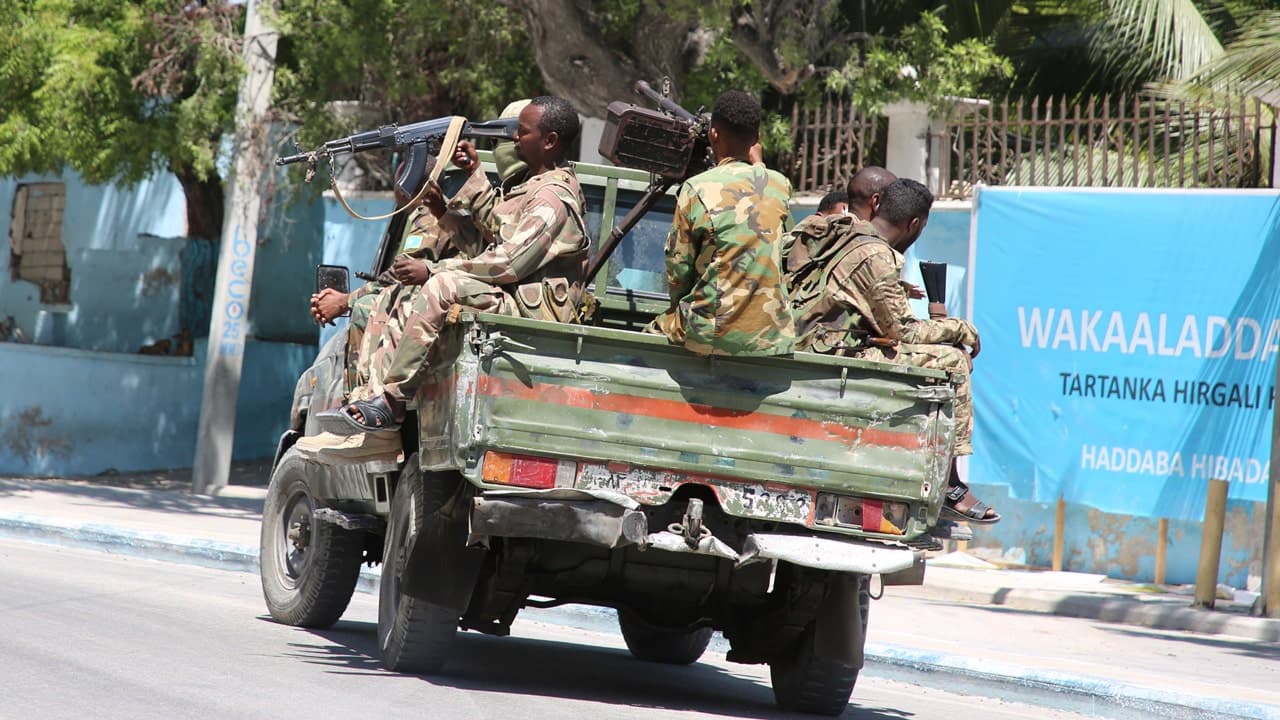
Local authorities point to a tighter system of checkpoints and professionalisation of security forces as key factors behind the economic revival. City officials say more than 6,000 buildings were constructed in the past five years, and they report that insurgent attacks in Mogadishu fell by about 86 percent between 2023 and mid-2025.
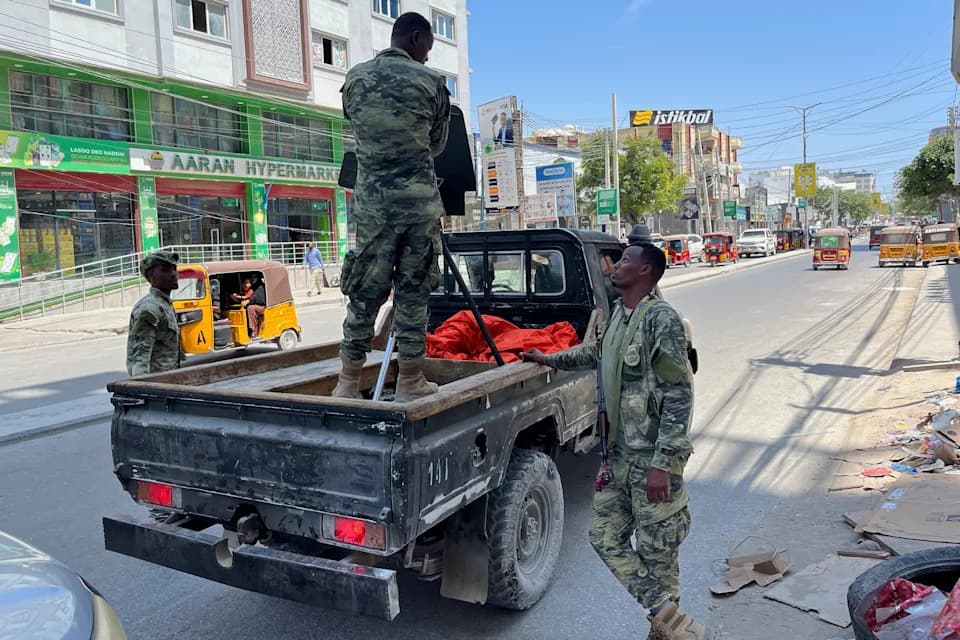
At a major approach roughly 10 kilometres from the city, security officers routinely inspect cars, tuk-tuks and trucks. Vehicles that have been outside the city for more than 20 days are often denied entry on the assessment that this interval gives attackers time to conceal explosives.
"The people of Mogadishu, they have already invested in Mogadishu and they will secure their investment," said National Security Advisor Awes Hagi Yusuf.
Nevertheless, the insurgency remains capable of high-profile strikes. In October, militants used vehicles disguised as security transports to attack a jail, freeing an uncertain number of prisoners. Such incidents underscore that the threat has not disappeared, even if it has diminished in the capital.
Money from the diaspora and private investment
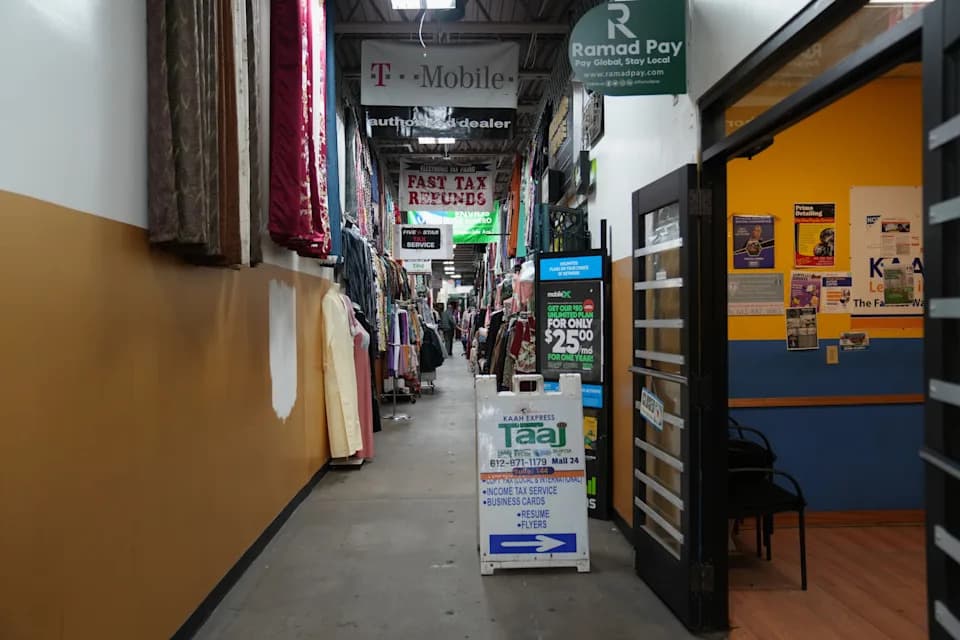
Remittances from the Somali diaspora remain a lifeline. The World Bank estimated remittances at nearly 15 percent of GDP in 2023, and official statistics indicate those flows nearly doubled over the following year — a sign of expanding commercial activity.
"The diaspora brings capital and know-how, while local businesses are scaling with bank financing," said Mohamed Gheedi, CEO of Premier Bank. He noted investment across real estate, fintech, trade and infrastructure in a fast-growing, underserved market.
Investment is shaping new sectors, from digital payments to modern housing developments. Yet the construction surge is only loosely regulated in many places, and reliable citywide statistics remain limited.
Gentrification, evictions and rising tensions
Rapid change has brought clear winners and losers. Gentrification and widening inequality are apparent: wealthier officials, investors and expatriates often enjoy improved services and security that are not available to many long-time residents.
These tensions have sometimes boiled over. In August, clashes linked to forced evictions in southern Mogadishu resulted in multiple deaths and heightened fears among residents who say they are being pushed away from schools, hospitals and basic services.
"The government is trying to project that Mogadishu is rising," said researcher Mahad Wasuge. "But who is paying the price?"
The city’s transformation presents a complex picture: rapid economic activity and visible rebuilding alongside ongoing security risks, weak regulation, and growing social strains. How authorities, investors and communities manage those trade-offs will shape Mogadishu’s next chapter.
Help us improve.