2025 was an unusual Atlantic hurricane season: three Category 5 storms, one of the strongest landfalls on record, and no U.S. hurricane landfalls. Fewer storms formed than predicted, but most intensified into major hurricanes, producing high accumulated cyclone energy. Scientists point to anomalously warm Atlantic waters and La Niña, and researchers noted several rare rapid intensification events. New forecasting tools, including Google DeepMind’s AI, performed strongly and are being integrated into operational forecasts.
‘Screwball’ 2025 Hurricane Season: Three Category 5s, Historic Rapid Intensification and No U.S. Landfalls

Researchers and forecasters called the 2025 Atlantic hurricane season “screwball” — a year of extremes and surprises. The season produced three Category 5 hurricanes, one of the strongest landfalls on record, and, surprisingly, no hurricane landfalls in the continental United States for the first time in a decade. At the same time, an unexpected lull during the season’s usual peak weeks highlighted how unpredictable hurricane activity can be even as forecasting improves.
Season overview
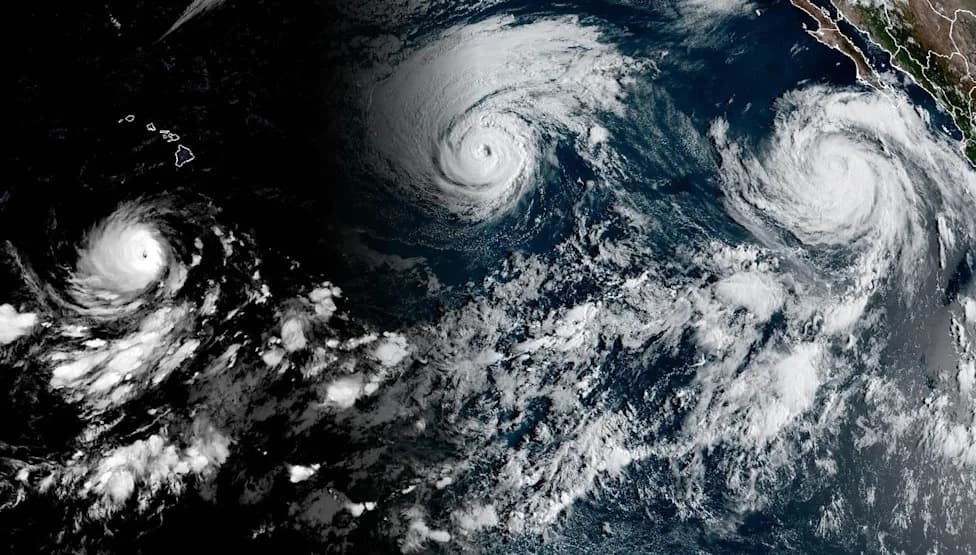
Official forecasts in May projected an above-average season, with the National Oceanic and Atmospheric Administration (NOAA) expecting six to 10 hurricanes and at least three major storms (Category 3 or stronger). Independent forecasts from researchers such as Phil Klotzbach of Colorado State University reached similar conclusions. In reality, five hurricanes formed — Erin, Gabrielle, Humberto, Imelda and Melissa — and four became major storms. Remarkably, three of those reached Category 5 intensity.
Intensity over quantity
Forecasters track season strength using accumulated cyclone energy (ACE), which combines intensity and duration. Klotzbach had forecast ACE of about 125% of the 30-year average; the season finished at roughly 108%. With relatively few storms overall, that ACE level indicates each hurricane packed exceptional power. As Klotzbach put it: “It was just a strange year — kind of a hard year to characterize.”
What drove the extremes
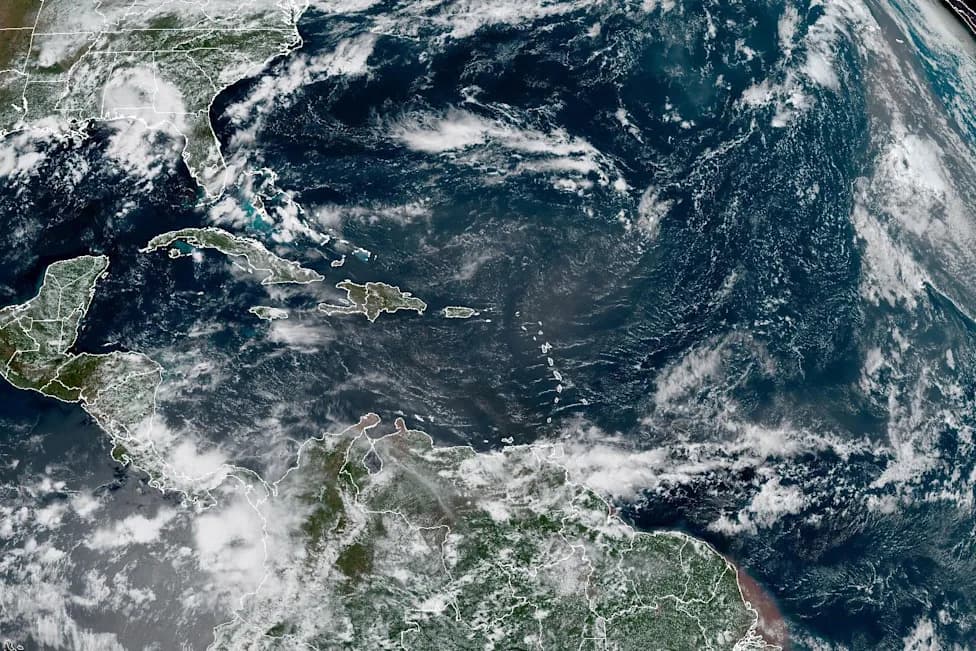
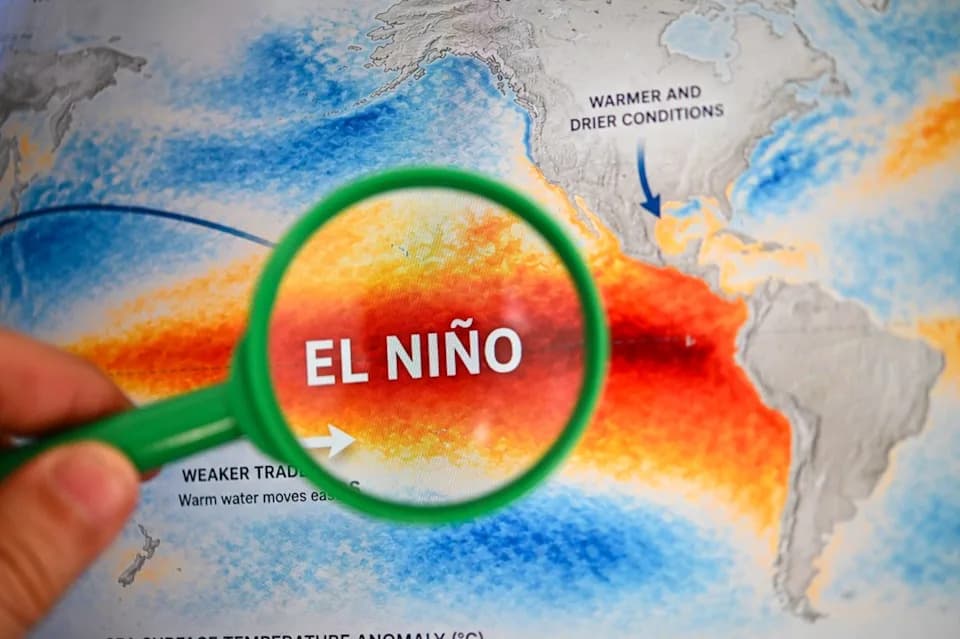
Scientists pointed to anomalously warm Atlantic sea surface temperatures and a La Niña pattern as major contributors. Warm oceans increase evaporation and convection, providing the fuel hurricanes need; experts say roughly 79°F (26°C) is a typical threshold for development. Brian McNoldy of the University of Miami described 2025 as “anomalously warm,” noting that the available ocean heat allowed several storms to intensify at extraordinary rates.
“Whatever storms were out there definitely had a lot of fuel to tap into,” McNoldy said.
Rare rapid intensification events
Several storms underwent blistering strengthening: Erin’s maximum sustained winds increased by about 75 mph in 24 hours, and Melissa surged from a tropical storm to a Category 4 hurricane in the same window — both exceptionally rapid intensification rates. Melissa also tied the 1935 Labor Day hurricane as the strongest storm on record to make landfall, with sustained winds of 185 mph and a recorded 252 mph gust.
Odd pauses and interactions
Despite warm waters, the season had an unusual quiet stretch: nothing significant formed in the Atlantic between Aug. 24 and Sept. 16 — a lull not seen since 1992. Researchers attributed last year’s and this year’s pauses to different causes: in one year storms formed too far north to intensify across the basin, while in 2025 the eastern Atlantic remained relatively stable and dry for several weeks.
Another unusual feature was the Fujiwhara interaction between storms: Hurricane Humberto, a powerful Category 5 far out in the ocean, influenced the track of Tropical Storm Imelda and helped steer it away from the U.S. coast. Klotzbach observed that without Humberto’s presence, Imelda might have become a major flooding event for the Carolinas.
Forecasting advances: AI in the mix
This season also highlighted advances in forecasting technology. National Hurricane Center products increasingly referenced Google DeepMind’s AI model after it produced early, accurate predictions of Melissa’s rapid intensification. McNoldy’s comparison of forecasting error across more than ten models found DeepMind among the top performers for track and intensity — notable for a model made public only recently.
What it means going forward
Scientists emphasize that warm oceans and variable atmospheric patterns will continue to shape seasons in complex ways. The 2025 season underscored two clear trends: stronger-than-usual storms fueled by warm water, and persistent unpredictability in timing and tracks. Improved models and new AI tools are helping forecasters, but communities must remain prepared for rapid, unexpected changes in storm behavior.
Key facts: Five hurricanes formed; four became major storms; three reached Category 5. ACE finished near 108% of the 30-year average. No U.S. hurricane landfalls occurred in 2025.
Help us improve.