The Ismoil Somoni glacier shed a section more than a mile long on October 25 near Safedobi, sliding into a ravine; authorities reported no injuries but warned of continued risk from unstable ice and rain. Scientists say the collapse reflects a larger trend: a May Science study estimates roughly 40% of glacial ice could be lost at current warming levels. The loss of glacier melt threatens drinking water, irrigation and hydropower for millions, raising risks of drought, food shortages and economic disruption.
Massive Glacier Collapse in Tajikistan Raises Alarm Over Water and Climate Risks
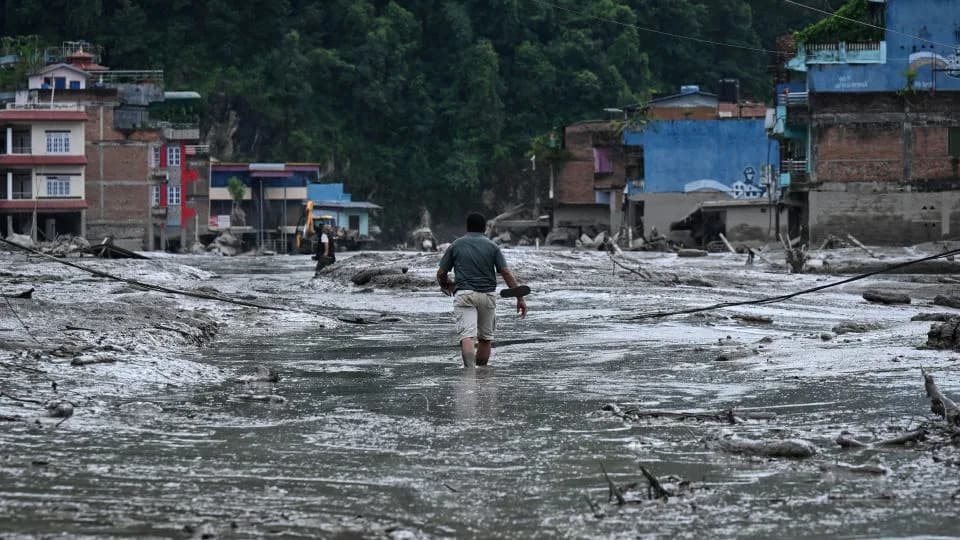
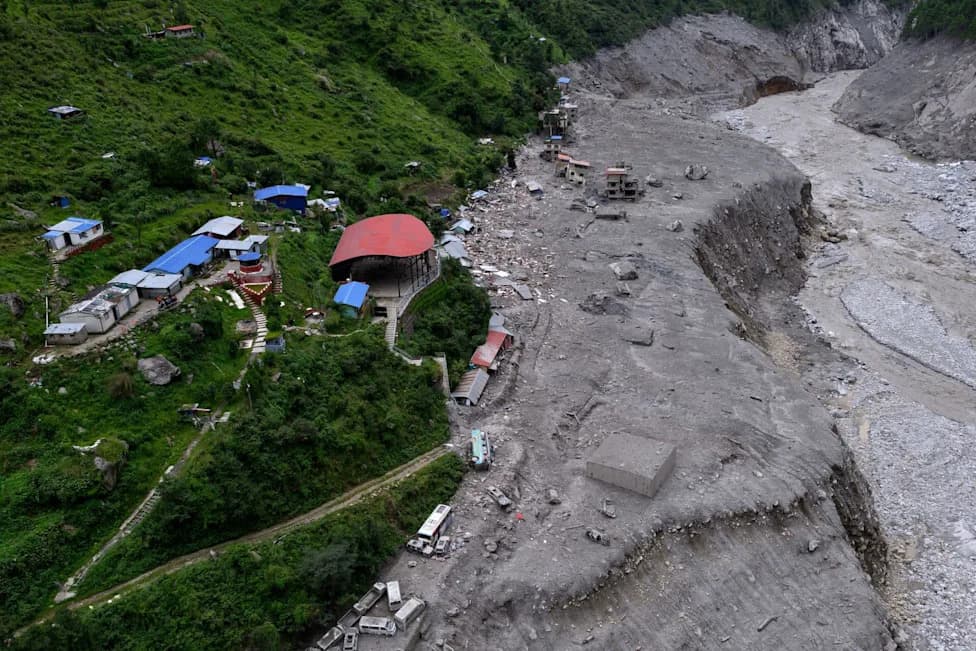
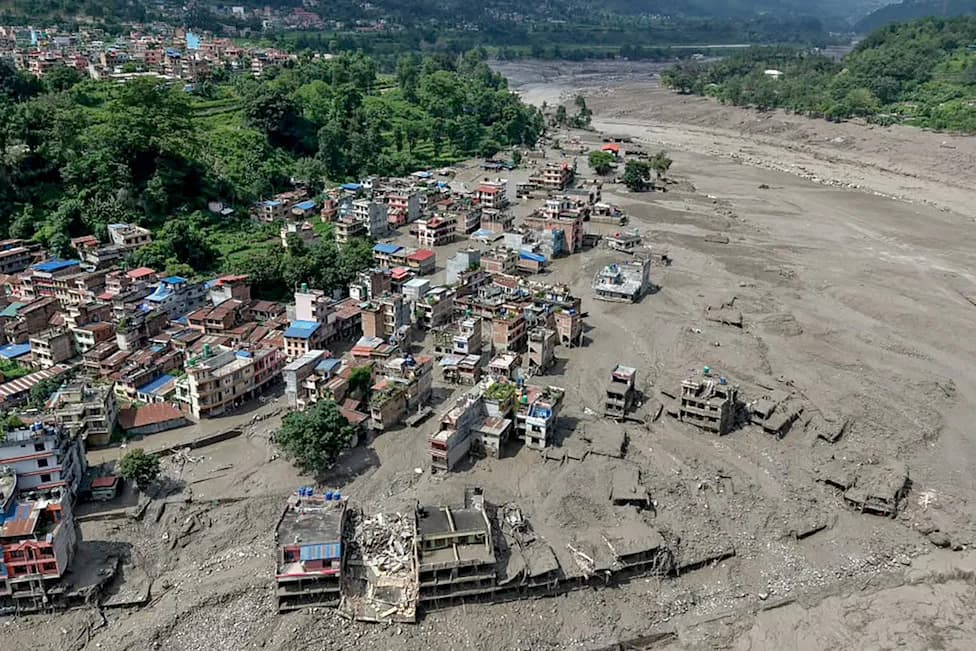
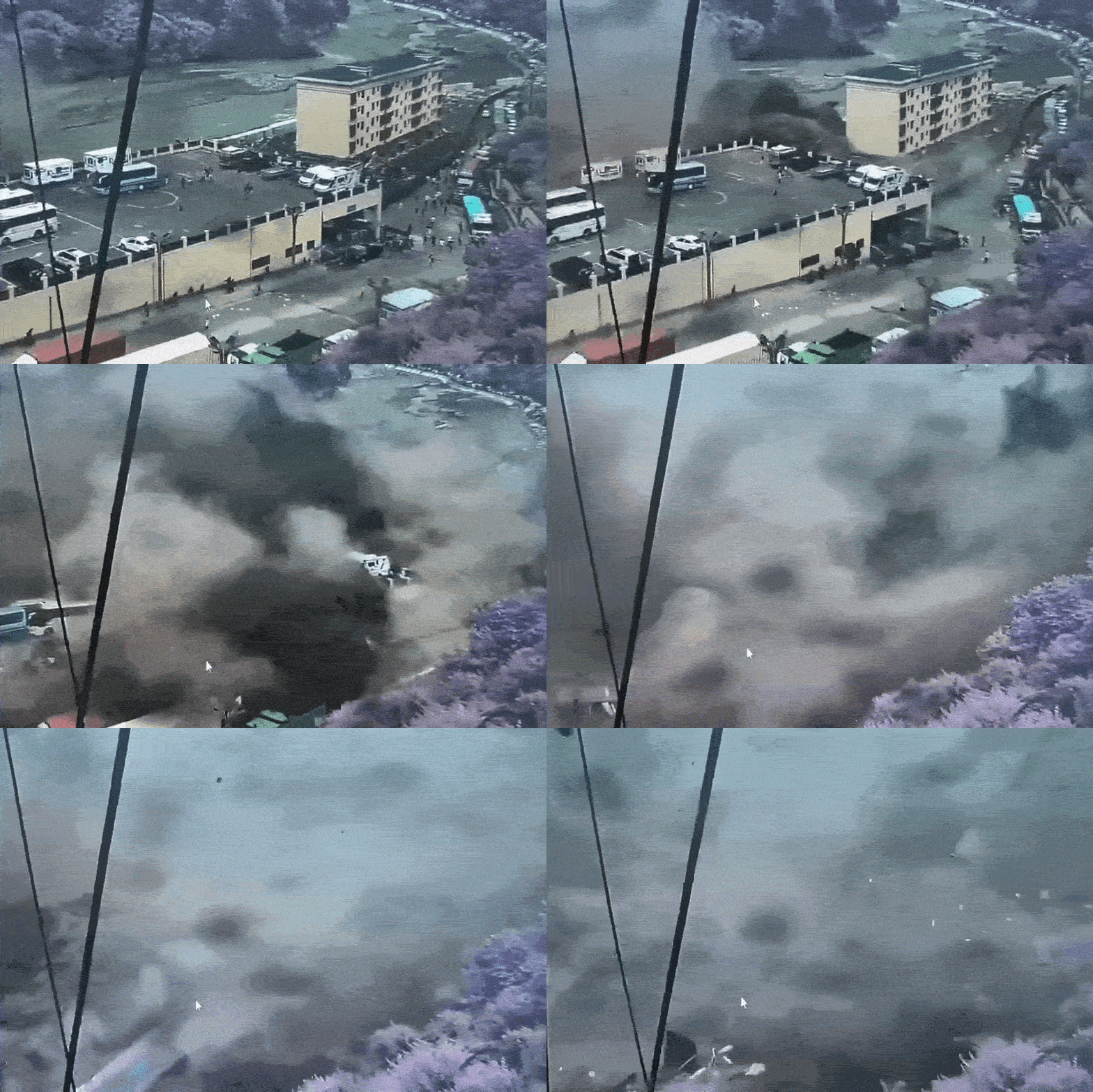
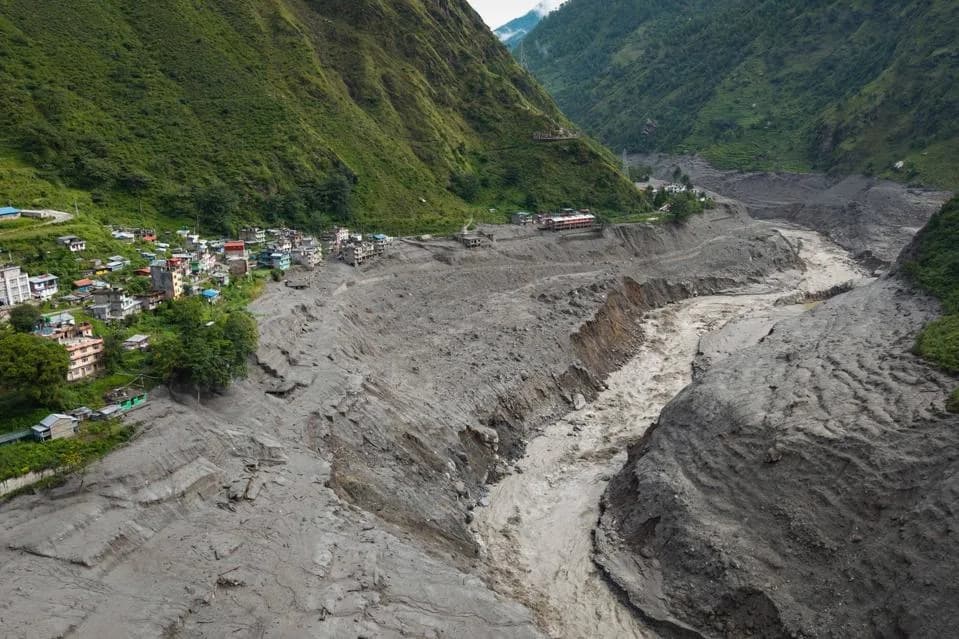
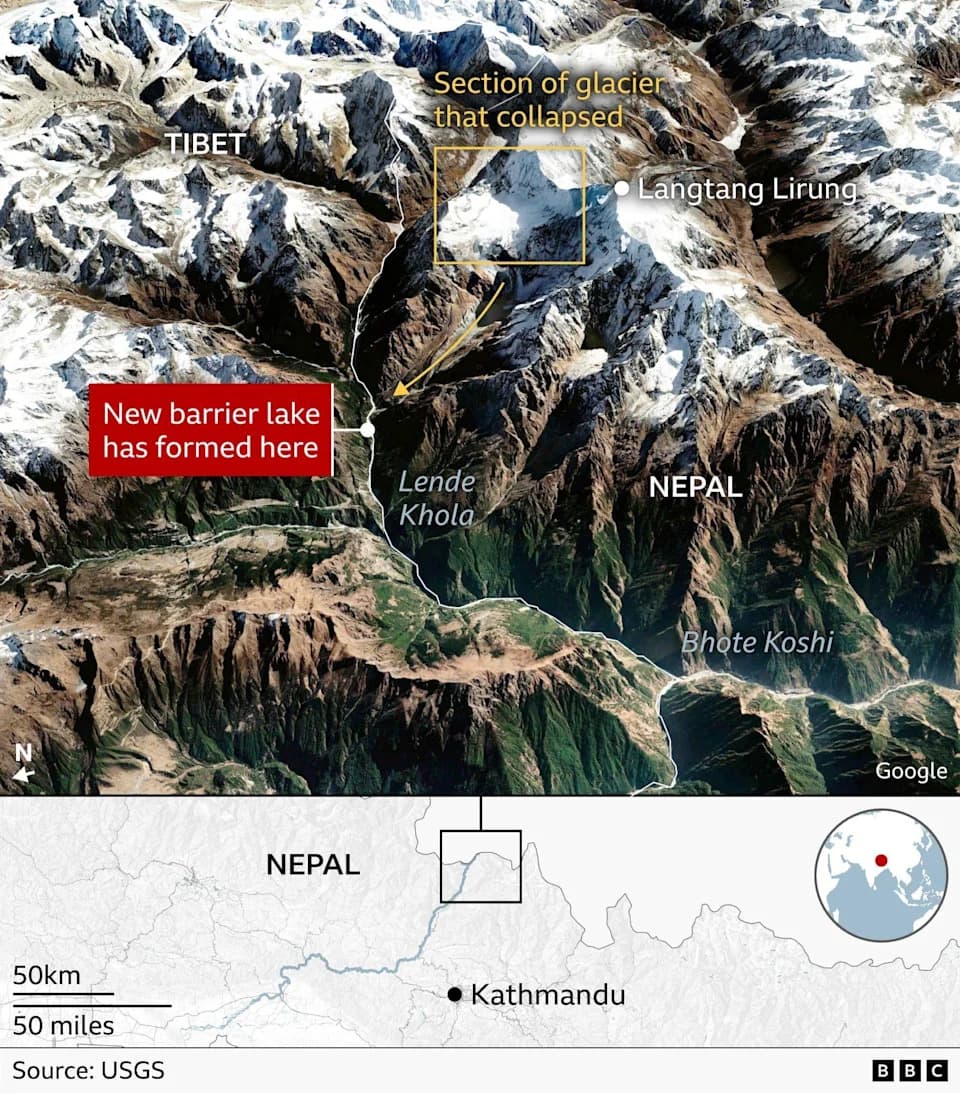
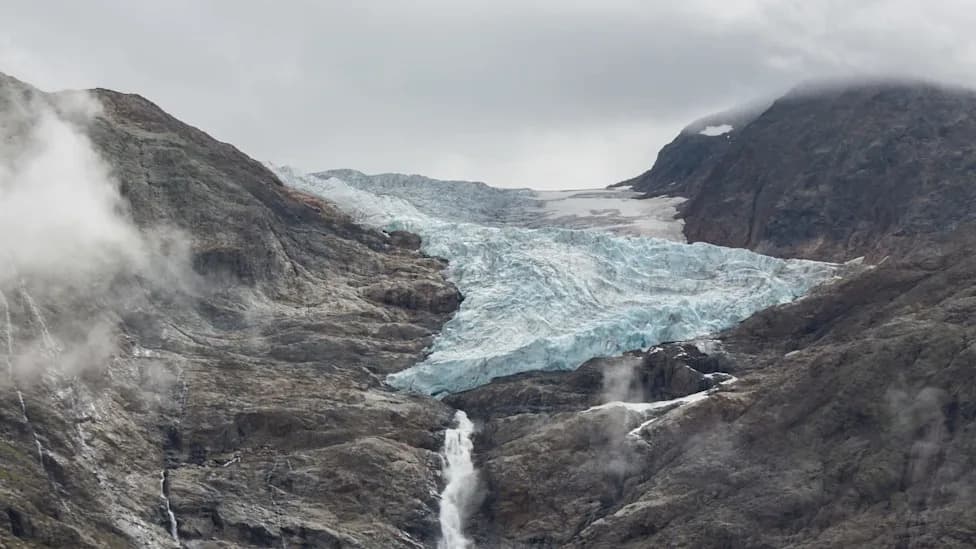
On October 25, a section of the Ismoil Somoni glacier more than a mile long broke away near the village of Safedobi and plunged into a ravine. Authorities reported that by mid-afternoon the immediate danger had been stabilized and there were no injuries or major structural damage, but officials warned that the risk was not over.
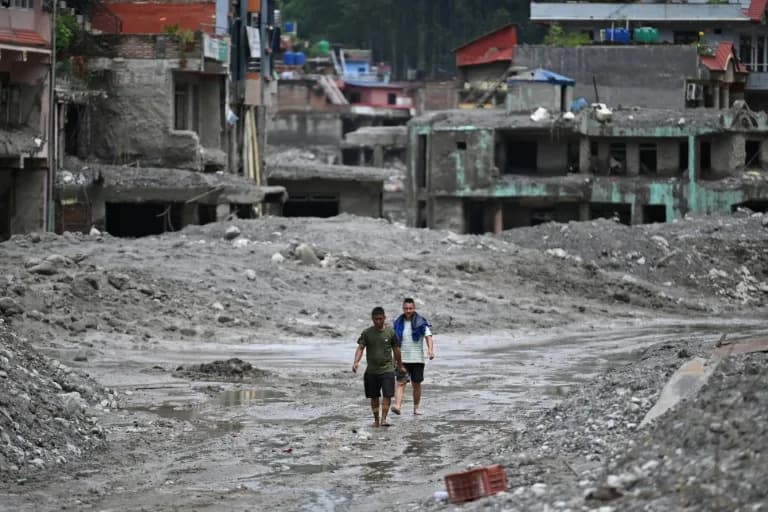
Emergency teams issued alerts for downstream farming communities, particularly in the Gulrez area, because remaining unstable ice and forecast rain could trigger further collapses that would damage crops, irrigation channels and roads.
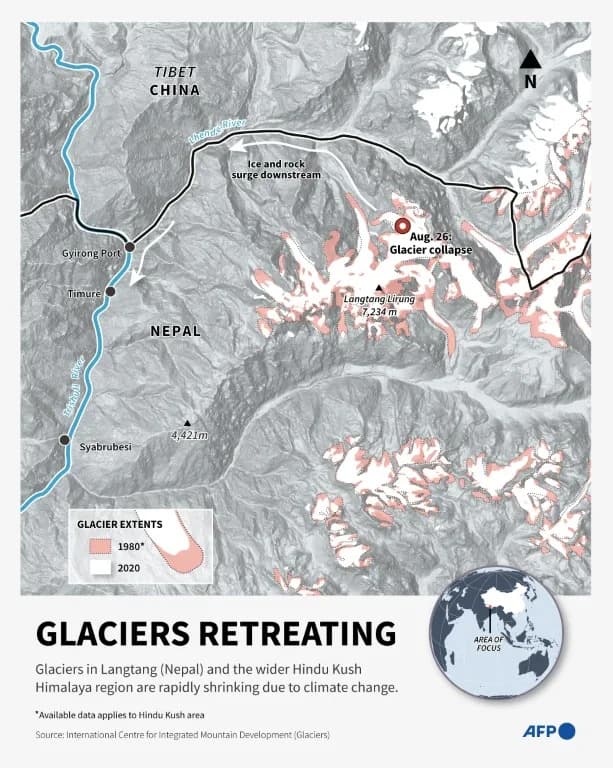
Why this matters: Scientists say the collapse fits a broader pattern of accelerating glacier loss. A May study in Science warns that at current warming rates the planet could lose roughly 40% of its glacial ice, though aggressive cuts in greenhouse gas emissions could spare some glaciers.
The immediate hazard from a collapsing glacier wall is catastrophic: falling ice and debris can destroy settlements, infrastructure and farmland and put lives at risk. Beyond those acute dangers, glacier retreat threatens the seasonal meltwater that millions depend on for drinking water, irrigation and hydropower—especially in Central Asia—raising the likelihood of drought, food shortages and economic strain.
Rising temperatures also amplify extreme weather. Decades of research show that human-caused warming is making storms, floods and heat waves generally stronger and more frequent, which can compound risks to communities already coping with reduced glacier runoff.
As mountain ice melts, downstream regions face not only water scarcity but also disruptions to food systems and heightened disease and pest risks, since warmer and wetter conditions allow pathogens and insects to expand their ranges.
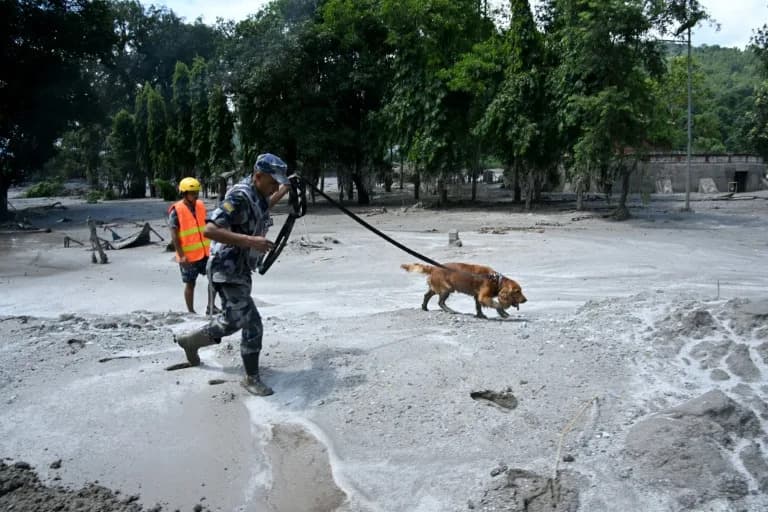
Local emergency services remain on high alert, monitoring the glacier and preparing for possible agricultural impacts. The incident is a reminder that even remote mountain events can have wide-ranging consequences for food security, energy supplies and regional economies.
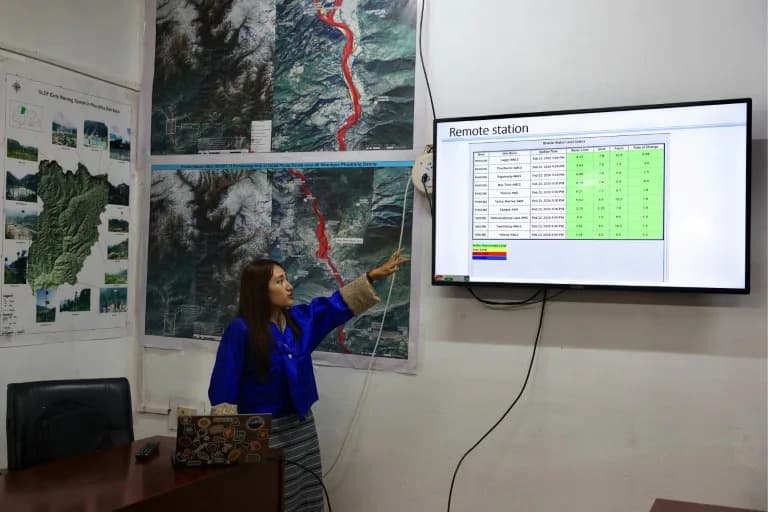
What can be done: Policymakers should prioritize early-warning systems, glacier and hydrological monitoring, strengthened river and irrigation infrastructure, and water-management cooperation across basins. Individuals and communities can support emissions reduction—such as electrifying transport and buildings and choosing lower-carbon foods—and back local resilience projects like green infrastructure and upgraded water systems. Collective action can reduce future risks even from distant events like this collapse.
Help us improve.