Tatiana Schlossberg, 35, disclosed that she has acute myeloid leukemia with a rare Inversion 3 mutation and that doctors say she may have less than a year. Diagnosed soon after the May 2024 birth of her second child, she has undergone clinical trials and two transplants. Her essay reflects on the personal and family toll of the diagnosis, public-health concerns she links to policy changes, and her efforts to spend meaningful time with her husband and two young children.
Tatiana Schlossberg, JFK’s Granddaughter, Discloses Terminal Leukemia Diagnosis

Tatiana Schlossberg, the 35-year-old granddaughter of President John F. Kennedy, has revealed that she has been diagnosed with acute myeloid leukemia with a rare genetic change known as Inversion 3 and that doctors estimate she may have less than a year to live.
Diagnosis and treatment
Schlossberg wrote in a personal essay that clinicians first noticed an abnormal white blood cell count about ten minutes after she delivered her second child in May 2024. She was soon diagnosed with acute myeloid leukemia. She has since undergone several clinical trials and two stem-cell transplants at Memorial Sloan Kettering in New York, and her care team has told her they may be able to keep her "alive for a year, maybe."
Family and emotional toll
Schlossberg — the second of Caroline Kennedy and Edwin Schlossberg's three children — described the shock and heartbreak of receiving the diagnosis while caring for a newborn and an older son. She wrote about the heavy feeling of adding another sorrow to a family that has long endured public tragedies.
"I had a son whom I loved more than anything and a newborn I need to take care of," she wrote, describing the sudden collision of motherhood and illness.
Her essay reflects on the Kennedy family’s losses across generations, including the assassination of her grandfather, President John F. Kennedy, in 1963, the 1968 assassination of her uncle Robert F. Kennedy, the 1994 death of Jacqueline Kennedy Onassis, and the 1999 plane crash that killed John F. Kennedy Jr.
Policy concerns and public health
Schlossberg also raised concerns about recent policy changes she believes have affected medical research and patient care. She wrote that actions taken by her cousin in public office have resulted in reduced funding for certain research programs and the cancellation of some grants and clinical trials — developments she fears could limit access to lifesaving care. She also noted that doctors used misoprostol to control postpartum bleeding, and she expressed concern about debates over that medication’s availability.
Personal reflections
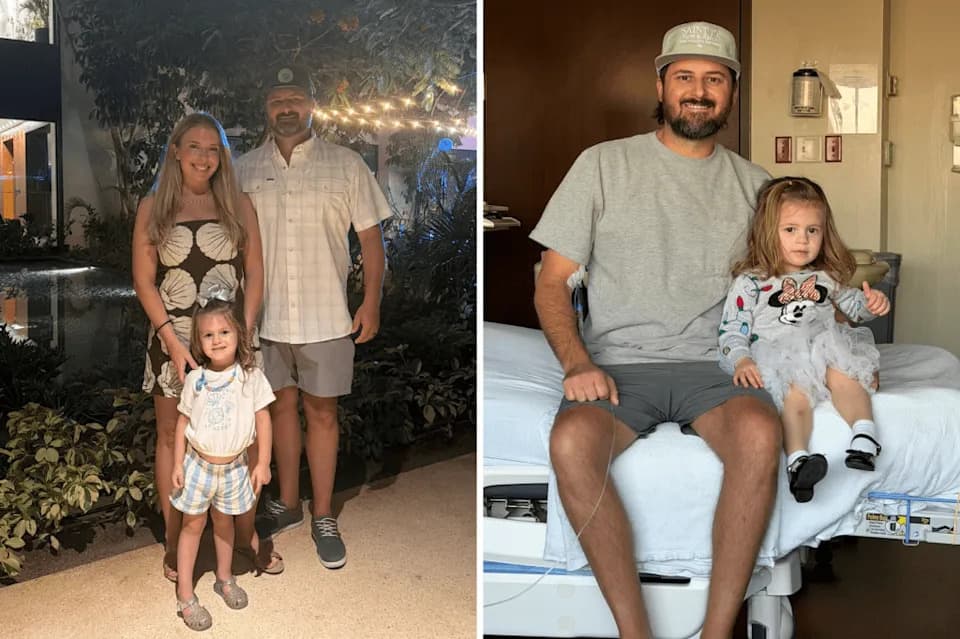
Much of the essay is intimate and personal: Schlossberg describes her love for her husband, Dr. George Moran, and the pain of imagining her children growing up without her. She wrote that she is trying to live in the present and collect memories she hopes will stay with her family after she is gone.
"Mostly I try to live and be with them now," she wrote. "Sometimes I trick myself into thinking I'll remember this forever, I'll remember this when I'm dead."
Schlossberg's essay has prompted an outpouring of support from family and friends who have urged readers to cherish their loved ones and appreciate the present.
Help us improve.