Tatiana Schlossberg, daughter of Caroline Kennedy and Edwin Schlossberg, died on Dec. 30 at 35 after a public battle with acute myeloid leukemia she revealed in a New Yorker essay. Diagnosed after the birth of her second child, she underwent chemotherapy and bone-marrow transplants; her sister Rose donated stem cells. Schlossberg wrote candidly about family support, fears for her children’s memories, and criticism of Robert F. Kennedy Jr.'s public-health actions. A Yale graduate with a master’s from Oxford, she was an environmental journalist who planned ocean-conservation research.
Tatiana Schlossberg, Kennedy Granddaughter and Environmental Writer, Dies at 35

JFK Library Foundation/InstagramTatiana Schlossberg died on Dec. 30 at the age of 35
Tatiana Schlossberg, the middle child of Caroline Kennedy and Edwin Schlossberg, died on Dec. 30 at age 35, her extended family announced via the JFK Library Foundation's social channels.
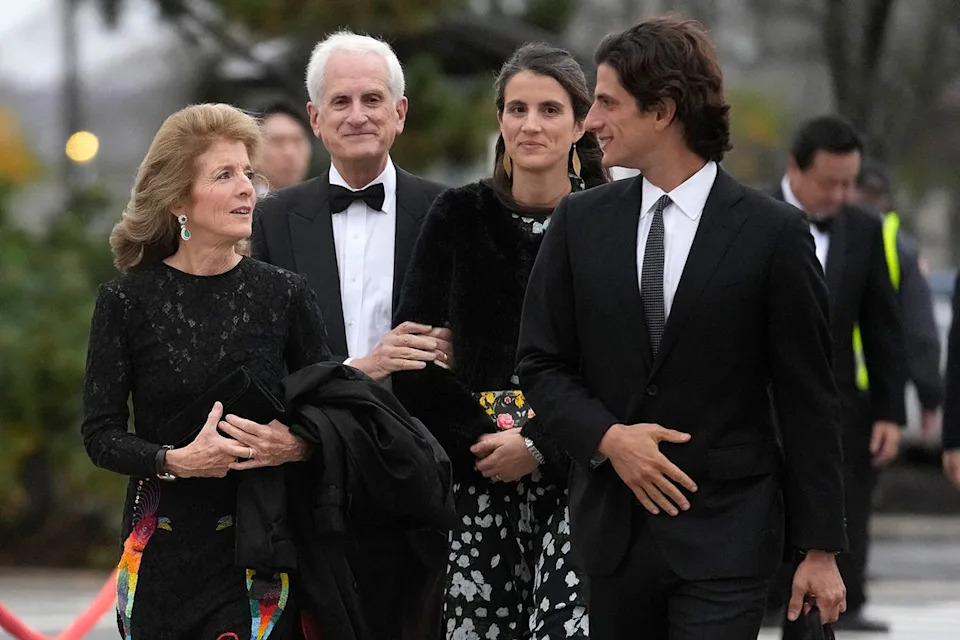
AP Photo/Steven SenneCaroline Kennedy, Edwin Schlossberg, Tatiana Schlossberg and Jack Schlossberg attend a JFK Profile in Courage Award ceremony on Oct. 29, 2023
The family's post read, "Our beautiful Tatiana passed away this morning. She will always be in our hearts," and was signed by relatives including George and Josephine Moran, Edwin and Caroline Schlossberg, and her siblings Jack and Rose.
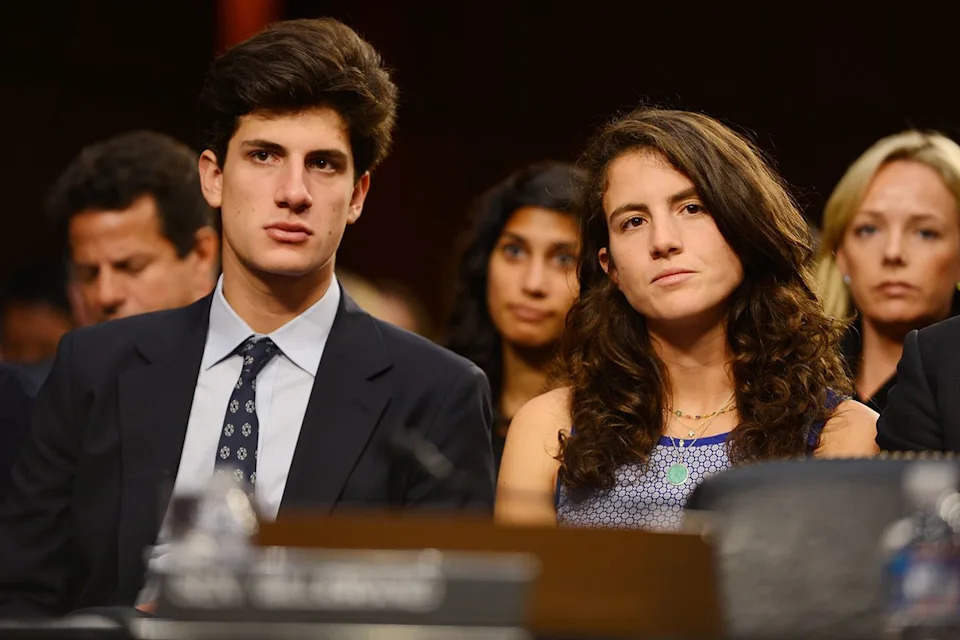
ImageCatcher News Service/Corbis via GettyJack and Tatiana Schlossberg watch their mother, Caroline Kennedy, be questioned by the Senate as the nominee for U.S. Ambassador to Japan on Sept. 19, 2013
Schlossberg publicly disclosed in a New Yorker essay in November 2025 that she had been diagnosed with acute myeloid leukemia. Doctors discovered the disease while she was hospitalized after giving birth to her second child, a daughter. Schlossberg and her husband, George Moran, whom she married in 2017, are also parents to a son.
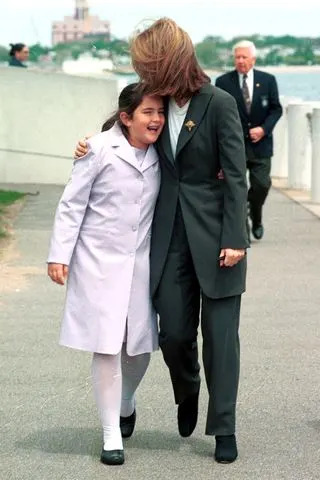
Darren McCollester/NewsmakersCaroline Kennedy hugs daughter Tatiana outside the JFK Library on May 22, 2000
Describing the shock of the diagnosis, she wrote, "I did not — could not — believe that they were talking about me." Her treatment course included chemotherapy and bone-marrow transplants, and her older sister Rose was a compatible donor who provided stem cells for a transplant. Her brother Jack was a half-match and remained deeply involved, repeatedly asking clinicians whether a half-match might still help.

Chip Somodevilla/GettyCaroline Kennedy and her children, Rose, Tatiana and Jack Schlossberg, onstage at the 2008 Democratic National Convention
"[My family has] held my hand unflinchingly while I have suffered, trying not to show their pain and sadness in order to protect me from it. This has been a great gift, even though I feel their pain every day," Schlossberg wrote.
Schlossberg placed her illness in the longer arc of her family history: her mother Caroline was five days shy of her sixth birthday when President John F. Kennedy was assassinated, and decades later the family lost John F. Kennedy Jr. in a plane crash. In her essay, Schlossberg expressed deep anguish at having brought new sorrow to that legacy. "For my whole life, I have tried to be good... Now I have added a new tragedy to her life, to our family’s life, and there’s nothing I can do to stop it," she wrote.
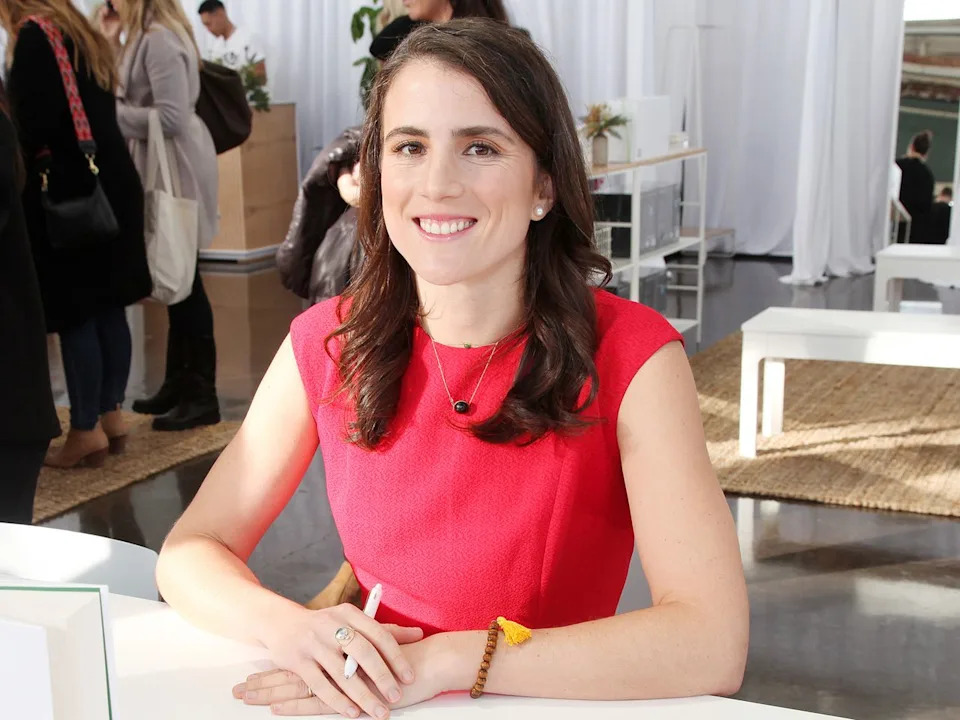
Amber De Vos/GettyTatiana Schlossberg at a book signing in 2019
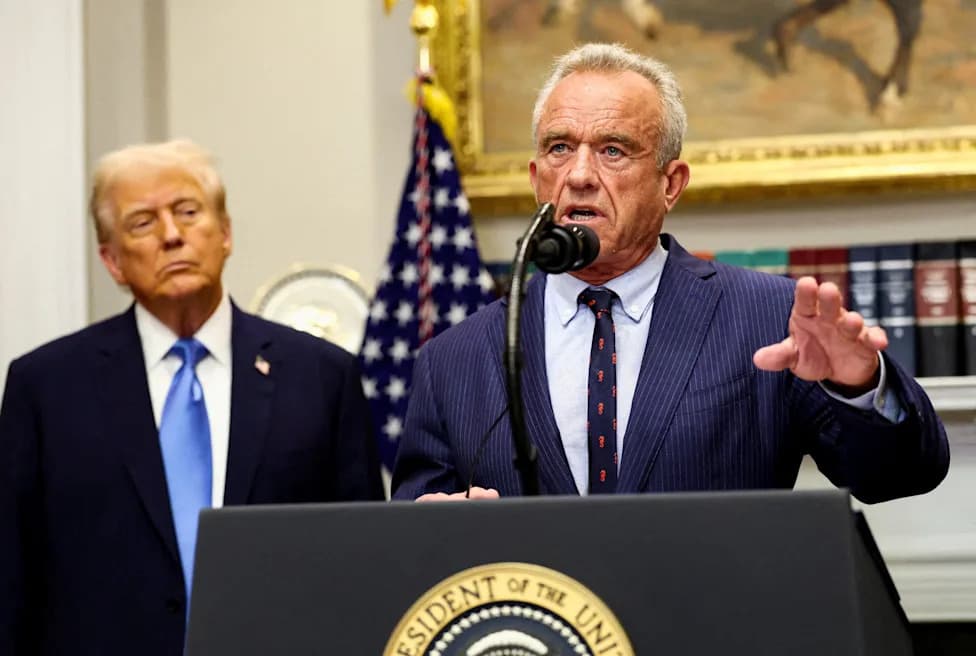
She also criticized her relative Robert F. Kennedy Jr., who she said was confirmed as President Donald Trump's pick for secretary of health and human services while she was undergoing treatment. From her hospital bed, she described being alarmed by policy decisions she believed threatened medical research and public-health structures, citing cuts to mRNA vaccine research, reductions in NIH funding, and challenges to expert advisory panels.
Early in her diagnosis she suffered a severe postpartum hemorrhage that nearly killed her. She credited a medication that saved her life — a drug that is also used in some medical abortions — noting it was, "at Bobby’s urging," under review by the Food and Drug Administration at the time. "I freeze when I think about what would have happened if it had not been immediately available to me," she wrote.
Throughout her illness, Schlossberg emphasized the daily care and love of her family. She described her husband’s devotion: he would go home to put their children to bed and then return to bring her dinner. "He is perfect, and I feel so cheated and so sad that I don’t get to keep living the wonderful life I had with this kind, funny, handsome genius I managed to find," she wrote.
After a doctor told her she might have "a year, maybe" to live, Schlossberg’s greatest worry was how her children would remember her. She feared her daughter would have few sustained memories and that her son’s recollections might blend with photos and stories told later.
Schlossberg held a BA in history from Yale and a master’s in American history from the University of Oxford. She wrote frequently about the environment and had planned research into ocean conservation before her illness. She told readers she reminded her son that she was a writer and someone who cared about the planet so that he would remember more than just her time being sick.
"Mostly, I try to live and be with them now," she wrote. "But being in the present is harder than it sounds, so I let the memories come and go."
Tatiana Schlossberg will be remembered for her writing, her commitment to environmental issues, and the fierce devotion of the family who cared for her through a public and deeply personal illness.
Help us improve.