The author, a chronic pain patient and CEO of a national pain nonprofit, warns that language quietly added to a federal spending bill would cap intoxicating THC at 0.4 mg per container and effectively ban most full‑spectrum hemp products. She argues the limit was inserted without hearings and would override state protections, removing an important treatment option for millions. The author urges science‑based regulation — age limits, third‑party testing and clear labeling — instead of a blanket ban.
Losing Access — Congress’s 0.4 mg THC Cap Could End Full‑Spectrum Hemp

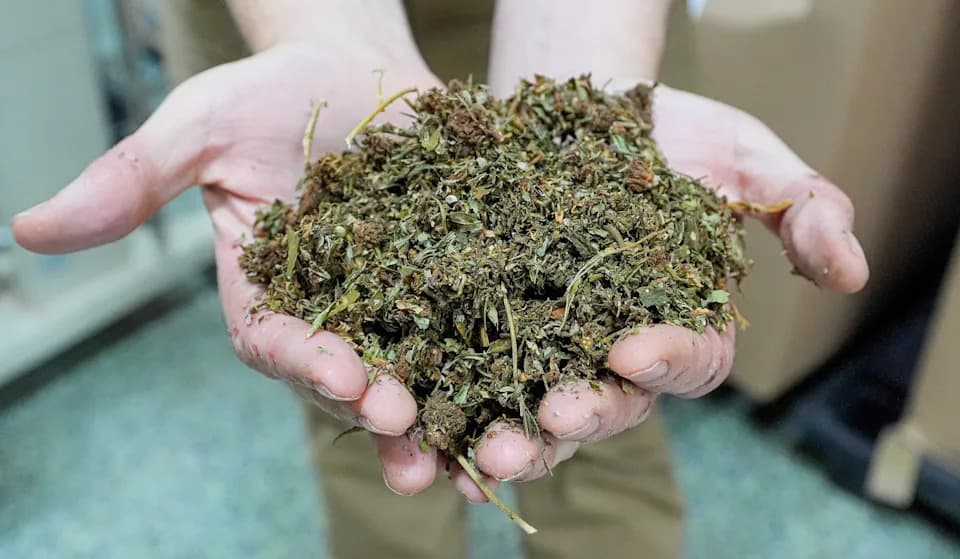
I live with chronic pain that burns, shoots and sears through my body every day. After decades of trying nearly every medical treatment available, one of the few things that reliably helps me — and millions of other Americans — is non-intoxicating, full‑spectrum hemp. Properly tested hemp products let me function: they help me walk, sleep, show up for my family and lead an organization.
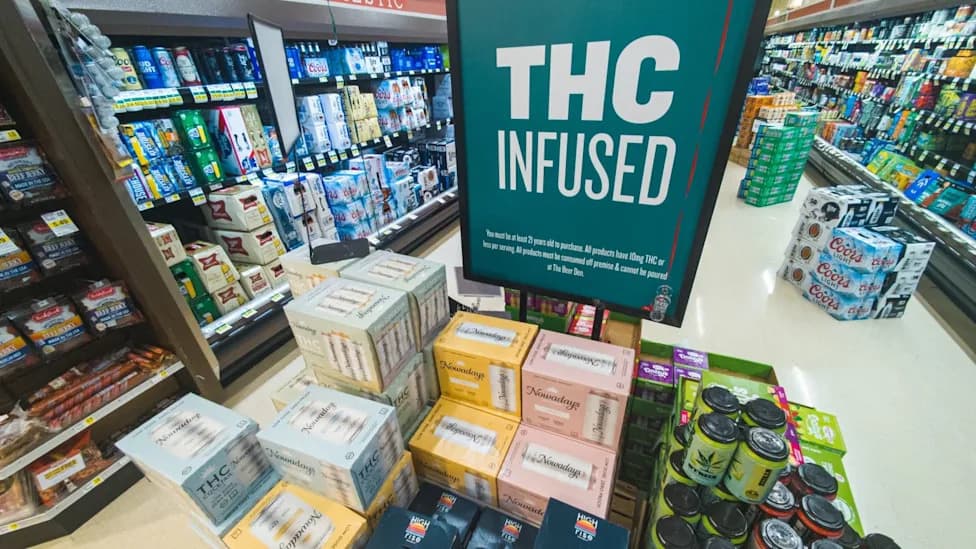
But a quiet, last-minute change slipped into the federal spending bill to reopen the government now threatens that access. Negotiators inserted language capping intoxicating THC at 0.4 milligrams per container — an arbitrary limit that would effectively eliminate most full‑spectrum hemp products overnight.
What’s at stake
The 0.4 mg-per-container cap was added without a transparent legislative process: there were no committee hearings, no markups and no opportunity for public comment. This backroom change, unrelated to the shutdown negotiations’ core issues, was not the result of public demand or clear scientific consensus.
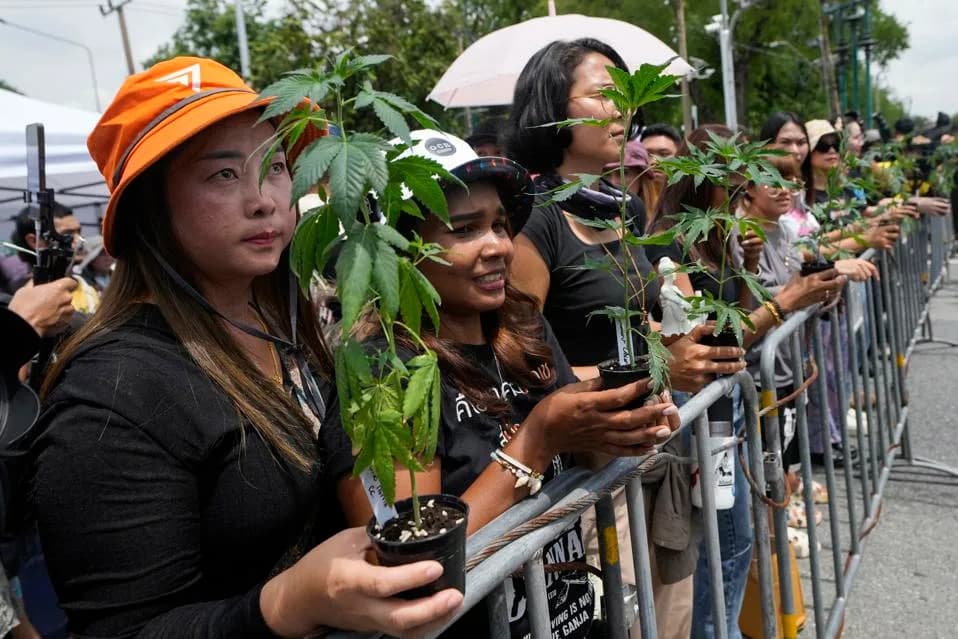
Over 40 million Americans use hemp-derived products to manage conditions such as chronic pain, seizures, post-traumatic stress disorder, insomnia and anxiety. Many turn to hemp only after exhausting conventional treatments. A sudden federal restriction would remove a critical, non-intoxicating option for veterans, seniors, caregivers and families who depend on it to function.
State responses and unintended consequences
States are reacting differently. My home state of Tennessee recently passed a law that severely restricts access to full‑spectrum CBD; although presented as a safety measure, the law’s scope was overly broad and harmed people who already face barriers to care. Other states, including Texas and Florida, have moved to protect access, but a federal provision embedded in a funding bill would override those protections.
Common-sense, science-backed alternatives
Rather than imposing an arbitrary, industry‑ending cap by backroom deal, Congress should pursue measured policies that protect consumers while preserving access. Practical, evidence-based steps include:
- Age restrictions to keep products out of youth hands;
- Mandatory third-party testing with public test results to verify potency and safety;
- Clear, standardized labeling and manufacturing standards; and
- Targeted enforcement against illicit or mislabeled products instead of a blanket ban on an entire industry.
I have lived with pain for more than 30 years, so I know how rare meaningful relief can be. Removing access overnight and without public debate is not only misguided, it is harmful and unfair. Members of Congress should remove this provision from the funding bill and work toward thoughtful regulation that preserves access for the millions who rely on full‑spectrum hemp.
Nicole Hemmenway is a Tennessean, a mother of three and the CEO of the U.S. Pain Foundation, a national nonprofit that supports people living with chronic pain.
Help us improve.