The U.S. Supreme Court agreed on Jan. 16 to hear Amarin’s appeal against Hikma in a patent dispute over Vascepa and the use of "skinny labels" that limit generic drug indications. Amarin alleges Hikma encouraged prescriptions of its generic for patented uses despite an FDA-required skinny label limited to severe hypertriglyceridemia. The Federal Circuit revived Amarin’s suit after a 2022 dismissal, and the high court’s decision could reshape how public statements and marketing are used to prove induced patent infringement.
Supreme Court To Hear Amarin v. Hikma Over ‘Skinny Label’ Use In Vascepa Patent Dispute
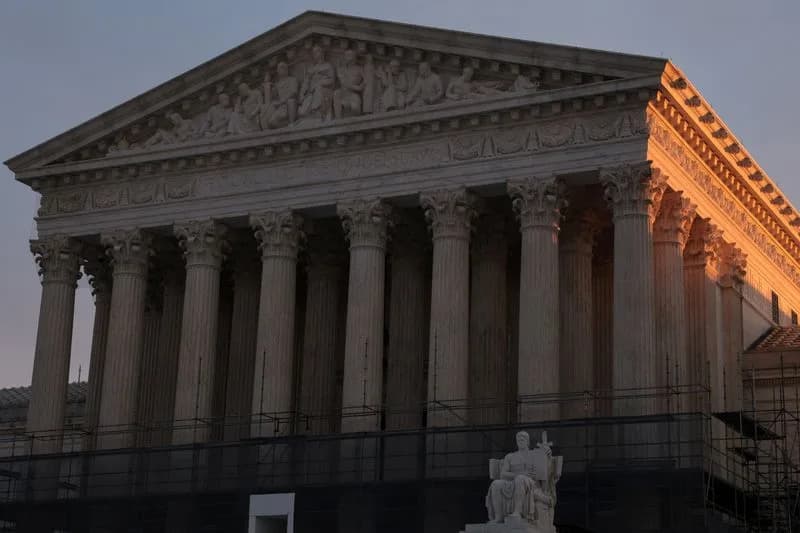
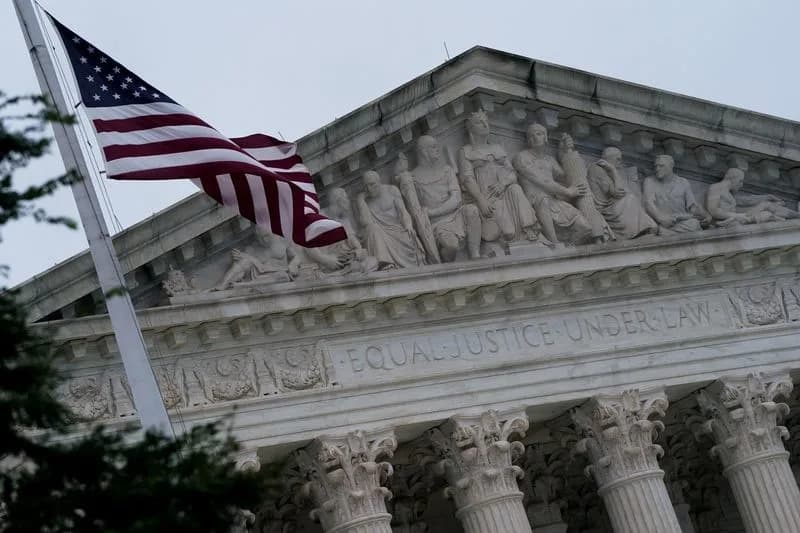
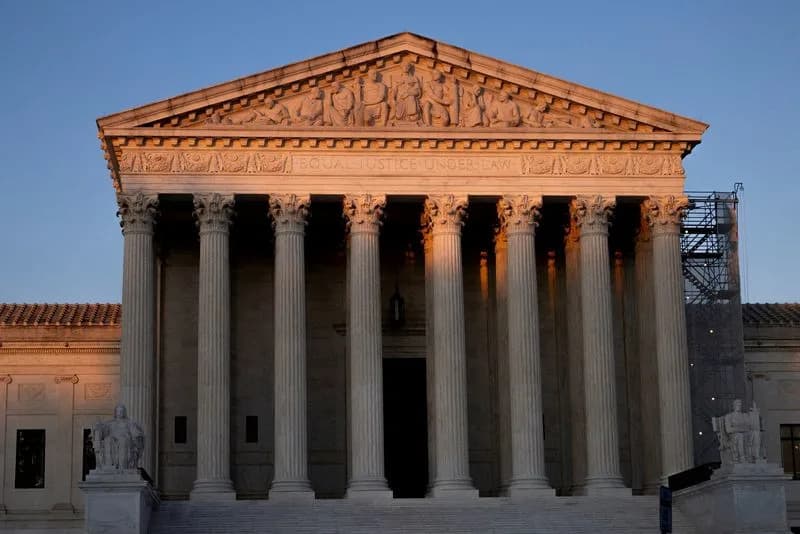
Light from the rising sun hits the U.S. Supreme Court building at the start of the day in Washington, D.C., U.S., January 12, 2026. REUTERS/Jonathan Ernst
The U.S. Supreme Court on Jan. 16 agreed to consider a high-profile patent dispute over Amarin Pharma’s cardiovascular drug Vascepa and the legal doctrine of so-called “skinny labels,” a decision that could reshape how generic drugmakers market medicines while avoiding patented uses.
Background
The appeal pits Irish-American biopharmaceutical company Amarin against British generic manufacturer Hikma. Hikma obtained FDA approval to market a generic version of Vascepa limited to the treatment of severe hypertriglyceridemia and was required to use a "skinny label" omitting other Amarin-approved indications.
What the Case Alleges
Amarin sued Hikma in Delaware federal court in 2020, accusing Hikma of encouraging doctors to prescribe the generic for patented uses through its labeling and public statements, including press releases and website content. In 2022, U.S. District Judge Richard Andrews dismissed the suit, but the U.S. Court of Appeals for the Federal Circuit revived the case in 2024.
According to the Federal Circuit, Hikma’s public references to its product as "generic Vascepa" without clarifying the limited, noninfringing indication could have encouraged prescriptions for patented uses.
Why It Matters
Vascepa — an ethyl ester of eicosapentaenoic acid derived from fish oil — was first approved by the FDA in 2012 to treat severe hypertriglyceridemia and later received additional indications in 2019 related to cardiovascular risk reduction. Vascepa accounted for $228.6 million in revenue for Amarin in 2024.
The case raises a core question for pharmaceutical law: when, if ever, can a branded company rely on a generic manufacturer’s public statements or marketing to prove that the generic is being promoted for patented (omitted) uses and therefore induce infringement despite a skinny label?
Positions And Broader Stakes
Hikma asks the Supreme Court to reverse the Federal Circuit, arguing that the lower court’s approach threatens the practical protection skinny labels provide to generics and creates an "imminent threat to generic competition." The company warns that branded manufacturers could use routine public statements as a basis for post-launch induced-infringement suits.
Former President Donald Trump’s administration filed a brief supporting Hikma’s appeal, saying the Federal Circuit’s decision upsets the balance Congress struck between patent rights and generic competition. The Supreme Court declined to take up a related skinny-label case brought by Teva Pharmaceuticals in 2023; the Biden administration had urged the court to hear that challenge.
Next Steps
The Supreme Court’s review will address how far courts may rely on manufacturers’ public statements and marketing to infer intent to promote patented uses. A ruling for Amarin could broaden remedies available to patent holders; a ruling for Hikma could reinforce protections for generic competition when skinny labels are used.
Reporting note: The case will be watched closely by pharmaceutical companies, patent lawyers, and policymakers because the outcome may affect how generics are marketed and how courts assess induced-infringement claims going forward.
Help us improve.