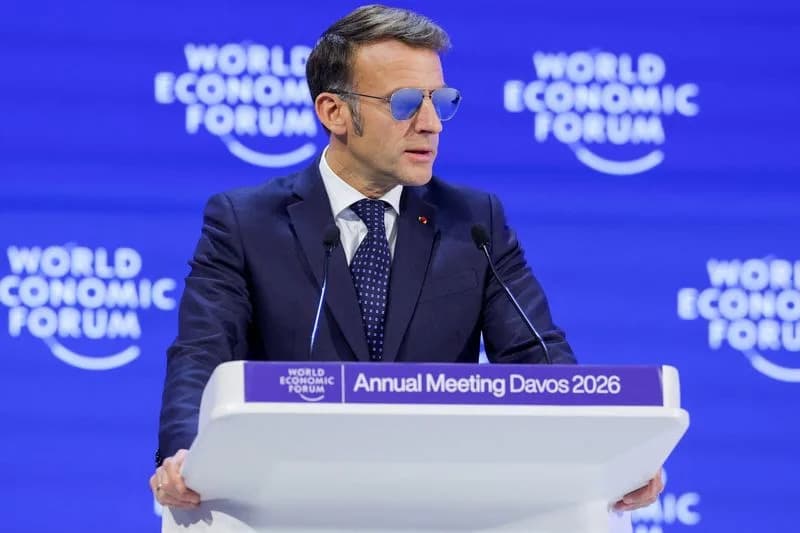
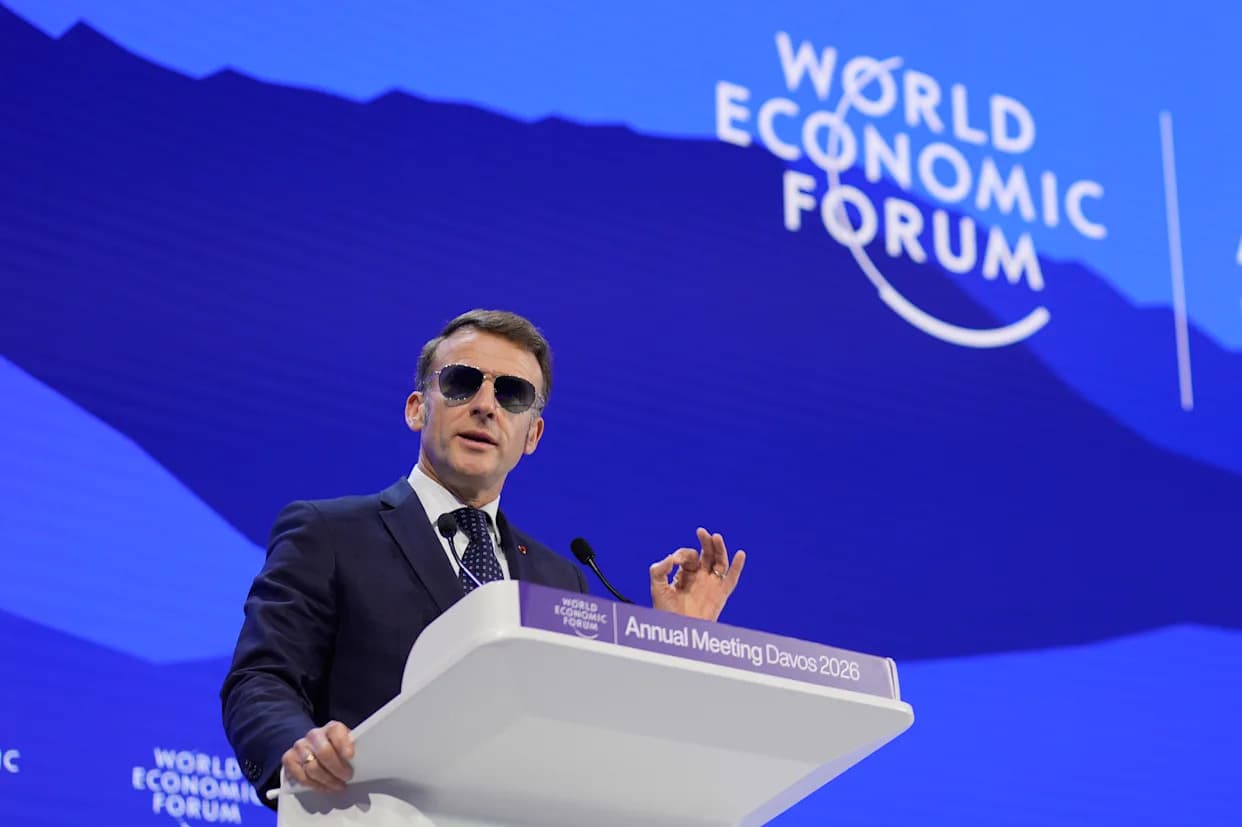
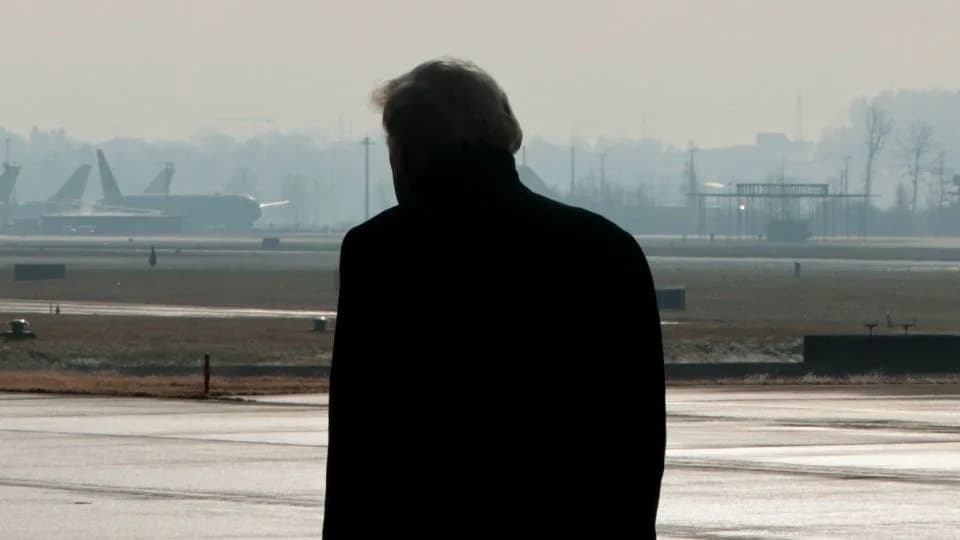
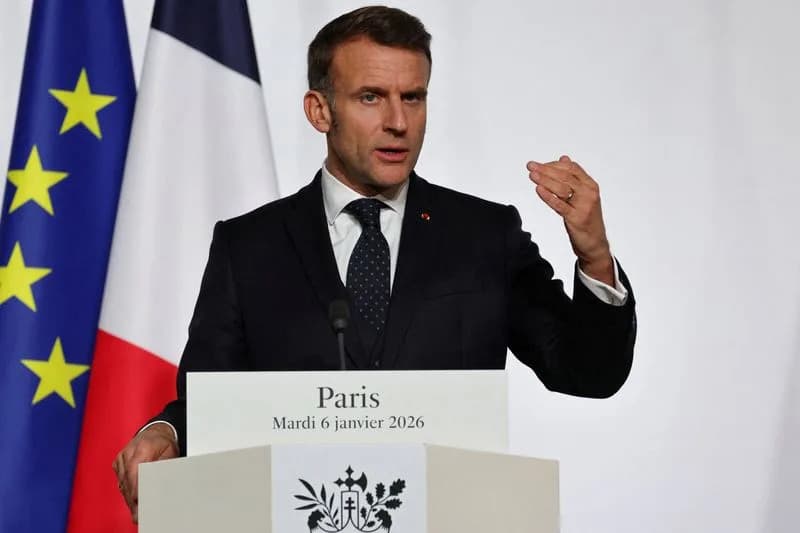
Emmanuel Macron initially aimed to manage Donald Trump through diplomacy and personal chemistry, but their relationship has evolved into a mix of cooperation and public rivalry. Recent moves—Macron’s trip to Johannesburg amid a U.S. G‑20 boycott, a deal for Ukraine to purchase 100 Rafale fighters, and France’s U.N. recognition of a Palestinian state—illustrate Paris’s push for European strategic autonomy. Analysts say Macron’s ambitions are constrained by domestic political instability and Europe’s financial limits, even as he positions France as a leading voice on continental defense.
Macron vs. Trump: ‘Europe First’ Meets ‘America First’ in a New Contest for Western Leadership

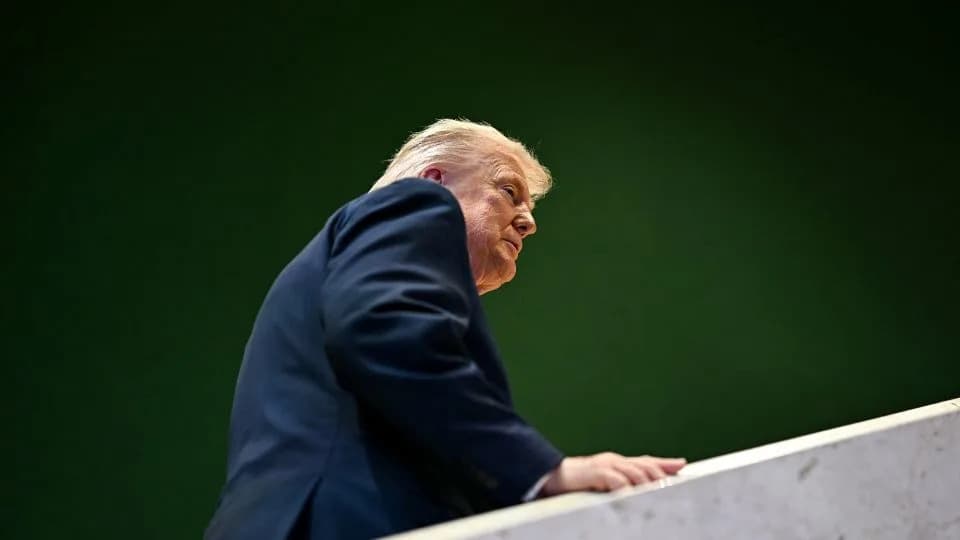
Emmanuel Macron began his relationship with Donald Trump confident he could manage the unpredictable U.S. president—flatter him, reason with him and keep Washington aligned with broader Western priorities. That early rapport produced high-profile moments, from a red-carpet Bastille Day welcome in Paris to public compliments. But their ties quickly shifted into a mix of cooperation and public rivalry that now reflects a deeper contest over the future shape of Western leadership.
From Personal Chemistry to Policy Rivalry
The Macron–Trump dynamic has always contained both cordiality and confrontation. Moments of friendly banter sit alongside sharp policy clashes, and each public disagreement feeds a larger debate: can Europe act more independently from the United States, or will transatlantic ties continue to set the agenda?
Policy Divergences on the World Stage
Recent moves have made that divergence visible. While Washington signaled plans to boycott the 2025 G‑20 leaders’ summit hosted by South Africa, President Macron traveled to Johannesburg—an indication that Paris is willing to attend forums Washington avoids. In another high-profile development, Ukraine agreed to buy 100 French Rafale fighters, a deal that underscored France’s push for European defense supply chains and reduced reliance on U.S. arms manufacturers.
"Zelenskyy slaps the face of a nation that saved him," said former Rep. Mike Garcia, criticizing Ukraine’s decision to buy French aircraft after receiving substantial U.S. aid.
Macron also took a diplomatic step that diverged from U.S. policy by supporting recognition of a Palestinian state at the U.N. General Assembly—a move that drew sharp criticism from Donald Trump. Earlier, his visit to Greenland was widely interpreted as a symbolic assertion of European interest in Arctic strategy and resources after Trump had publicly entertained the idea of buying the island from Denmark.
Europe’s Push for Strategic Autonomy
Macron has repeatedly cast himself as an advocate for European strategic autonomy. He urges European nations to invest more in their own defense industries and to rely less on off‑the‑shelf purchases from the United States. As Liana Fix, senior fellow for Europe at the Council on Foreign Relations, put it, Macron "has always seen himself in the European context as the leader of European defense efforts."
That push for autonomy is both political and symbolic: it signals Europe’s desire to be able to act independently of Washington, Moscow or Beijing when necessary. Yet the ambition is constrained by economic and political realities.
Limits and Constraints
Analysts note important limits to Macron’s vision. Germany is on track to increase defense spending substantially—projected to reach about €162 billion by 2029—which may shift intra‑European dynamics. At the same time, France faces fiscal constraints and domestic political fragility. Fix observed that Macron’s leadership ambitions "are undermined by domestic instability," pointing to struggles in forming a stable governing majority and weakening electoral prospects for his party—factors that blunt his leverage abroad.
Personal Politics and Public Theatre
The leaders’ exchanges frequently play out as both international policy debates and public theater. Informal moments—such as a widely shared clip of Macron phoning Trump from a New York sidewalk to complain about a traffic jam—underscore how personal chemistry remains part of the story. White House officials emphasize that the relationship remains active: presidential phone calls continue, even when the leaders disagree.
European governments face a difficult calculation: they must maintain working relations with the United States to secure defense and diplomatic support, while also developing the industrial and political capacity to act independently when necessary. Macron’s style—alternating between courtship and challenge—reflects that tension and shapes his claim to continental leadership.
Conclusion
The Macron–Trump dynamic is more than a clash of personalities. It symbolizes a wider debate about Western power and the balance between transatlantic dependence and European strategic sovereignty. Macron’s push for "Europe First" resonates with some in Europe, particularly as Washington’s priorities shift, but it also collides with fiscal limits and political realities at home. The outcome will depend on how effectively European leaders can coordinate internally while maintaining a working relationship with the United States.
Help us improve.