Summary: President Trump denied two Oct. 22 requests from Gov. J.B. Pritzker for federal individual disaster assistance after July and August storms, despite FEMA damage assessments documenting an estimated $83.5 million in August residential recovery needs and $46.2 million from July floods. The August assessment identified 3,269 homes with major damage, nearly all in Cook County. FEMA calculated unusually high damage-to-wealth ratios (71.21 and 39.45), which historically have led to approvals; state officials plan to appeal the denials.
Trump Rejects Disaster Aid for Chicago After Two Summer Storms — FEMA Data Shows Widespread Home Damage
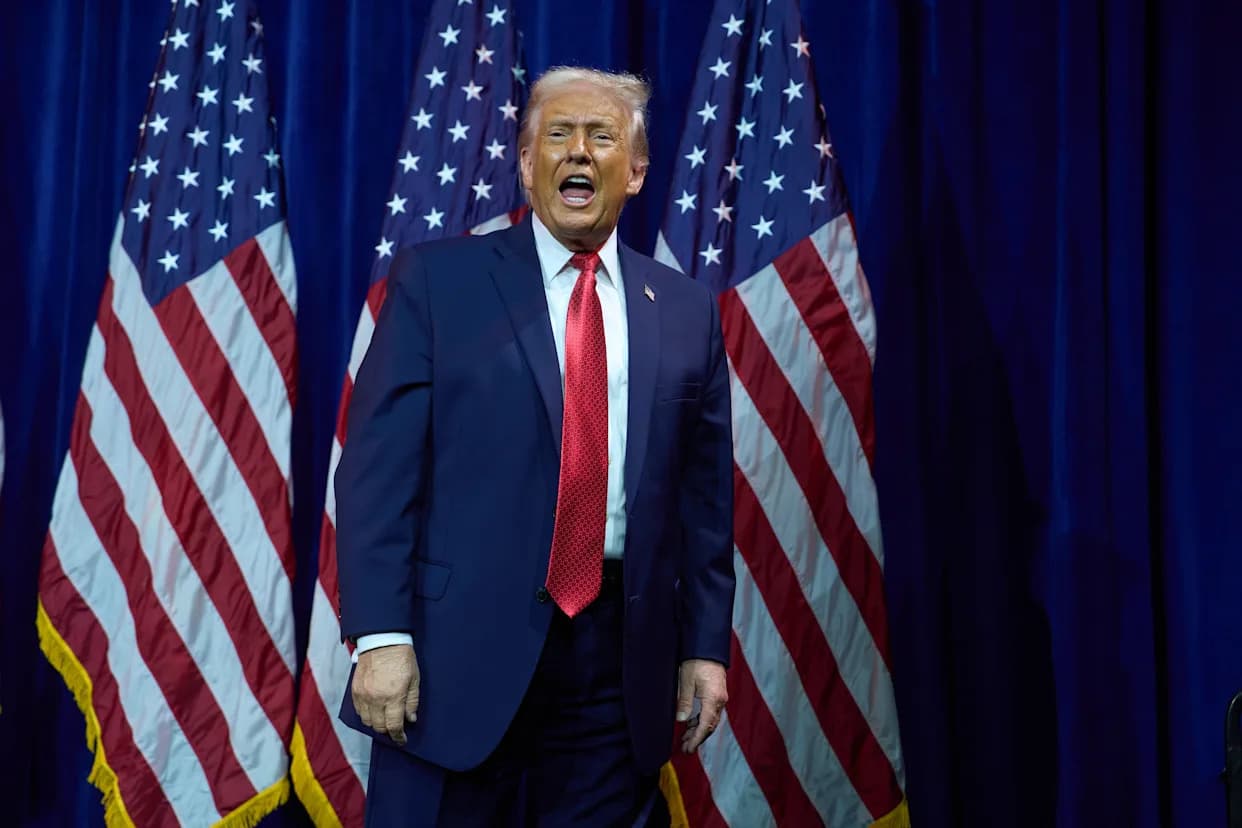
President Donald Trump on Oct. 22 denied two requests from Illinois Gov. J.B. Pritzker for federal individual disaster assistance after July and August storms that federal damage assessments show caused widespread residential losses in and around Chicago. The rejection, conveyed in letters saying individual assistance "is not warranted," left thousands of residents waiting to repair homes and remove mold even though agency inspections documented substantial damage.
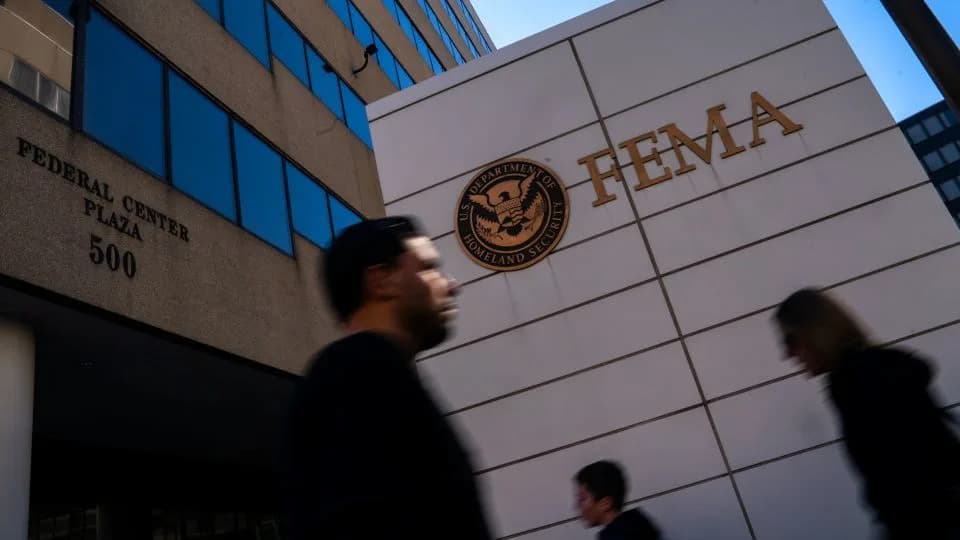
The letters, signed by David Richardson — who resigned this week as FEMA's acting administrator — offered no detailed explanation for the denials. State and local officials say the decisions are unusual given the scale of the documented losses and the damage-to-wealth ratios FEMA uses to guide approvals.
What the assessments found
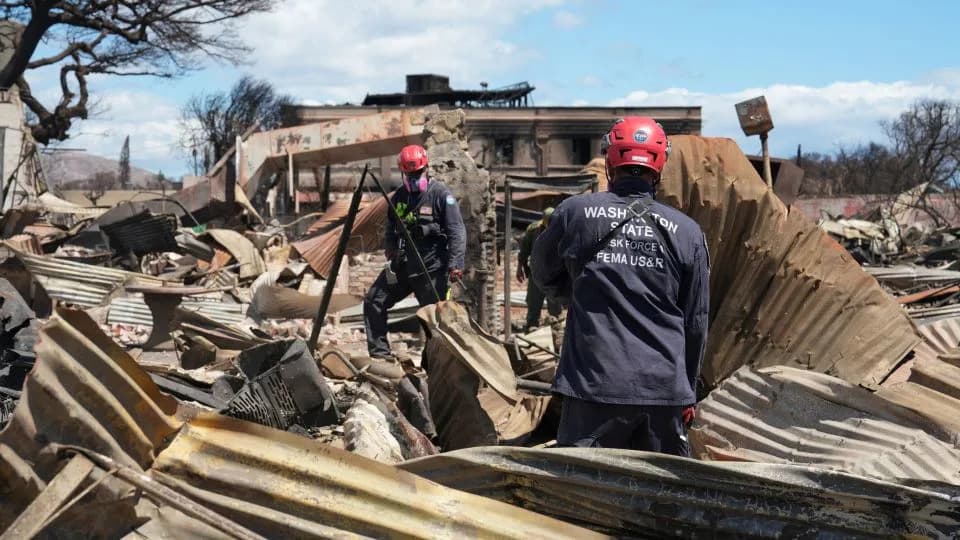
Internal damage evaluations led by FEMA and state disaster teams estimated about $83.5 million in residential recovery needs from mid-August flooding, identifying 3,269 homes with "major damage," nearly all in Cook County. A separate late-July storm was estimated to require about $46.2 million in repairs. Both totals are far higher than levels that have typically prompted presidential approval of individual assistance since the agency began publishing assessments.
FEMA uses a damage-to-wealth ratio to help standardize individual assistance decisions. Since that metric was adopted in 2019, administrations have approved requests with ratios at or above 12.5; the August assessment produced a ratio of 71.21 and the July storm a ratio of 39.45 — among the highest recorded.
Political context and reaction
The denials came amid public clashes between the president and Illinois leaders. Trump had publicly criticized Gov. Pritzker and Chicago Mayor Brandon Johnson over immigration enforcement and has disparaged Chicago in recent months. A White House spokesperson responded to questions by highlighting Illinois' sanctuary-state policies and arguing that state budget priorities matter when federal aid is requested.
Cook County emergency management director Alex Joves said thousands of residents remain unable to address mold and major home damage from the storms. "Damage still remains for many residents," he wrote. Gov. Pritzker said the state will appeal both denials and is collecting additional documentation to support the requests.
Michael Coen, FEMA's former chief of staff during the Biden and Obama administrations, said the documented costs would normally have supported approval. "There are going to be a lot of families that are displaced or not able to repair major damage to their homes," he said.
How requests are evaluated
Governors can request two types of federal aid after disasters: public assistance for infrastructure repairs and individual assistance to help households with temporary housing, limited repairs and emergency expenses. Public-assistance requests are compared to a state-specific threshold tied to population; individual assistance is judged on factors including total residential damage, the demographics of affected communities and the state's fiscal capacity.
Former FEMA officials say the agency historically has leaned toward approving individual assistance when residential impacts are clear. In this case, they say, the large financial estimates and high damage-to-wealth ratios would normally have favored approval — which is why some observers call the denials unprecedented and question whether politics influenced the outcome.
State officials are pursuing appeals and continuing to compile evidence of losses. Meanwhile, affected households face delays obtaining federal support for repairs and temporary housing as the appeal process moves forward.
Help us improve.