
Mayor Brandon Johnson is considering a veto of Chicago’s 2026 budget because it excludes his proposed $33-per-worker-per-month corporate head tax, raising the prospect of the city’s first-ever municipal shutdown. The City Council approved a 30–18 plan that includes legalized video gambling, a higher shopping-bag tax and a $0.50-per-active-user social-media levy expected to raise about $31 million. The standoff exposes sharp divisions within Chicago’s Democratic majority as leaders race to resolve a projected $1.2 billion shortfall before a Dec. 30 deadline.
Mayor Johnson’s Head-Tax Standoff Could Push Chicago Toward First-Ever Shutdown

Brandon Johnson’s progressive tax push puts Chicago on brink of rare shutdown as mayor weighs veto
Chicago faces a high-stakes budget standoff after Mayor Brandon Johnson signaled he may veto the City Council’s proposed 2026 budget because it omits his preferred corporate "head tax." If the mayor vetoes the measure, the council must either craft a new plan or secure enough votes to override the veto before a Dec. 30 deadline—or risk an unprecedented municipal shutdown.
What’s Driving the Dispute
The council-approved budget passed by a 30–18 vote. City Council contains no Republican members; Democrats hold 48 seats plus two independents, making this conflict a sharp intra-party fight among the city’s left-leaning coalition. Mayor Johnson called the approved budget "morally bankrupt" for leaving out his $33-per-worker-per-month head tax, which he argues will ask corporations to "put more skin in the game" as the city confronts a projected $1.2 billion shortfall for 2026.
"Morally bankrupt." — Mayor Brandon Johnson on the council’s budget
Key Players and Positions
Alderman Gilbert Villegas (Belmont-Cragin), an ally of former Mayor Lori Lightfoot, said he will "work hard to see if we can get 38–40 votes to override the veto," noting the budget originally passed 30–18. Governor J.B. Pritzker criticized the $33-per-worker head tax, warning it would "penalize the very thing that we want, which is more employment." Progressive Alderman Byron Sigcho-Lopez backed the mayor’s proposal, while Alderman Pat Dowell is leading the pro-budget coalition that supports the council plan as "not perfect but workable."
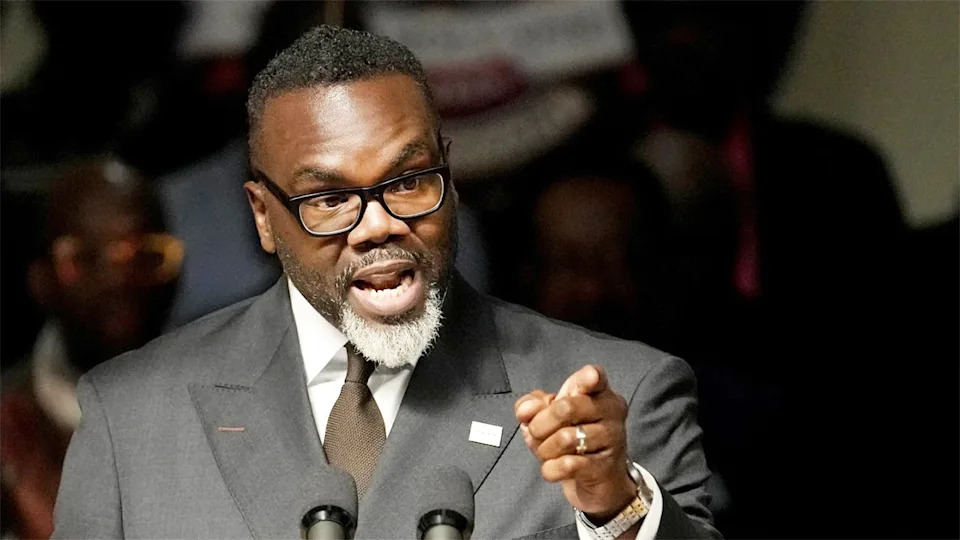
If Mayor Johnson were to veto the budget, it would place the onus back on city council to rehash a plan that could get signed before Dec. 30 – or plunge the city into shutdown.
Private donors and backers are part of the backdrop: financier Michael Sacks of GCM Grosvenor — who has ties to former Mayor Rahm Emanuel — reportedly contributed to several aldermen prior to the budget debate. Alderman Bill Conway III defended Sacks, saying he "cares about the future of the city."
Revenue Measures in the Council Budget
Beyond the head-tax fight, the council’s spending plan includes several revenue proposals aimed at closing the gap: legalizing video-gambling machines at restaurants and Chicago-Midway Airport; raising the shopping-bag tax; and a novel social-media levy that would charge $0.50 per active Chicago user beyond the first 100,000 users on a platform — estimated to raise about $31 million if enacted.
Historical Context and Stakes
Late-year budget vetoes are not new in Chicago politics. In the 1980s, Mayor Harold Washington vetoed multiple budgets and forced last-minute negotiations that generally resolved standoffs. But a full municipal shutdown would be unprecedented in modern Chicago history and would have wide-reaching impacts on city services and residents if a resolution is not reached by Dec. 30.
What Comes Next
The mayor’s office was contacted for comment. If Johnson vetoes the budget, the council can either revise the plan to meet the mayor’s demands, negotiate a compromise, or attempt to override the veto — a process that would require a larger coalition than the one that initially passed the measure. The dispute highlights deep divisions within Chicago’s Democratic majority over taxation, job growth, and how best to close a mounting fiscal gap.


