Mississippi planted about 32,000 acres of sweet potatoes this year—roughly 1,000 more than in 2024—but many growers report yields down 20%–30%. The season began with heavy rains that delayed planting, then shifted to prolonged dry stretches, and only 10%–15% of acreage is irrigated. Experts say climate-driven extreme weather is amplifying these risks, and repeated crop losses could raise prices and strain food security. Researchers and farmers are pursuing resilient varieties and water-management techniques while consumers can help by reducing food waste and buying seasonal produce.
Sweet Potato Shortages Loom for Thanksgiving as Mississippi Yields Fall 20–30%

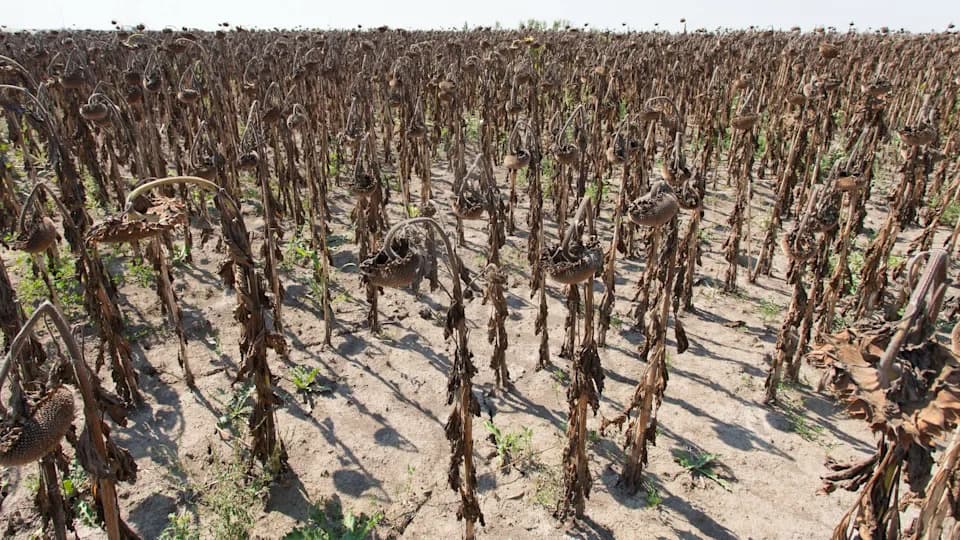
Sweet potatoes—a Thanksgiving favorite—could be in shorter supply this year as Mississippi growers report sharply lower yields despite planting more acreage. Farmers and researchers point to extreme swings in weather as the primary cause: heavy rains early in the season delayed planting, followed by prolonged dry stretches that damaged developing crops.
Why yields are falling
Mississippi planted roughly 32,000 acres of sweet potatoes this year, about 1,000 acres more than in 2024, yet many operations report yields down about 20%–30% from last year. According to Dr. Lorin Harvey, a sweet potato specialist with Mississippi State University Extension Service, some fields were delayed by weeks because of excessive rainfall at the start of the season. That was followed by periods when many fields went more than 70 days without rain or irrigation.
Only an estimated 10%–15% of the state's sweet potato acreage is irrigated, leaving most growers vulnerable when conditions swing between deluge and drought. Caleb Englert, president of the Mississippi Sweet Potato Council and of the United States Sweet Potato Council, says growers are under mounting pressure from lenders and low market prices: "Some growers are throwing Hail Marys hoping to live to fight another year."
Wider implications
Climate-driven increases in extreme weather are making such swings more frequent and severe, experts warn. Other major sweet potato regions have also suffered losses: North Carolina—the nation's largest sweet potato producer—experienced extensive damage to fields and infrastructure in 2024, and growers in several states are reporting similar challenges as seasonal patterns become harder to predict.
Continued disruptions could push retail prices higher for everyday staples and strain household budgets, particularly for low-income communities. Repeated crop failures also add stress to food systems, heightening risks to food security and potentially contributing to broader social and public-health consequences.
How farmers and consumers are adapting
Researchers and growers are pursuing several adaptation strategies. Plant breeders are developing more resilient sweet potato varieties, and farmers are experimenting with techniques to capture and store water for dry periods and to improve soil health. Those measures can reduce risk but often require time and investment.
Consumers can also help strengthen food-system resilience: plan meals, reduce household food waste, and choose seasonal, locally produced items when available. These steps can lower grocery bills, support local farms and make demand more predictable for growers.
Key numbers: ~32,000 acres planted in Mississippi; yields down 20%–30% on some farms; only 10%–15% of acreage irrigated; many fields experienced >70 consecutive days without rain or irrigation.
Help us improve.