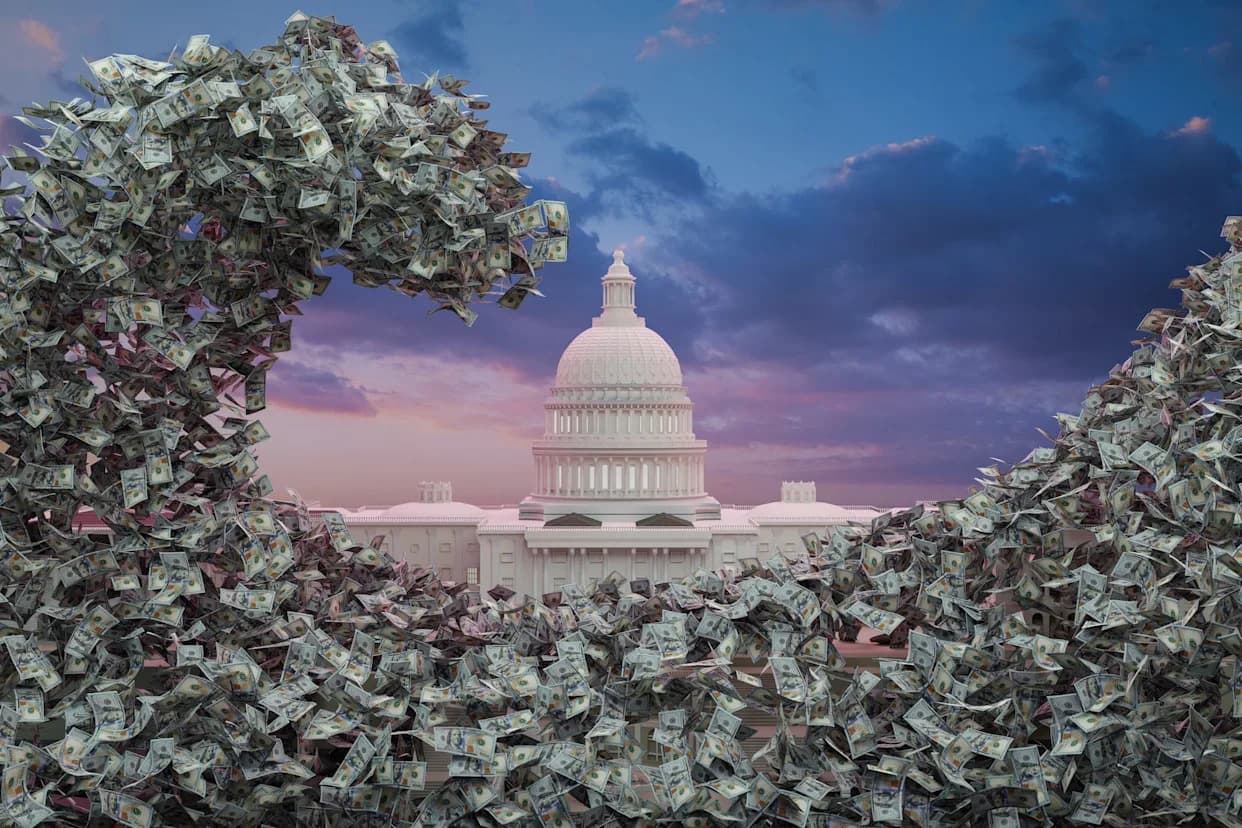
Federal efforts to pre-empt state AI regulations have sparked broad bipartisan opposition, from progressive senators to populist conservatives. Supporters say a single federal framework would avoid a burdensome 50-state patchwork and preserve U.S. competitiveness; critics warn pre-emption could create regulatory gaps and favor large tech firms. A YouGov poll with the Institute for Family Studies found roughly 3-to-1 public opposition to congressional pre-emption.
From Bannon to Warren: Bipartisan Backlash Grows Over Push to Block States from Regulating AI

Federal efforts this week to bar states from regulating artificial intelligence have provoked an unusually broad bipartisan backlash, uniting voices from the political left, the populist right, and state lawmakers who say local authority is essential to protect citizens.
What’s happening
House Republican leaders and the White House have renewed efforts to include federal pre-emption language that would limit states’ ability to pass their own AI rules. One option under consideration is inserting such language into the must-pass National Defense Authorization Act (NDAA); officials are also reported to have explored an executive order with similar pre-emptive effects.
Who supports federal pre-emption — and why
Supporters argue a single federal framework would prevent a patchwork of 50 differing state laws that could slow innovation and complicate compliance for companies working with advanced AI systems. High-profile entrepreneurs, venture capital figures, and some White House advisers have voiced support for a federal approach as a way to preserve U.S. competitiveness in AI.
Who opposes it — and why
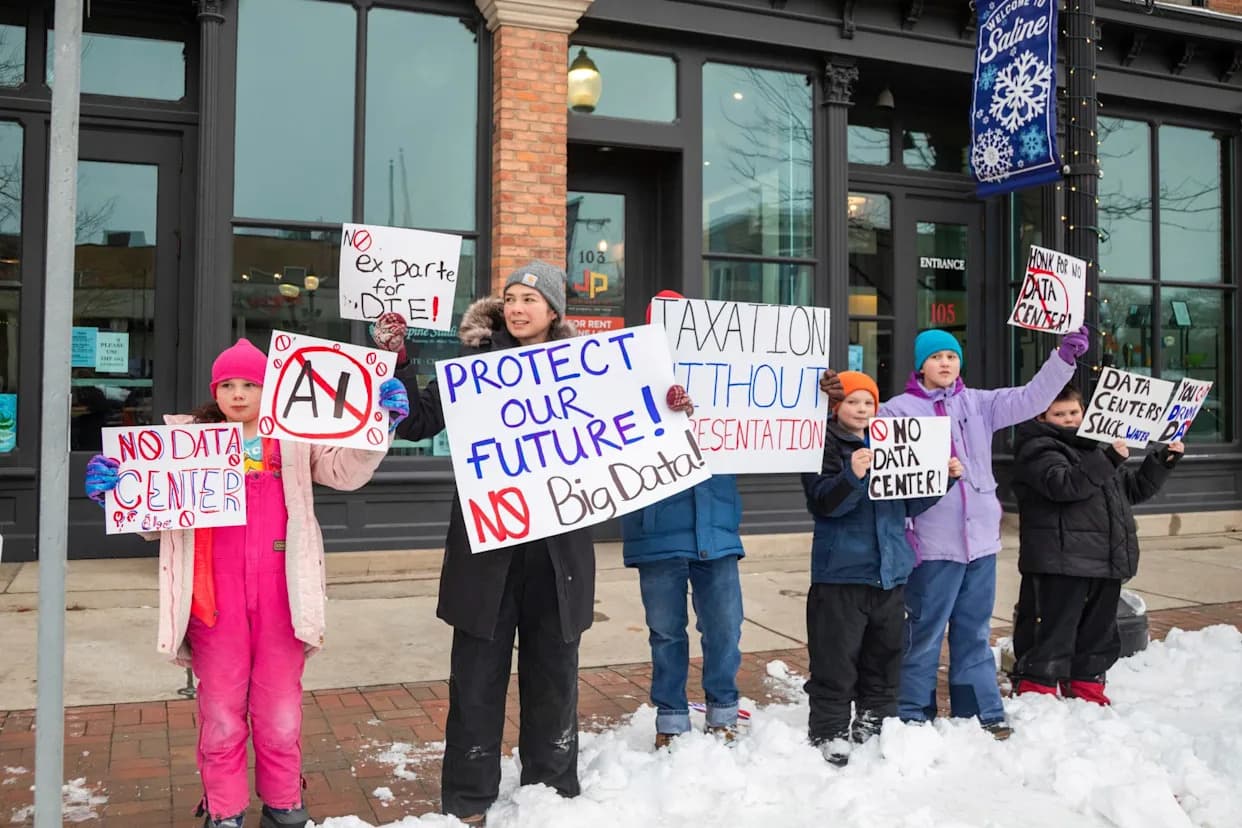
Critics come from across the political spectrum. Progressive senators and consumer advocates warn that a federal ban on state rules could block important protections for children, workers, and consumers, and could leave gaps in privacy, safety and discrimination safeguards. On the right, prominent voices including state governors and populist commentators say pre-emption would strip states of sovereignty and concentrate power with large technology firms.
'It’s a coalition of almost everyone against a few extreme tech billionaires who are trying to buy unfettered power,' said New York State Assembly Member Alex Bores, a co-author of New York's RAISE Act, which would require safety monitoring and evaluations of some large AI firms.
Public reaction and political stakes
A recent YouGov poll conducted with the Institute for Family Studies found that adults oppose congressional pre-emption of state AI rules by about a 3-to-1 margin, underscoring broad public skepticism about blocking state action. Opponents warn that, because federal AI legislation has progressed slowly, pre-emption could create a regulatory vacuum rather than substitute it with robust federal protections.
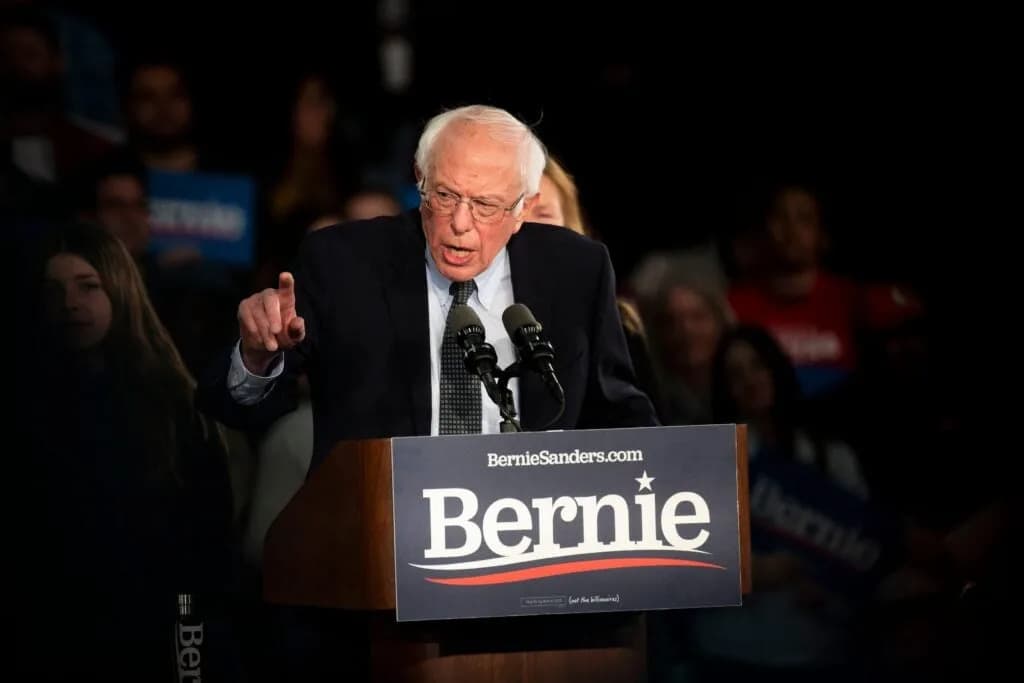
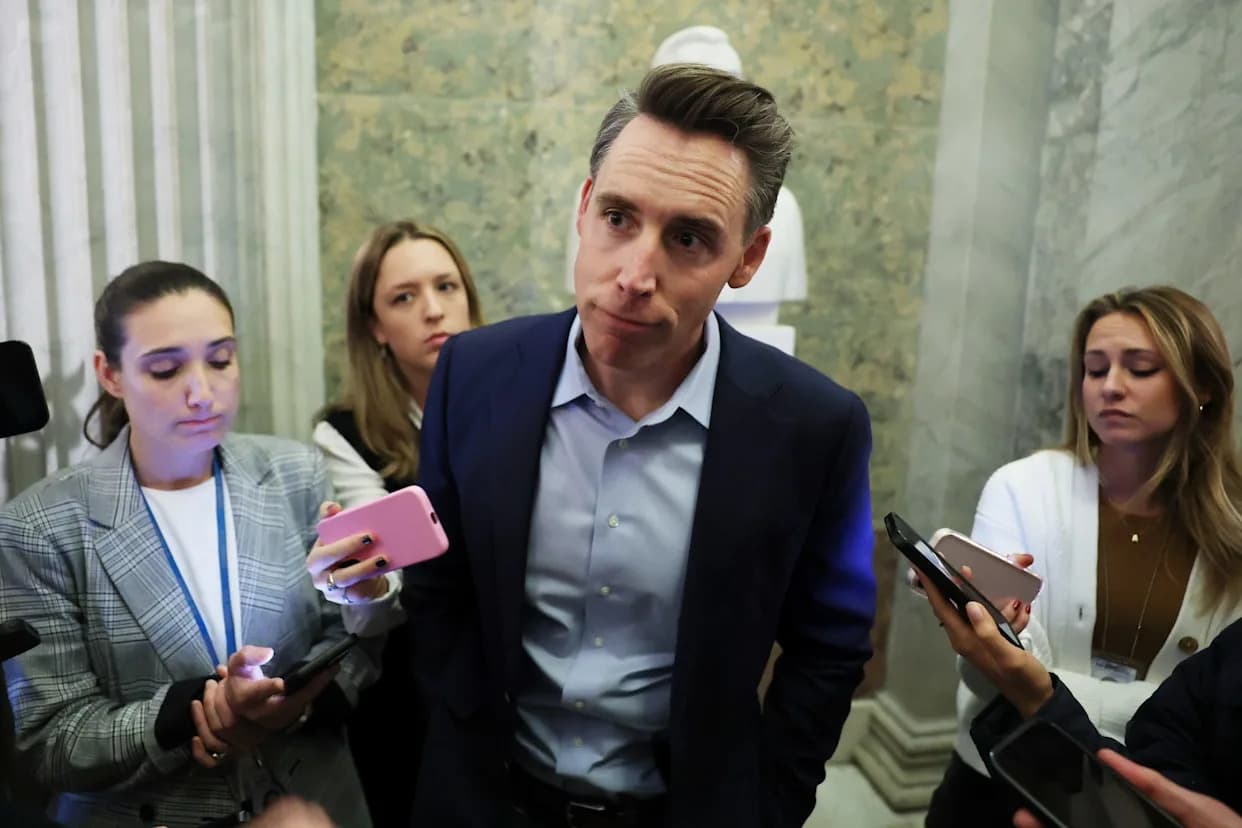
Prominent opponents include Sen. Brian Schatz, Gov. Ron DeSantis, populist commentator Steve Bannon, and Senators Elizabeth Warren and Ed Markey, who warned that pre-emption could prevent states from addressing issues such as online protections for children, deepfakes, energy costs tied to data centers, algorithmic discrimination, and workplace safety when AI is used on the job.
Why it matters
The debate is about more than policy mechanics: it touches on federalism, corporate power, civil liberties and how quickly government can respond to rapidly evolving technology. Some analysts predict unusual coalitions — bringing together tech skeptics on the left and populists on the right — will shape future fights over AI infrastructure and rules.
Next steps
As lawmakers weigh whether to attach pre-emption language to the NDAA or pursue an executive order, leaders on both sides have called for more time to negotiate. The controversy is likely to continue as Congress, state governments and the administration debate how to balance innovation, safety and local control.
Help us improve.