The AI industry is becoming a major political spender ahead of the 2026 midterms, with pro‑AI coalitions and rival groups mobilizing to shape regulation. Leading The Future says it has raised about $100 million and has already funded ads through affiliated PACs. Public First, founded by ex‑Congressmen Chris Stewart and Brad Carson, plans to raise $50 million to back candidates who favor stronger AI oversight. Meta has also created two state‑focused PACs to influence state-level rules on AI.
AI Industry Cash Eyes 2026: The Super PACs Poised to Shape the Midterms
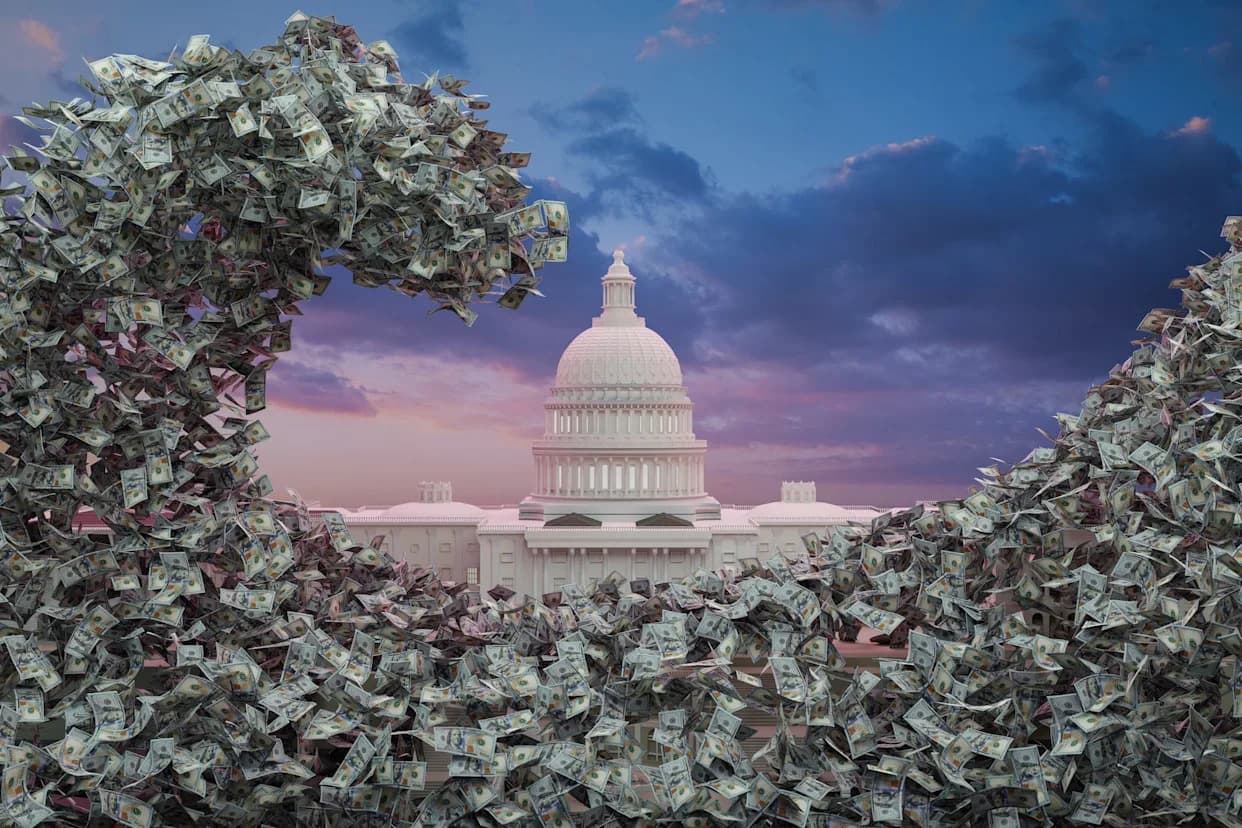
The AI industry is pouring hundreds of millions of dollars into super PACs ahead of the 2026 midterm elections.OsakaWayne Studios/Getty Images
The AI industry is gearing up to be a major political spender in 2026, with several well-funded super PACs already forming to influence races and rules governing the technology. These groups — backed by prominent tech investors, executives and companies — are positioning themselves around a single question: who will set the regulatory framework for artificial intelligence?
Leading The Future
The most prominent player so far is Leading The Future, a pro‑AI coalition of super PACs that says it has raised about $100 million. In an August press release the network named supporters including Andreessen Horowitz; OpenAI CEO Greg Brockman and his wife Anna; SV Angel founder Ron Conway; 8VC founder Joe Lonsdale; and Perplexity. The coalition has not disclosed donor‑level contributions, so exact amounts from each supporter remain unclear.

OpenAI President Greg Brockman and his wife Anna are among the backers of Leading the Future.Michael Loccisano/GA/The Hollywood Reporter via Getty Images
Leading The Future describes itself as the "political and policy center of gravity for the AI industry" and says it will back candidates aligned with a pro‑AI agenda while opposing those who are not. Its affiliated groups have already started spending: Think Big spent more than $118,000 in opposition to Assemblyman Alex Bores in the Democratic primary for New York's 12th Congressional District, and American Mission has spent over $243,000 supporting Republican candidate Chris Gober in Texas' 10th District.
Public First
In response, two former members of Congress — Republican Chris Stewart (Utah) and Democrat Brad Carson (Oklahoma) — launched Public First, a political network intended to support candidates who favor stronger AI regulation. Public First aims to raise $50 million. Carson has argued that the group has a political advantage because public sentiment broadly favors AI regulation; he summarized that dynamic as "$50 million and 85% of public sentiment" versus the pro‑AI side's resources.
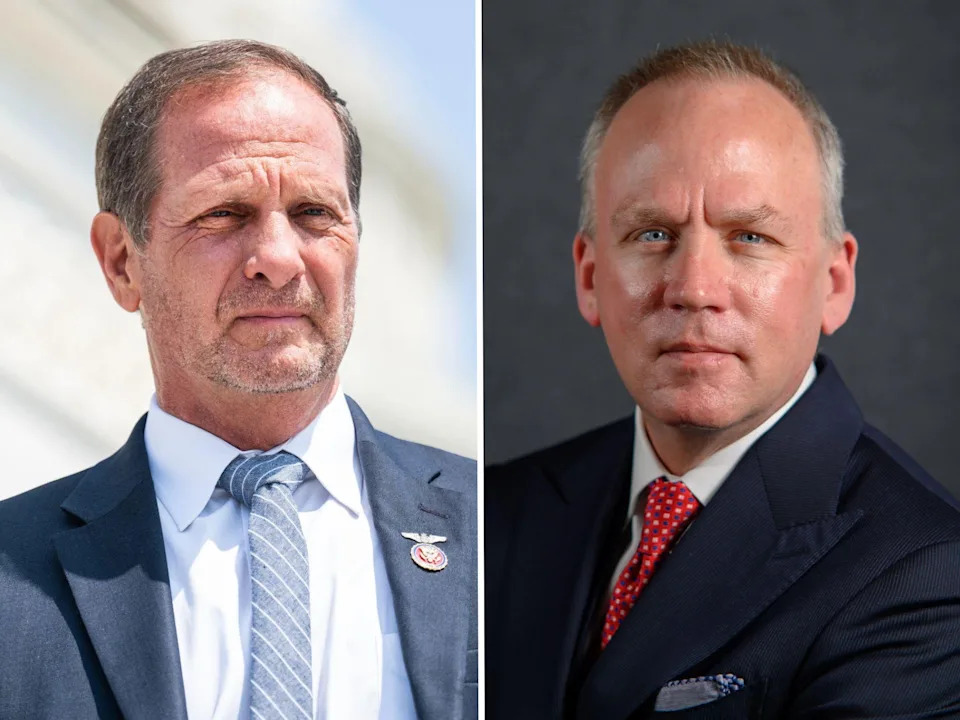
Former Reps. Chris Stewart (left) and Brad Carson (right) launched Public First.Tom Williams/CQ-Roll Call, Inc via Getty Images; Courtesy/Public First
Public First has two affiliated super PACs — Jobs and Democracy PAC (supporting Democrats) and Defending Our Values PAC (supporting Republicans) — but neither had reported major spending at the time of reporting. The group says it expects financial support from employees across the AI sector and allied industries.
Meta’s State‑Level Push
Meta has set up two PACs focused primarily on state races rather than federal contests. One is a California‑focused effort, described as Mobilizing Economic Transformation Across California, which will back candidates who the company says support policies that sustain the state's technology ecosystem. The other, the American Technology Excellence Project, aims at state races outside California to push for consistent, innovation‑friendly approaches to AI law.
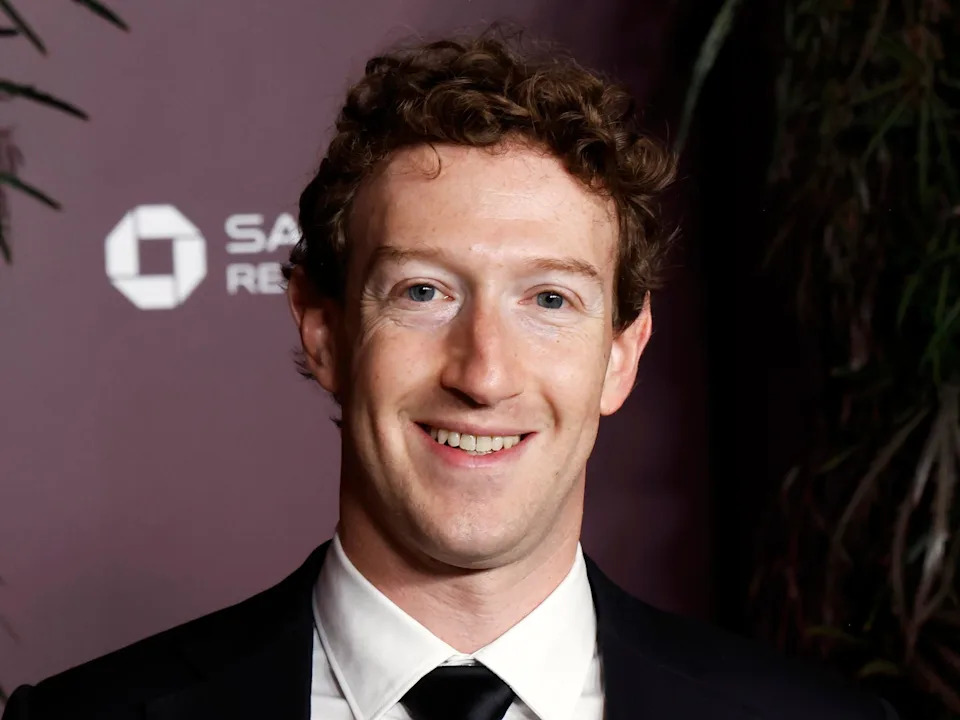
Meta CEO Mark ZuckerbergTaylor Hill/Getty Images
Meta officials framed their involvement as a response to a growing patchwork of state regulations that they say could hinder innovation. So far, neither Meta PAC has reported significant spending.
Why This Matters
These competing networks — industry‑backed pro‑AI PACs on one side and regulation‑oriented groups on the other — make AI policy a central battleground in the 2026 cycle. The activity highlights how private capital and corporate interests are organizing to influence both federal and state races, and it underscores the importance of upcoming midterm contests for the future of AI oversight.
Bottom line: Expect the battle over AI regulation to play out not only in policy debates but also on campaign finance reports and targeted spending in key congressional and state legislative races.
Help us improve.