U.N. Special Rapporteur Alena Douhan urged the United States to lift sanctions on Cuba, saying the measures have worsened shortages in health care, food and education. She reported that roughly 69% of essential medicines are unavailable and linked the shortfall to rising mortality. Douhan warned that children’s educational and cultural programs are being curtailed as resources dwindle. The U.N. General Assembly has condemned the embargo for the 33rd consecutive year.
UN Rapporteur Urges US to Lift Cuba Sanctions, Saying Measures Harm Millions

Alena Douhan, the United Nations Human Rights Council’s Special Rapporteur, on Friday urged the United States to lift sanctions on Cuba, saying the restrictions are harming the island’s entire population and undermining basic services such as health care, nutrition and education.
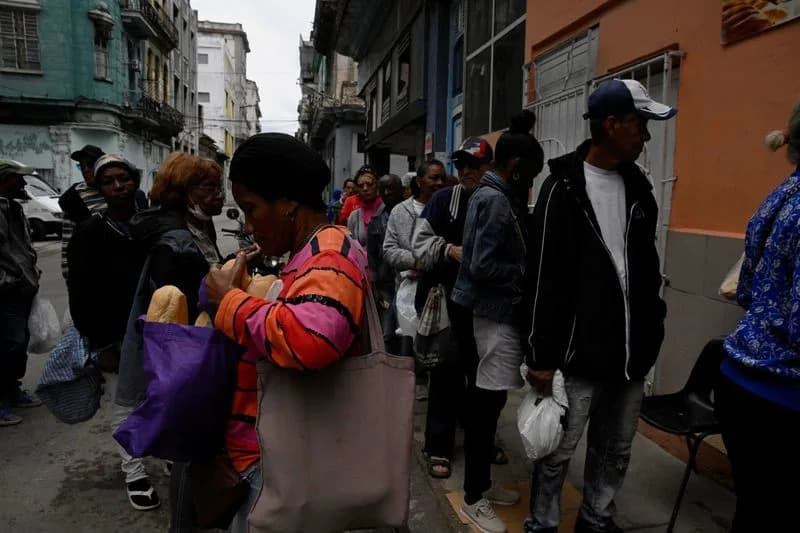
On her second visit to Cuba—her first was in 2023—Douhan reported further deterioration across multiple sectors, which she attributes in part to tougher measures imposed by Washington. She warned that higher inflation and scarce resources are making it increasingly difficult for low-income communities to obtain adequate nutrition.
“For communities with low income, higher inflation and shortages of resources make it very difficult to secure proper nutrition,”
Douhan also highlighted severe shortages in medical supplies. She said that about 69% of medicines deemed necessary for Cuba’s population are unavailable, a shortfall she linked to an observed rise in the country’s mortality rate.
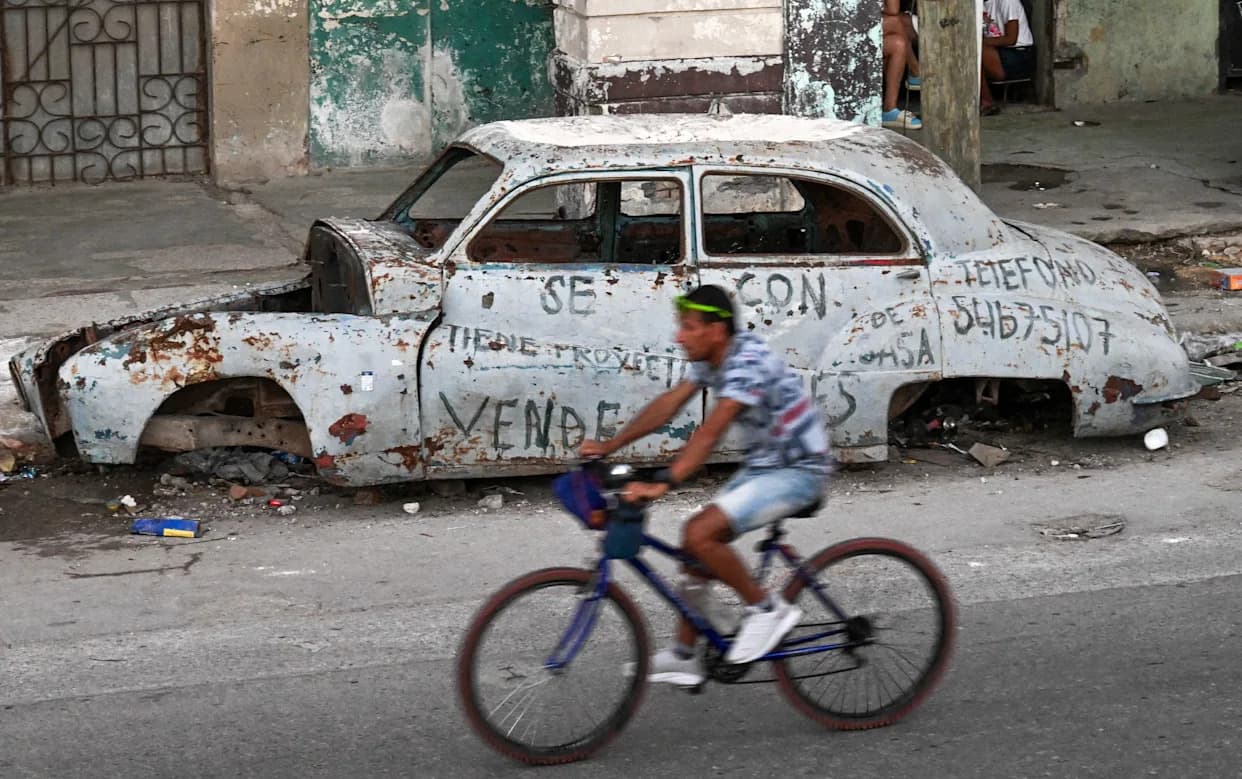
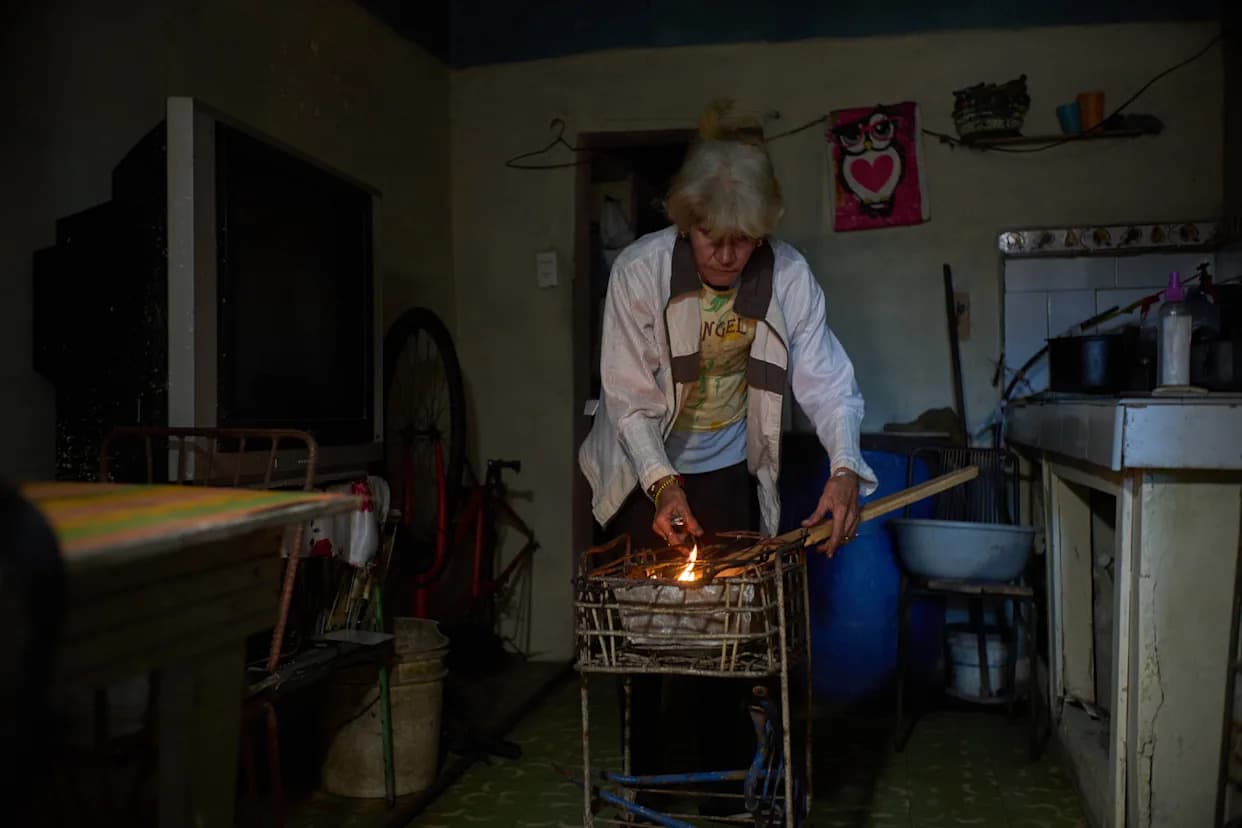
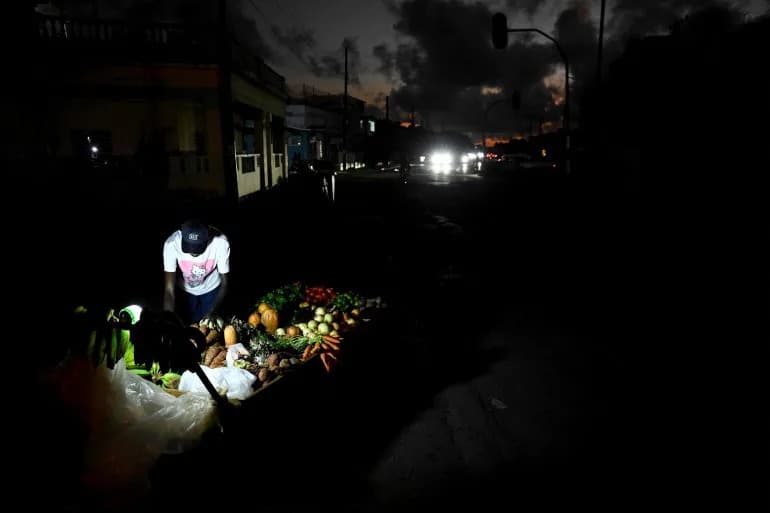
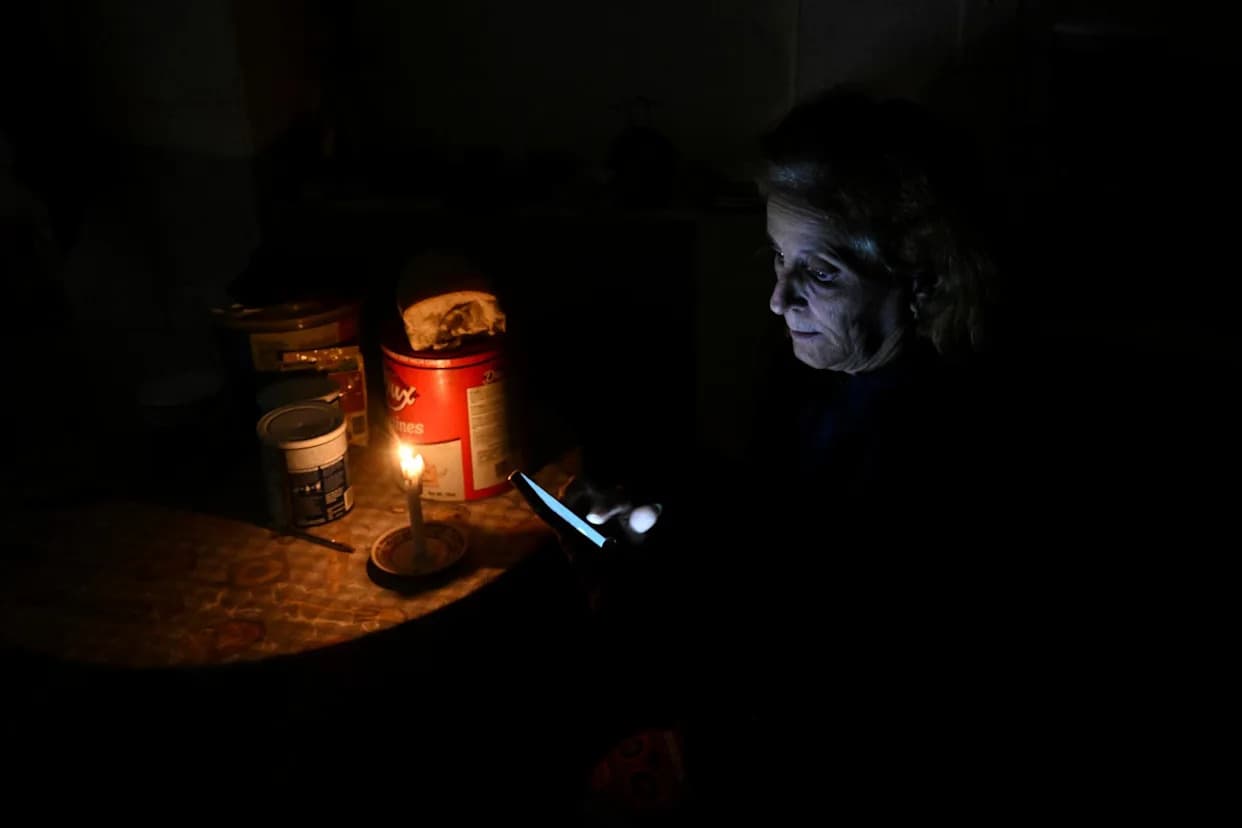
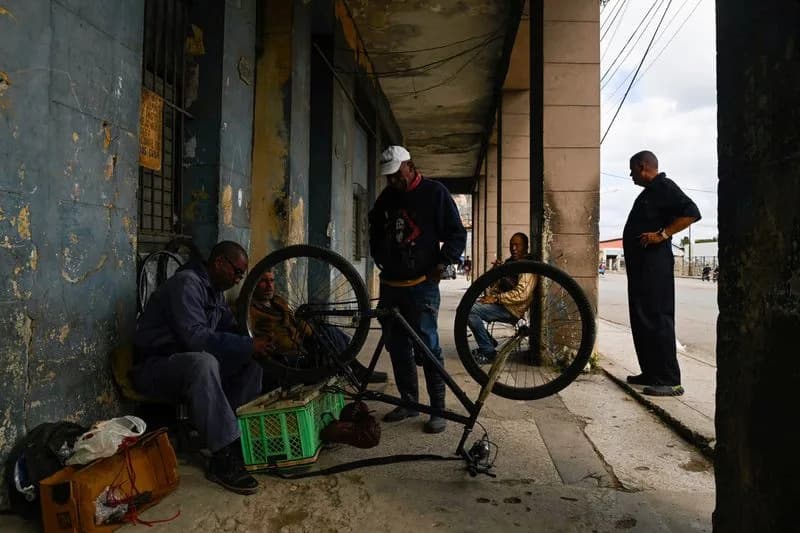
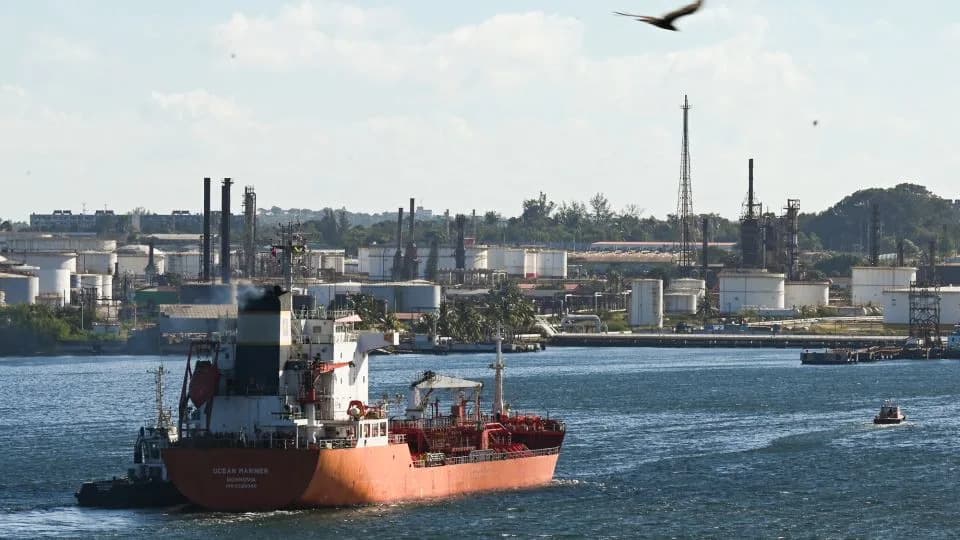
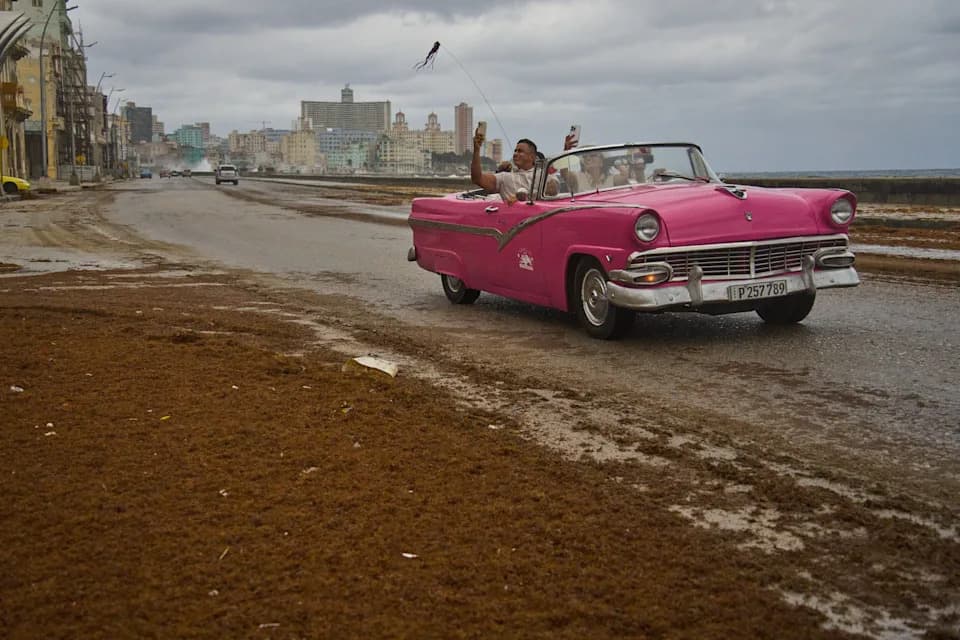
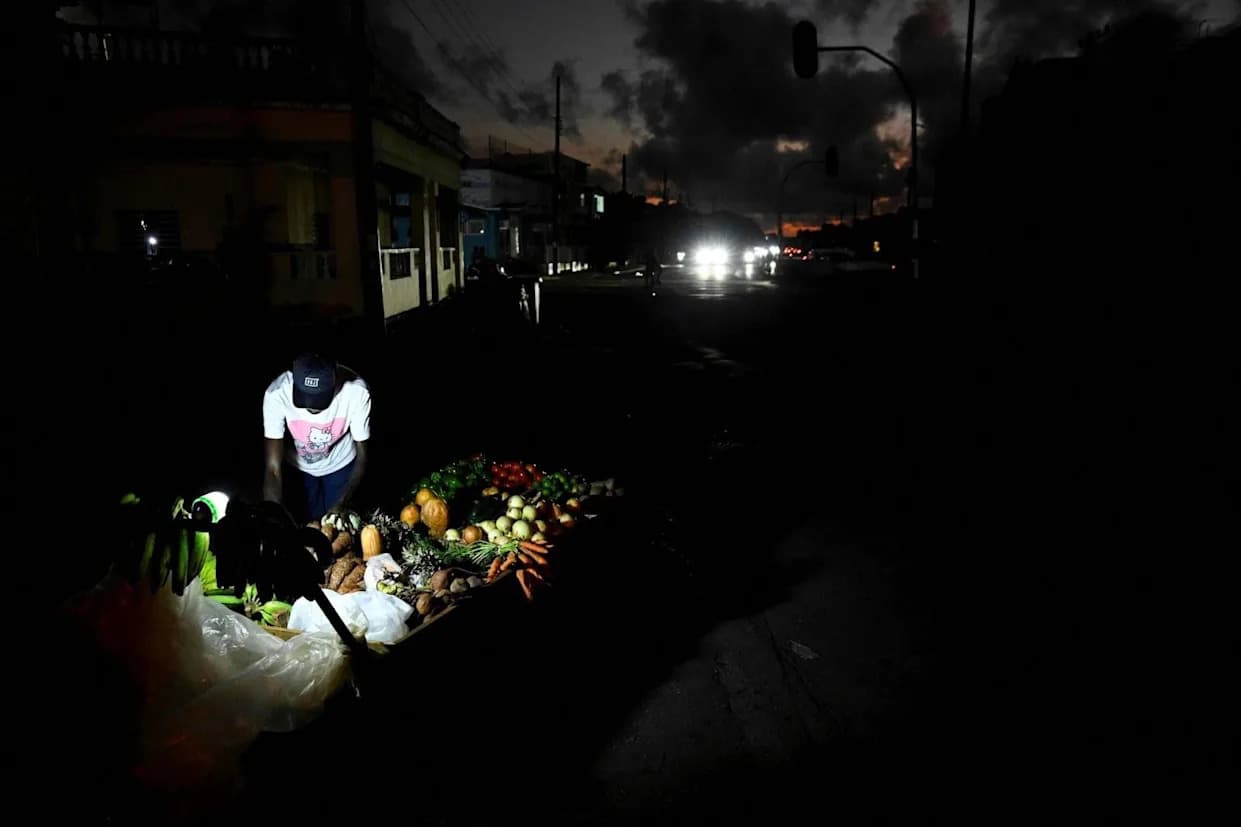
Since 2020, Cuba has faced an economic and energy crisis: GDP has contracted and the country's roughly 10 million residents have experienced blackouts, food shortages and rising prices. Cuban officials point to pandemic shutdowns, tighter U.S. measures and other factors as contributing to the downturn.
Douhan emphasized the particular vulnerability of children.
“When children are not receiving sufficient meals, educational and cultural programs and their participation in development activities are substantially reduced because there are no resources to support them,”she said.
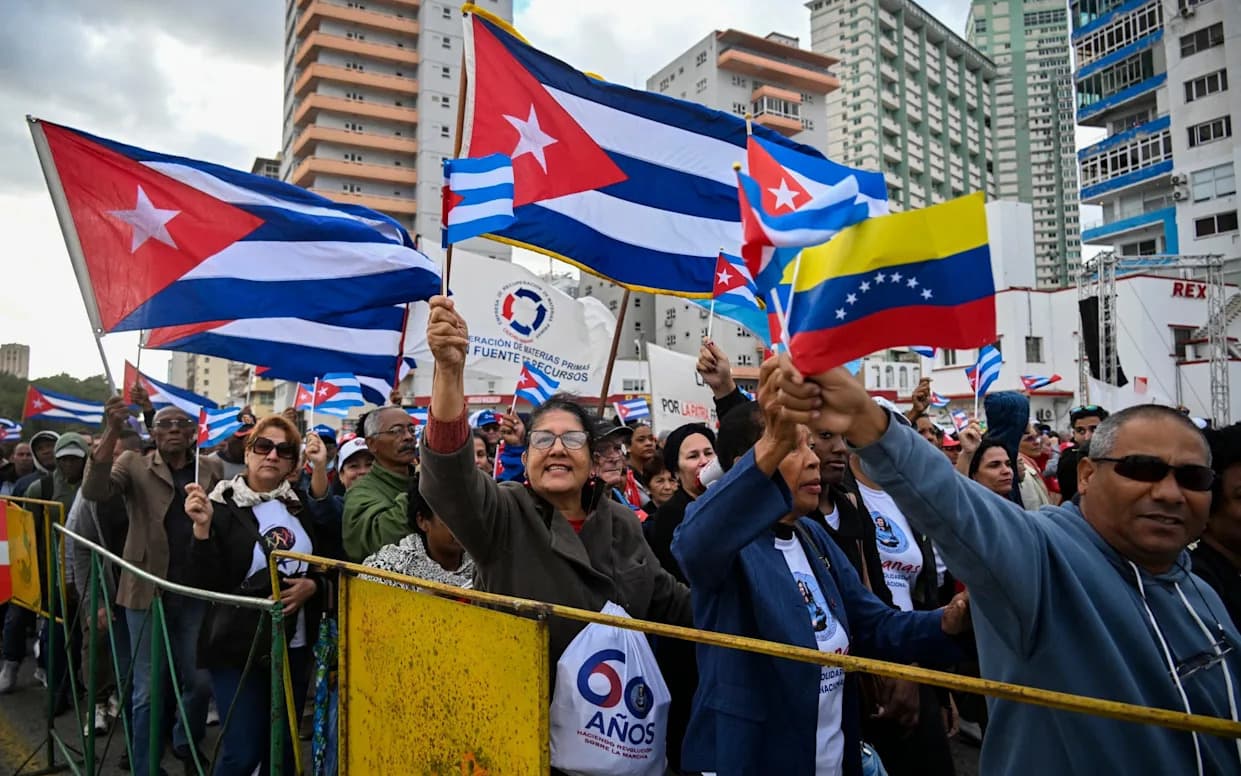
In late October the U.N. General Assembly overwhelmingly voted to condemn the U.S. economic embargo of Cuba for the 33rd consecutive year.
Background: The U.S. trade embargo was first imposed in 1960 after Fidel Castro’s revolution nationalized properties owned by U.S. citizens and companies. Diplomatic relations were formally restored in 2016 under Raúl Castro and President Barack Obama, and that year the United States abstained for the first time on the General Assembly resolution calling for an end to the embargo. Policy hardened under President Donald Trump, with sanctions increasing during his term; they were continued under President Joe Biden and were tightened again after Trump returned to office this year, according to observers.
Douhan urged the United States to reconsider the use of broad sanctions and to adopt measures that protect human rights and ensure access to essential medicines, food and services for the Cuban population.
Help us improve.