The Moon reached a near-20-year distance record on Friday, an event called a micromoon, with its center 252,706 miles (406,705 km) from Earth at 2:46 a.m. — about four hours before the new moon. This is one of the four largest Earth–Moon separations so far this century, and models show it won't be this remote again until December 2043. The farthest point on Earth at that moment was in the North Atlantic, roughly 930 miles southeast of Bermuda, where the distance to the Moon's surface was about 255,600 miles. Because the event occurred near a new moon, the lunar disk was not visible to observers.
Moon Reaches Near-20-Year Distance Record — Won't Be This Far Again Until 2043

The Moon reached one of its greatest distances from Earth in nearly two decades on Friday, an event astronomers sometimes call a micromoon. At 2:46 a.m. local time the Moon's center was measured at 252,706 miles (406,705 km) from Earth's center — roughly four hours before the new-moon phase began.
This measurement is among the four largest Earth–Moon separations recorded in the first half of the 21st century. Orbital predictions show the Moon will not be this distant again until December 2043.
The distance between Earth and the Moon changes continuously because the Moon travels on an elliptical (oval) orbit rather than a perfect circle. The Moon's farthest orbital point is called apogee, and its closest approach is called perigee. These extremes most often occur near new or full moons, when the Sun, Earth and Moon align. That alignment can slightly amplify apogee or perigee distances due to the combined gravitational influences at work.
At the instant the Moon reached its maximum distance this week it was positioned directly over Western Australia. The point on Earth's surface farthest from the Moon at that moment was in the North Atlantic Ocean, about 930 miles (1,500 km) southeast of Bermuda. From that spot the distance to the Moon's surface was roughly 255,600 miles (411,300 km).
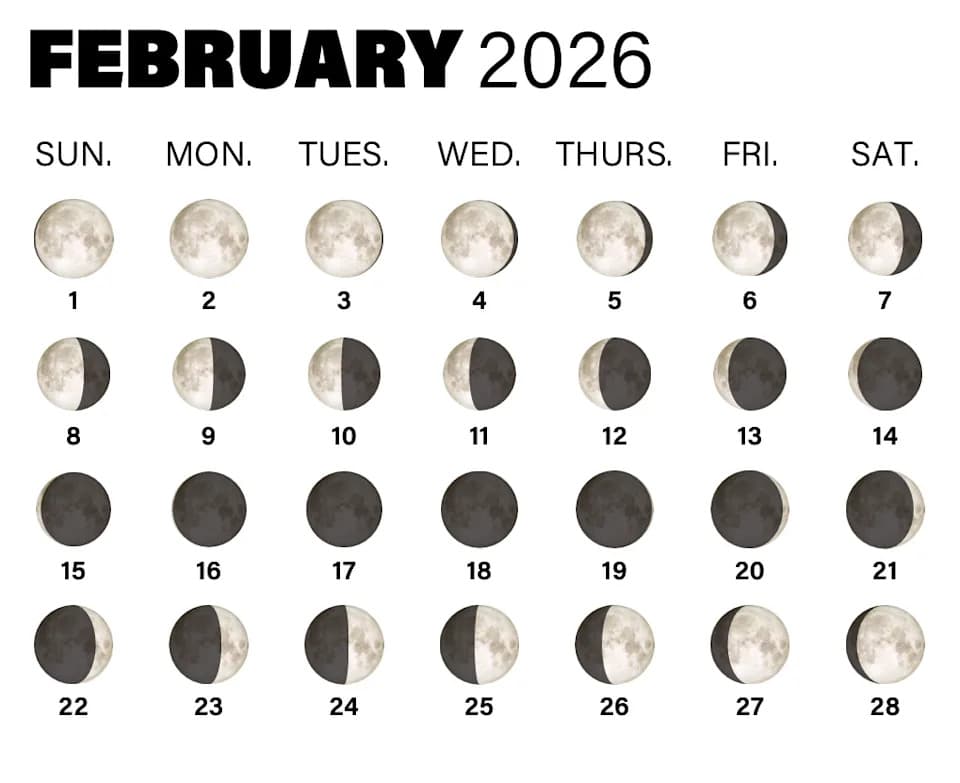
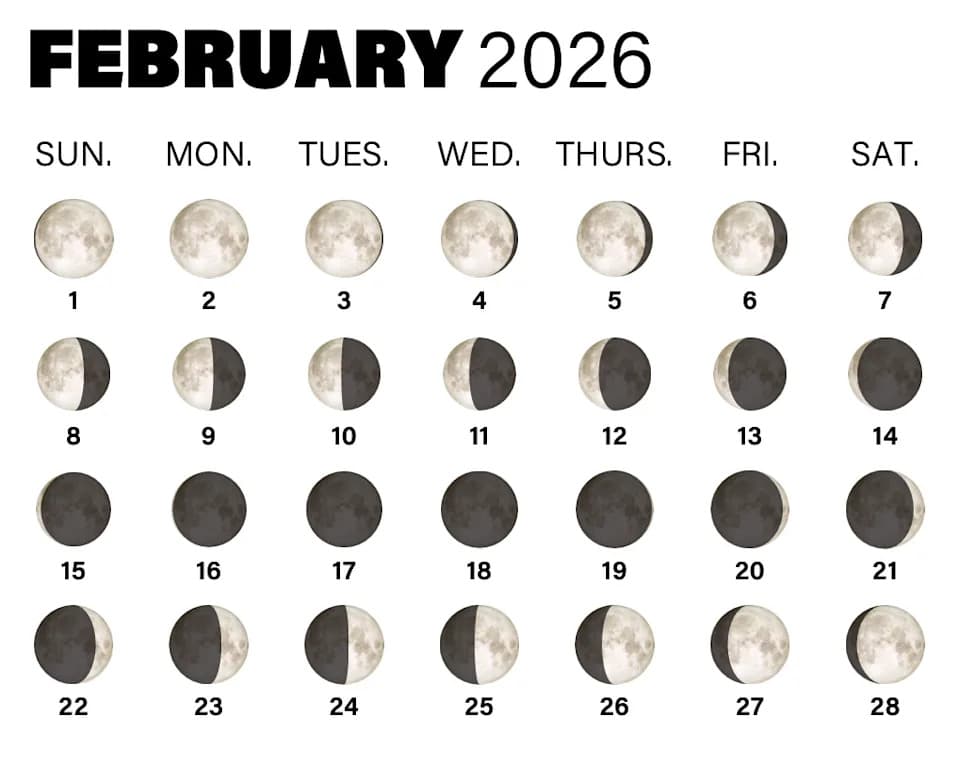
Because the event occurred just before a new moon, the lunar disk was not visible from Earth — micromoons that coincide with new moons are essentially unobservable to the naked eye. Even when visible, the size difference between a micromoon and an average moon is subtle and typically hard to notice without precise instruments or side-by-side comparison photos.
Why this matters
These orbital variations are a reminder of the dynamic gravitational interplay within the Earth–Moon–Sun system. While they have no practical effect on daily life, they are of interest to astronomers tracking long-term orbital dynamics and to skywatchers who follow lunar extremes like micromoons and supermoons.
If you enjoy lunar events, make a note: a micromoon this distant will not occur again until December 2043, so this was a relatively rare orbital milestone.
Help us improve.