Key points: The 230‑ft DSS‑14 "Mars Antenna" at Goldstone over‑rotated in September 2025, causing damage to central cabling, piping and fire‑suppression hoses; flooding was mitigated but the dish is still offline with no repair timeline. The U.S. government shutdown that began October 1, 2025, has slowed coordination on repairs. DSS‑14's outage strains the Deep Space Network ahead of the upcoming 10‑day Artemis II mission. JPL plans to add six new antennas under an enhancement program to boost capacity and resilience.
NASA's 230‑ft 'Mars Antenna' Damaged by Over‑Rotation; Repair Timeline Unknown

One of NASA's largest deep‑space dishes — the 230‑foot (70‑meter) DSS‑14, widely known as the "Mars Antenna" — suffered significant damage after an over‑rotation in September 2025 at the Goldstone Deep Space Network (DSN) complex in California. Engineers reported stress to central cabling and piping and damage to fire‑suppression hoses; flooding was quickly mitigated but the antenna remains offline and no repair date has been announced.
What happened
NASA's Jet Propulsion Laboratory (JPL) said the over‑rotation placed "stress on the cabling and piping in the center of the structure," and that hoses from the antenna's fire‑suppression system were damaged. JPL teams stabilized immediate issues, but the complexity of the damage — combined with delays in coordination caused by the U.S. government shutdown that began October 1, 2025 — means DSS‑14 is not yet back in service.
Why this matters
The DSN is a global network of three complexes — Goldstone (California), Madrid (Spain) and Canberra (Australia) — positioned roughly 120° apart in longitude so NASA can maintain near‑continuous contact with its spacecraft. Each complex hosts a mix of dishes, including 112‑foot (34‑meter) antennas (in both high‑efficiency and beam‑waveguide variants) and a single 230‑foot (70‑meter) antenna like DSS‑14.
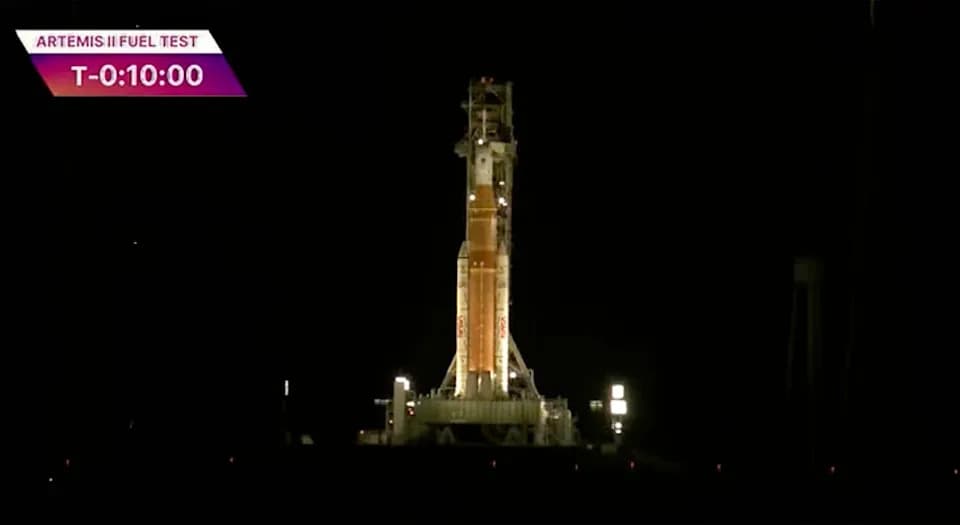
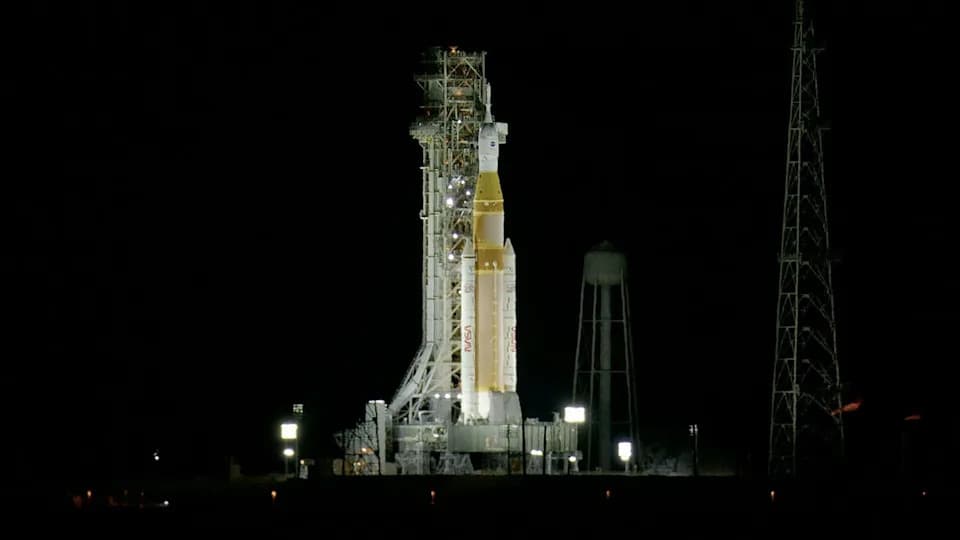
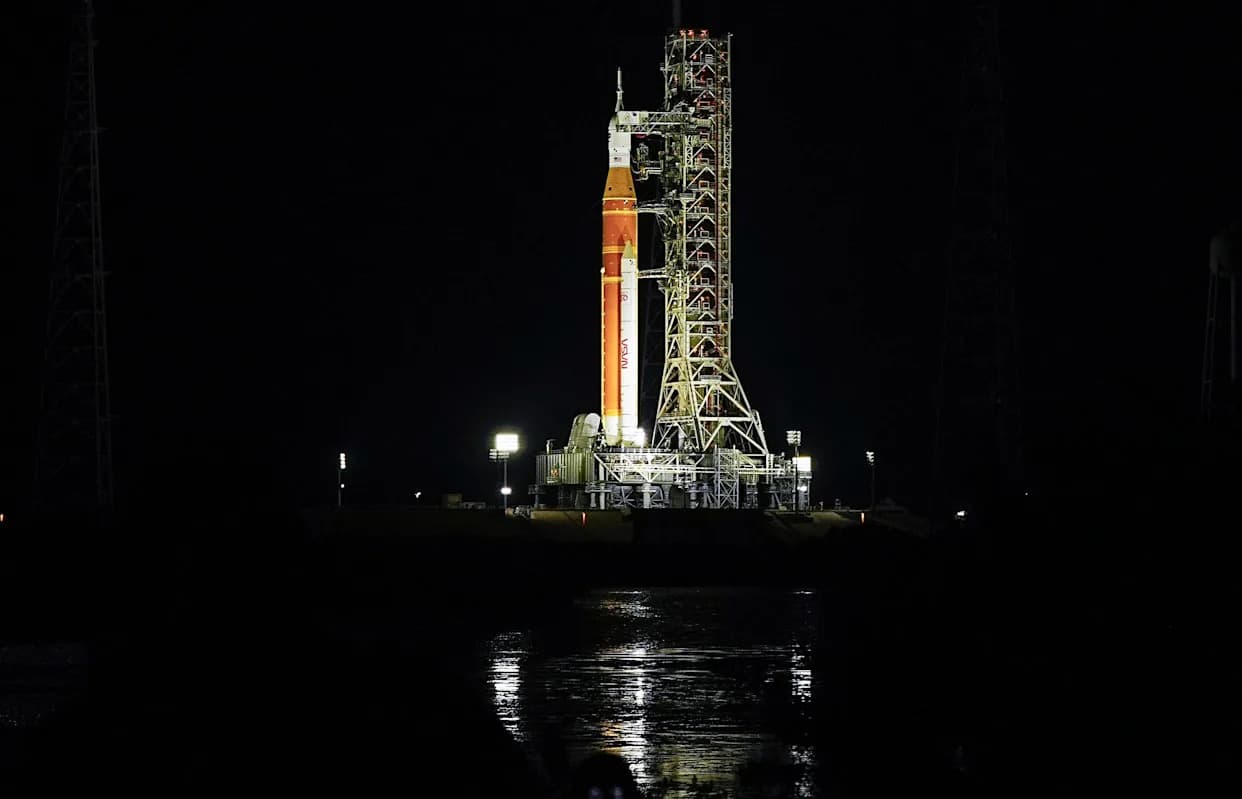
The 70‑meter class dishes are powerful assets capable of communicating with probes billions of miles away. But they also support lunar and near‑Earth missions. DSS‑14's outage increases scheduling pressure on the remaining antennas and could complicate operations for upcoming missions, including the planned 10‑day Artemis II lunar mission, which relies on robust DSN support during critical phases.
System strain and long‑term plans
"NASA's DSN is currently oversubscribed and will continue to be overburdened by the demands created by an increasing number of deep space missions, including crewed and robotic missions," the Office of Inspector General warned in a 2023 audit, noting mission data volumes have at times consumed roughly 40% more capacity than the system comfortably supports.
Deferred maintenance and aging hardware (some components date back to the 1960s) have magnified these strains. To increase capacity and resilience, JPL is expanding the DSN under the Deep Space Network Aperture Enhancement Program, which will add six new antennas over time to relieve load and reduce single‑point vulnerabilities.
What comes next
For now, mission planners are redistributing tracking responsibilities across Goldstone, Madrid and Canberra while engineers assess and repair DSS‑14. Restoring the antenna will require careful inspection, parts replacement, and thorough testing before it can resume full service. NASA and JPL will provide updates when more definitive timelines and repair milestones are available.
Help us improve.