Space activity around Cape Canaveral stayed busy this week: the 322‑foot SLS rolled to Pad 39B for Artemis II, which could launch as soon as Feb. 6 for a 10‑day lunar flyby. SpaceX flew multiple Starlink missions, including Starlink 6‑97 on Jan. 12. NASA executed the first-ever early return of a crewed mission for medical reasons, bringing Crew‑11 home on Jan. 15. Additional items: MAVEN has been out of contact since early December, Playalinda Beach will close for launch safety, and Starlink access was reportedly used inside Iran amid internet shutdowns.
321 Launch: SLS Rolls to Pad 39B, Crew‑11 Medical Evac, Multiple Starlink Launches — Weekly Space Roundup (Jan. 19)
This week’s space news from Cape Canaveral and NASA’s Kennedy Space Center included the 322‑foot SLS rollout toward Pad 39B for Artemis II, multiple SpaceX Starlink launches, and an unprecedented medical evacuation that ended a crewed mission early. Other highlights: a long‑running loss of contact with NASA’s MAVEN orbiter, local infrastructure updates, and reports of Starlink accessibility amid internet shutdowns in Iran.
Launch Activity & Starlink Deployments
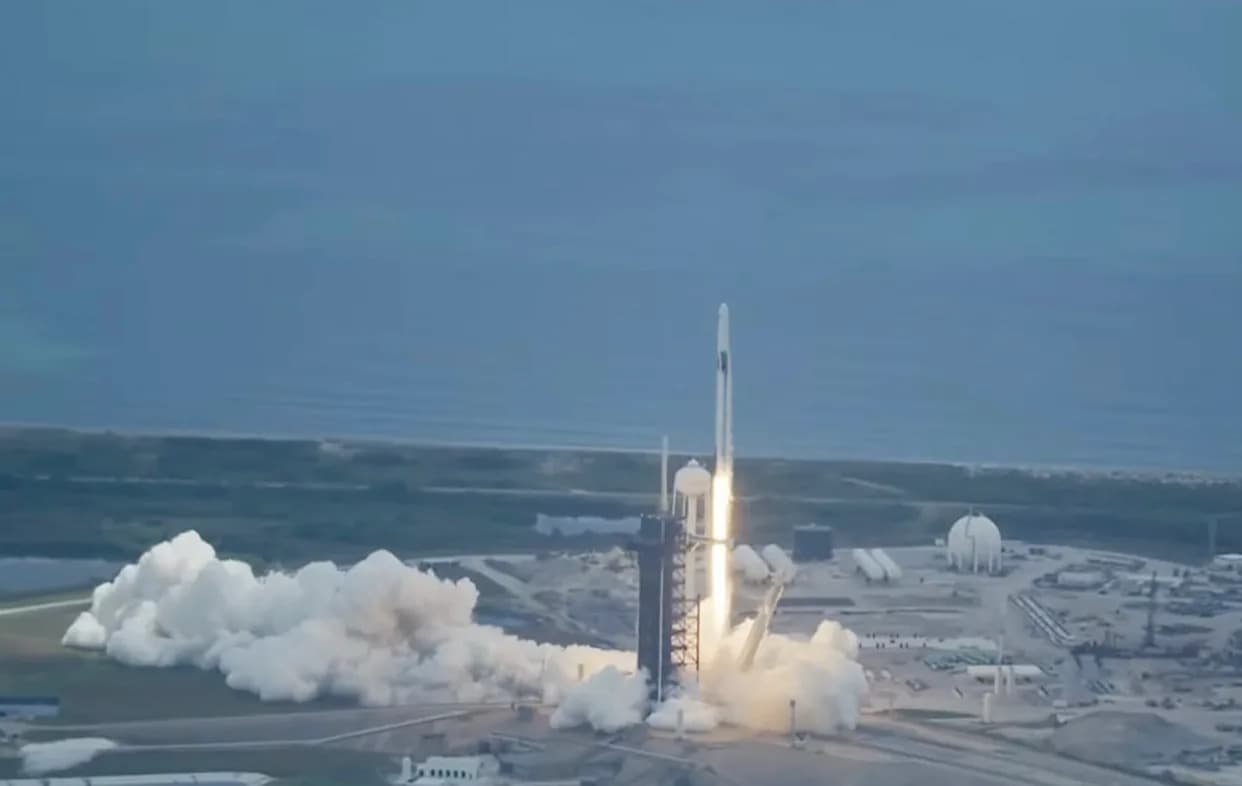
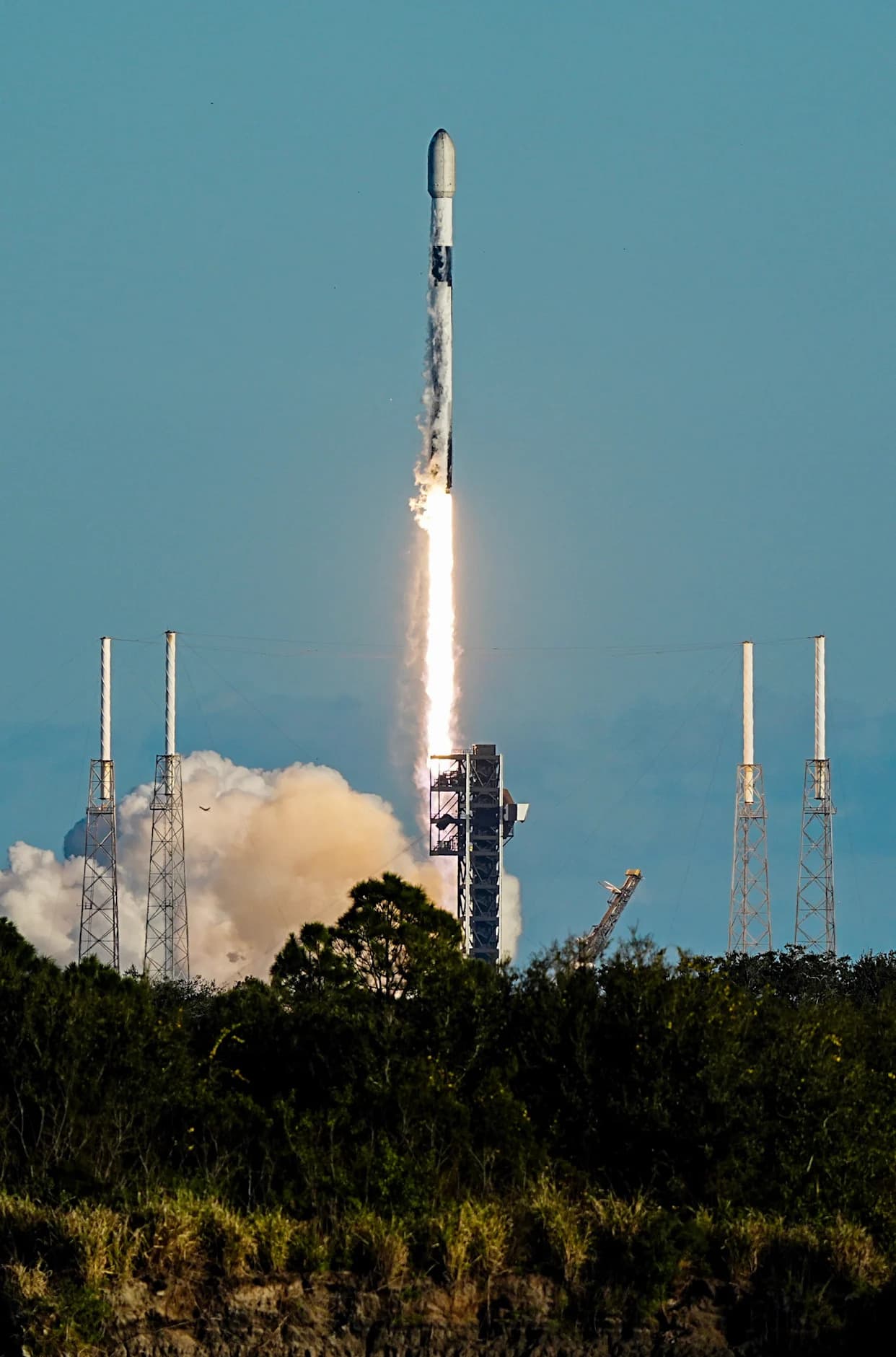
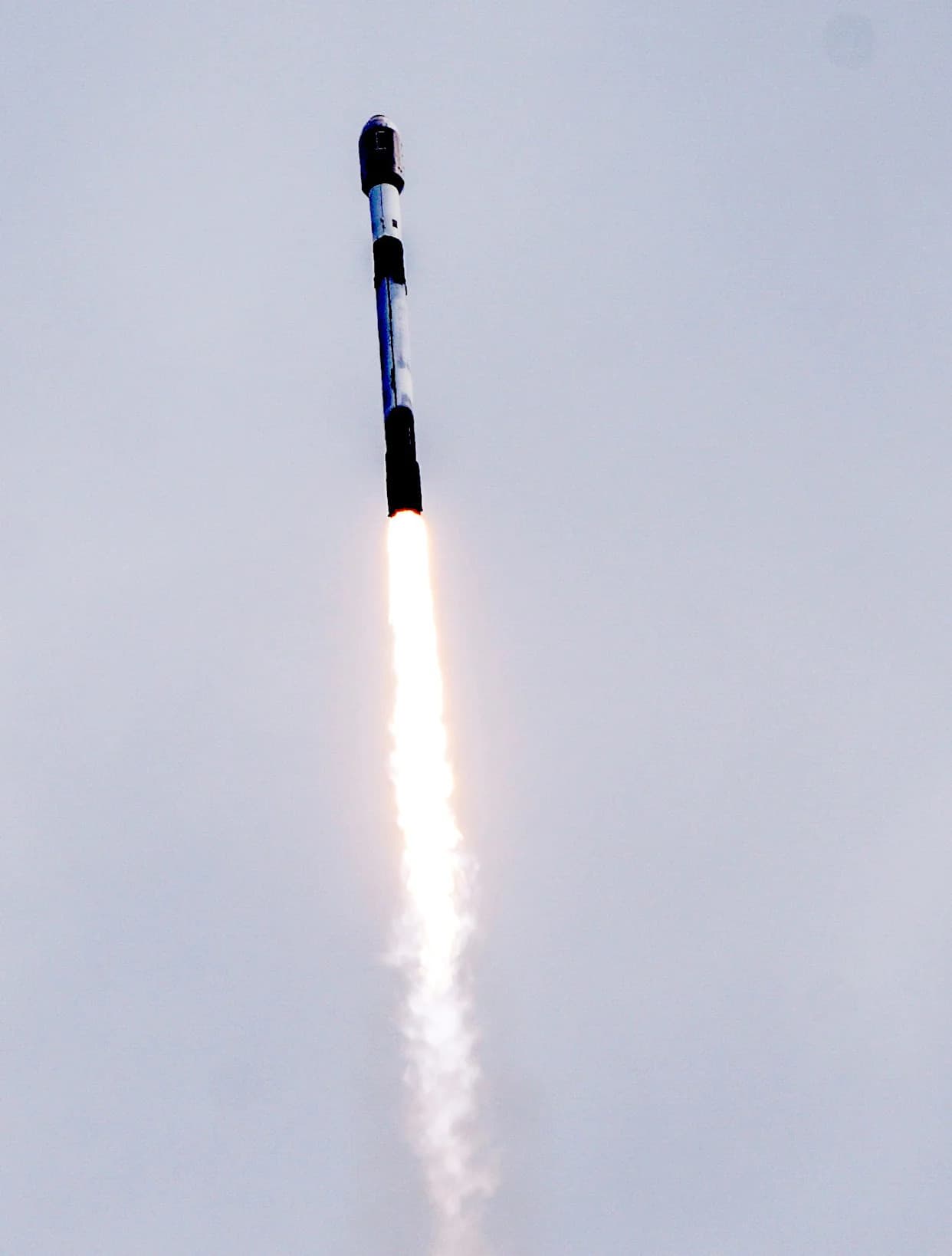
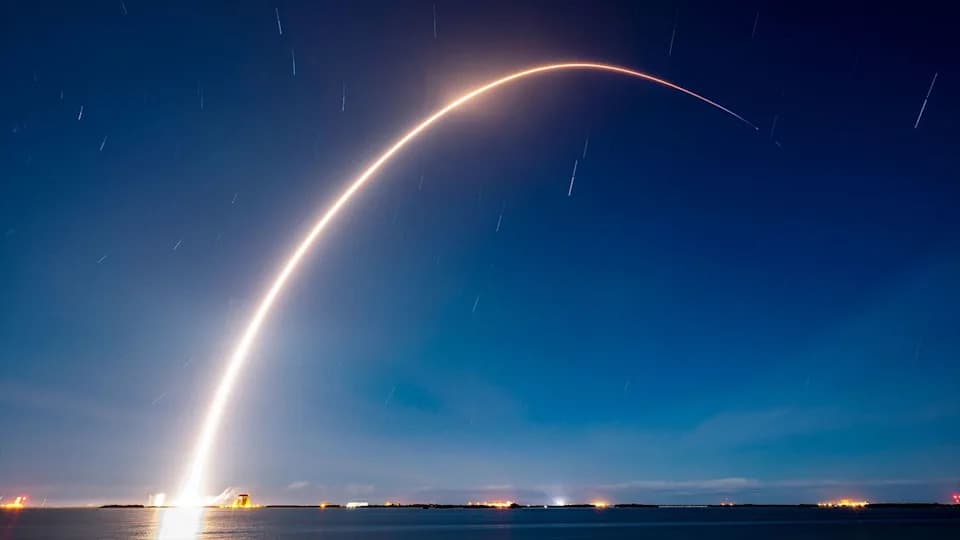
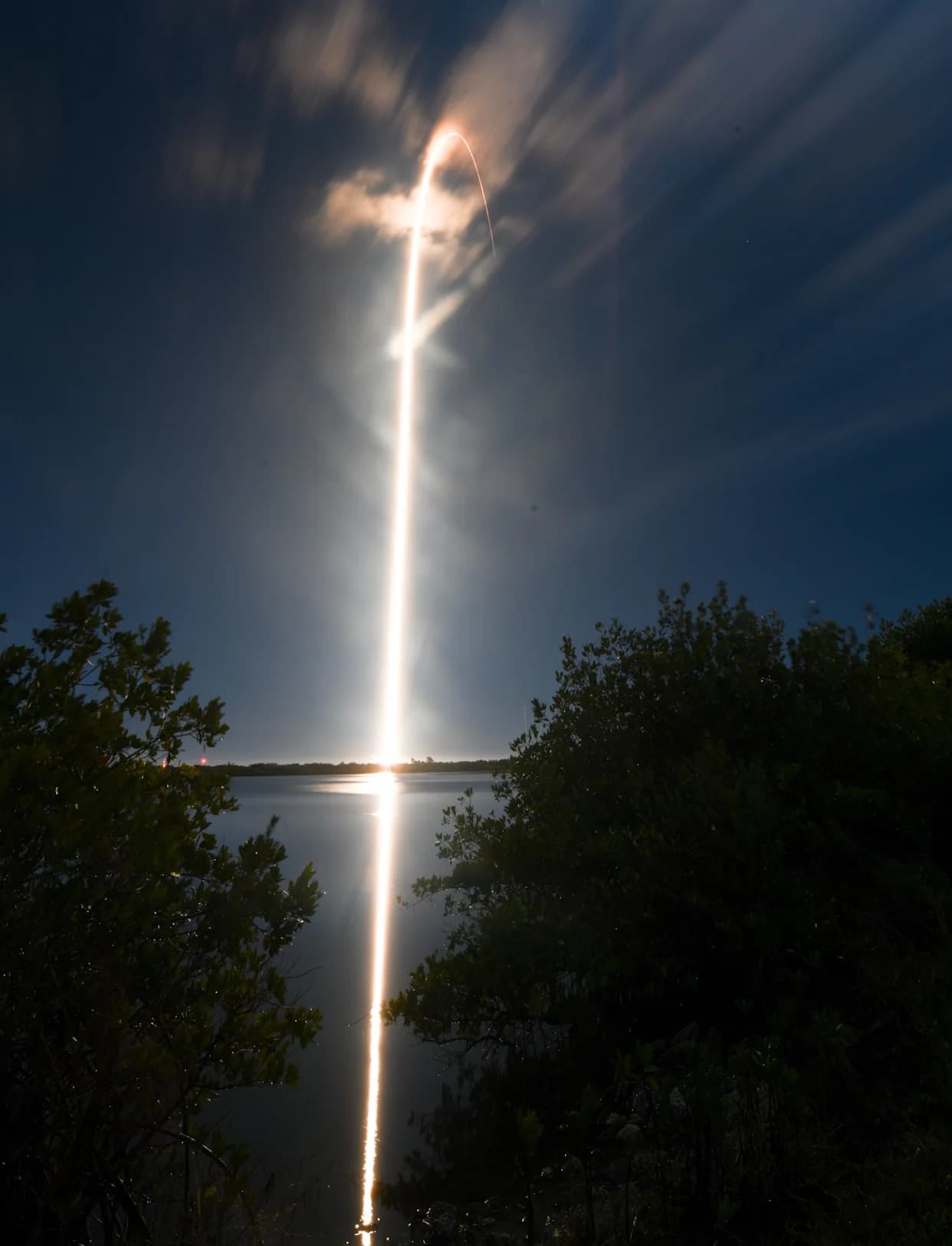
SpaceX continued its brisk launch cadence from Florida’s Space Coast. The Starlink 6‑97 mission lifted off from Launch Complex 40 at Cape Canaveral Space Force Station at 4:08 p.m. on Jan. 12, deploying more broadband satellites to low‑Earth orbit. Additional Falcon 9 missions were staged from the same facilities, with targeted launch windows that included a Jan. 14 window (1:01 p.m. to 5:01 p.m.) and a Jan. 18 window (5:04 p.m. to 9:04 p.m.). These missions typically carry ~29 Starlink satellites and aim to recover first stages on the drone ship A Shortfall Of Gravitas in the Atlantic.
Artemis II And SLS Rollout
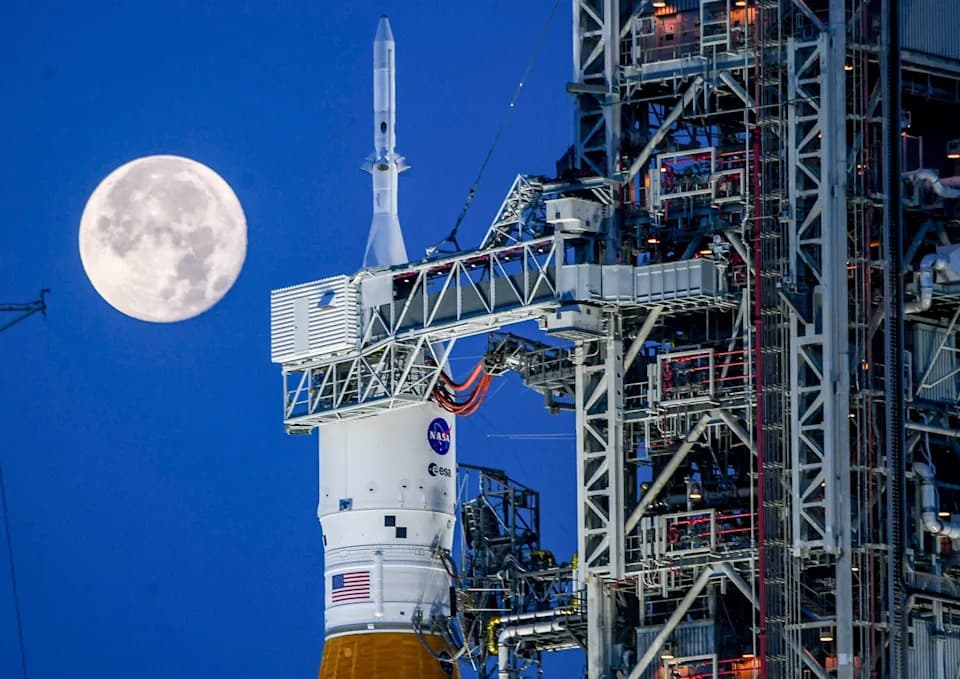
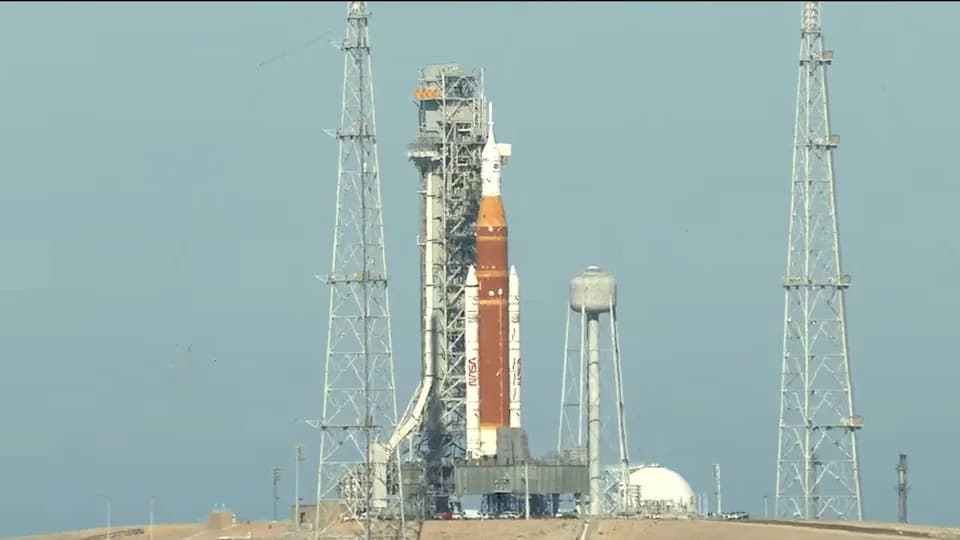
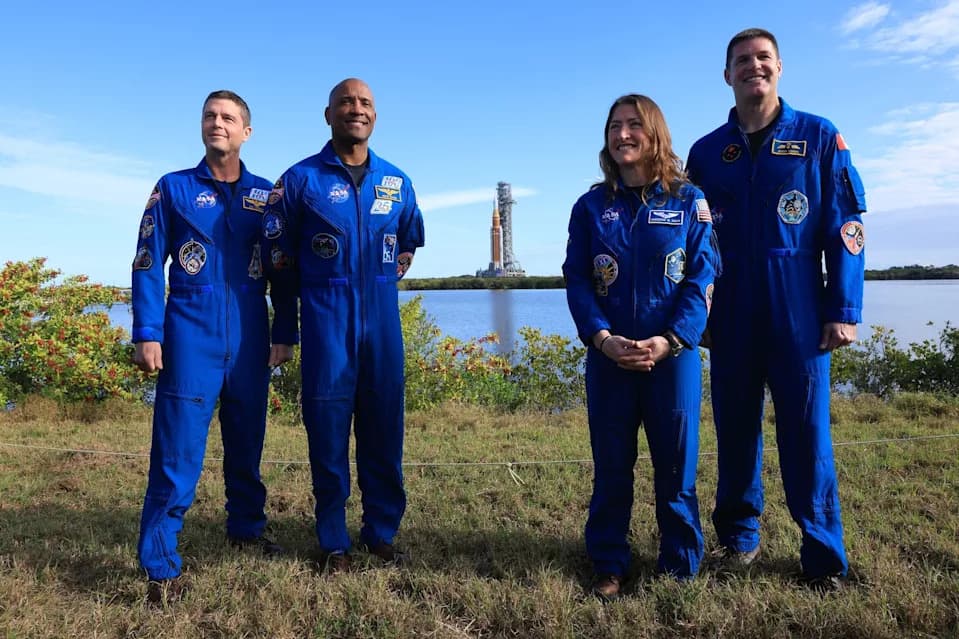
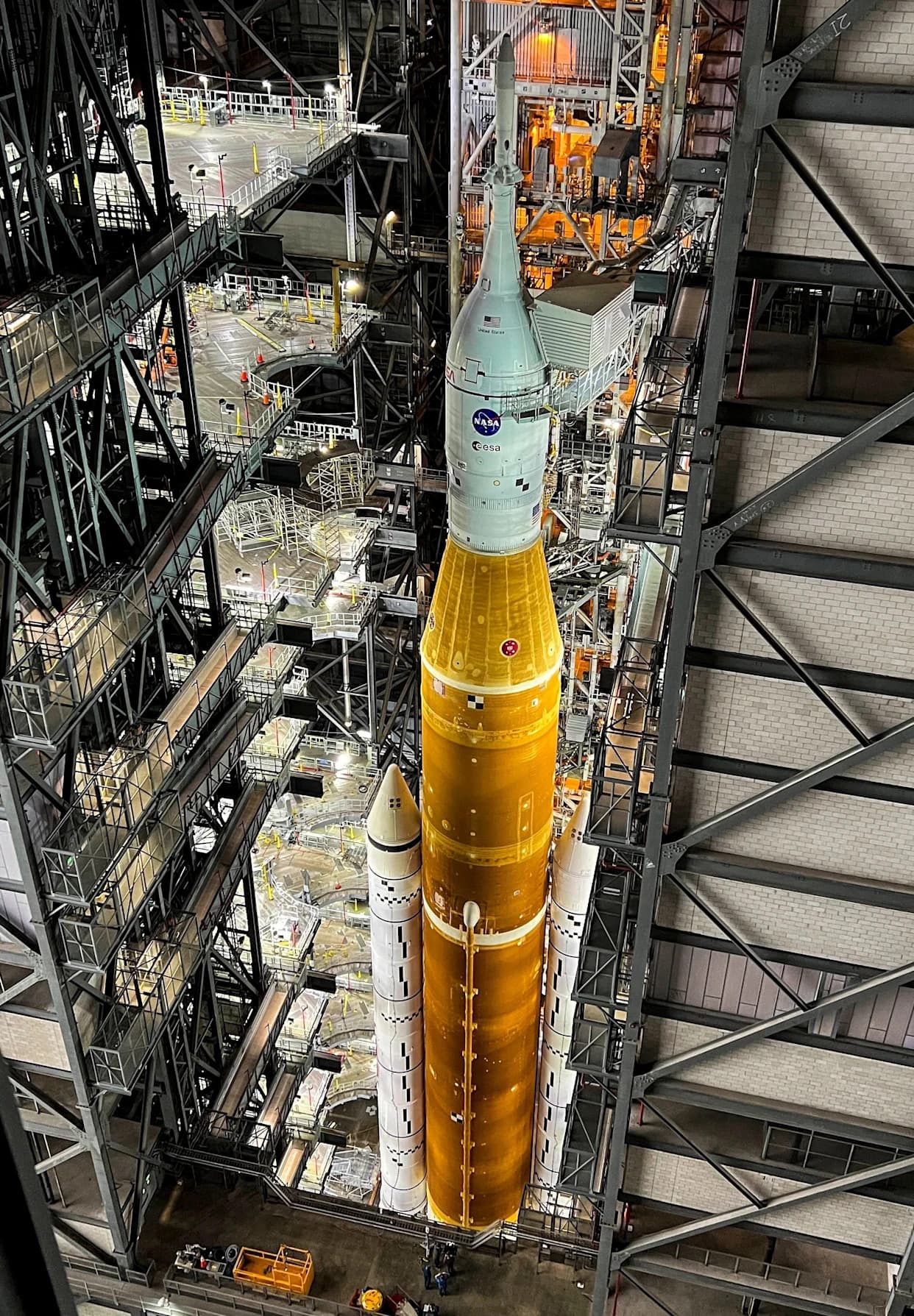
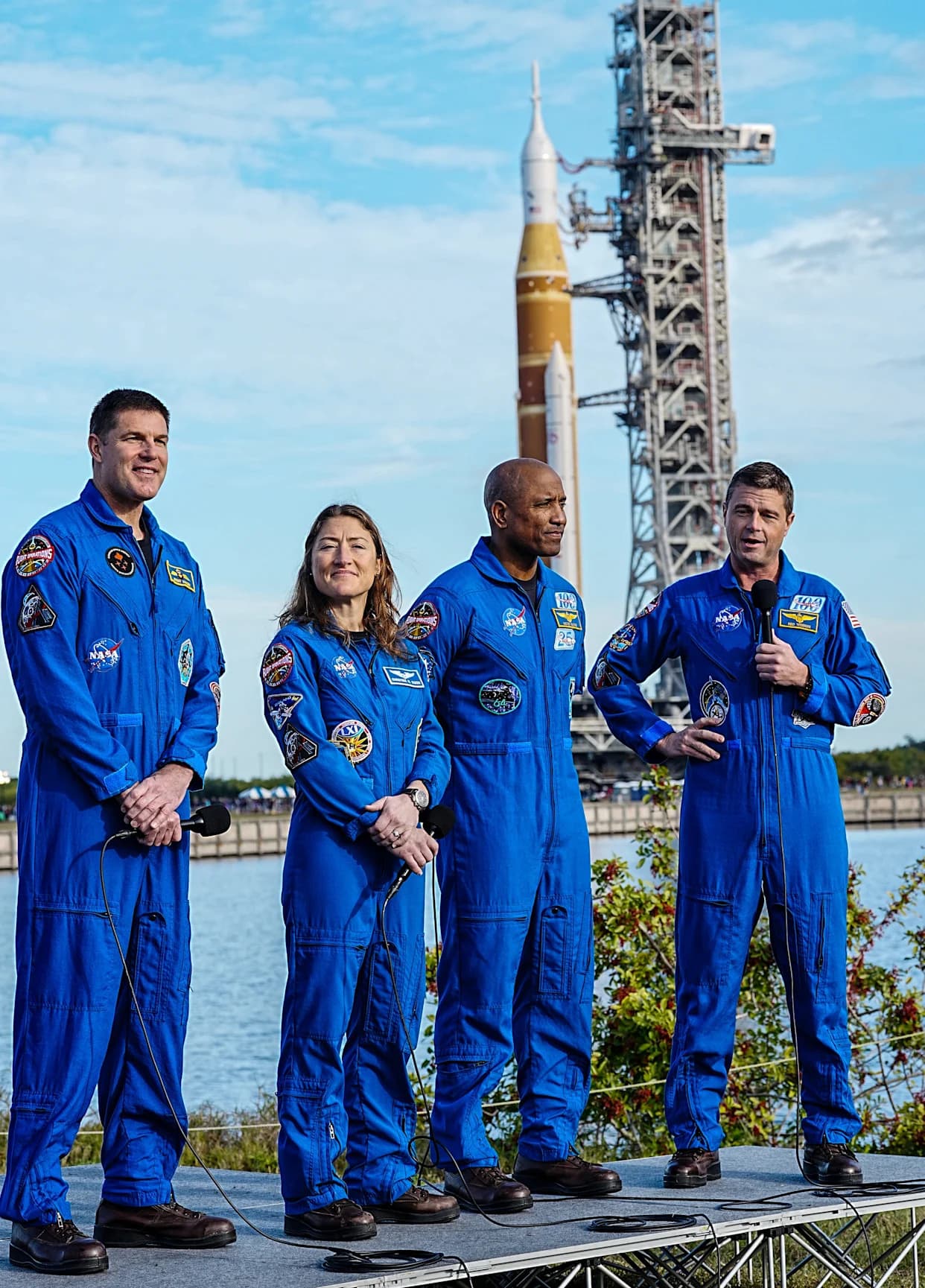
NASA’s Space Launch System (SLS) — a 322‑foot orange‑core rocket for the Artemis II mission — rolled out of the Vehicle Assembly Building on Jan. 17. The roughly 12‑hour, four‑mile crawl to Launch Complex 39B was carried out on crawler‑transporter 2 at roughly 1 mile per hour, with live coverage available from NASA. Artemis II is targeting a crewed lunar flyby that could launch as soon as Feb. 6, carrying four astronauts on a roughly 10‑day voyage around the moon and back. Agency leaders and industry supporters describe Artemis II as a stepping stone for future sustained lunar operations and greater collaboration with commercial partners.
Crew‑11 Medical Evacuation And Return
In a historic first for NASA’s human spaceflight program, the Crew‑11 mission was curtailed early for medical reasons after one astronaut experienced a health issue on Jan. 7. While the condition was not life‑threatening, NASA judged an early return necessary. The SpaceX Dragon Endeavour capsule splashed down under four main parachutes near San Diego at 3:41 a.m. on Jan. 15, concluding a 167‑day mission. The four crewmembers arrived at NASA’s Johnson Space Center in Houston on Jan. 16 for postflight reconditioning and medical evaluations.
MAVEN Contact Loss
NASA has been unable to reestablish communication with MAVEN, one of the agency’s long‑running Mars orbiters, since the beginning of December. Efforts to locate and reconnect with the spacecraft have so far been unsuccessful and remain ongoing.
Local Developments And Safety Notices
Canaveral National Seashore officials curtailed operating hours at Playalinda Beach throughout January as NASA prepared for Artemis II, and they announced a full public closure beginning Jan. 31 until after liftoff for safety and security. On Merritt Island, roadwork along Space Commerce Way concluded and the route was renamed State Road (S.R.) 321 — a local nod to the region’s space industry.
Starlink Access In Iran Amid Internet Shutdowns
Reports indicate that SpaceX’s Starlink internet service has been accessed inside Iran while national internet services were largely shut down amid nationwide protests. Human‑rights groups have flagged violent government crackdowns on demonstrations, and international responses have been discussed in political circles.
How To Follow Ongoing Coverage
For continuing updates from Cape Canaveral and Kennedy Space Center, follow dedicated space news outlets and official agency channels. Local reporting provides detailed live coverage of launches, rollouts and recovery operations.
Help us improve.