Beverly Joubert survived a near-fatal buffalo goring in Botswana in 2017 and after an 18-hour operation returned to a life devoted to documenting and protecting wildlife. She and her husband Dereck have spent decades photographing rare animal behaviour and building Great Plains Conservation across Botswana, Kenya and Zimbabwe. Their work includes large-scale translocations (100 elephants in Zimbabwe; 87 rhinos airlifted to Botswana in 2016–2018), community programs, and raising an estimated $3–$10 million annually for conservation.
After a Near-Fatal Buffalo Goring, the Jouberts Redoubled Their Fight for Wildlife

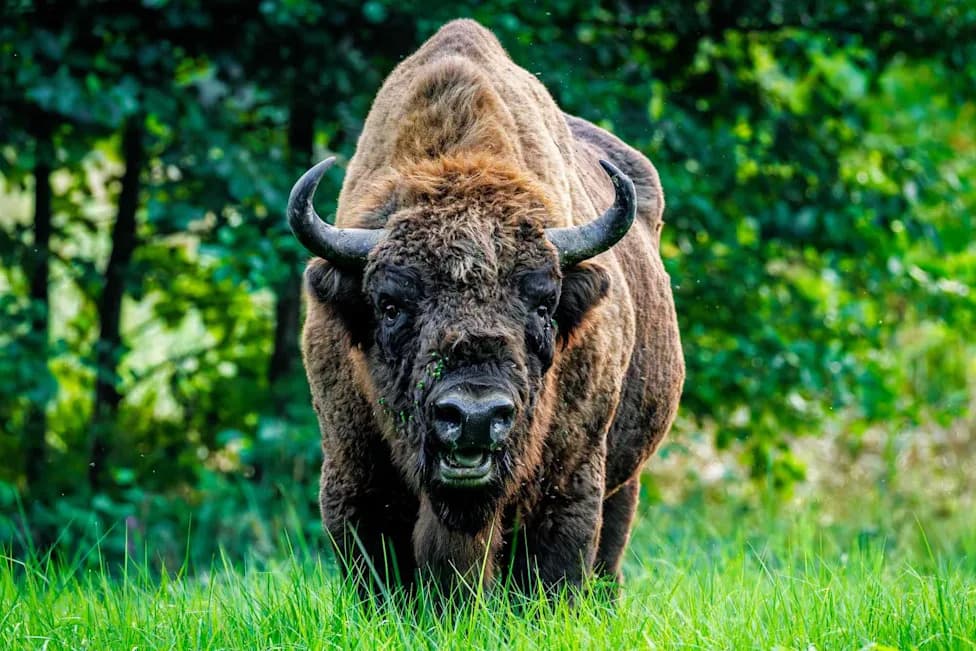
Beverly Joubert, the celebrated photographer and conservationist, narrowly survived a brutal buffalo goring in Botswana in March 2017. The horn penetrated beneath her arm, through her chest, and into her face; after an 18-hour operation involving seven surgeons she began a long recovery. "I now have 41 screws in my face and seven plates, so I am a little bionic," Beverly says with wry humor.
The attack and a renewed commitment
Although Beverly "shouldn’t have survived," the experience did not push the couple away from the wild. Instead, Beverly and her husband Dereck Joubert—both National Geographic Explorers—say the ordeal only reinforced their dedication to documenting and protecting Africa’s wildlife. Their careers span four decades living in Botswana, producing more than two dozen documentaries and thousands of photographs now collected in the retrospective book Wild Eye: A Life in Photographs.
Documenting rare behaviour
The Jouberts’ long-term presence in the field allowed them to capture behaviors rarely seen by short-term teams. Among the most startling images are Beverly’s photographs of lions hunting elephants at night in Chobe National Park’s Savute area. During the dry season of 1997, lions adapted to prey on isolated elephant calves, and the Jouberts recorded a prolonged, violent encounter that challenged assumptions about predator-prey dynamics.
Their work also records unexpected moments of compassion and complexity: Legadema, a leopard driven away by her mother after a failed hunt, famously began nurturing a day-old baboon rather than killing it—a photograph that prompts the viewer to ask what came before and what will follow.
From observation to active conservation
Witnessing declines in Africa’s big cats and other species moved the Jouberts to act. They manage the Big Cats Initiative and founded Great Plains Conservation nearly 20 years ago. By leasing land from governments and communities, they run 15 safari camps across Botswana, Kenya and Zimbabwe, employing roughly 1,000 people and managing more than 1.5 million acres. Revenue from the safari operation supports the Great Plains Foundation and a range of conservation programs.
Translocation and community programs
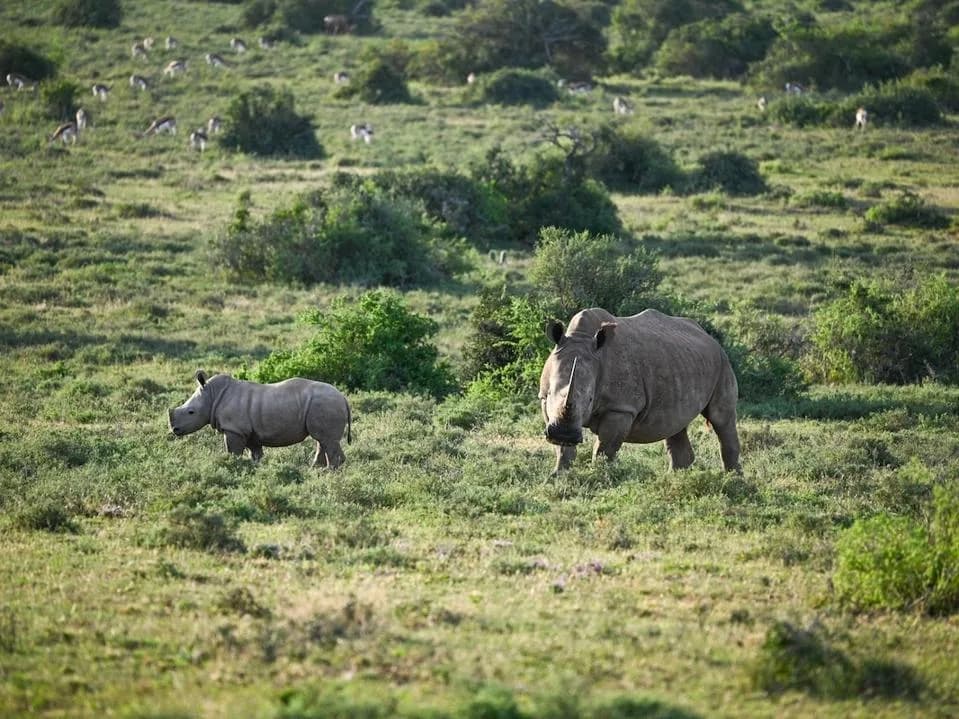
The Jouberts emphasize nonlethal interventions such as translocation to restore populations and maintain genetic diversity. Their projects have included moving 100 elephants across Zimbabwe and airlifting 87 rhinos to a secure site in Botswana between 2016 and 2018. Dereck estimates translocation costs at about $10,000 per elephant and $45,000 per rhino; outcomes can be encouraging—those 87 rhinos have produced some 90 calves in the wild.
Great Plains also channels significant funds into community development and education. The Jouberts estimate they raise and allocate between $3 million and $10 million annually for conservation and community enterprise. Programs include building schools near remote camps and distributing millions of meals—7.8 million to Maasai children in Kenya—helping create local incentives to protect wildlife.
"What we do with our work as emergency conservationists is look for opportunities within this ever-changing world to regrow and to rewild," Dereck says.
Asked what advice they would give their younger selves, Beverly urged curiosity and advocacy: "Embrace life, be curious and speak out. Speaking out is so important. If you do not speak out, animals—everything around you—will disappear." Dereck added that he would relive the life the same way despite the dangers, though he joked he might tell his younger self to "avoid buffalo a little more."
The Jouberts’ combined legacy—photography, films, land management, animal translocations and community programs—illustrates a model of conservation built on long-term commitment, direct intervention and local partnerships. Their story is equal parts survival, science, art and hands-on conservation.
Help us improve.