The nationwide redistricting fight, driven in part by former President Trump’s push for partisan map changes, is reshaping the 2026 House landscape. A federal court blocked Texas’s new map and sent the dispute toward the Supreme Court, leaving many campaigns and retirement decisions in flux. California Democrats have proposed a counter-map that could put several GOP districts at risk, while smaller redraws in states like Missouri, Utah, Ohio and North Carolina have triggered significant local consequences. The scramble is intensifying intra-party tensions and may influence the balance of power in Congress.
Redistricting Scramble Reshapes 2026 Midterm Map — Courts, Candidates and Party Rifts
The nationwide fight over congressional map lines — fueled largely by former President Donald Trump's pressure on state Republican leaders — is reshaping the battlefield for control of the U.S. House in the 2026 midterms. The struggle, unfolding in courtrooms, state capitols and social media, has already moved candidates into new seats, prompted retirements, triggered costly incumbent-versus-incumbent battles and exposed deep tensions within both parties.
Texas: A fulcrum with uncertain fate
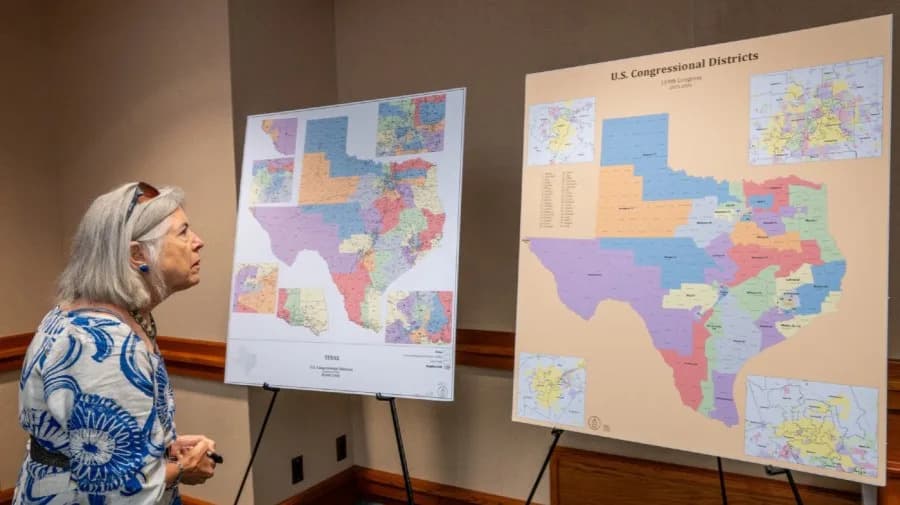
Texas sits at the center of the dispute. State Republicans adopted a map intended to net the GOP as many as five additional House seats by adding more conservative voters to South Texas districts held by Democrats Henry Cuellar and Vicente Gonzalez, reshaping Houston and Dallas districts to potentially force Democratic incumbents into primaries, and splitting Austin into one solidly blue seat and another that leans Republican toward San Antonio. A federal court has blocked that map from taking effect and ordered the 2026 elections to proceed under last year’s lines while the case heads to the Supreme Court — leaving the ultimate map, and several campaigns, in limbo. Among the uncertainties: whether Austin-area Rep. Lloyd Doggett stays in the race and whether January’s special election to replace the late Rep. Sylvester Turner will immediately force the winner into a rematch under altered lines.
California’s response and ripple effects
Democrats in California have proposed an aggressive counter-map designed to blunt potential Republican gains elsewhere. Analyses indicate several Republican-held districts—including those of Doug LaMalfa, Darrell Issa, Kevin Kiley, Ken Calvert and David Valadao—would become significantly more vulnerable. The plan has already prompted strategic moves: Rep. Ken Calvert announced he will run in a neighboring district represented by fellow Republican Young Kim, setting up an expensive primary; Kim has signaled plans to spend heavily to defend her seat.
State lawmakers, primary fights and new faces
Across multiple states, lawmakers who supported new maps are stepping forward as candidates for newly competitive seats. In Texas, Republican state Reps. Briscoe Cain and John Lujan launched campaigns immediately after the maps passed; other state figures such as Katrina Pierson have signaled interest. In California, Democratic state Sen. Mike McGuire—facing term limits—announced a challenge to a Republican incumbent. Those shifts increase the likelihood of bruising primaries and raise the stakes for state legislatures that drew the lines.
Smaller map changes with big consequences
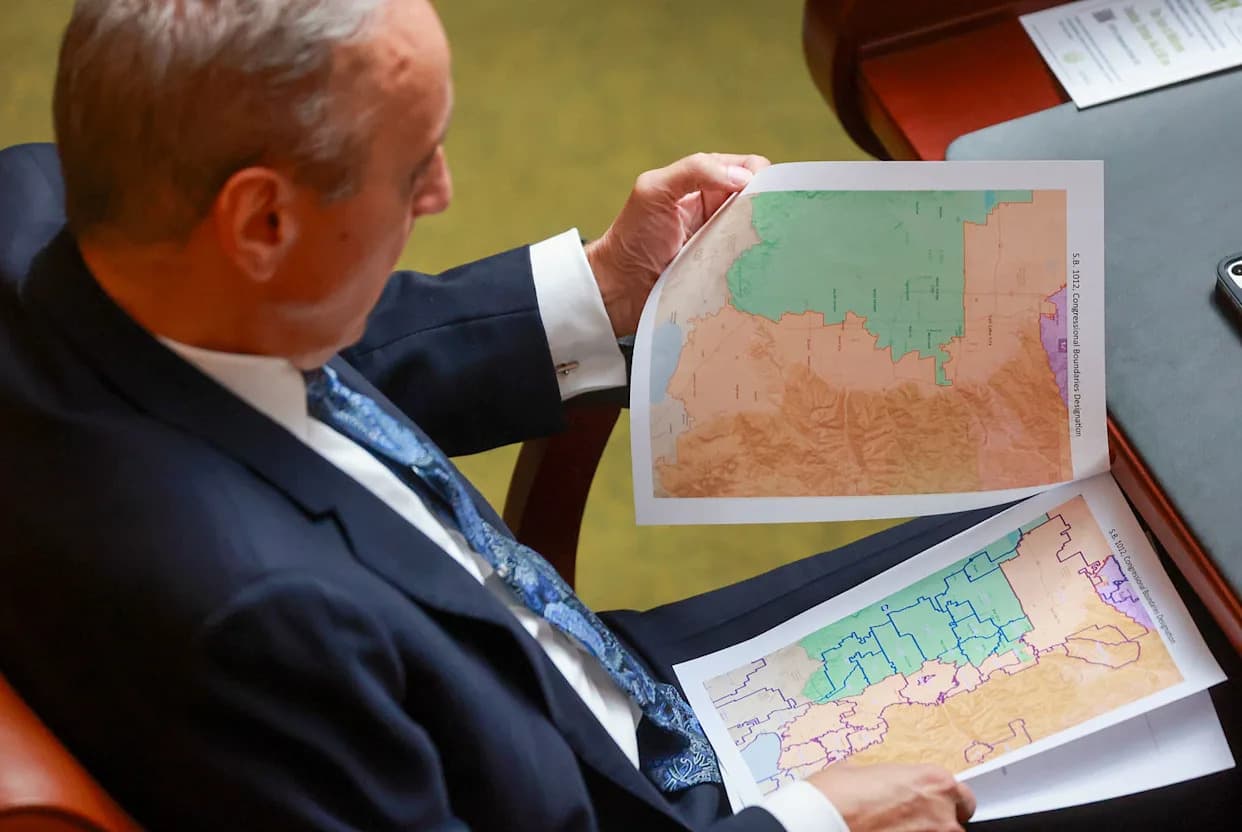
Even modest adjustments elsewhere have produced outsized effects. In Missouri, Republicans packed a long-held Democratic district, imperiling Rep. Emanuel Cleaver and prompting opponents to organize a petition drive aimed at referring the map to voters. In Utah, a court-ordered redraw created a new Democratic-leaning seat in the Salt Lake City area, setting up an unusual primary for the state’s Democrats. In Ohio, a negotiated map protected Rep. Emilia Sykes while shifting more Republican voters into districts held by Reps. Marcy Kaptur and Greg Landsman; one GOP challenger withdrew from a rematch after the compromise. In North Carolina, new lines have made Rep. Don Davis’ path to re-election harder, though he intends to run.
Political and personal fallout
The redistricting fight has intensified intra-party strife and drawn intervention from national figures. In Indiana, Trump publicly criticized GOP leaders for not advancing a partisan redraw, warning he would back primary challenges; hours after that exchange, a Republican legislative leader was the target of a swatting incident. In Maryland, Gov. Wes Moore is pushing a redistricting commission even as some Democratic leaders urge caution after earlier maps were struck down by courts.
'What type of country do we want to be? And who are we in this moment when things are so brittle and tense. Do we reflect a different value to show the path forward as states, or do we fight to the death one election at a time?' — State Senate President Bill Ferguson
'There’s nothing conservative about using our supermajority to grab more power,' — Missouri Republican state Rep. Bryant Wolfin
What to watch next
The Supreme Court’s forthcoming decisions, court injunctions, and possible voter referendums will determine which maps stand and how many campaigns are reshuffled. Expect continued movement as candidates assess new district lines, weigh primary challenges, or opt to run for other offices. The outcome of these fights will shape not only who runs in 2026 but also the overall balance of power in the next House.
Help us improve.