Ice Ages are repeated sequences of glacial and interglacial phases rather than one continuous freeze, and the Quaternary glaciation that began ~2.6 million years ago continues today as an interglacial. These cycles reshaped landscapes, exposed land bridges, altered climates and drove evolutionary change. Abrupt events like the Younger Dryas show how quickly the climate can shift, while evidence from ice cores, fossils and cave art preserves the story of life during these times.
14 Fascinating Facts About the Ice Age — How Ice Shaped the Planet and Life

14 Fascinating Facts About the Ice Age
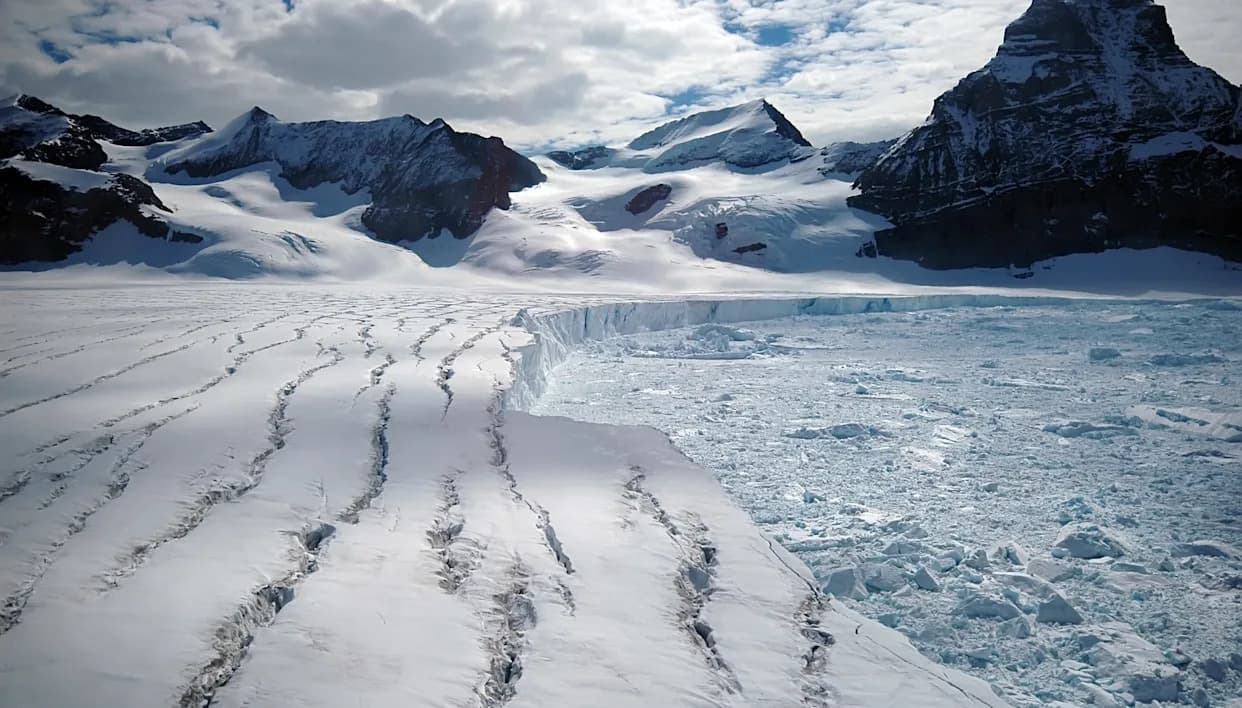
Picture a planet where vast ice sheets reshaped continents while woolly mammoths and saber-toothed cats roamed the tundra. The term "Ice Age" doesn't describe a single unbroken freeze but a series of glacial and interglacial cycles that profoundly altered Earth’s climate, landscapes and life.
- Ice Ages are cyclical, not continuous. An Ice Age describes long intervals when glaciers expanded; within them, colder "glacial" and warmer "interglacial" phases alternate.
- We still live in an Ice Age. The Quaternary glaciation began about 2.6 million years ago; today we are in a warm interglacial period but the larger Ice Age technically continues.
- Earth has experienced multiple major Ice Ages. Over geological time there have been at least five deep glaciations, each lasting millions of years and separated by warmer intervals.
- The Quaternary sculpted much of today’s surface. Repeated advances and retreats of ice sheets over the last 2.6 million years carved valleys, lakes and coastlines that we recognize today.
- Ice Ages changed global water and weather patterns. Large volumes of water locked in ice lowered sea levels, altered precipitation patterns and shifted the distribution of ecosystems.
- Glacial cycles drove evolution and extinction. Rapid environmental change forced many species to adapt, migrate, or disappear, shaping modern biodiversity.
- Giant ground sloths once roamed the Americas. Some species reached elephant size, with thick fur and strong claws, and played important ecological roles such as seed dispersal.
- Woolly megafauna were common. In addition to woolly mammoths, animals like woolly rhinoceroses, giant beavers and cave lions evolved thick coats. Many of these large species went extinct around the end of the last glacial period due to a mix of climate change, habitat loss and human hunting.
- Sea-level fall exposed land bridges. Lowered oceans connected continents (for example, Beringia between Siberia and Alaska), facilitating human and animal migrations.
- The Sahara was sometimes green. Periods of increased rainfall transformed parts of the Sahara into lakes and grasslands—the so-called "Green Sahara" that supported abundant wildlife and humans.
- Climate changes could be abrupt: the Younger Dryas. Around 12,900 years ago the Younger Dryas returned the Northern Hemisphere temporarily to near-glacial conditions for roughly 1,300 years, showing how quickly climate can shift.
- The end of the last glacial interval was relatively rapid. Over a few thousand years ice retreated, sea levels rose and habitats reorganized, with major consequences for species and human societies.
- Glaciers left a visible legacy. Ice sculpted fjords, carved valleys, and deposited sediments that created features such as the Great Lakes of North America and Norway's fjords.
- Scientists use multiple lines of evidence. Milankovitch cycles (changes in Earth’s orbit and tilt) help explain the timing of glacial cycles; ancient events like the Huronian glaciation (over 2 billion years ago) show Earth’s long climate history; and direct records—ice cores, fossils, and cave art—help reconstruct environments and human life during Ice Age times.
Ice Ages remain a vital part of Earth’s story: they reshaped continents, influenced evolution, opened migration routes and left deep physical and cultural traces. Studying them helps us understand past climate changes and better anticipate future shifts.
Help us improve.