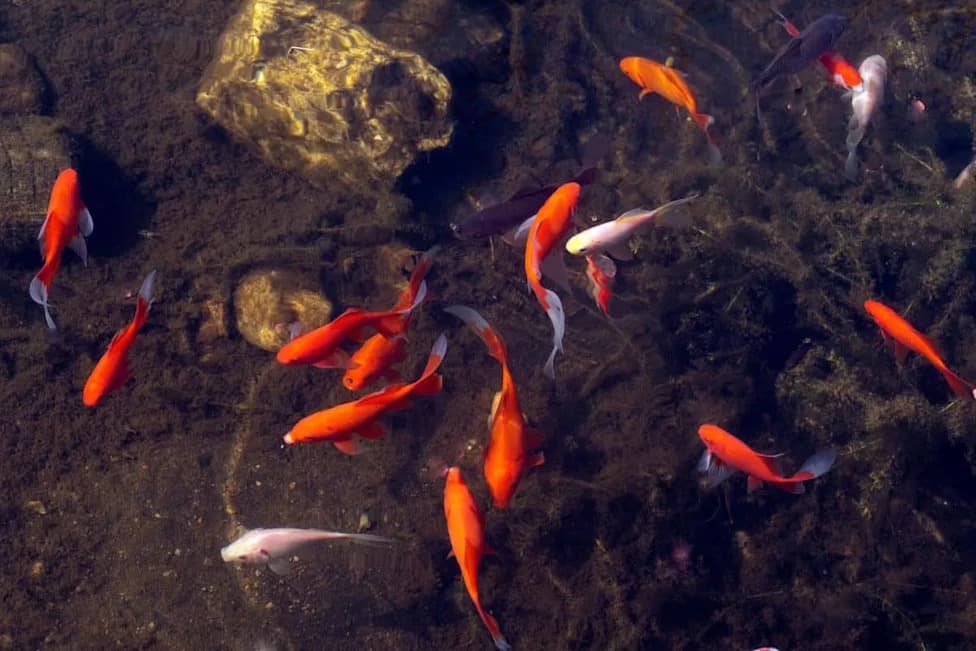
Storm Amy breached aquaculture pens at Loch Linnhe, releasing nearly 75,000 farmed Atlantic salmon. Scientists warn surviving escapees can interbreed with endangered wild salmon, causing genetic introgression that weakens local adaptations. The event—timed with the wild spawning run—heightens the risk of long-term harm. Experts call for stricter regulation, improved containment, and genetic monitoring.
Storm Amy Breach Releases Nearly 75,000 Farmed Salmon — Scientists Warn of Long-Term Genetic Damage

Storm Amy breach releases thousands of farmed salmon into Scottish waters
Storm Amy’s surge breached sea pens in the Scottish Highlands, allowing nearly 75,000 farmed Atlantic salmon to escape from an aquaculture site into Loch Linnhe and surrounding waters. While many escapees may not survive in the wild, researchers warn the survivors pose a serious ecological threat.
Farmed salmon are selectively bred for aquaculture and differ genetically and behaviourally from wild salmon. Raised on pellet feed and sheltered in pens, they lack the hunting skills and local adaptations of wild fish.
Scientists’ primary concern is not only the immediate mortality of escapees but the risk that surviving farmed fish will interbreed with wild salmon. When this happens, offspring can inherit a mix of traits that make them less well adapted to their natural environment — a process known as genetic introgression that can erode the genetic integrity of wild populations over time.
“When they breed with wild salmon, their offspring inherit a mix of traits — neither truly wild nor farmed — leaving them less suited to their natural environment,”
The timing of the escape is particularly worrying because wild Atlantic salmon are currently returning to Scottish rivers to spawn. Introducing large numbers of farmed fish during the breeding season increases the likelihood of interbreeding and long-term genetic harm to already vulnerable stocks.
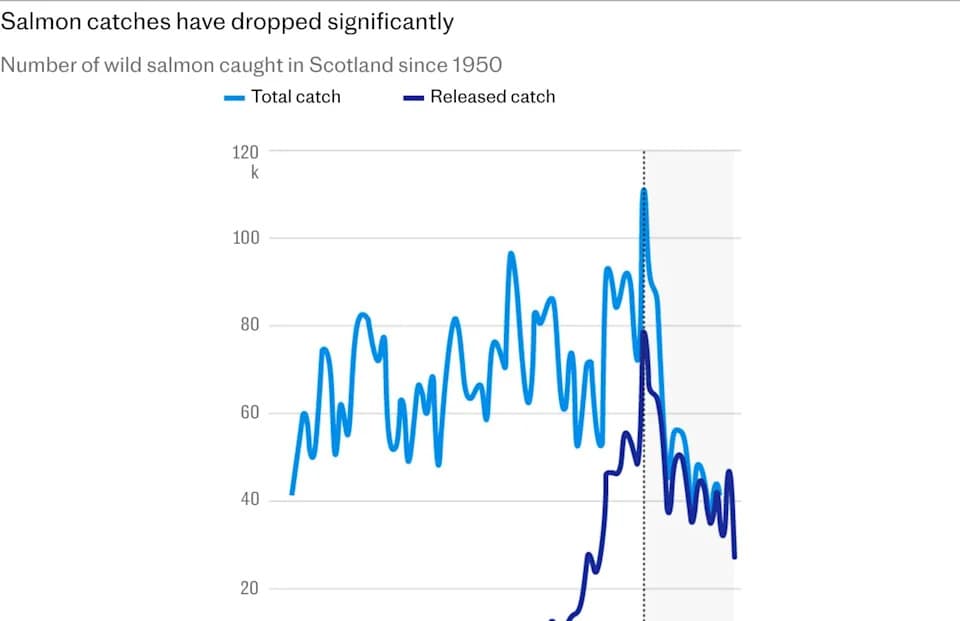
Wild Atlantic salmon are listed as endangered in Great Britain, so the influx of farmed fish threatens both population numbers and genetic resilience. Concerns are not new: a 2021 Marine Scotland report found rivers near fish farms in "very poor condition" with evidence of major genetic changes.
Beyond local ecological risks, the incident underscores a broader pattern: extreme weather events are intensifying as global temperatures rise, increasing the chance of similar containment failures.
Researchers call for action
Scientists and media outlets cited in the report urge stronger measures to reduce future risks, including:
- tighter regulation and enforcement of aquaculture containment standards;
- improved pen design and emergency procedures to withstand severe weather;
- systematic genetic monitoring of wild salmon populations to detect and manage introgression;
- better siting of farms to reduce interaction with vulnerable wild runs.
Taken together, these steps could help protect wild salmon populations from the ecological and genetic consequences of mass escapes during increasingly frequent and intense storms.
Help us improve.