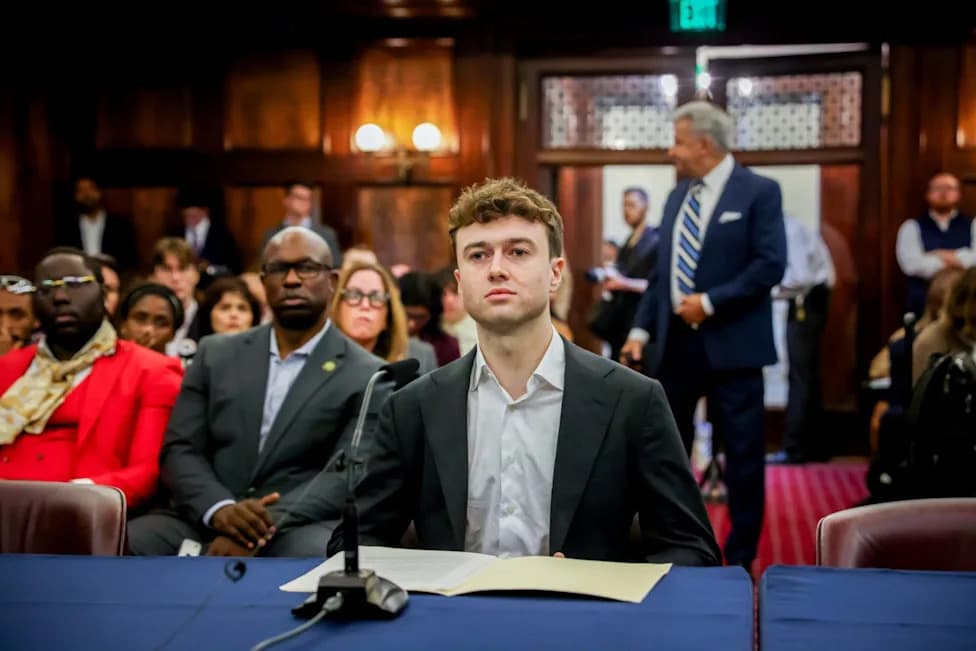
The Supreme Court opened its 2026–2027 term by hearing Boulder, Colorado’s suit against ExxonMobil and Suncor seeking compensation for climate-related costs. Boulder frames the case as a deception claim—not an effort to stop fossil-fuel production—while the companies argue state courts would be used to regulate global emissions. The justices debated jurisdictional, federalism and Clean Air Act issues; the ruling could reshape dozens of related local and state climate suits.
Who Pays for Climate Change? Supreme Court Hears Boulder’s Case Against ExxonMobil and Suncor
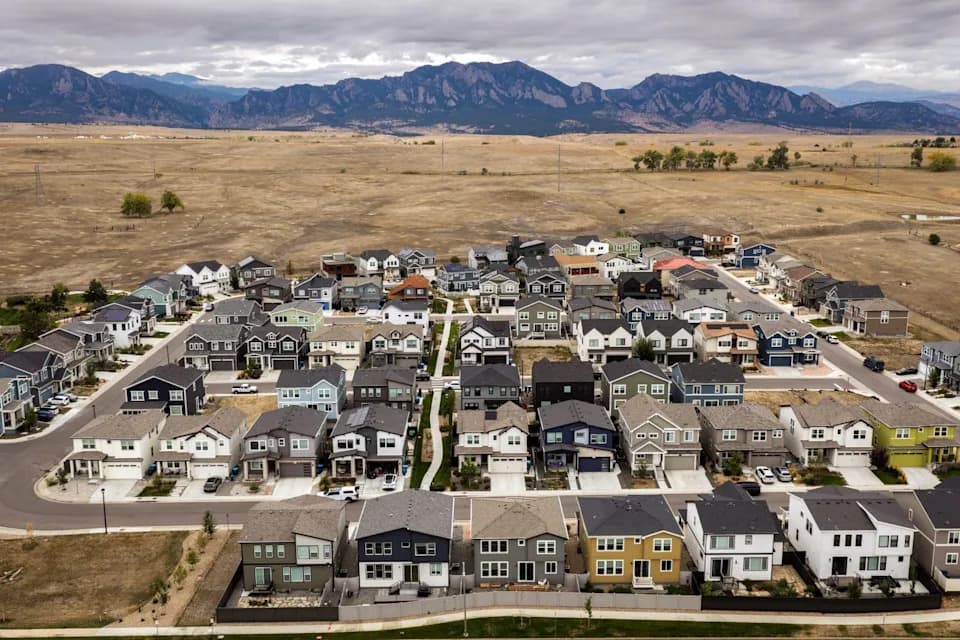
A recently rebuilt neighborhood in Superior, Colorado, that had been destroyed in the Marshall Fire. Boulder County, where Superior lies, is suing oil companies in an attempt to receive compensation for the effects of climate change.
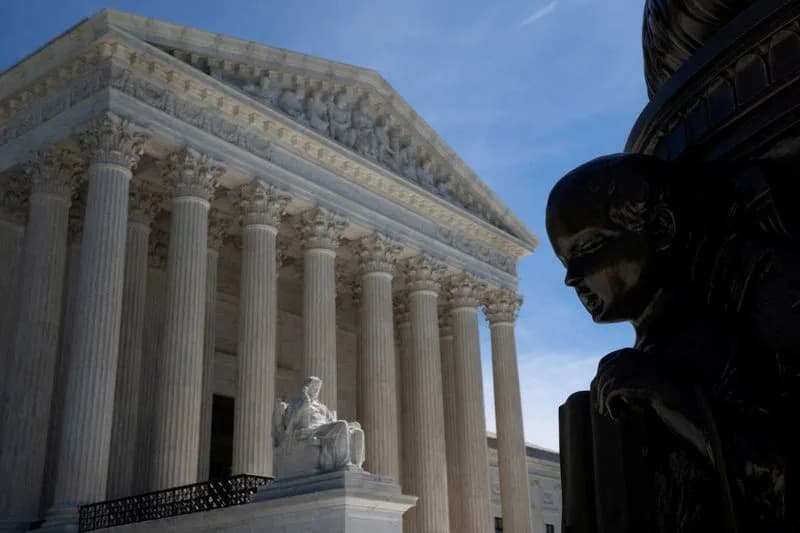
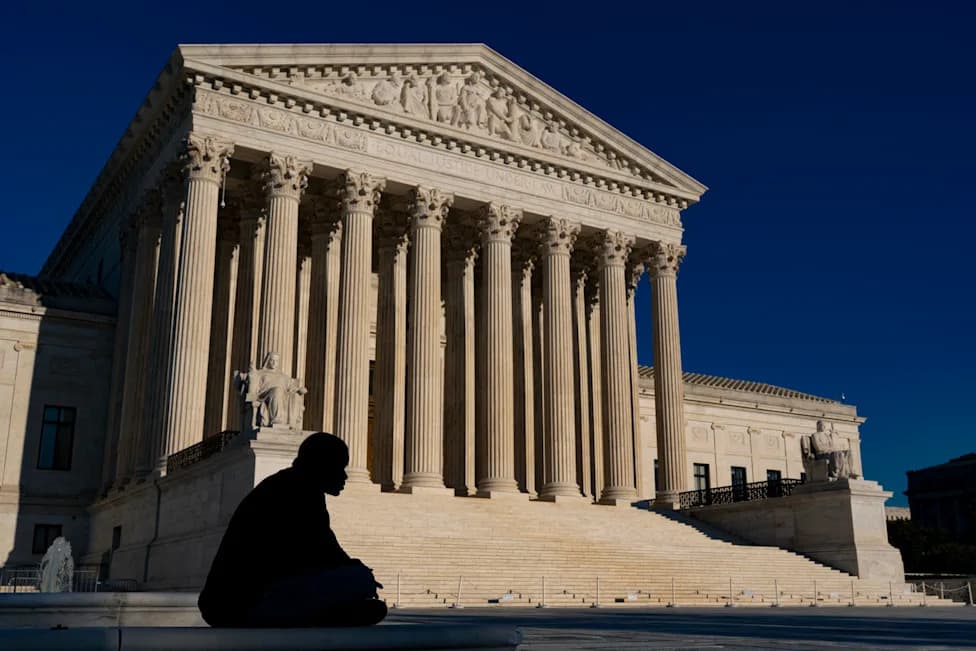
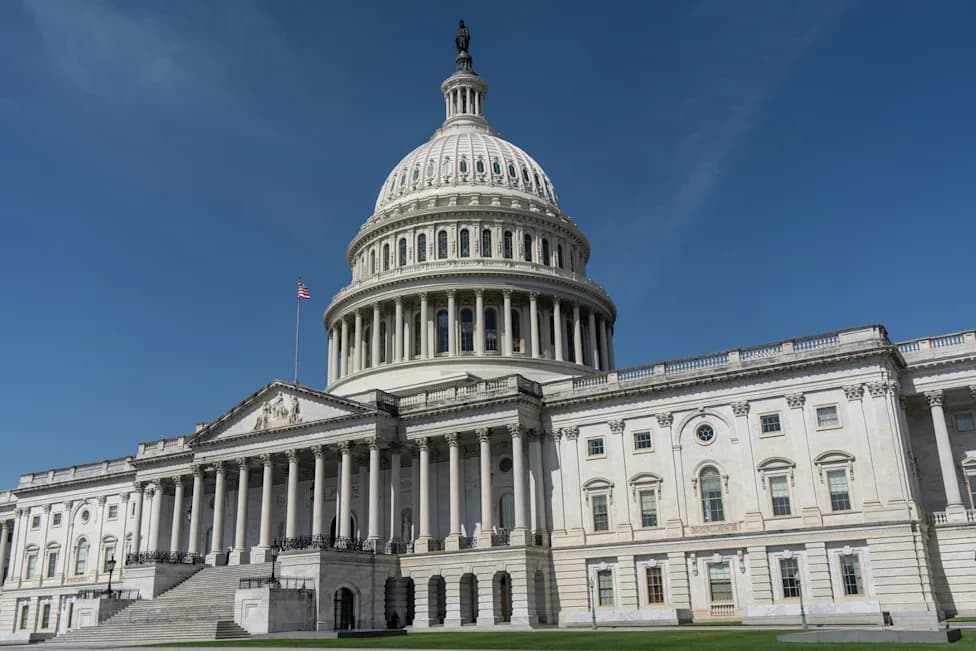
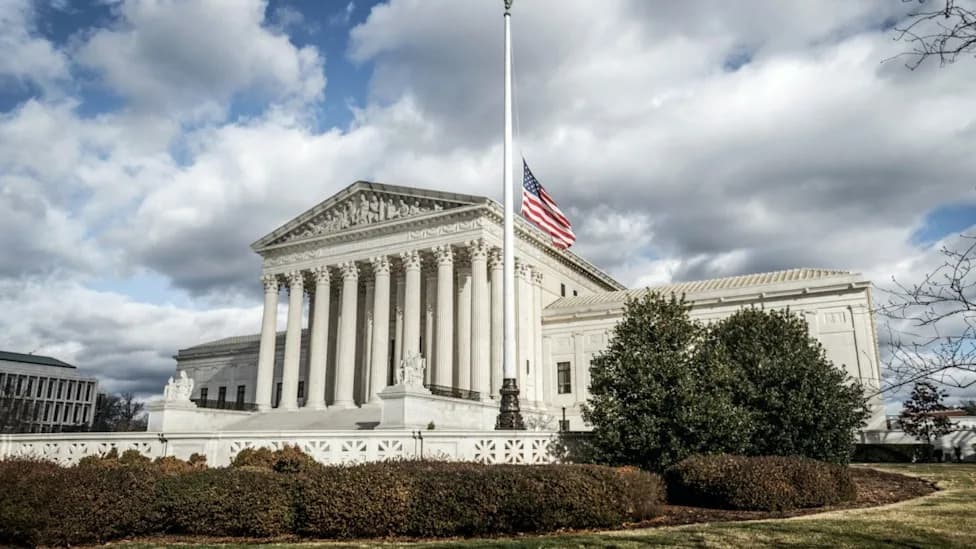
The Supreme Court opened its 2026–2027 term by hearing a potentially landmark climate case: the City of Boulder, Colorado, has sued ExxonMobil and Canadian oil company Suncor seeking compensation for costs it attributes to climate-driven harms. The two-hour argument probed whether state courts may hold fossil-fuel companies liable for global warming impacts or whether such disputes belong to federal policymakers and regulators.
What the Case Argues
Boulder does not ask the court to halt oil production or to prohibit the use of fossil fuels. Instead, the city alleges that the companies misled the public about the risks their products pose and seeks money to address the resulting harm—an approach Boulder’s lawyers compare to 1990s lawsuits against tobacco firms that sought reimbursement for public-health and counter-marketing costs.
Arguments Presented at the Court
Lawyers for ExxonMobil and Suncor urged the justices to remove the case from state court, arguing that letting a Colorado court entertain these claims would amount to allowing a single state to regulate global greenhouse gas emissions. As their attorney Kannon Shanmugam put it, the case represents "an unprecedented effort to use state law to regulate global conduct."
“Boulder could tag me … when I am in Colorado in two weeks and sue me on a nuisance claim for refilling my car and thereby contributing to global climate change,” said Shanmugam, illustrating the defendants’ concern about expansive liability.
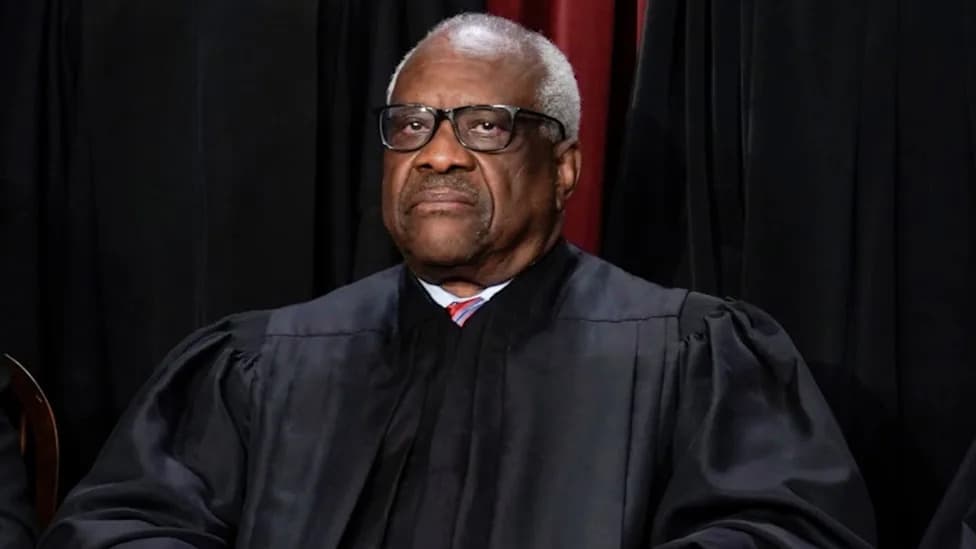
Several justices — eight participated after Justice Samuel Alito recused himself — pressed both sides to frame the dispute more simply, but they did not coalesce around a single, clear theory. Some justices expressed concern about the potential financial consequences for energy companies; others focused on questions of federalism and whether the Clean Air Act displaces state-law claims about emissions.
How Boulder Frames Its Case
Boulder’s lawyer, Kevin Russell, emphasized that the city’s theory is a deception claim: companies allegedly concealed or downplayed the risks of their products, and should therefore help pay to address harms the city now faces. Russell argued this would not bar continued production or consumption of fossil fuels, but would require firms to “internalize a portion of the cost of their activities by paying for some of the damage.”
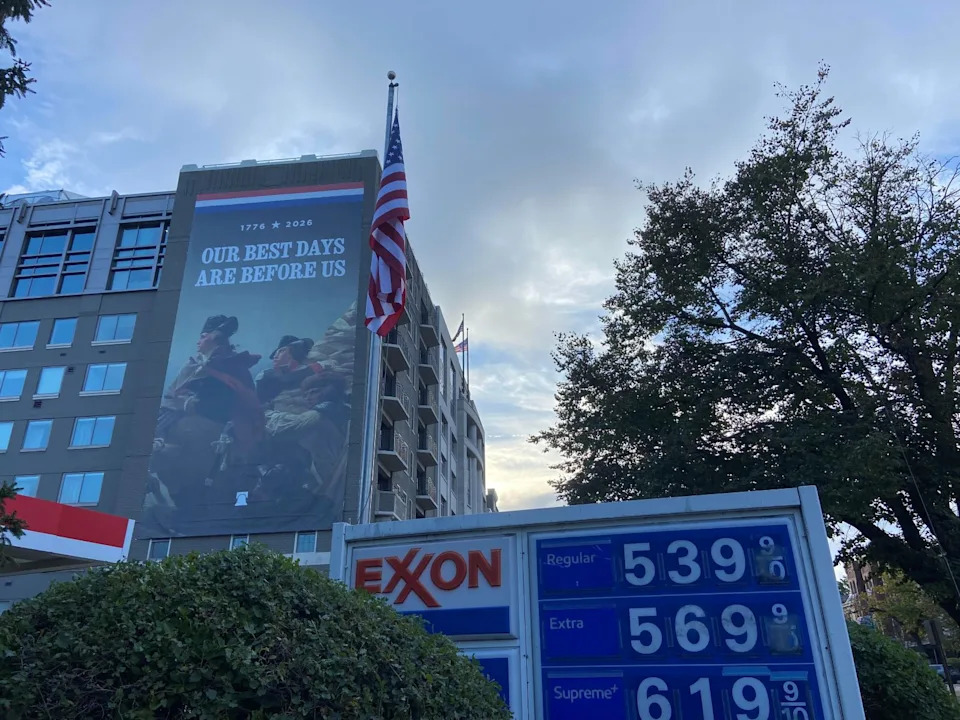
An Exxon gas station lies only blocks from the Supreme Court building on Massachusetts Avenue in Washington, DC. ExxonMobil is one of the defendants in Boulder's climate case. The Heritage Foundation, a conservative think tank, looms behind the station.
Possible Outcomes and Broader Impact
The Court’s decision could take several forms: it could rule that the Supreme Court is the proper forum and set a nationwide precedent, it could send the case back to Colorado to proceed in state court, or the justices could split 4–4 (which would leave the lower-court ruling intact). Each possible holding could affect dozens of similar suits filed by local and state governments seeking to recover costs related to climate-driven damage.
Legal observers noted the Court might ground its ruling on federal preemption, Article III or federal-question jurisdiction, or on statutory interpretation of the Clean Air Act. Because other climate suits rest on differing legal theories, the practical effects of any opinion will vary across cases.
Why It Matters
The case matters not only for Boulder and the defendants but for cities, counties and states nationwide that are pursuing damages tied to climate harms. If courts allow state-law deception or nuisance claims to proceed, it could create substantial liability exposure for fossil-fuel producers; if the Court restricts such suits, it could steer climate-related accountability toward Congress and federal regulatory agencies.
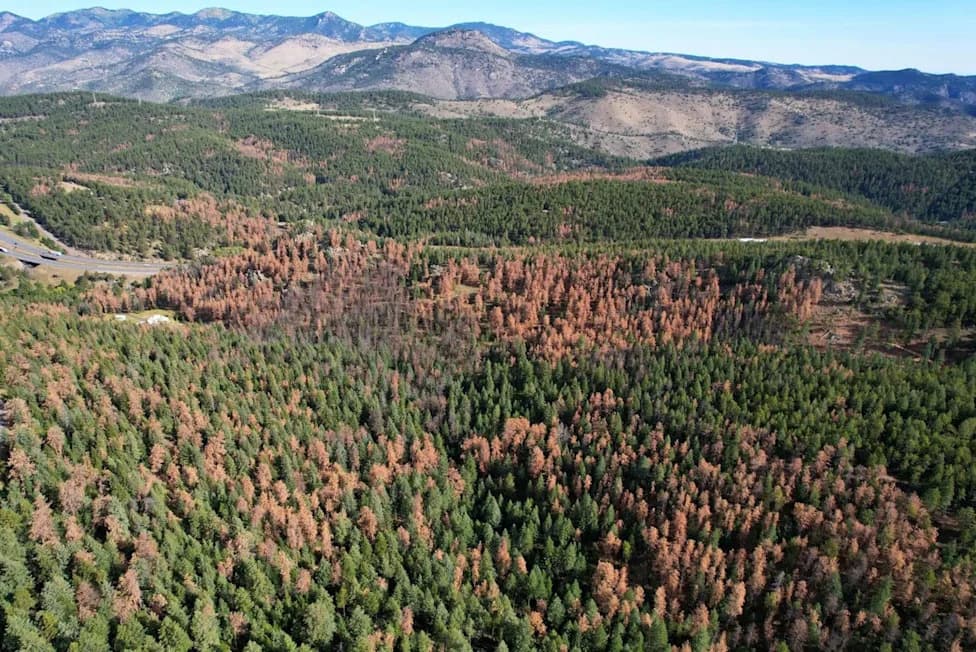
Local context: Boulder and Boulder County cite specific harms such as the 2021 Marshall Fire in nearby Superior as examples of climate-related damages they are trying to address through litigation and recovery of costs.
Next steps: After oral arguments early in the term, the justices typically take months to issue a decision. That opinion will be closely parsed for its scope and the reasoning that other courts may apply to related suits.
This article is based on reporting originally published by Grist on Oct. 6, 2026.
Help us improve.