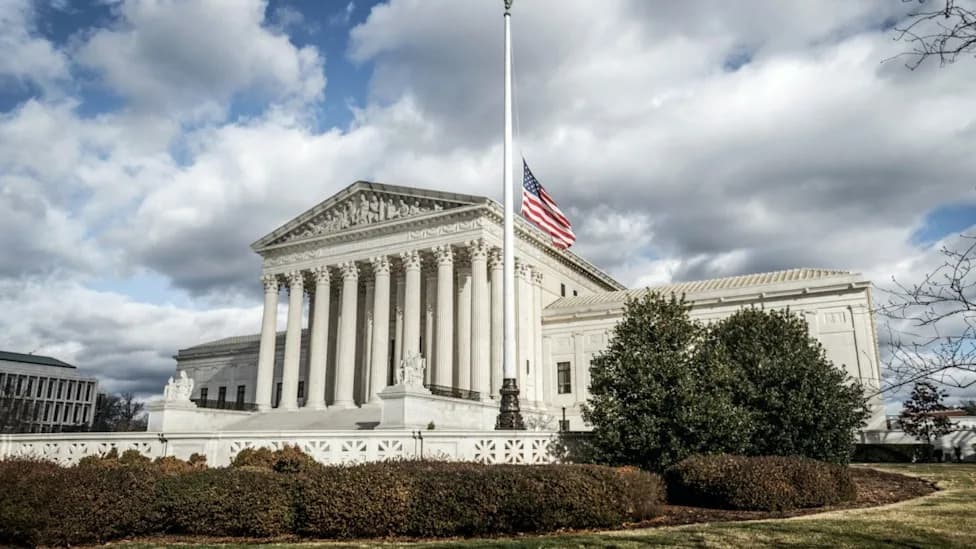
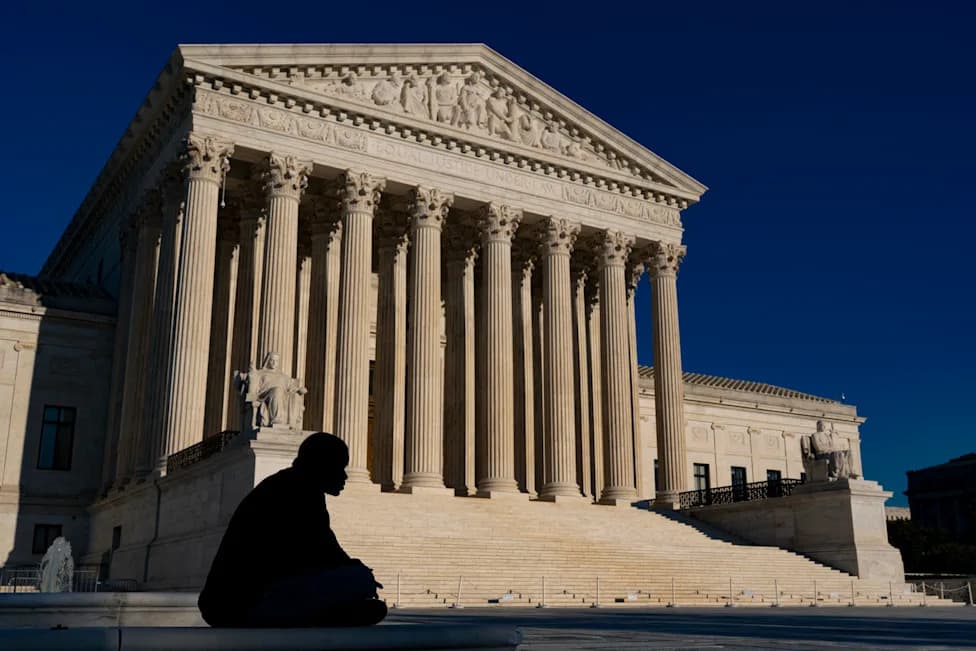
The Supreme Court will decide whether Boulder, Boulder County and San Miguel County can use state tort law to hold energy companies liable for climate-related harms that reach beyond local borders. Critics say a plaintiff victory could let local juries impose de facto national energy policy and spark dozens of similar lawsuits nationwide; supporters argue it provides accountability where lawmakers have not acted. Justice Samuel Alito’s recusal leaves eight justices to rule, and an evenly split Court would allow the Colorado decision to stand.
Can A Colorado County Set National Energy Policy? Supreme Court Weighs Boulder’s Climate Lawsuit
AP
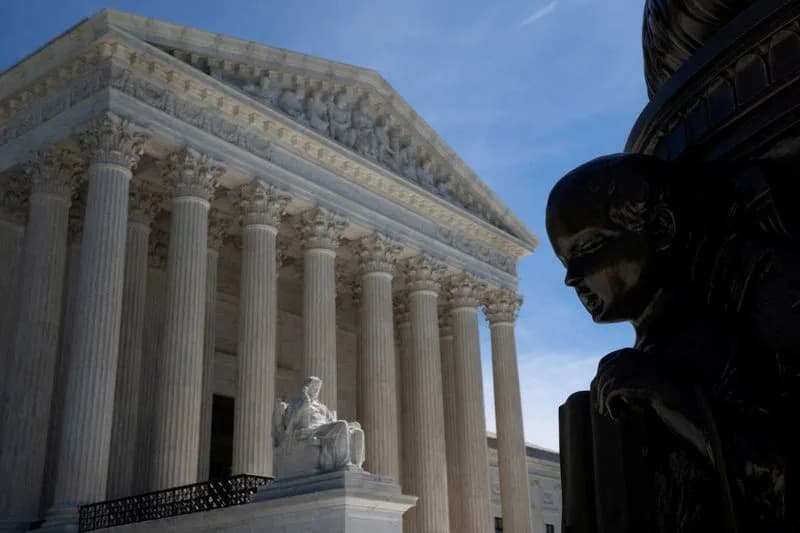
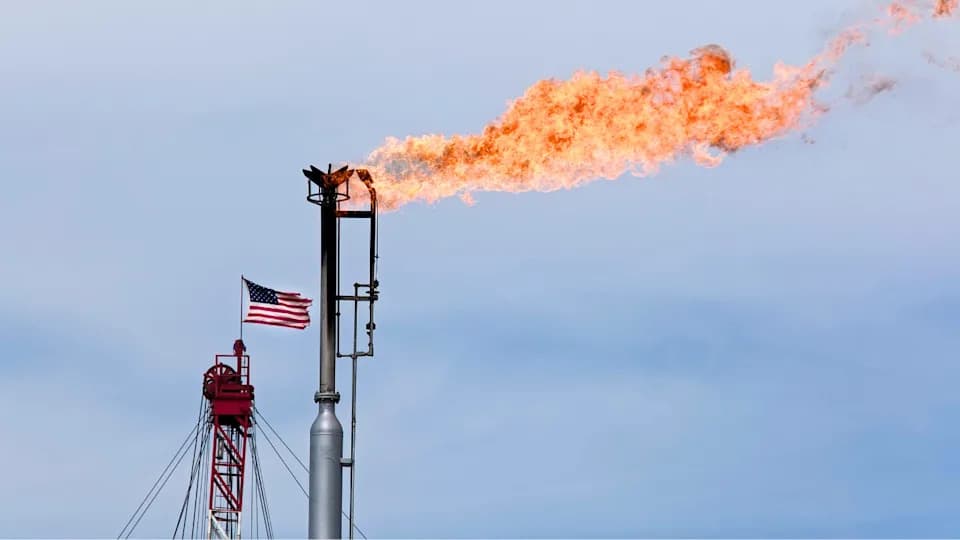
Boulder, Colorado — long nicknamed "The People’s Republic of Boulder" — has taken a 2018 climate lawsuit all the way to the U.S. Supreme Court. The case, Suncor Energy Inc. v. County Commissioners of Boulder County, asks whether a single county can use state tort law to hold energy producers liable for climate-related harms that affect communities nationwide.
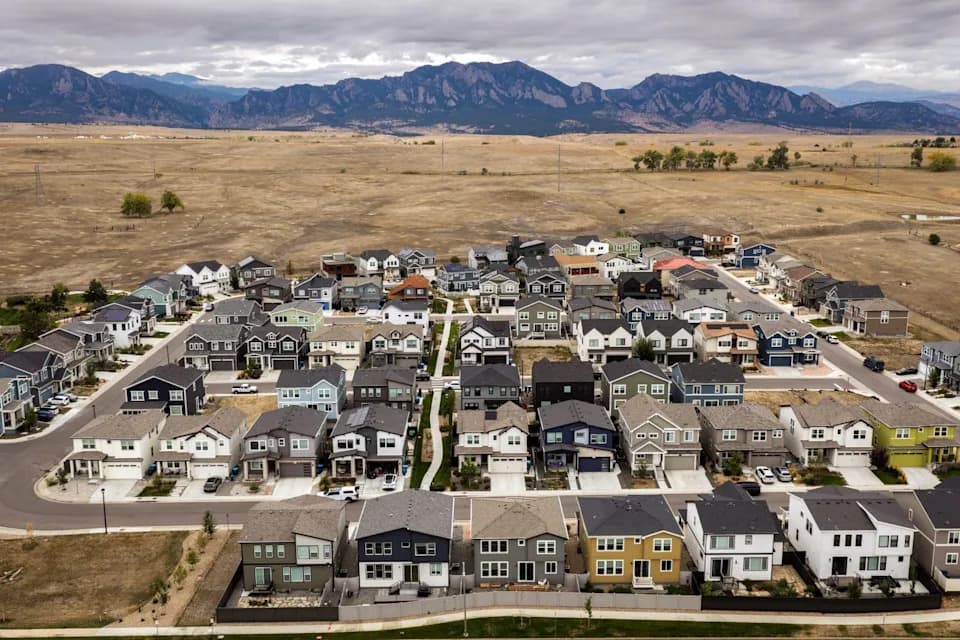
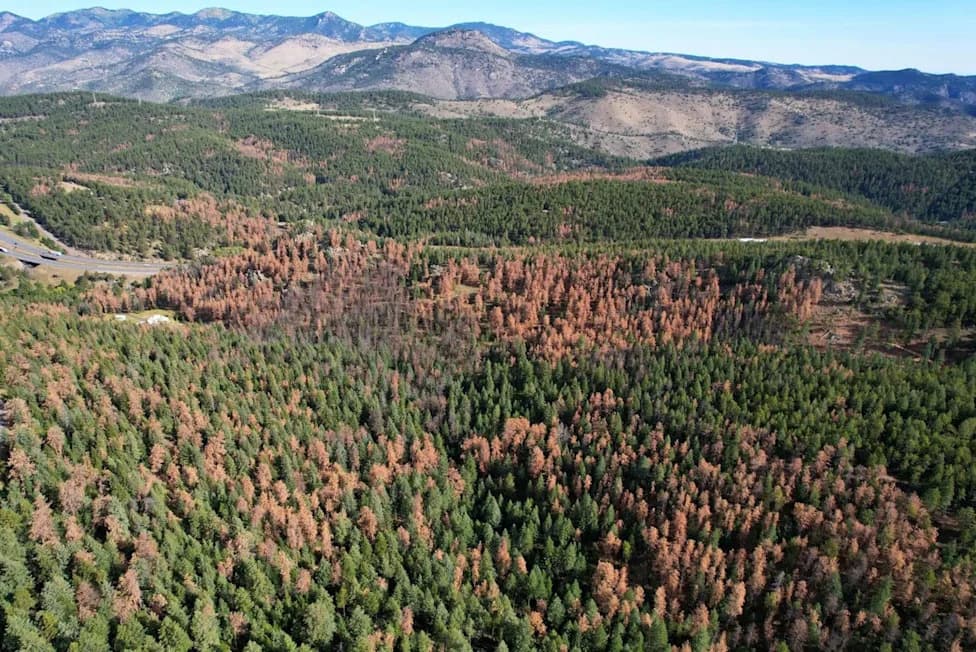
In 2018 the City of Boulder, Boulder County and San Miguel County sued several major oil and gas companies in Colorado state court, arguing that the companies’ products contributed to climate change and that the jurisdictions should be compensated for local costs they attribute to rising temperatures, flooding and other climate impacts.
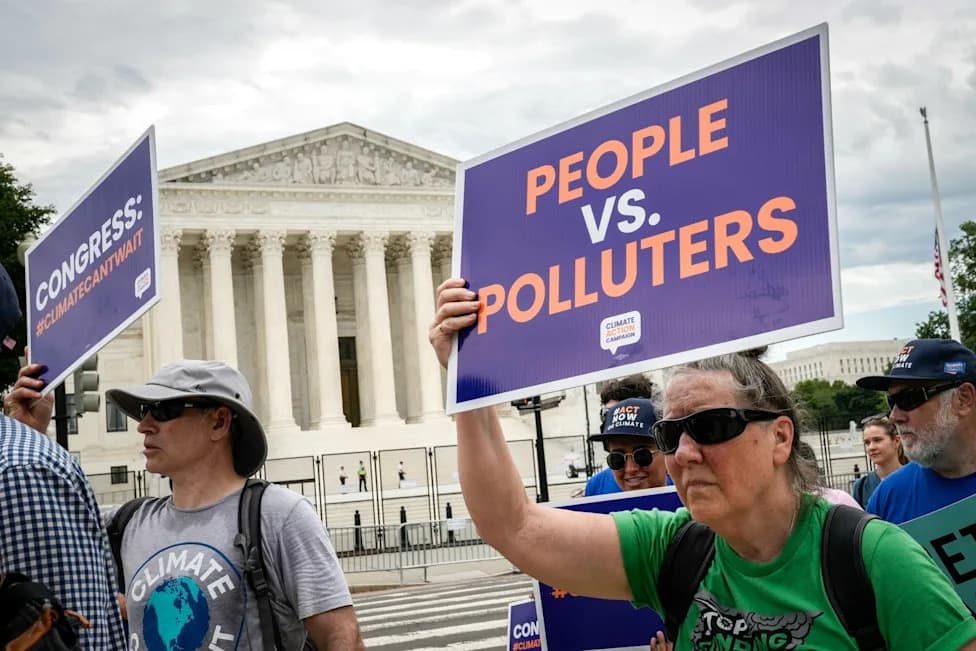
Critics contend that allowing such claims to proceed would let local juries impose broad, de facto energy policy across state and national boundaries. Supporters argue the cases hold companies accountable for harms their products cause and provide a remedy when other branches of government have failed to act.
Key Legal and Practical Questions
Scope and Reach: The central legal question is whether state tort law can attach liability to companies for global emissions, even when many emissions originate outside the county, state, or United States. Opponents warn this approach could create a patchwork of local rulings with nationwide effects.
Policy vs. Courts: One Boulder attorney, David Bookbinder, described tort liability in this context as "an indirect carbon tax," saying the complaint is "somewhat of a convoluted way to achieve the goals of a carbon tax." That remark highlights the dispute over whether courts should be used to pursue broad policy goals typically addressed by legislatures and regulators.
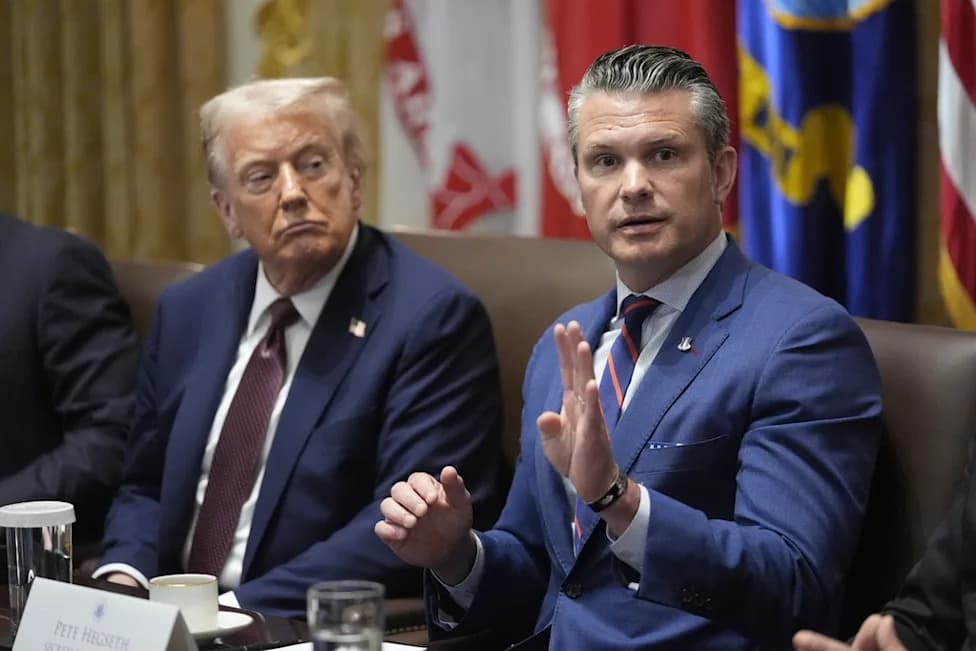
Federal Interests: The federal government and many states have staked out positions. The Trump Administration’s Department of Justice filed a brief supporting the energy companies, and more than two dozen states joined the defense. Colorado and 18 states led by Democratic attorneys general support Boulder. The partisan split underscores the broader policy implications beyond the parties in the courtroom.
Economic Impact: Economists and industry advocates warn that any large judgments would be passed on to consumers through higher fuel, heating and shipping costs. Plaintiffs counter that accountability for climate harms can drive companies to accelerate emissions reductions and cover costs they impose on communities.
Procedural Twist
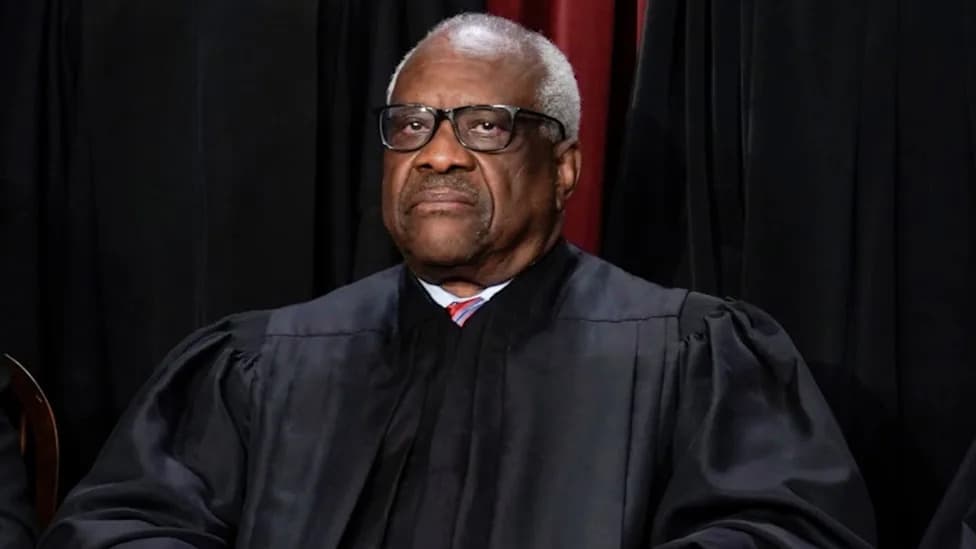
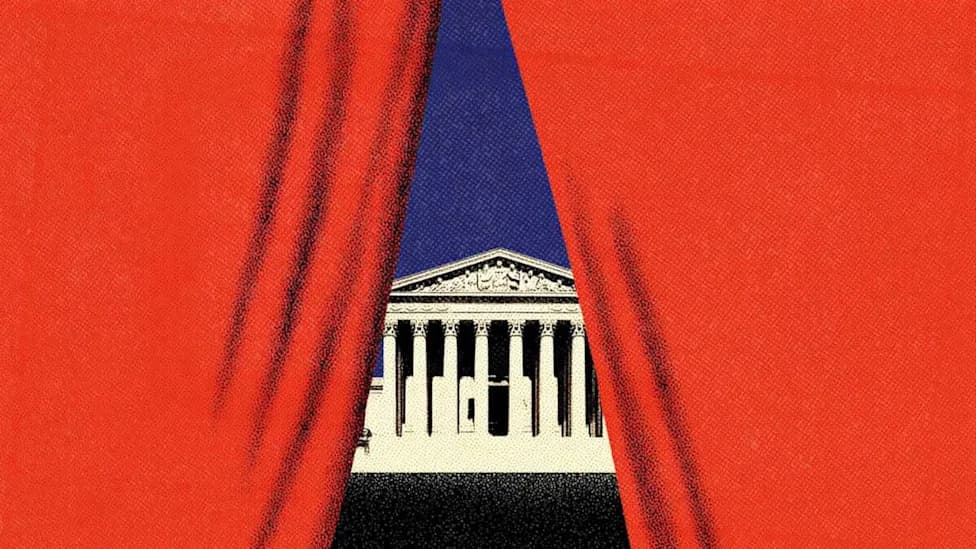
Justice Samuel Alito recused himself from the case, leaving eight justices to decide. An evenly divided Court would leave the Colorado Supreme Court’s ruling intact and allow the Boulder lawsuit to proceed. That possibility has sharpened the stakes of the arguments before the justices.
Hundreds of pages of filings and dozens of related lawsuits nationwide mean the Supreme Court’s decision could set a precedent with wide-reaching consequences for climate litigation strategy, federalism, and the role of courts in addressing transboundary environmental harms.
Bottom line: The Court will weigh whether climate harms that cross borders are best addressed through local tort suits or through national policymaking by Congress and federal agencies.
About the Author: Larry Behrens is an energy expert and communications director for Power The Future. He has appeared on national media and writes on energy policy. Follow him on X @larrybehrens.
Help us improve.