Yemen offensive intensifies: Pro-government forces, backed by Saudi Arabia, say they have "secured" the Bab al-Mandab Strait and captured Mokha, though Reuters and AFP reporting suggests troops may have reached only the city's outskirts. Saudi jets are providing continuous air support and the coalition says it has destroyed 324 targets. The Houthis have launched strikes on Riyadh airports and Aramco facilities, satellite imagery shows damage, and the escalation has driven casualties, displacement and higher global oil prices.
Yemen Offensive: Government, Backed by Saudi Arabia, Says It Has Secured Bab al-Mandab — Mokha Capture Disputed
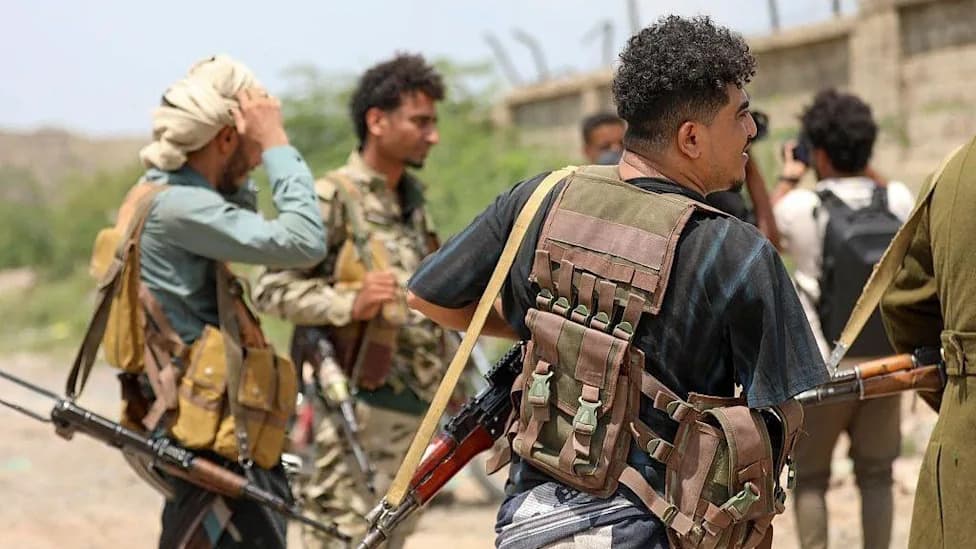
Yemen's government says it has launched an offensive aimed at retaking all territory held by the Houthis [AFP]
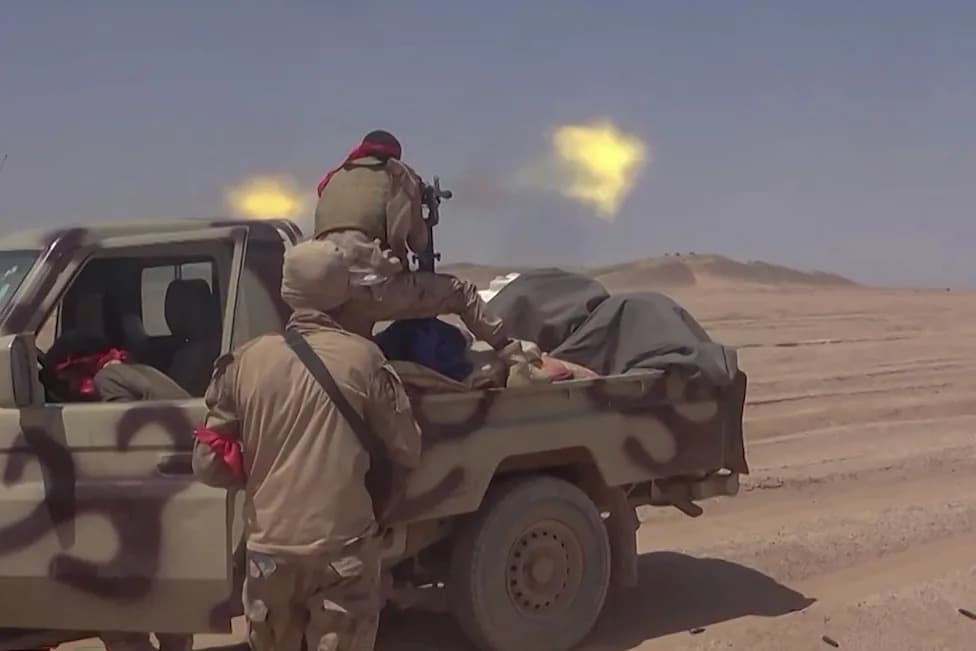
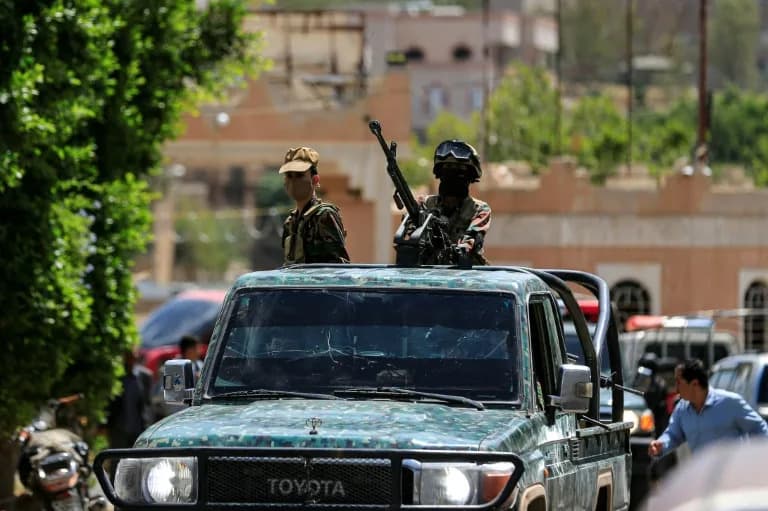
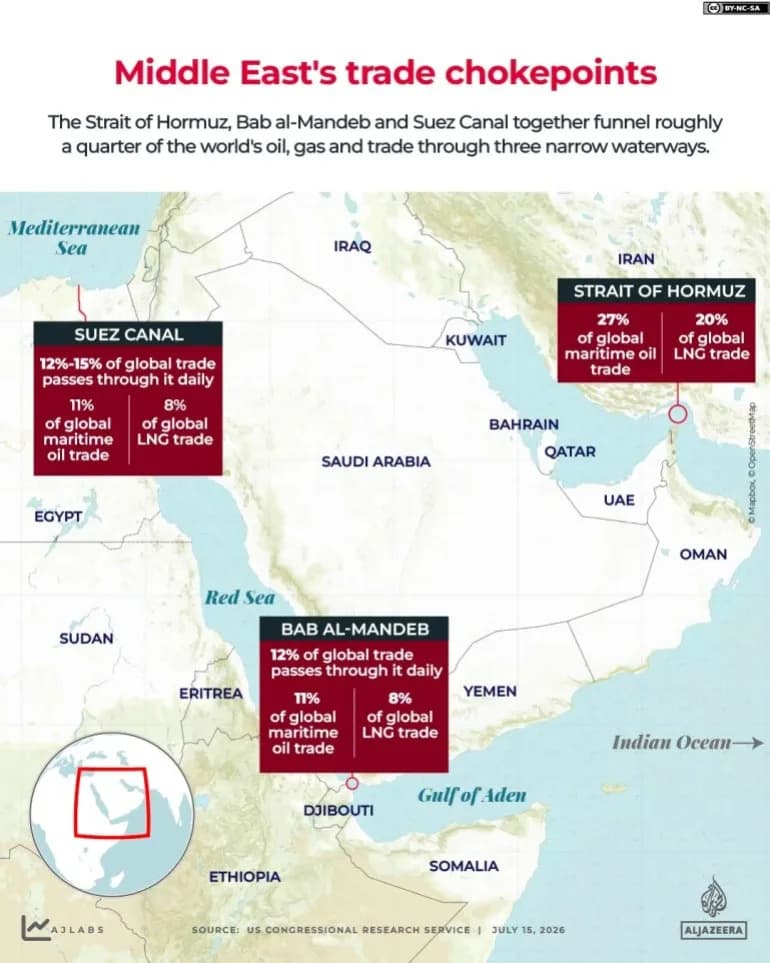
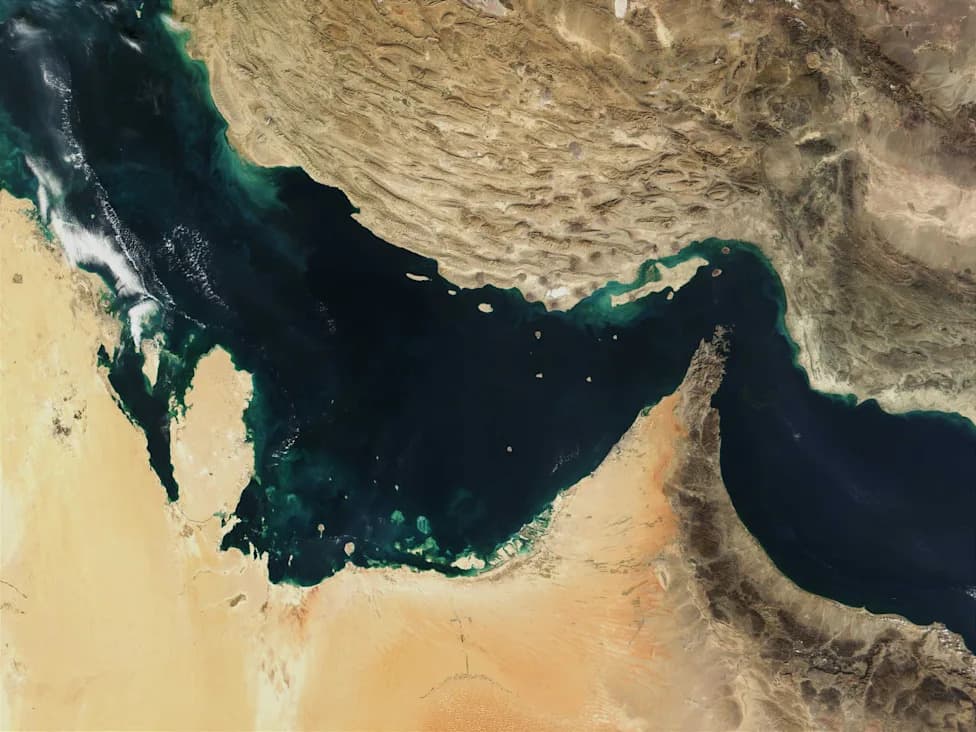
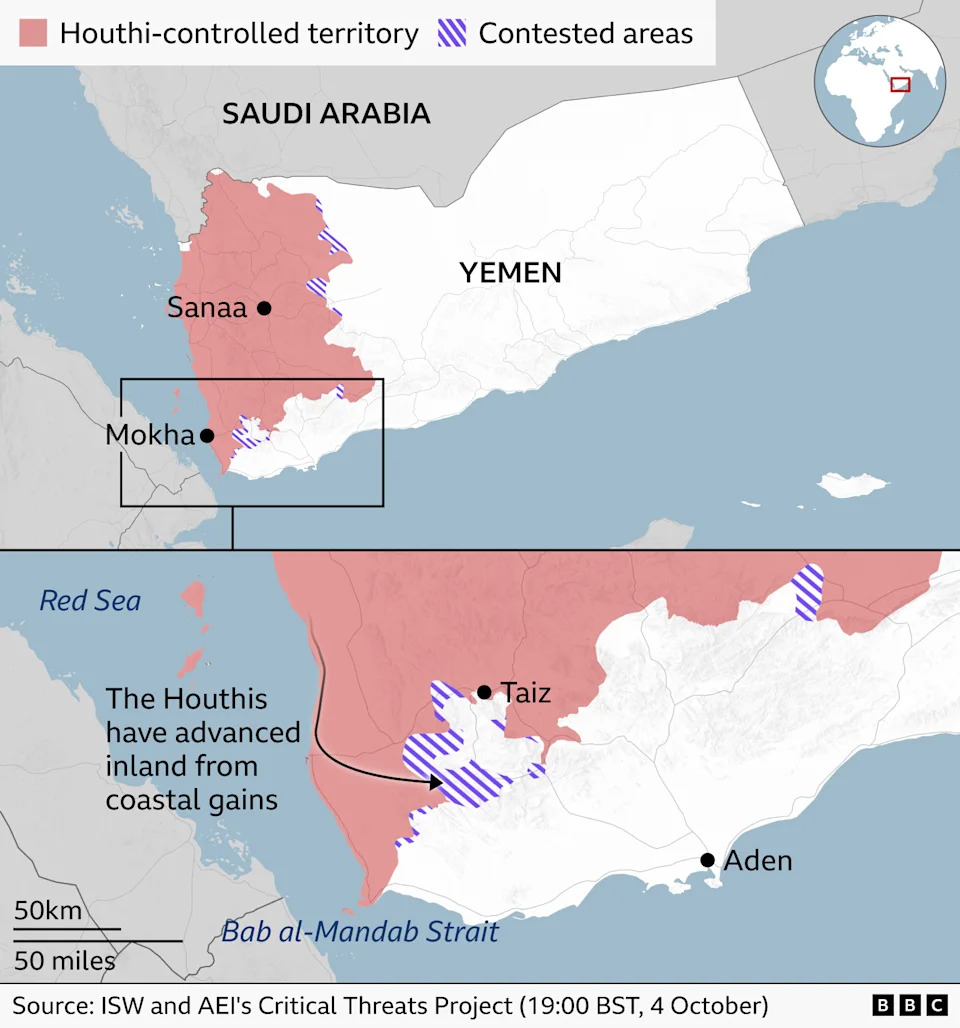
Yemeni pro-government forces, supported by Saudi Arabia, say they have "secured" the strategic Bab al-Mandab Strait at the southern end of the Red Sea as they launched a major offensive to retake territory from the Iran-backed Houthi movement. The government announced that National Shield, the Giants Brigades and Tihama Resistance units captured the coastal city of Mokha with Saudi air support, but independent reporting offers a more cautious picture.
Latest Developments
Government statements said troops took Mokha on Monday afternoon after coordinated ground operations and Saudi air strikes. However, unnamed Yemeni government and military sources speaking to Reuters and AFP reported that pro-government forces had only reached the city's outskirts, not its centre. Houthi-controlled media denied advances in nearby Dhubab.
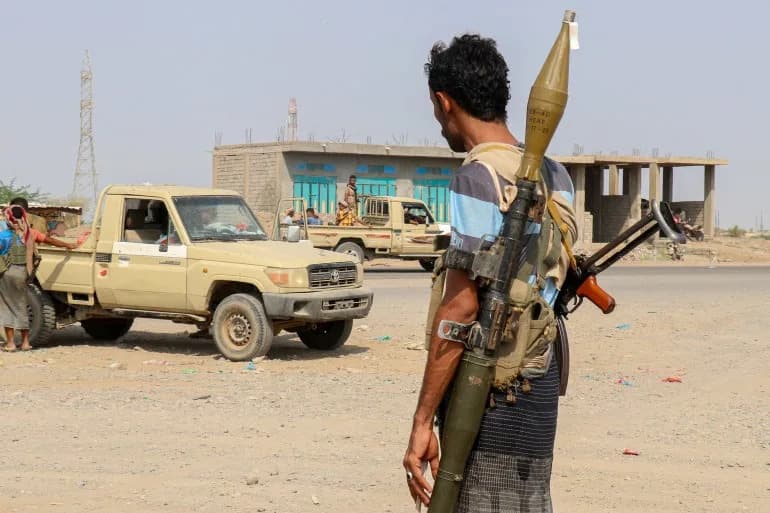
Key tactical moves: Officials also reported the seizure of Dhubab military airfield, about 45 km (27 miles) south of Mokha, and cutting the road linking Dhubab to the Bab al-Mandab area. The Yemeni military said it was besieging Houthi fighters in the nearby town, while Houthi sources disputed some of those claims.
Air Campaign and Regional Fallout
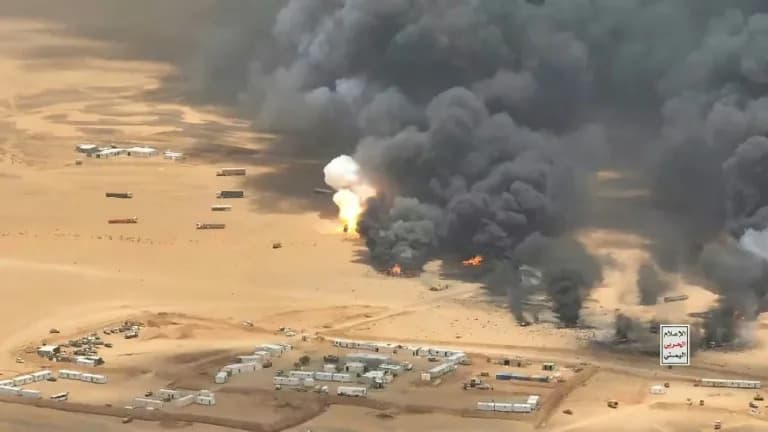
The Saudi-led coalition said its jets provided "round-the-clock" air support to pro-government forces and claimed to have destroyed 324 "high-value" targets since the offensive began. In response, the Houthis reported strikes on Riyadh's international airport, an Aramco oil facility and other targets; satellite imagery reported by BBC Verify shows plumes of dark smoke at the Aramco Riyadh refinery and at the Khurais processing facility.
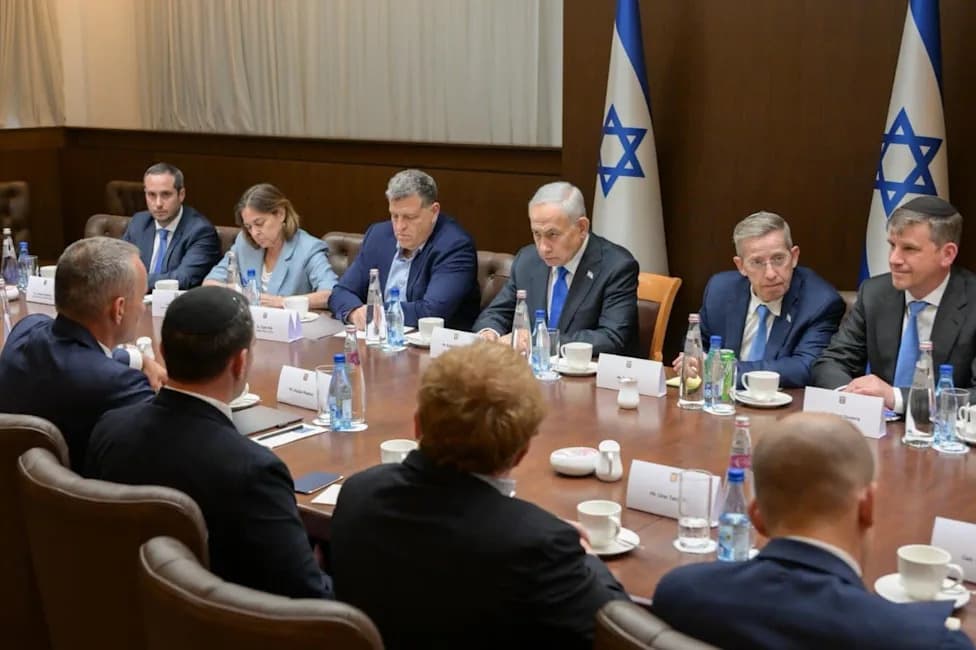
Turkey and Pakistan held an emergency meeting in Riyadh and announced rapid deployment plans under their Mecca defence pact, according to a joint statement shared by Pakistan's foreign ministry.
[BBC]
Human Cost and International Reaction
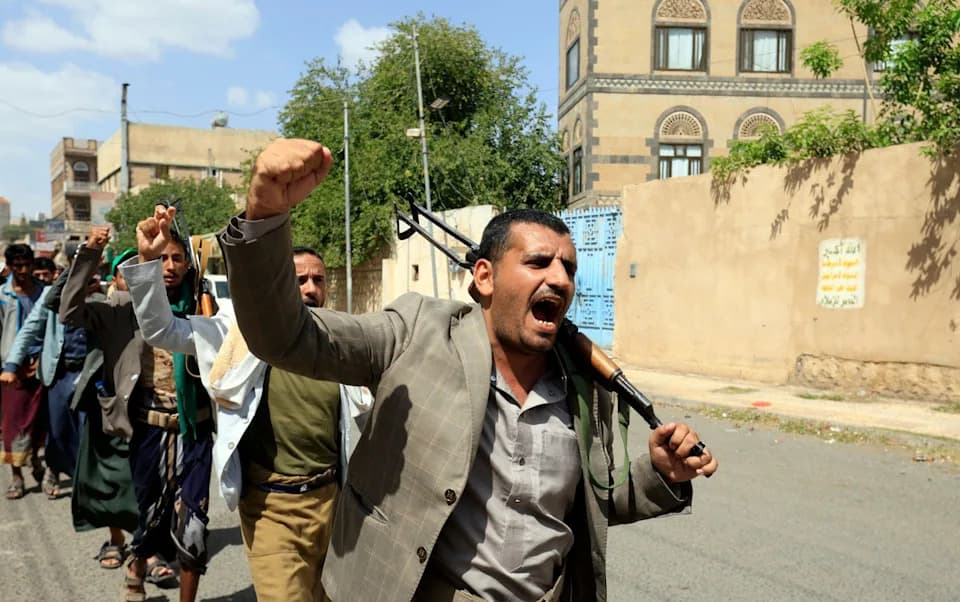
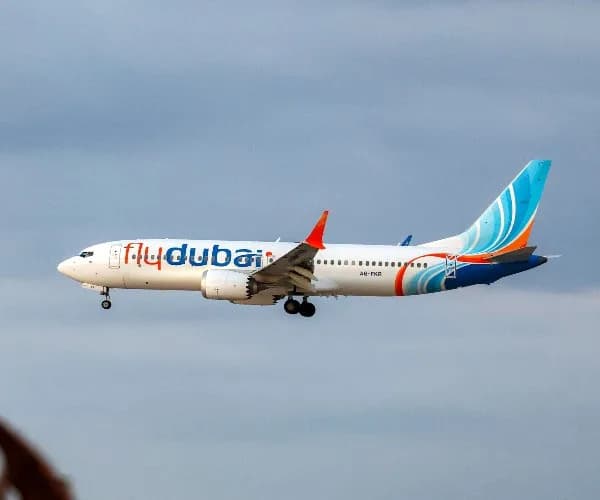
Houthi-run Al Masirah reported that Saudi air strikes killed a schoolgirl and a woman in Sanaa districts. Houthi spokesman Mohammed Abdul Salam accused Saudi forces of committing "dozens of massacres" and warned Riyadh to "bear all the consequences." The Houthi-run Humanitarian Operations Co-ordination Centre warned civilian airlines that most Saudi airspace was not safe.
UN Secretary-General António Guterres condemned the escalation and the Houthi cross-border attacks, expressing deep concern at the sharp increase in fighting. The offensive, dubbed Operation Yemen Dawn by the internationally recognised Presidential Leadership Council, aims to reclaim all territory held by the Houthis.
Wider Context
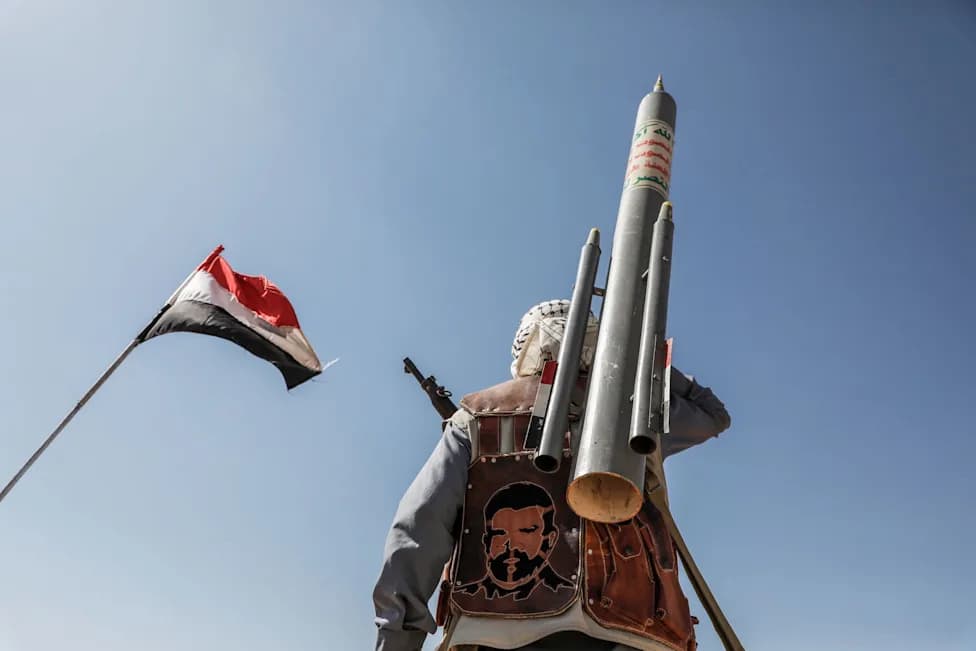
Yemen's war has devastated the country since the Houthis ousted the government from Sanaa in 2014 and conflict intensified in 2015. A fragile informal ceasefire began to unravel in July when the Houthis imposed a maritime embargo and resumed missile and drone attacks on Saudi airports, oil facilities and Red Sea shipping. The Houthi seizure of high ground overlooking the Bab al-Mandab Strait last month — including Mokha, Dhubab and Perim (Mayyun) Island — has added to disruptions in regional shipping and contributed to higher global oil prices as Saudi Arabia adjusted export routes.
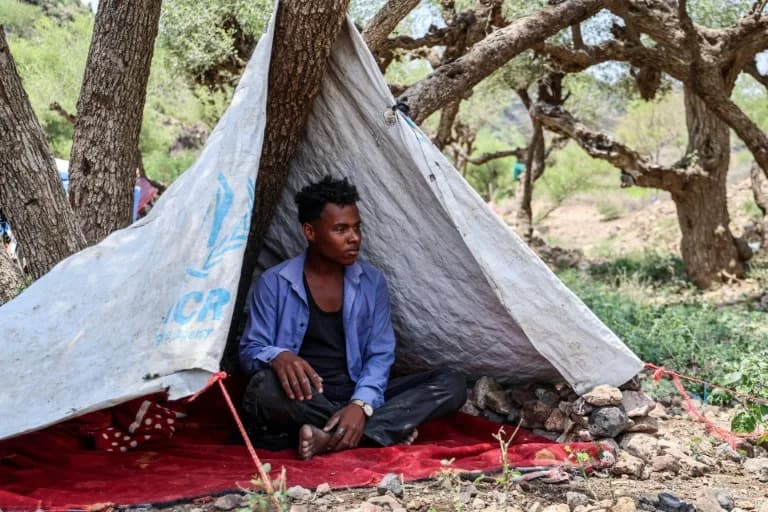
Since 6 August, Yemen's health ministry reports at least 959 people killed and 5,000 injured; the UN estimates about 197,000 displaced by the recent escalation.
Quote: Rashad al-Alimi, head of the Presidential Leadership Council, said the operation was launched after "all opportunities for de-escalation had been exhausted" and urged forces to carry out their missions "until the country is liberated from the grip of the Houthi terrorist militia."
This remains a fast-moving and highly contested military situation. Independent verification of territorial control is limited, and both sides continue to issue conflicting claims.
Help us improve.