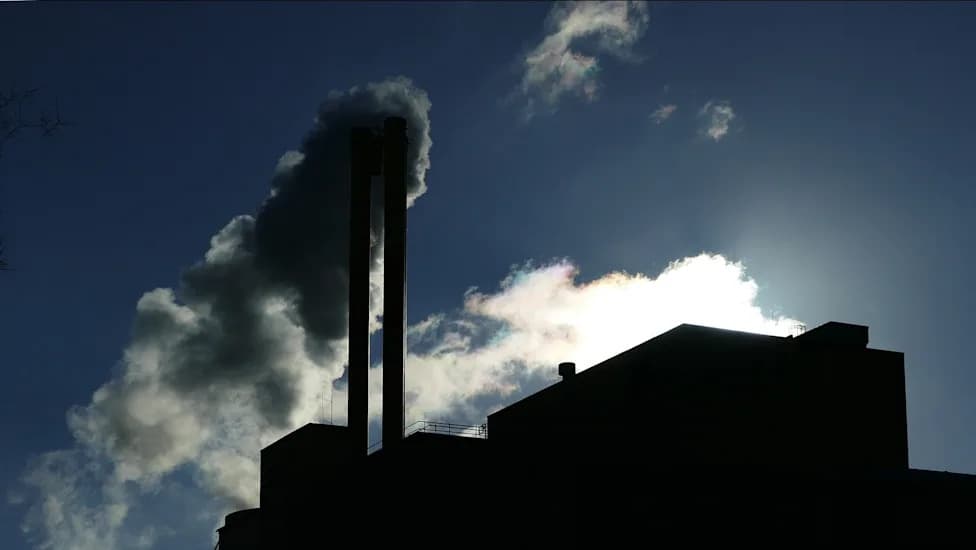
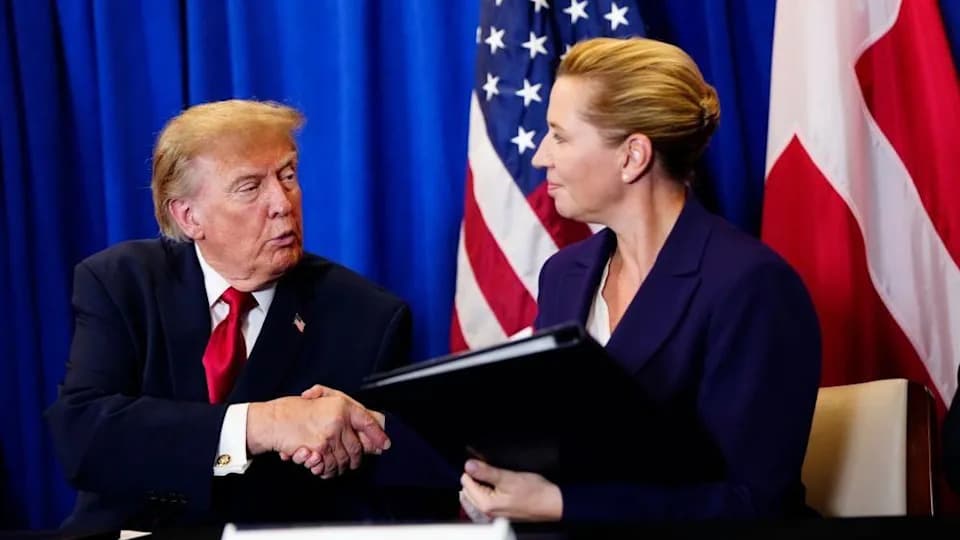
The Climate Change Superfund Act — signed by Governor Kathy Hochul in December 2024 and designed to collect about $3 billion a year from major fossil-fuel emitters for 25 years — has been blocked by a federal judge who found it conflicts with federal law. The 63-page decision, citing Second Circuit precedent in City of New York v. Chevron, stopped a plan to fund coastal restoration, infrastructure upgrades and disaster recovery. Supporters vow to appeal; opponents and the U.S. Justice Department argue the law improperly intrudes on federal authority. A parallel case in Vermont could influence whether other states move forward.
Federal Judge Blocks New York’s $75B ‘Climate Superfund’ Law, Casting Doubt On State Efforts
New York’s $75 Billion Climate Liability Law Faces an Uncertain Future
Two years after New York enacted landmark legislation to force major fossil-fuel producers to help pay for climate damage, a federal judge has blocked the law, ruling it conflicts with federal law and cannot take effect.
The statute, known as the Climate Change Superfund Act and signed by Governor Kathy Hochul in December 2024, would have assessed roughly $3 billion a year for 25 years from the firms responsible for most carbon emissions accumulated between 2000 and 2024 — a total approaching $75 billion. Lawmakers modeled the measure on the federal Superfund law of 1980, which requires polluters to finance cleanup of toxic contamination.
What the Law Would Have Done
The legislation targeted pollution from the combustion of fossil fuels and aimed to shift the financial burden of climate-related damage away from taxpayers. Funds were designated for coastal-wetland restoration, road and bridge upgrades, stormwater and drainage improvements, elevation and retrofitting of vulnerable structures, and disaster recovery and resiliency projects following extreme weather events.
Proponents pointed to research linking fossil-fuel production to worsening extreme weather: a 2025 study in Nature attributed more than 200 severe heat waves to carbon emissions from the world’s largest fossil-fuel producers — evidence supporters said justified holding major emitters financially accountable.
The Court Decision
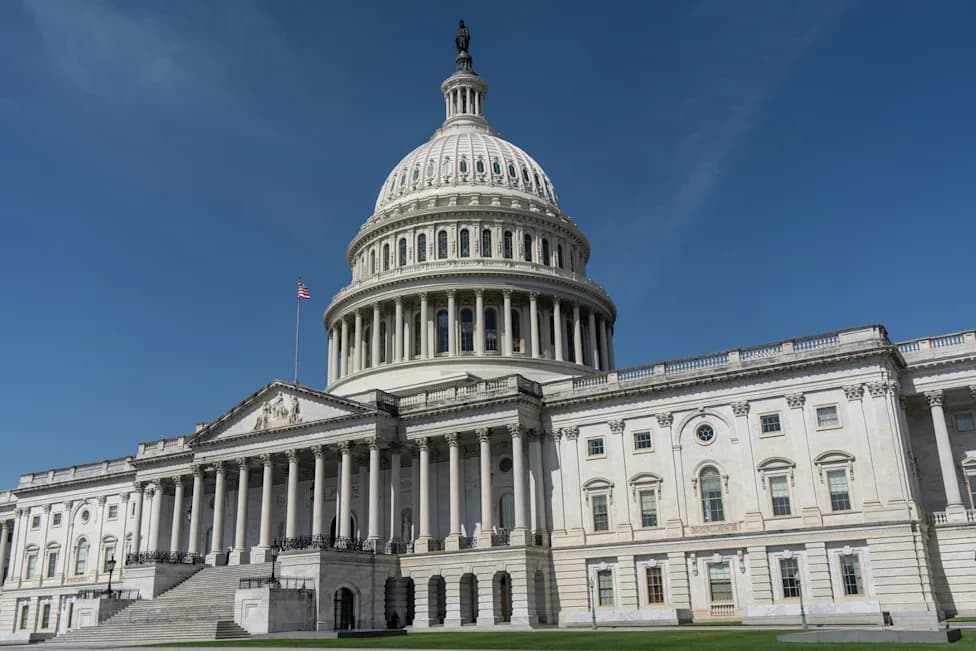
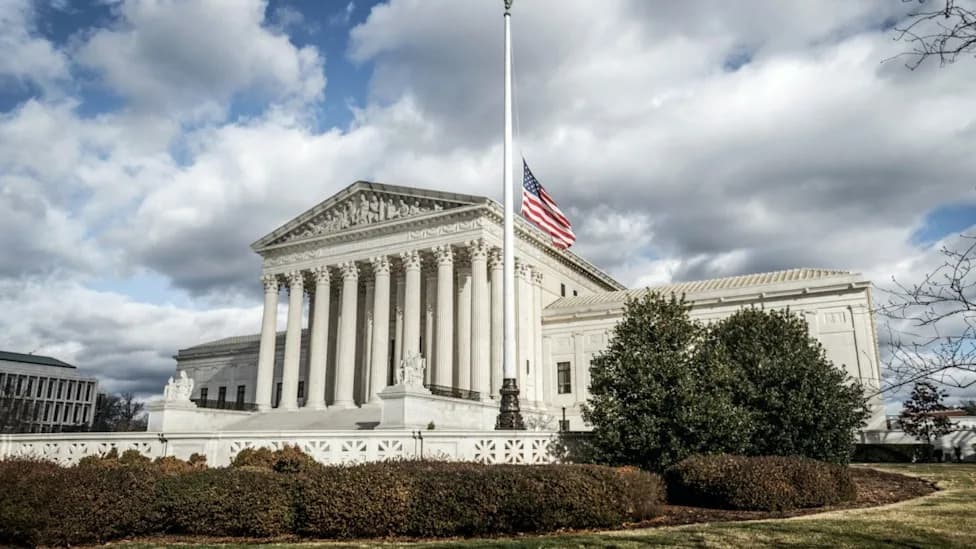
U.S. District Judge Brenda Sannes of the Northern District of New York issued a 63-page opinion finding that the state statute conflicted with federal law and therefore could not be enforced. Judge Sannes described the law as 'unusual and sweeping' and cited precedent from the Second Circuit’s 2021 ruling in City of New York v. Chevron, a case in which the city sought climate-related damages from oil companies.
Reactions From Supporters And Opponents
Advocates for the law reacted sharply. Cassidy DiPaola, communications director for Make Polluters Pay, said the decision relied on contested precedent from a materially different case and urged New York Attorney General Tish James to appeal immediately.
State Senator Liz Krueger, a sponsor of the law, called the ruling 'unfortunate,' arguing the court failed to distinguish between municipal litigation and a state's constitutional authority to raise revenue and protect its citizens. Krueger said she expected multiple rounds of legal challenges before the law could take effect.
Opponents — including several Republican-led states and business groups — have argued the law unfairly shifts costs to energy workers and companies whose products powered modern economies during the 2000–2024 period, when clean alternatives were less available. West Virginia Attorney General JB McCuskey, whose office led the challenge, hailed the ruling as a victory against what he described as efforts by some states to balance budgets 'on the backs of our hard-working men and women in the coal, oil and gas industries.'
The U.S. Department of Justice has also filed litigation challenging the statute in the Southern District of New York; that case remains pending.
What's Next
Governor Hochul has not yet announced whether New York will appeal Judge Sannes’s decision. Ken Lovett, senior communications adviser on energy and environment for the governor, reiterated the administration’s view that taxpayers should not shoulder the costs of pollution and said officials were reviewing the ruling and potential next steps.
Vermont is currently the only other state to have enacted a climate superfund-style law and is facing a similar legal challenge. The outcome of parallel litigation in Vermont and any appeals in New York will likely shape whether other states pursue comparable legislated payment schemes against major emitters.
The New York statute grew from years of unresolved litigation by state and local governments alleging that fossil-fuel companies concealed what they knew about climate risks for decades. With the federal court’s ruling, the law’s future is uncertain and will depend on appeals and further federal court decisions.
By Felicity Bradstock for Oilprice.com
Help us improve.