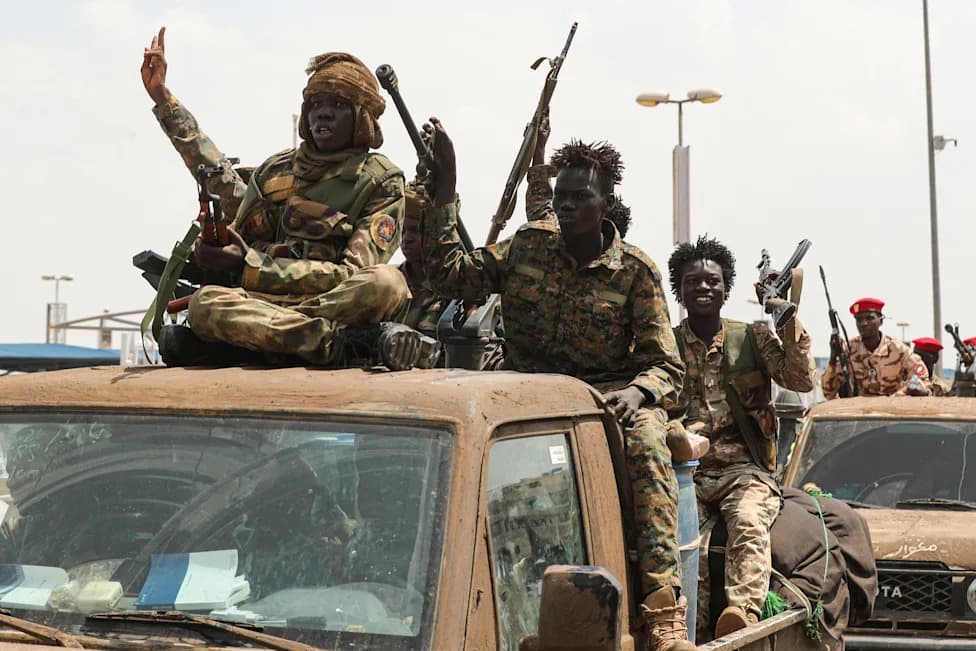
The Iran-backed Houthis claimed strikes on King Khalid International Airport in Riyadh and an Aramco refinery while the Saudi-led coalition reported strikes on Houthi targets along the Red Sea coast. Pakistan and Turkey pledged to deploy forces to Saudi Arabia under a mutual defence pact as Riyadh and its Yemeni allies press to retake Houthi-held areas. The United Nations expressed deep concern as more than 184,000 people have been displaced, and energy officials warned of renewed disruptions to oil exports.
Houthis Say They Struck Riyadh Airport and Aramco Refinery as Saudi-Led Coalition Hits Red Sea Targets
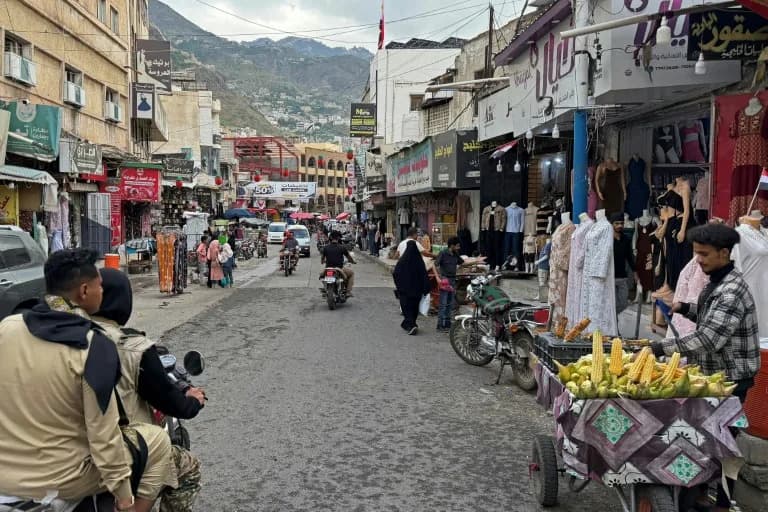
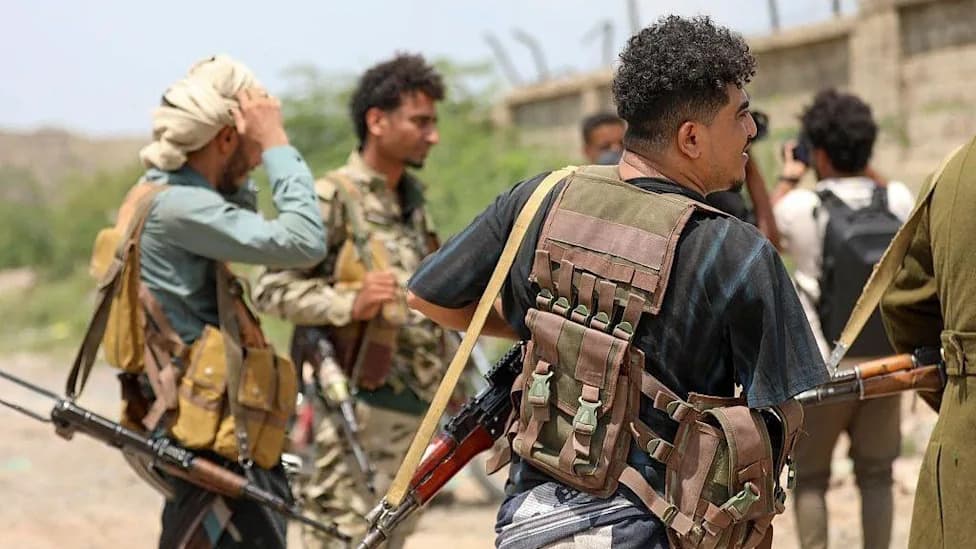
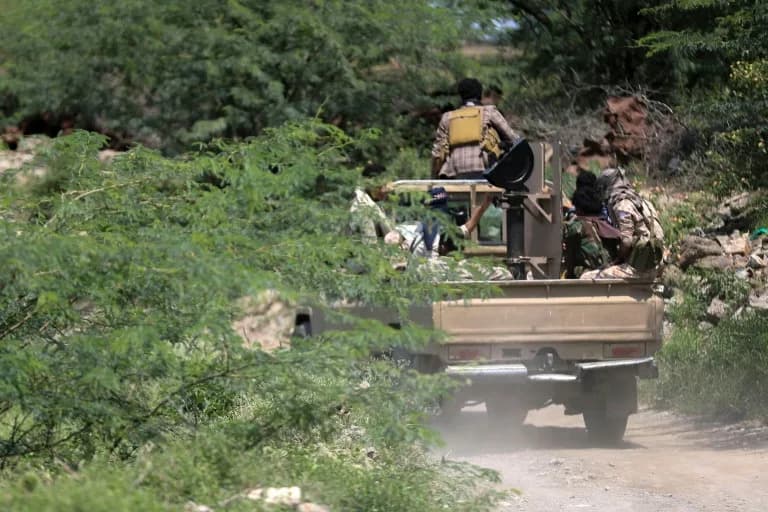
Deadly fighting has surged in Taiz in Yemen's southwest (-)
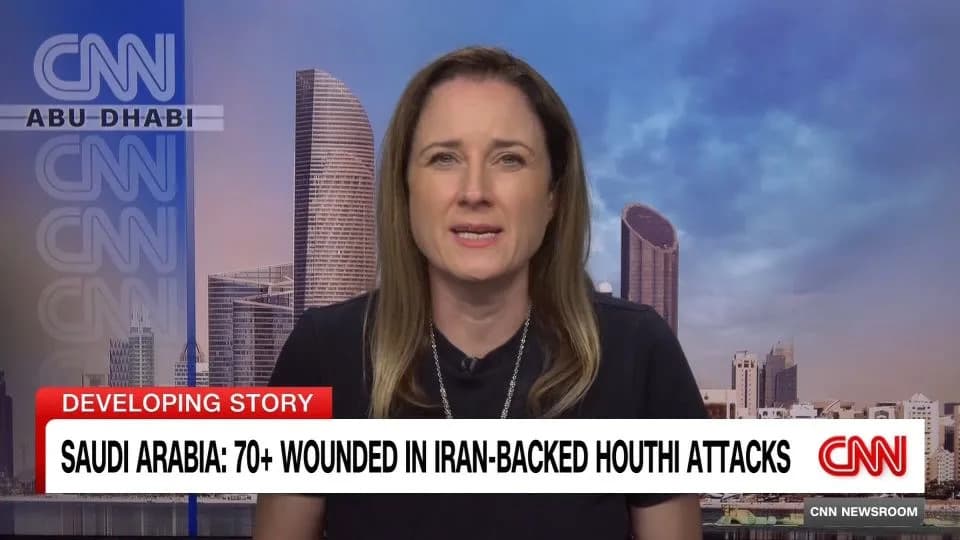
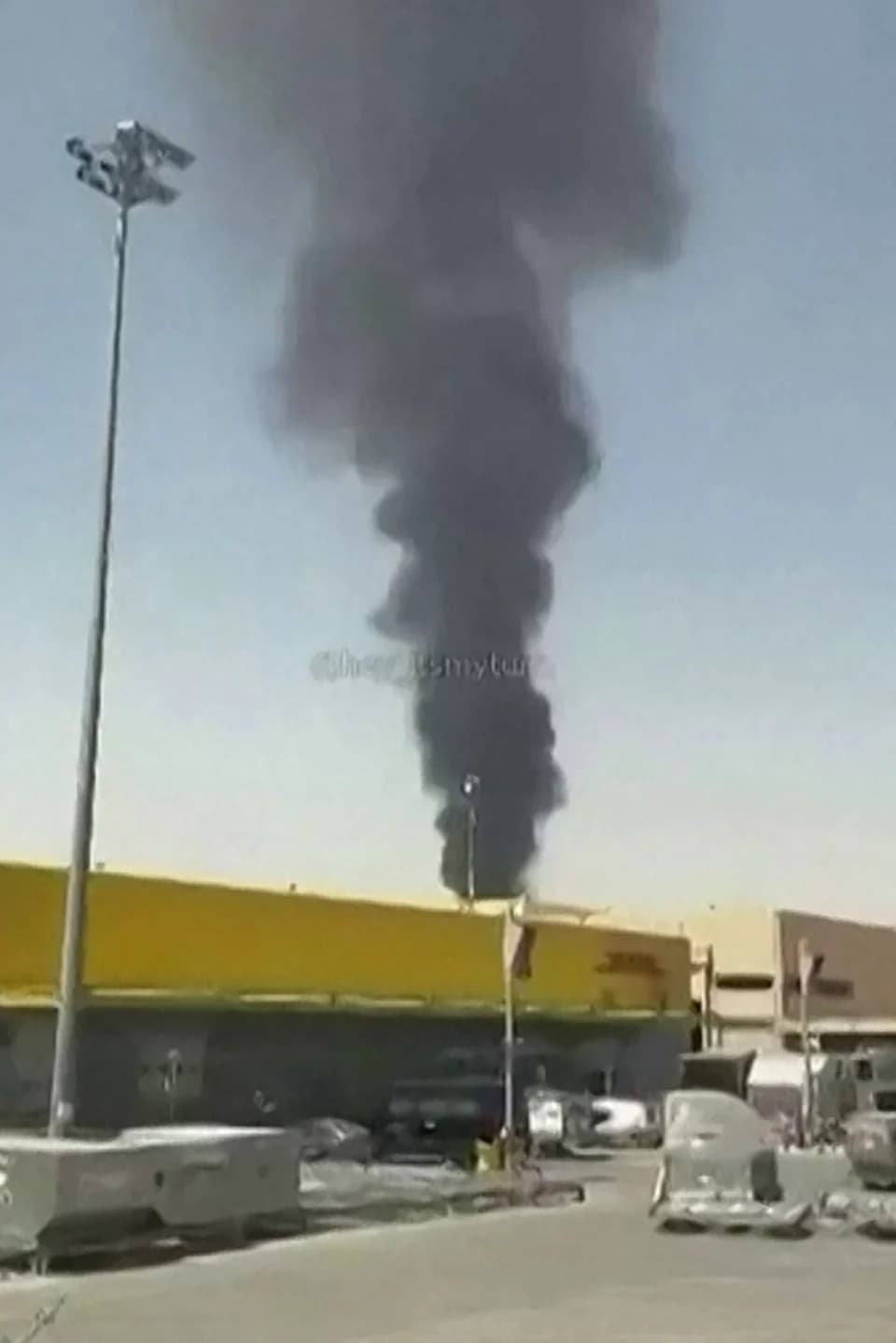
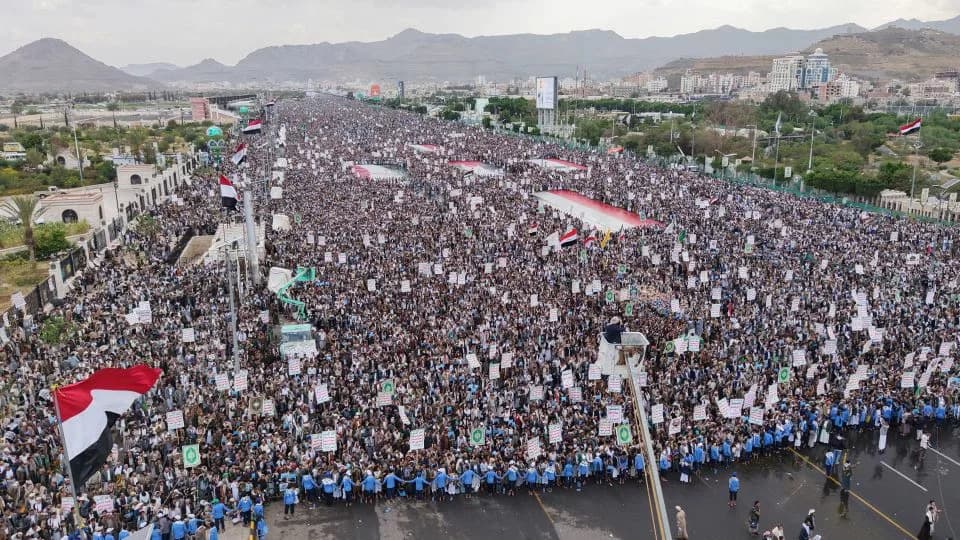
Iran-backed Houthi fighters said they struck King Khalid International Airport in Riyadh, an Aramco refinery and other targets inside Saudi Arabia on Monday, while the Saudi-led coalition reported striking Houthi positions along the Red Sea coast.
What Happened
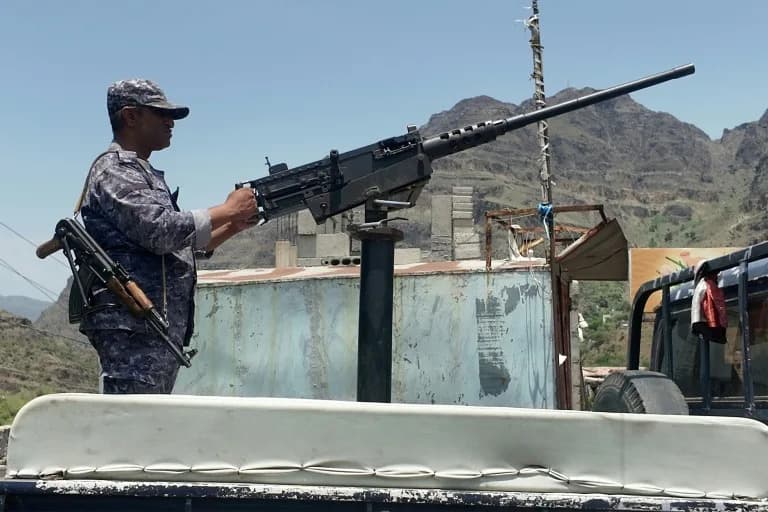
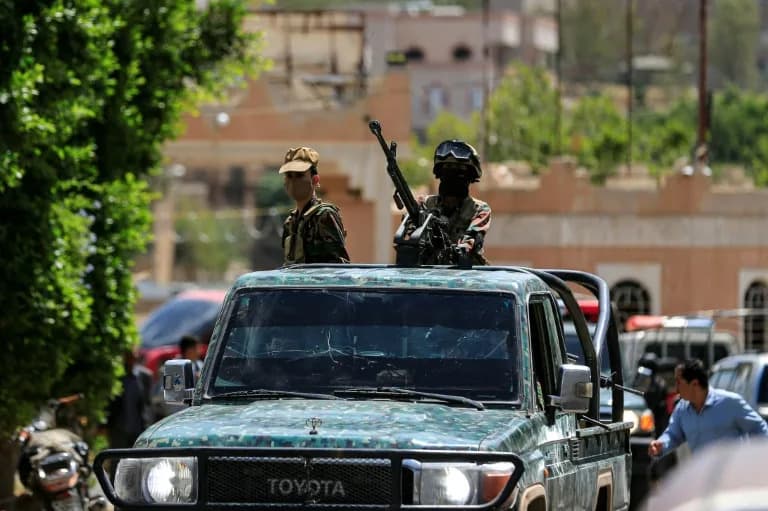
Yemeni and coalition statements described intense military activity across multiple fronts. Yemeni military sources said pro-government forces launched an offensive aimed at Sanaa and carried out more than 1,000 strikes, while the Saudi-led coalition said roughly 100 warplanes flew sorties at dawn.
Claims and Counterclaims
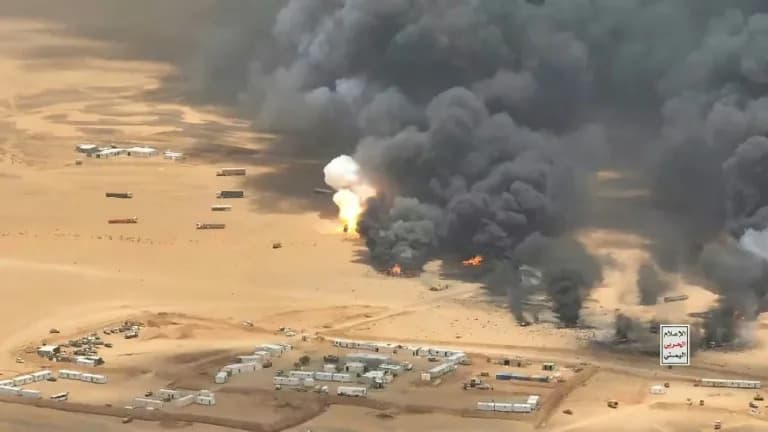
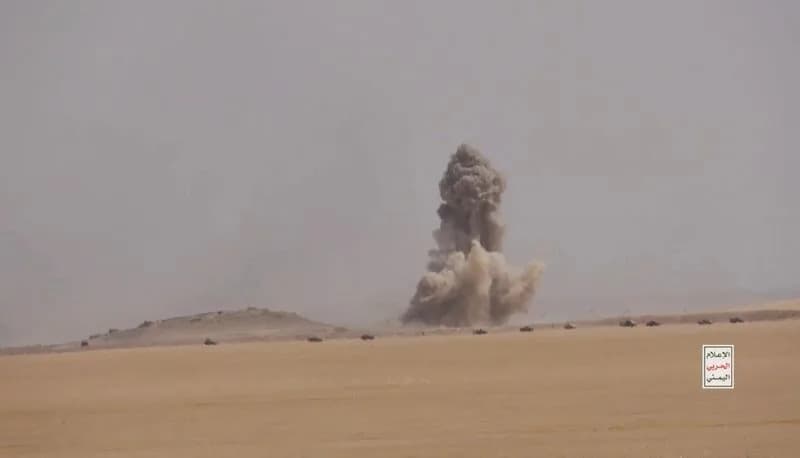
The Houthis claimed cross-border strikes on Saudi territory, including the Riyadh airport and an Aramco facility; these claims are reported by Houthi spokespeople and have not been independently verified. The Saudi-led coalition said its naval forces had struck "military targets" in Hodeida, destroying weapons depots, facilities storing booby-trapped boats and naval mines, and foiling a planned maritime attack on southern Red Sea waterways.
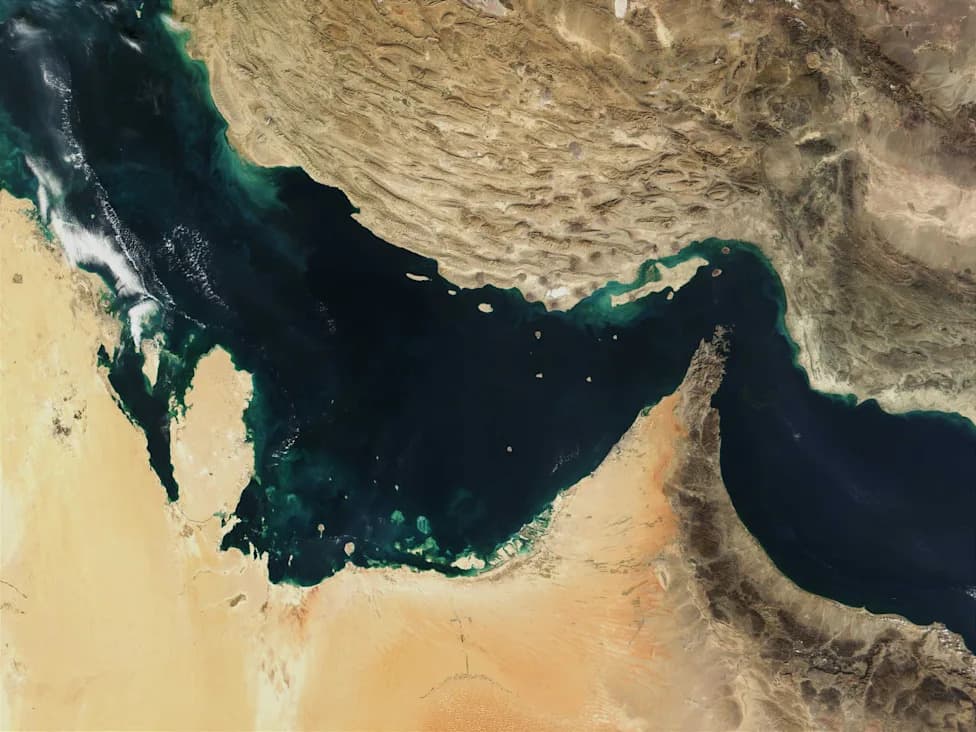
The coalition later said it had forced Houthi fighters from areas around the Bab al-Mandeb Strait—including the port city of Mocha, Dhubab airport and the Al-Omari military camp—but military sources cautioned that some gains had yet to be formally confirmed and that supply lines to contested ports had been cut.
Humanitarian And Strategic Impact
The United Nations says the recent escalation has displaced more than 184,000 people. The fighting has also disrupted key shipping routes near the Bab al-Mandeb Strait and prompted renewed concerns for maritime security in the Red Sea.
UN Response: A UN spokesman said Secretary-General Antonio Guterres was "deeply concerned by the sharp escalation in fighting" and condemned "the continued Houthi cross-border attacks" on Saudi Arabia.
Energy infrastructure has been affected as well. A source in the Saudi energy sector told AFP that an attack halted pumping through the East-West pipeline to the Red Sea, a critical export route. Saudi Aramco CEO Amin Nasser warned that global oil stockpiles were "scarily thin," saying, "The system is already straining."
Regional Military Cooperation
Representatives from Saudi Arabia, Pakistan and Turkey met in Riyadh under the terms of a mutual defence pact signed in August. The three countries pledged to provide agreed forces and capabilities and to ensure rapid deployment to Saudi Arabia, though official statements did not specify exact troop roles or timelines.
Outlook
The situation remains fluid, with competing claims from Houthi and coalition sources and limited independent verification of battlefield developments. Humanitarian needs are rising as displacement increases, and regional and global energy markets are watching developments closely.
Help us improve.