France is grappling with its largest wave of student protests in decades after a strike at Saint-Exupéry high school on 21 September spread nationwide. More than 5,000 people — mostly minors — have been detained and over 100 high schools damaged, with serious injuries reported in Lens and Tours. Protesters cite overcrowded classrooms, teacher shortages and years of underfunding exacerbated by a 2010 birth spike. The unrest has forced high-level talks, strained public finances and reshaped the political landscape ahead of next year’s presidential vote.
France’s Student Revolt: Over 5,000 Detained as Nationwide School Protests Escalate
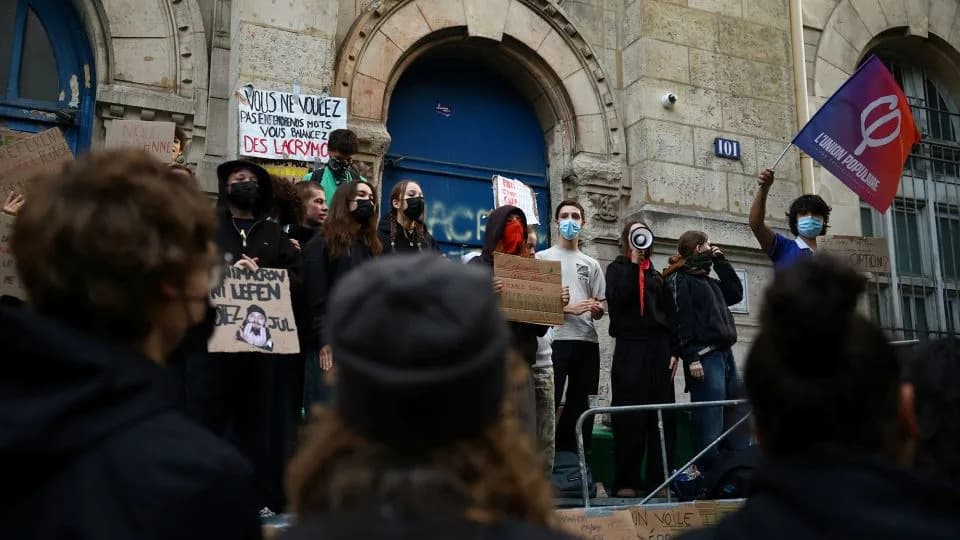
A student holds a flag of La France Insoumise (France Unbowed - LFI) party as French high school students gather outside the Lycee Voltaire high school as part of nationwide protests, on October 2. - Sarah Meyssonnier/Reuters
France is facing its largest wave of student unrest in decades after a local strike at Saint-Exupéry high school on 21 September spread rapidly across the country. Hundreds of schools have closed, more than 5,000 people — mostly minors — have been detained, and violent clashes between pupils and police have left students, teachers and officers injured.
How It Began
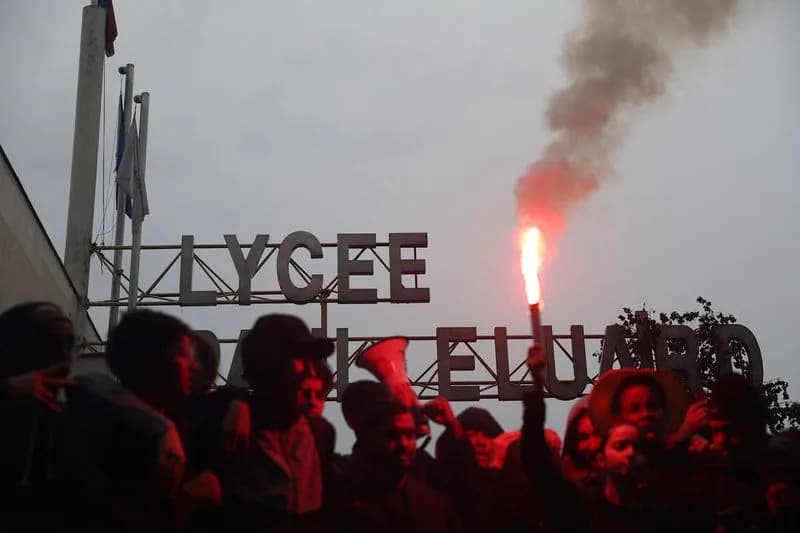
The unrest began when pupils joined striking teachers at Saint-Exupéry high school in a Paris suburb to protest chronic staff shortages and lack of resources. Although authorities sent extra staff and the initial strike formally ended, the protest momentum continued and quickly spread from Paris to cities from Lille to Marseille.
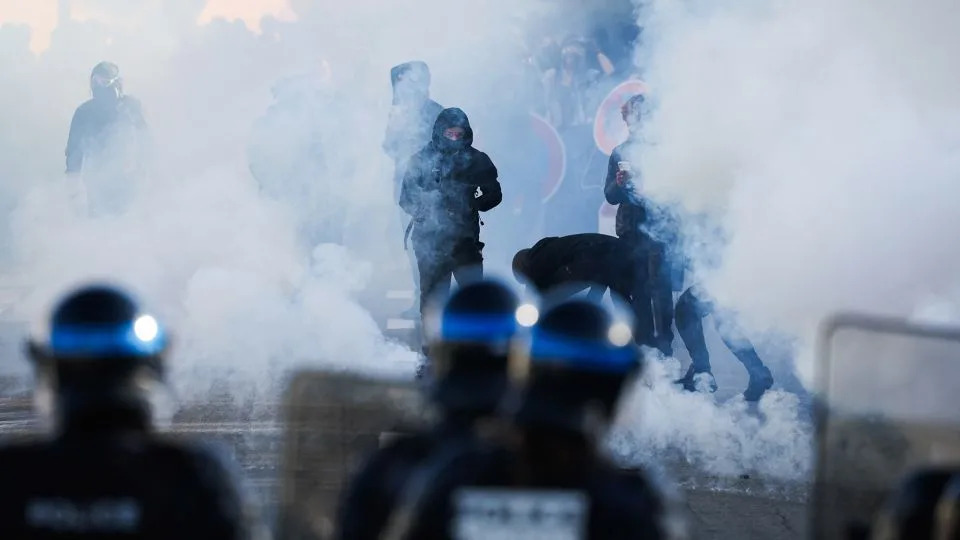
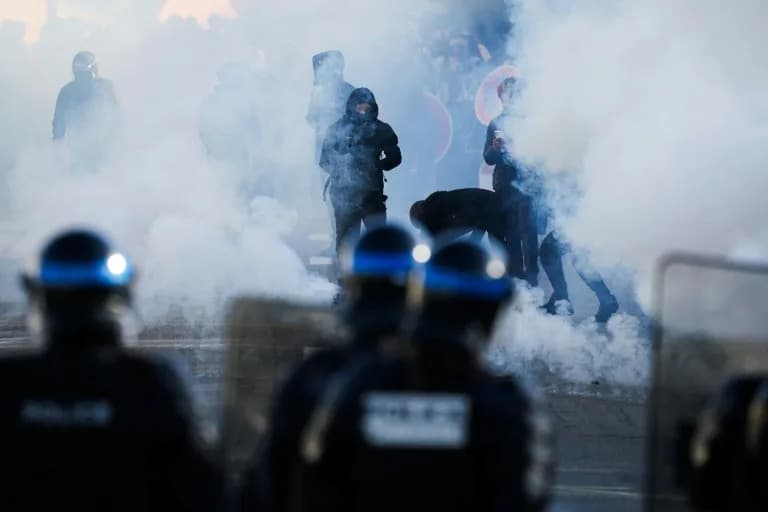
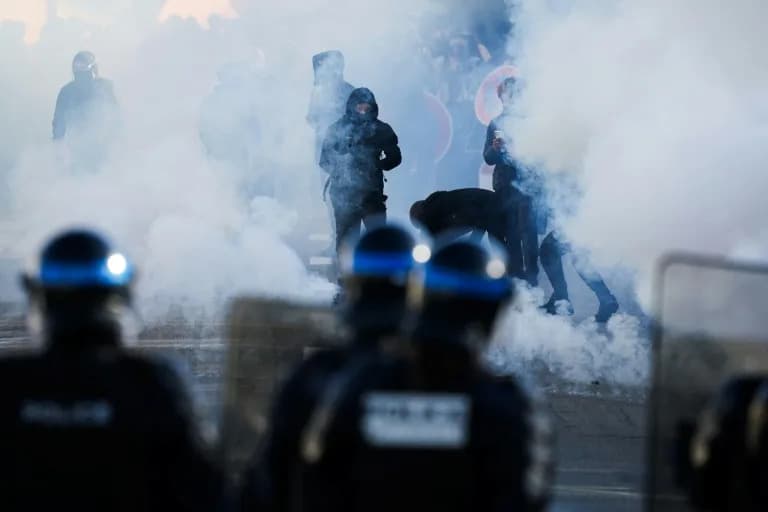
Police officers stand in front of protesters amid tear gas as demonstrators carry out blockading action near the Kerichen high school in Brest, western France, on October 2. - Fred Tanneau/AFP/Getty Images
Scenes on the Ground
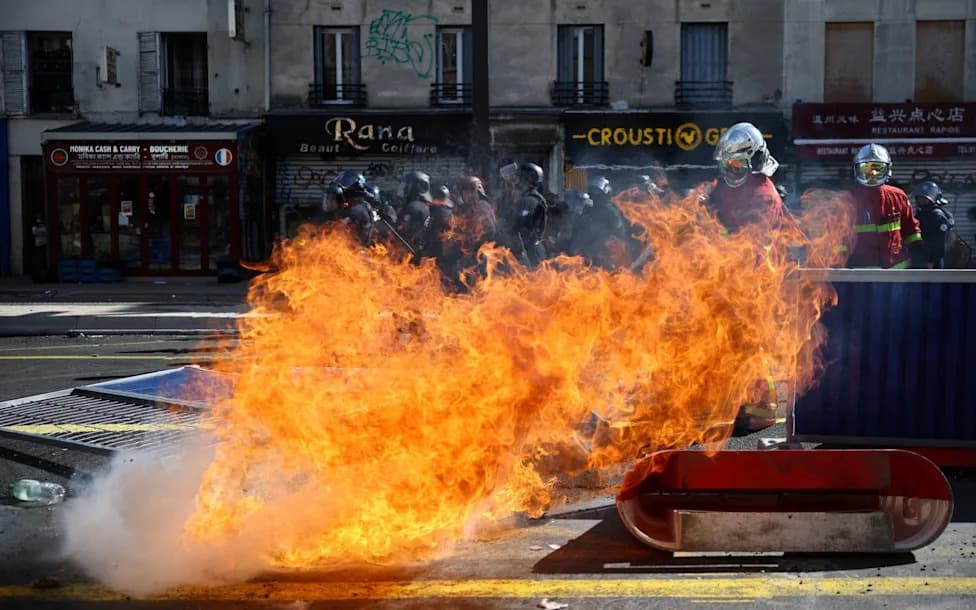
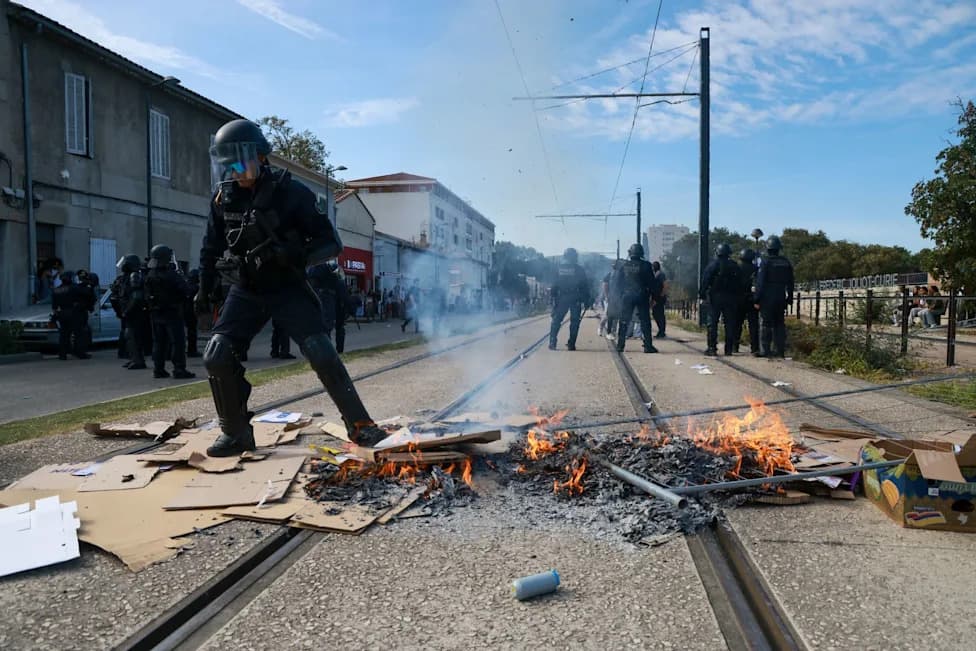
Reports and social media footage show students blocking school entrances, erecting barricades, setting rubbish bins on fire and clashing with police. More than 100 high schools have been damaged since the movement began. In particularly serious incidents, a student in Lens reportedly lost a hand after handling a grenade, and another pupil in Tours was left without the use of one eye.
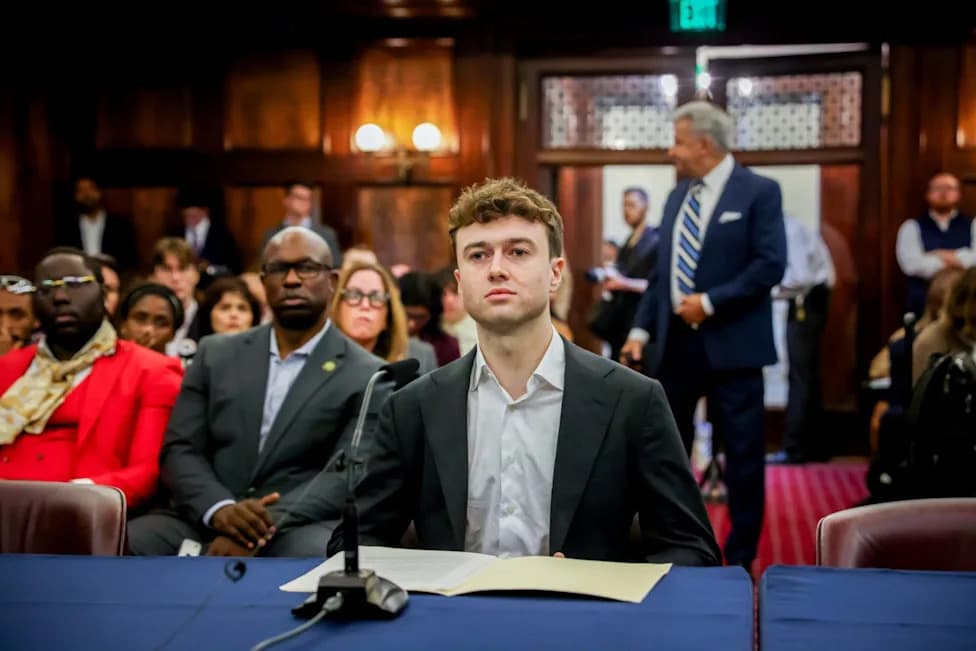
"It's an unprecedented number of schools that are now involved," student leader Manès Nadel said. He added that the Education Ministry had been "totally overwhelmed by the crisis."
Grievances Behind the Protests
Students point to long-running problems: overcrowded classrooms, inadequate equipment, and chronic teacher shortages. A fertility spike around 2010 has meant many more teenagers are now in secondary schools, but real-terms education funding has lagged. France has roughly 250,000 more secondary pupils than in the past decade while having fewer teachers than in 2008; in the public sector, around 70% of classrooms exceed 30 pupils per class.
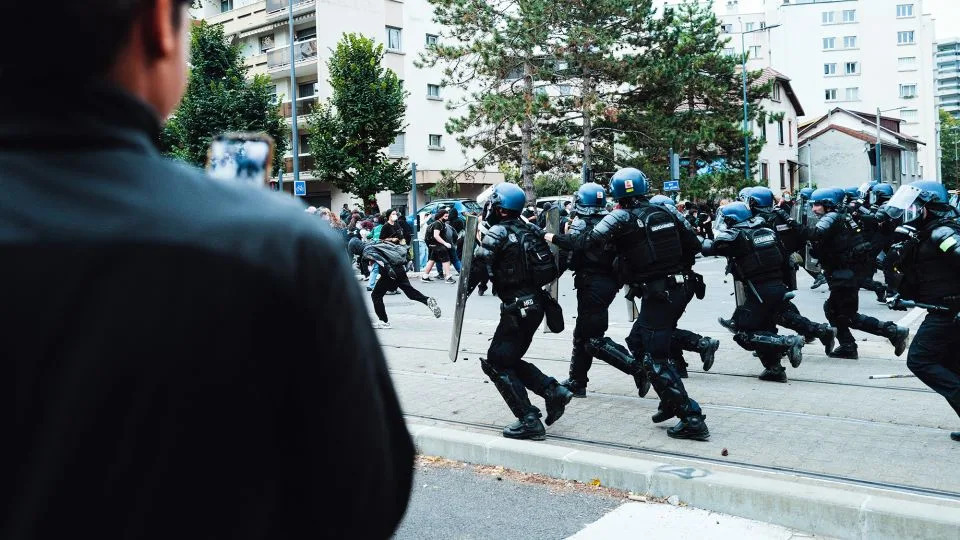
A teenager films with his mobile phone as police charge at demonstrators to disperse them on October 1 during the blockade of the Mounier secondary school in Grenoble, France. - Benoit Pavan/Hans Lucas/AFP/Getty Images
Government Reaction and Financial Constraints
Authorities initially focused on the presence of the far-left party La France Insoumise (LFI) at demonstrations. LFI leader Jean‑Luc Mélenchon defended the students' right to protest while critics condemned disorder and damage. The government has been criticized for a heavy-handed policing approach in some instances, including footage of a banned headlock used on a female protester in Alençon.
Officials' options are constrained by fragile public finances. Paris is trying to pass a 2027 budget that would reduce the deficit to about 5% of GDP — a target that requires austerity. Market jitters intensified when France's 10-year bond yield briefly topped 5%, its highest level since 2002. Damage in the greater Paris area alone is estimated at about €7 million.
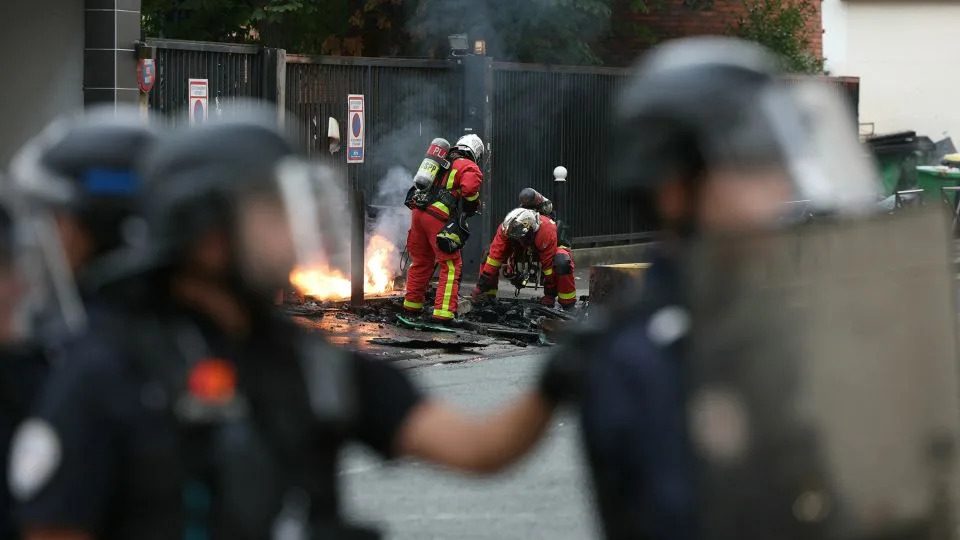
Firefighters extinguish a fire at the entrance of the Leonard de Vinci secondary school following a blockading action by protesting students, in Paris on October 2, 2026. - Thomas Samson/AFP/Getty Images
Political Consequences
The unrest has reshaped the campaign climate ahead of next year’s presidential election, sharpening a contest between the far left and the far right while the political center falters in polls. For the far left, protesting pupils represent a sympathetic constituency; for the government, the movement is both a source of disorder and additional fiscal pressure.
What Comes Next
Education Minister Edouard Geffray has held talks with student leaders but no agreement was reached; students called for a major turnout on the following Tuesday. Officials warn of a shift from student demonstrations to broader urban unrest after a spike in violence that led to around 2,000 detentions in one day.
Bottom line: Today's students say they are not asking for revolution — only the basic conditions needed to learn. The outcome will depend on whether the government can address long-term education shortfalls while managing fiscal constraints and public order.
Help us improve.