Report Summary: A new analysis estimates that if more than 300 climate-related lawsuits and several state "superfund" laws all succeeded, U.S. households could face an average annual energy bill increase of about $1,465. The authors, E.J. Antoni and Daniel Turner, calculate roughly $194 billion in added industry costs, potentially translating to about $0.41 per gallon of gasoline and an 8.6% rise in residential electricity bills. The study models a full-success scenario and notes this is a hypothetical outcome rather than a prediction.
Study: Climate Lawsuits Could Raise U.S. Household Energy Bills By About $1,465 Annually
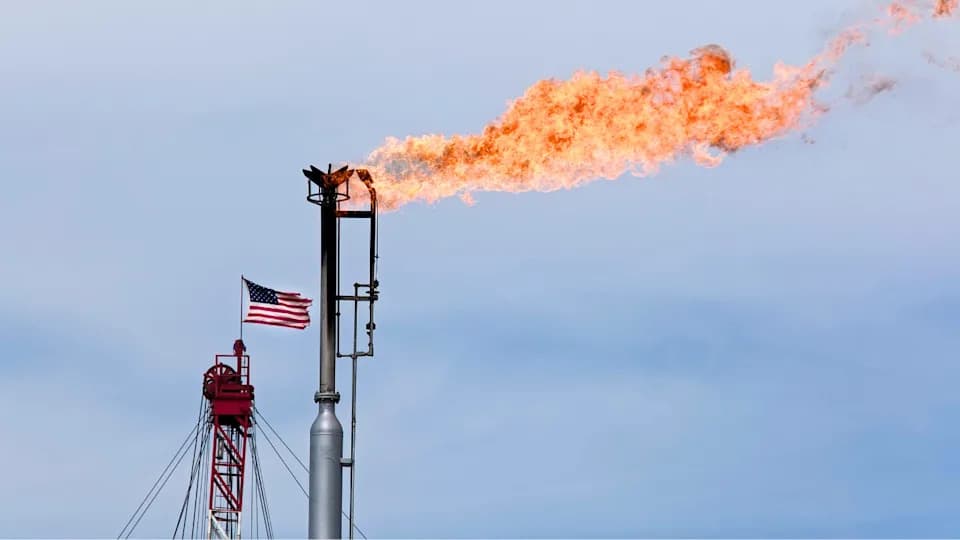
North Dakota's oil boom transformed the state's economy and now generates billions of dollars in tax revenue each year.
A new analysis obtained by Fox News Digital finds that a broad wave of climate-related lawsuits and state-level "superfund" measures targeting oil and gas companies could substantially increase U.S. household energy costs if every case and policy prevailed.
Key Findings
The report, co-authored by Heritage Foundation chief economist E.J. Antoni and Power The Future founder Daniel Turner, estimates an average increase of about $1,465 per household per year under a modeled "full-success" scenario in which more than 300 pending lawsuits, three state climate superfund laws, 12 state proposals and one federal bill all succeed.
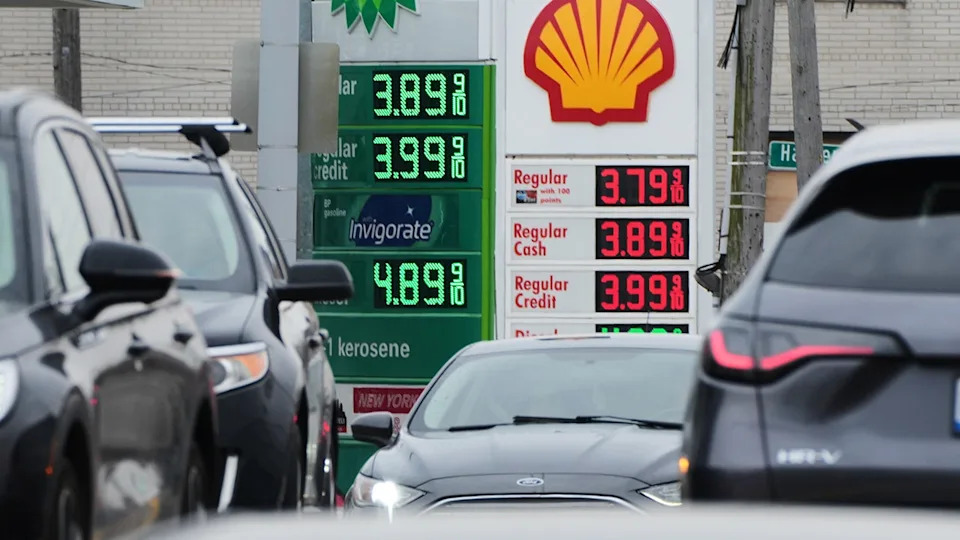
Gas prices are shown, Tuesday, March 31, 2026, in Detroit.
The authors calculate roughly $194 billion in additional annual costs to energy companies in that scenario, which they say would likely be passed on to consumers through higher prices rather than fully absorbed by companies or shareholders. The report breaks this down into an estimated $0.41 increase per gallon of gasoline and about an 8.6% rise in residential electricity bills.
Scope, Method and Caveats
The analysis reviewed more than 300 distinct lawsuits (excluding duplicate filings) and a range of legislative measures. The reported figures reflect a conservative, single-count approach to lawsuits and a hypothetical full-success outcome — not a forecast that all measures will prevail. The authors note some lawsuits do not specify requested damages, which could leave potential awards open-ended and make cost estimates conservative in some respects.
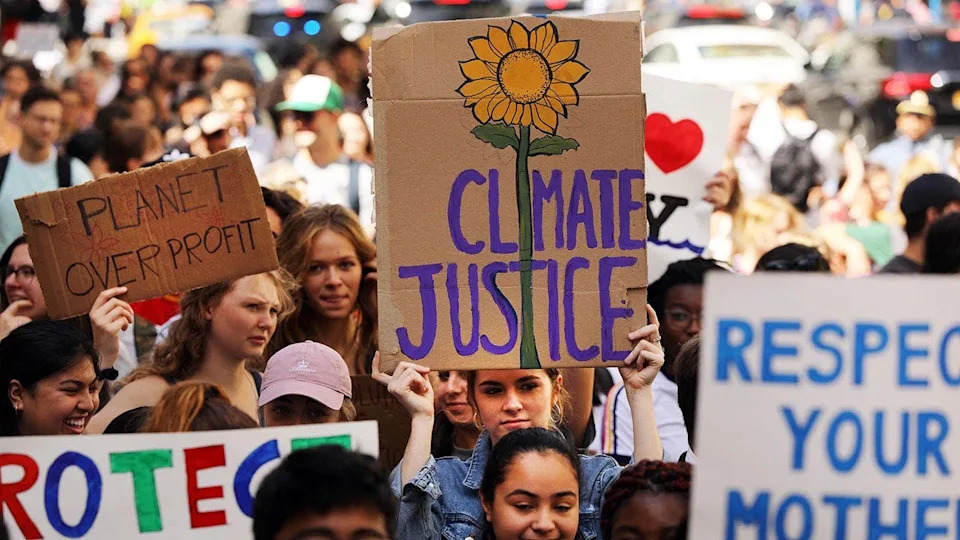
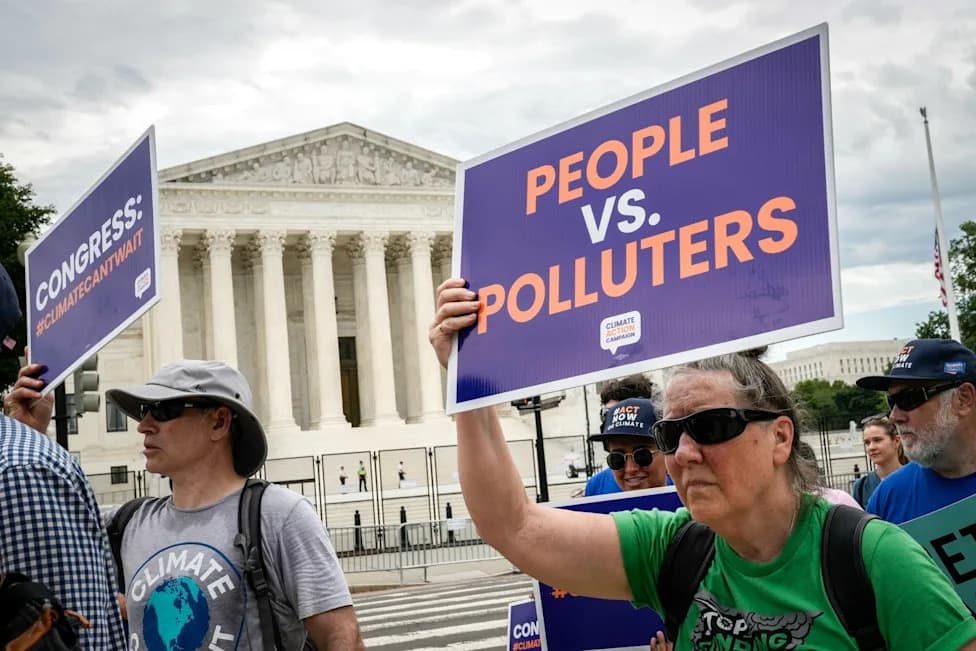
People march as they take part in a strike to demand action on the global climate crisis on September 20, 2019 in New York City.
Antoni told Fox News Digital: "You may think it's bad now, but it will get significantly worse," while Turner added that firms often recoup litigation-related costs by raising prices: "Every single time a company is sued... ultimately they will just charge people more for their product to recoup those losses." These quotes reflect the authors' interpretation of how litigation expenses may be allocated.
Legal Context
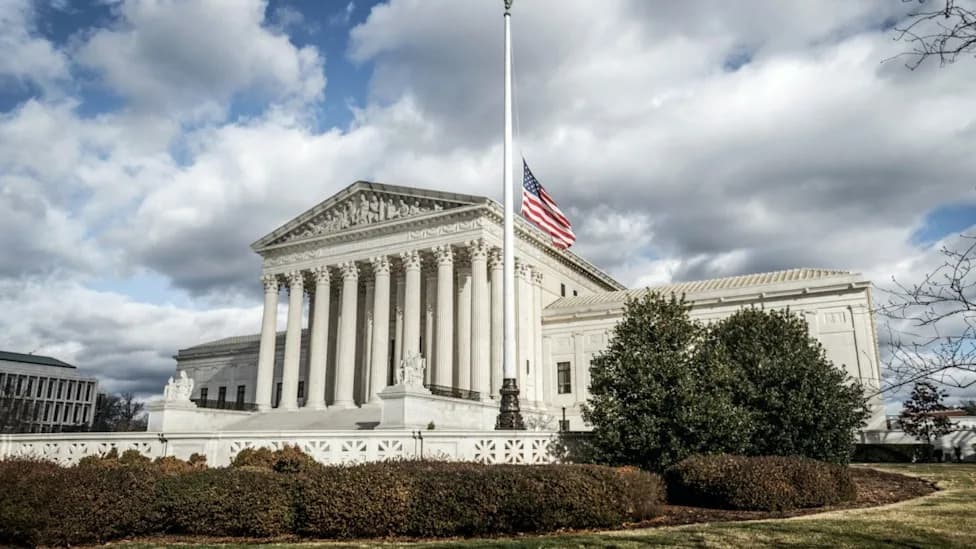
Among measures examined were New York's Climate Change Superfund Act (which was blocked by a federal judge in August) and the high-profile Suncor Energy v. County Commissioners of Boulder County case now awaiting argument before the U.S. Supreme Court. The Boulder case could shape whether state and local governments may pursue climate-related claims against fossil fuel producers in state courts, with implications for future litigation nationwide.
Policy Implications
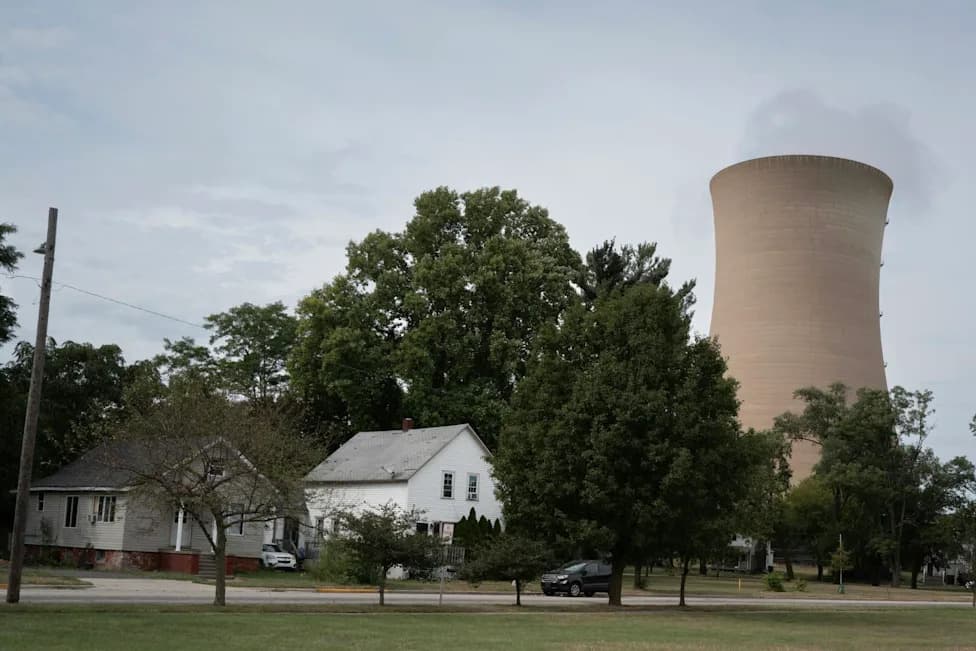
The report warns that state-level superfund litigation could shift responsibility for long-term infrastructure and mitigation choices away from elected officials, potentially encouraging governments to pursue litigation instead of investing in adaptation or mitigation projects. The authors cite North Dakota's oil boom as an example of how fossil fuel activity can change a state's fiscal picture and tax revenue.
Readers should note this is a modeled scenario emphasizing the potential consumer impact if all examined legal and legislative actions succeeded. The analysis is useful for understanding one possible outcome but does not predict that outcome as likely.
Bottom line: If a large set of climate-related lawsuits and state superfund measures were to prevail in full, the report estimates meaningful increases in consumer energy costs; the degree to which that would occur depends on legal results, company responses, and policy choices.
Help us improve.