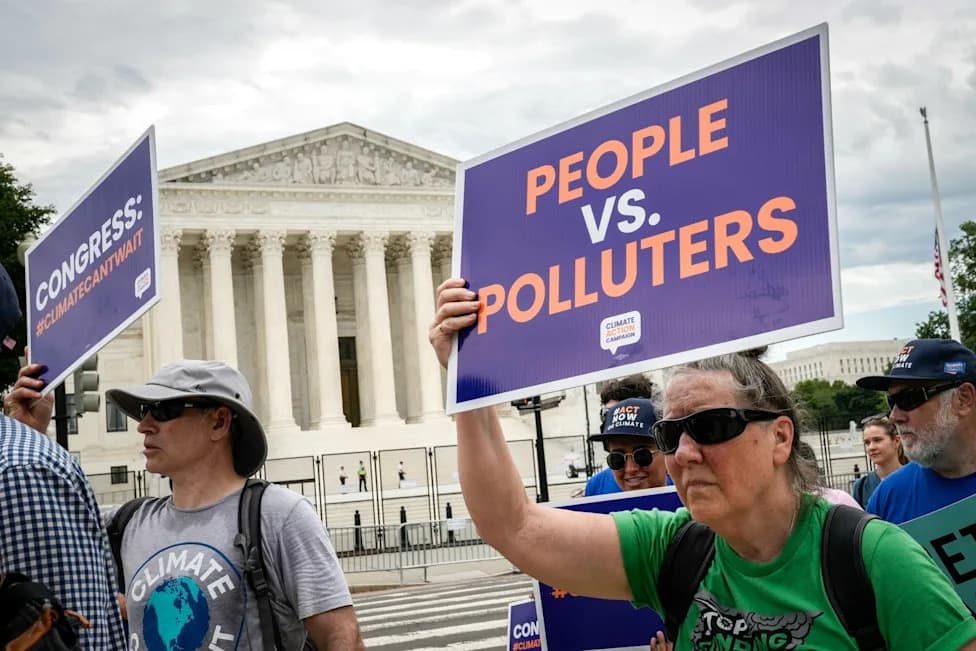
ExxonMobil and Suncor have asked the U.S. Supreme Court to block a Boulder, Colorado lawsuit that accuses them of aiding climate change and misleading the public. The case, heard on the first day of the Court’s term, could influence nearly 60 similar state and local suits seeking billions in damages. Justices will weigh whether federal law preempts Boulder’s state‑law claims and whether the Court has jurisdiction to decide the matter now.
Big Oil Returns to Supreme Court in High‑Stakes Climate Liability Fight
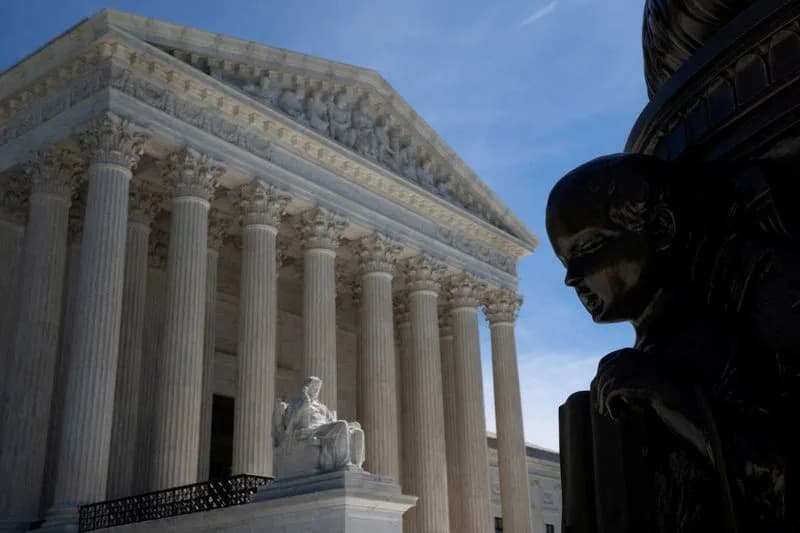
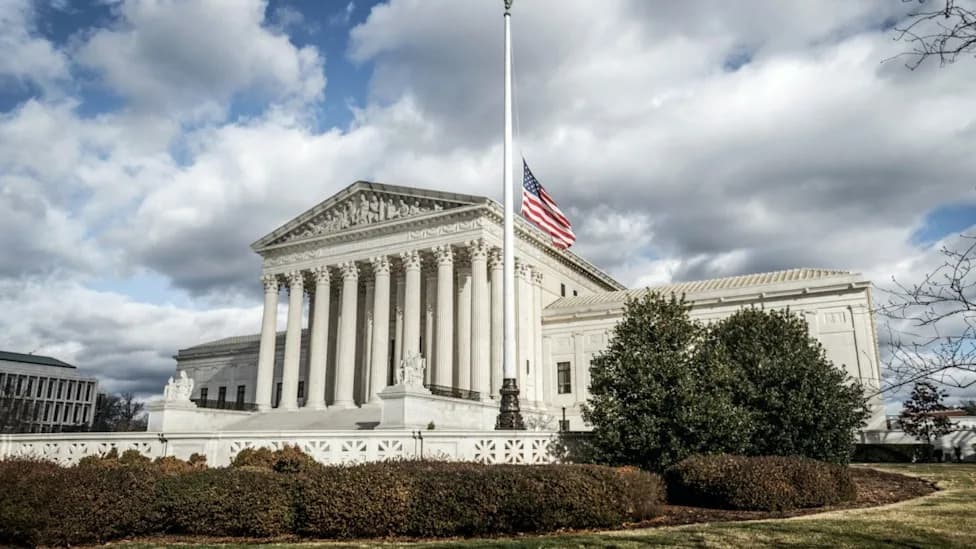
FILE PHOTO: A view of the US Supreme Court in Washington, DC, US, September 25, 2026. REUTERS/Nathan Howard/File Photo
Major oil companies ExxonMobil and Suncor Energy have once again appealed to the U.S. Supreme Court as they face potential liability for harms tied to climate change. The case — brought by the city and county of Boulder, Colorado — alleges the companies helped drive global warming and misled the public about the risks of fossil fuels. The court is scheduled to hear arguments on the first day of its new term.
Why the Case Matters
The outcome could affect nearly 60 similar state and local lawsuits seeking billions of dollars in damages from fossil fuel companies. Exxon and Suncor argue that federal law preempts Boulder’s state‑law claims and have asked lower courts to dismiss the suit. The Trump administration filed a brief supporting the companies, arguing federal law blocks Boulder's theories.
What Boulder Seeks
Boulder’s city and county governments, which filed the suit in 2018, seek unspecified monetary damages to cover past and projected costs tied to climate change — including infrastructure repairs, environmental remediation, emergency management and public‑health impacts. The plaintiffs say local communities are already bearing mounting financial and public‑safety burdens from rising temperatures and extreme weather.
Legal Issues Before the Court
The Supreme Court will consider two central questions: whether federal law (including the Clean Air Act) precludes certain state‑law claims seeking damages for harms allegedly caused by greenhouse gas emissions, and whether the court has jurisdiction to decide the dispute at this stage of litigation. The justices have asked the parties to brief both questions.
"The stakes are enormous here. There are billions of damages that are sought," said attorney Deepak Gupta during a Georgetown Law preview — underscoring the potential nationwide consequences of the decision.
Context And Recent Precedents
Energy companies and allied trade groups have won several favorable rulings at the Supreme Court over the past two decades in disputes over climate liability and the reach of federal environmental regulation. Notable precedents include a 2007 decision that greenhouse gases qualify as air pollutants under the Clean Air Act and that the Environmental Protection Agency has authority to regulate them, and a 2011 ruling that limited the use of federal common law to seek court‑ordered cuts in carbon emissions from power plants.
In 2021 the court resolved a procedural dispute in favor of energy companies, a decision that made it easier for defendants to move climate cases into federal court — often seen as a more favorable forum for industry defendants. That procedural issue previously brought the Boulder case to the Supreme Court in 2023, when the court left in place a lower court order sending the case back to state court.
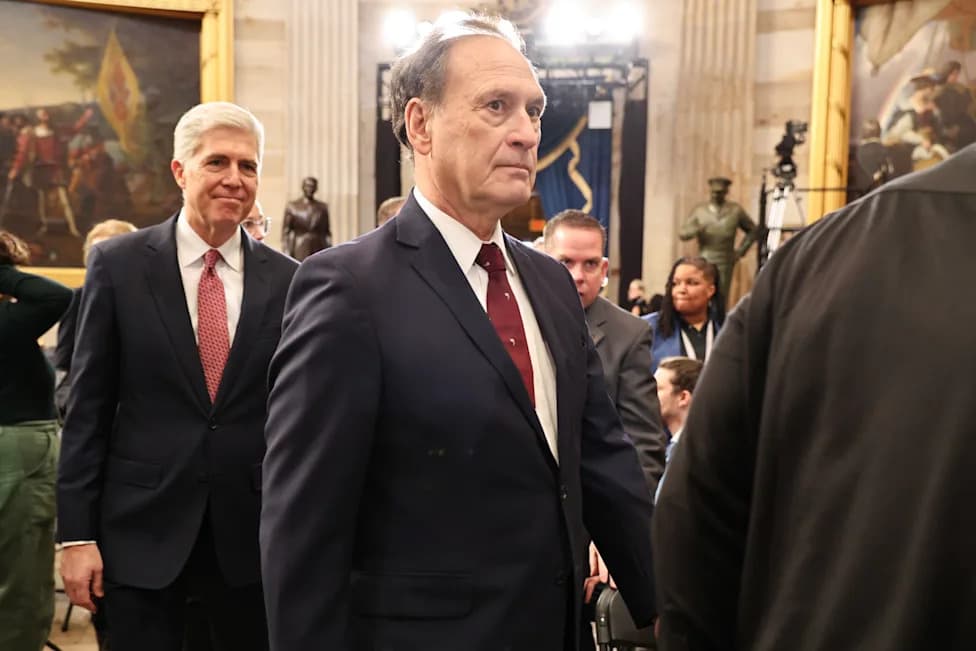
Justice Samuel Alito has recused himself from the current dispute; his financial disclosures show stock holdings in some oil and gas companies, though not Exxon or Suncor. The companies deny wrongdoing and continue to challenge Boulder’s claims in court.
Potential Impact
A ruling for the companies could lead to dismissal of many state‑law suits nationwide, curtailing a major avenue plaintiffs have pursued to recover climate‑related costs. A ruling for Boulder could preserve a path for local governments to seek compensation for the local harms they attribute to fossil fuel production and marketing.
(Reporting by John Kruzel; Editing by Will Dunham)
Help us improve.