The Supreme Court’s 2026–2027 merits term resumes this week after a summer focused on the emergency docket. Two high-profile cases to watch are Suncor Energy v. Boulder County, addressing whether federal law preempts state climate-damage suits (argued Oct. 5), and Salazar v. Paramount Global, which tests the scope of the VPPA and whether sharing viewing data with Facebook violated the statute (argued Oct. 14). The piece also recalls Justice Benjamin Curtis’s 1857 resignation and dissent in Dred Scott, a lasting rebuke to the Court’s notorious decision.
Two Supreme Court Cases to Watch as the 2026–2027 Term Resumes
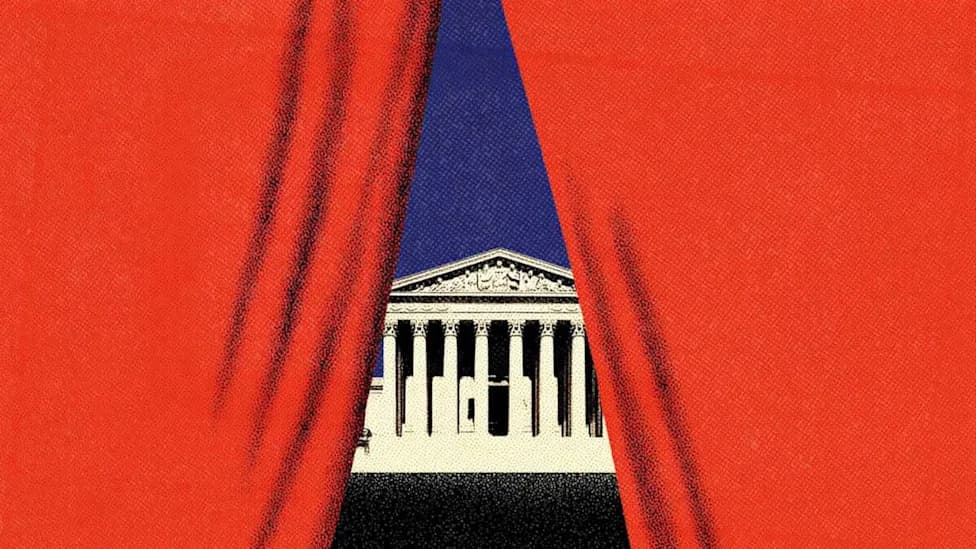
Illustration: Midjourney
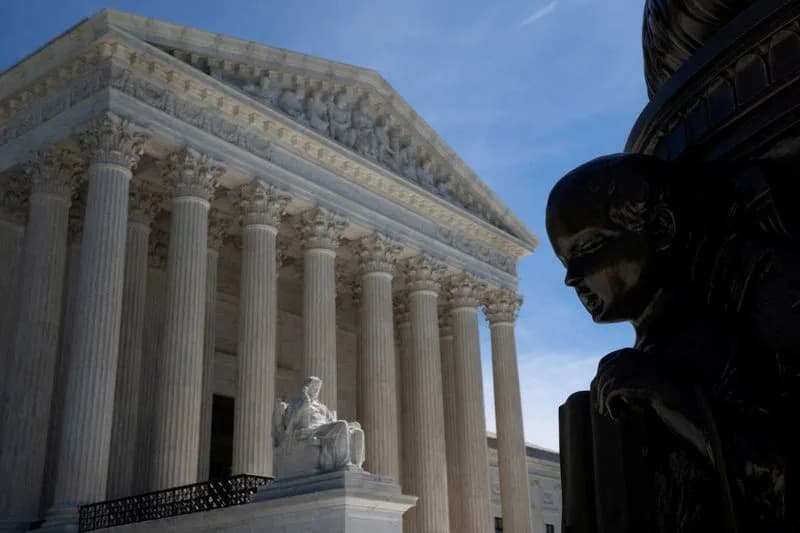
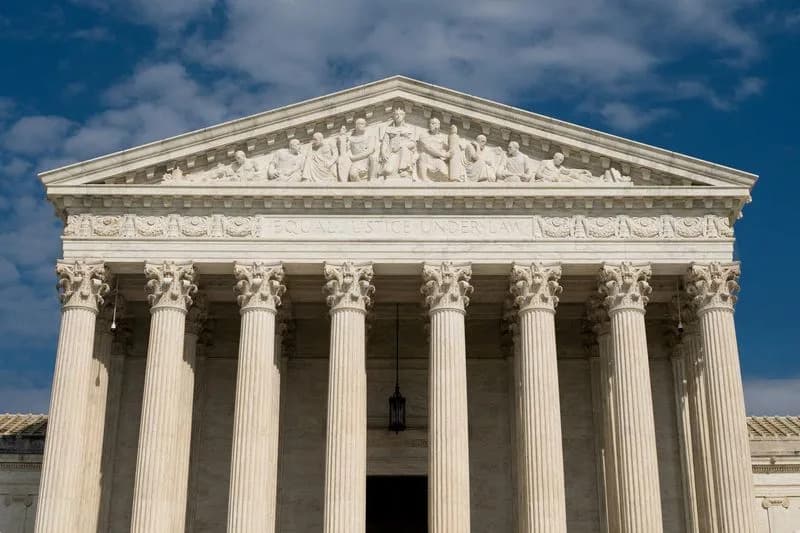
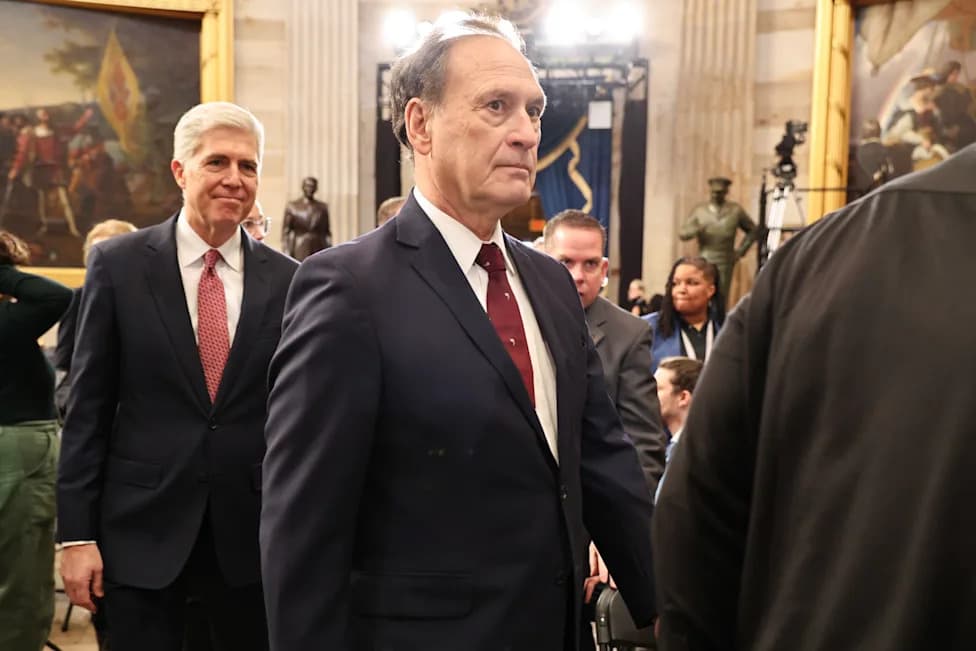
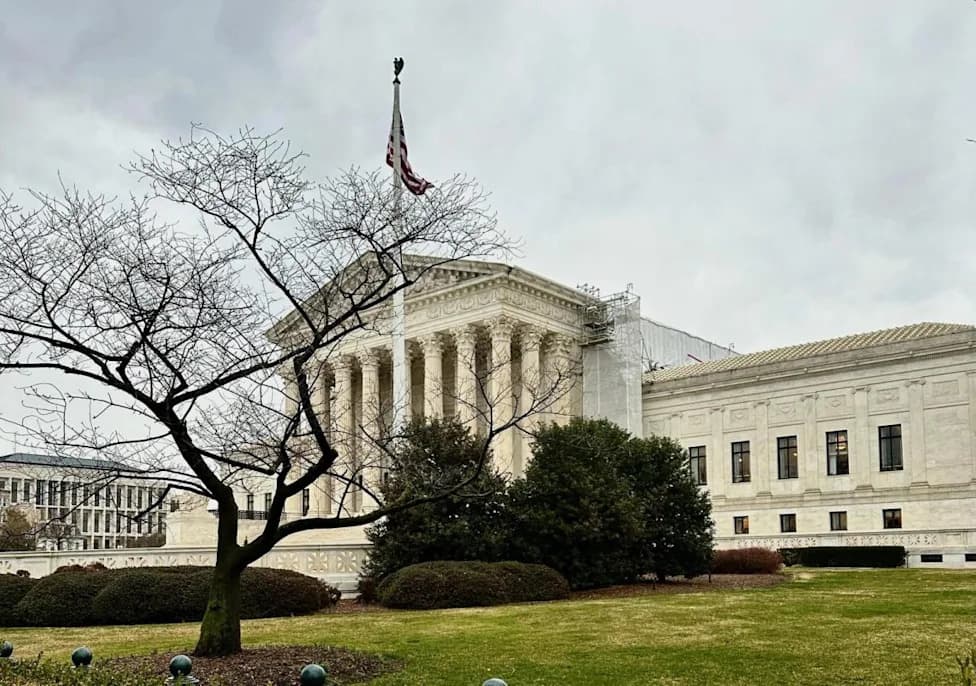
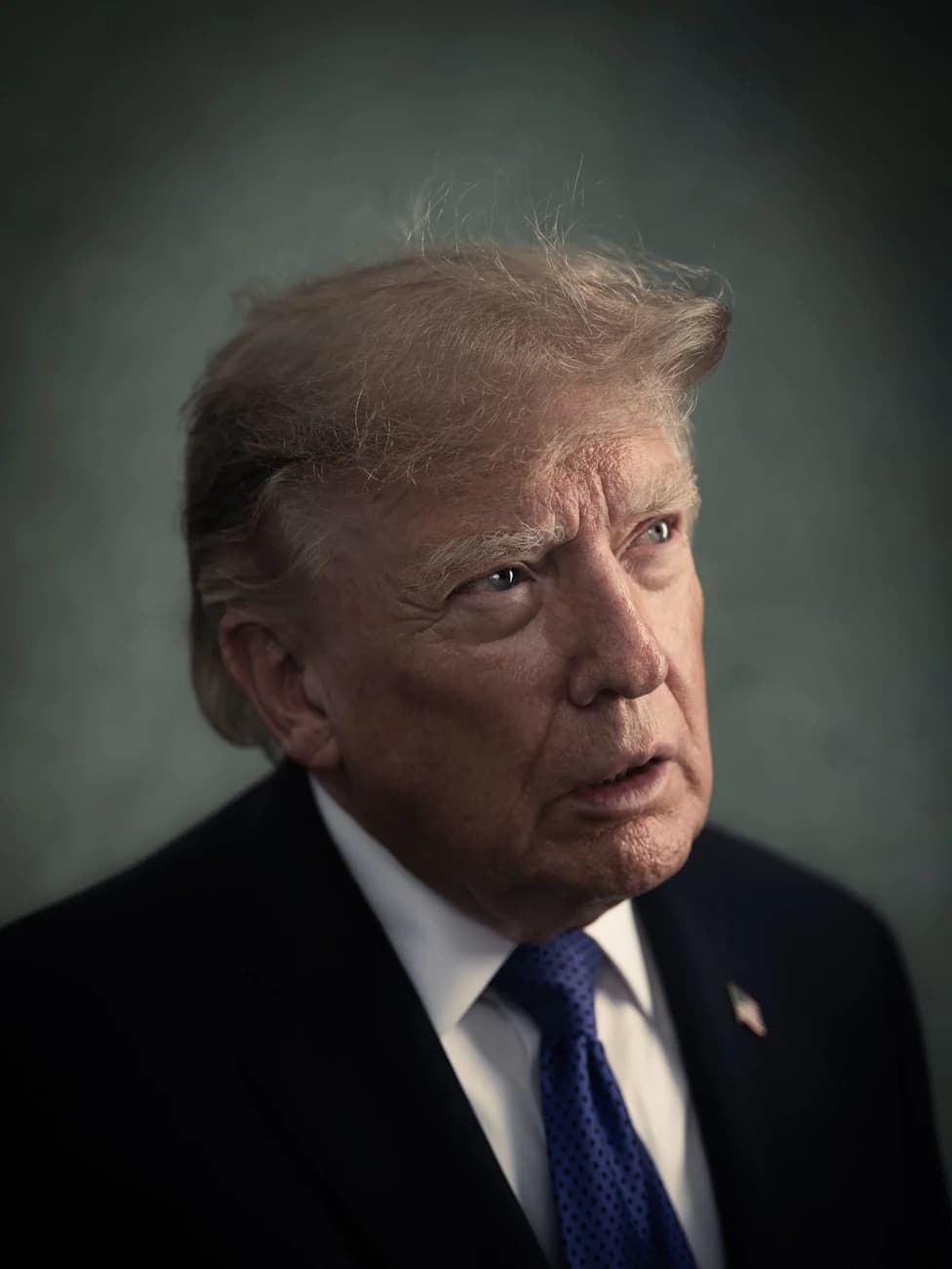
The U.S. Supreme Court's 2026–2027 merits term resumes this week after a summer during which the justices remained busy on the emergency, or "shadow," docket. Over those months the Court issued high-profile orders and opinions on topics ranging from President Donald Trump's efforts to limit mail-in ballots to disputes over construction at the White House. Now the regular merits docket—cases the justices decide after full briefing and oral argument—returns to center stage.
Below are two high-stakes merits cases scheduled for argument this month that merit close attention for their potential legal and policy consequences.
Suncor Energy, Inc. v. County Commissioners of Boulder County
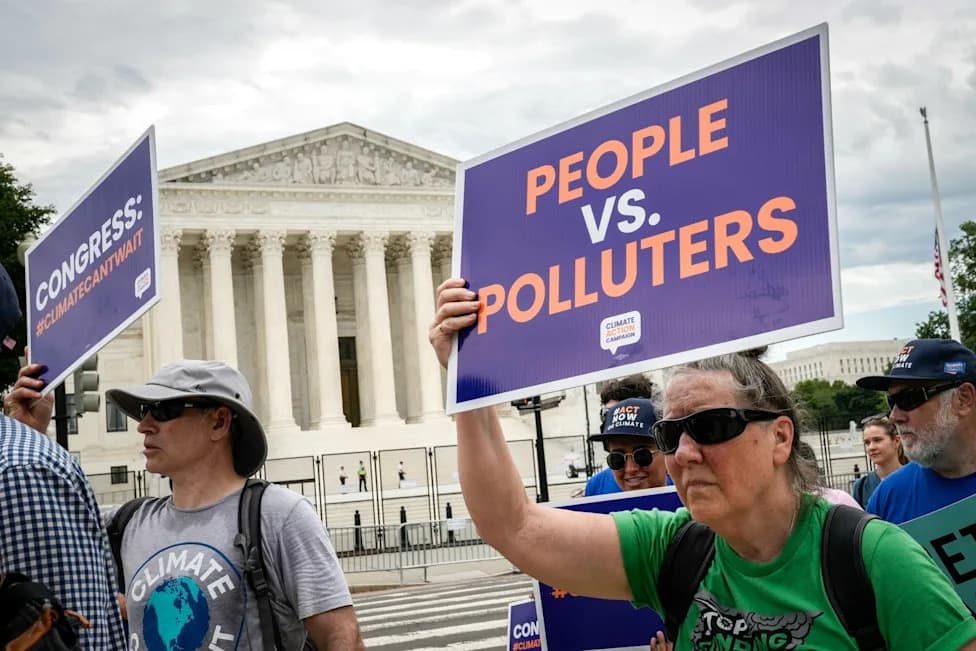
What’s at stake: Boulder County officials sued Suncor Energy under Colorado law seeking damages they say resulted from greenhouse-gas emissions and climate change. Suncor argues the suit is preempted by federal law because the alleged conduct did not originate in Colorado. The central legal question is whether state-law climate-damage claims that arise from interstate or international emissions must yield to federal law or can proceed in state courts.
Why it matters: The Court’s answer could shape the future of climate litigation across the country—either curtailing a wave of state-level suits against energy companies or allowing states and localities to pursue damages under state law for climate-related harms.
When: Oral argument is scheduled for October 5.
Salazar v. Paramount Global
What’s at stake: This case interprets the Video Privacy Protection Act of 1988 (VPPA), a federal law enacted after a video-store clerk leaked a list of films rented by then-Supreme Court nominee Robert Bork. The VPPA bars a "video tape service provider" from "knowingly disclos[ing] ... personally identifiable information concerning any consumer of such provider." Here, plaintiff Michael Salazar alleges that Paramount Global, operating the website 247Sports, shared his viewing or video-related information with Facebook—raising the question whether that conduct violated the VPPA.
Key legal question: The case asks whether the VPPA’s phrase "goods or services from a video tape service provider," as used in the statute’s definition of "consumer," means all of a provider’s goods and services or only its audiovisual goods and services. The Court’s interpretation will influence how broadly the VPPA protects online users and how digital platforms handle and monetize viewing-related data.
When: Oral argument is scheduled for October 14.
Historical Note: Justice Benjamin Curtis and Dred Scott
On September 30, 1857—169 years ago—Justice Benjamin Curtis resigned from the Supreme Court in protest of the Court’s decision in Dred Scott v. Sandford (1857). Curtis was one of two dissenters who sharply criticized Chief Justice Roger Taney’s majority opinion, which infamously held that Black people could not be U.S. citizens. In dissent, Curtis rebutted Taney’s historical claims and emphasized that free Black persons in several states had been recognized as citizens and even enfranchised at earlier points in American history. Curtis’s dissent remains a notable moral and legal rebuke of the Dred Scott ruling.
Both the contemporary cases and this historical aside illustrate the Court’s continued influence on major questions—environmental policy, digital privacy, and fundamental rights—that reach well beyond the marble halls of the Supreme Court.
Originally published by Reason Magazine under the headline "2 Supreme Court Cases to Watch This Month." This version has been edited for clarity and context.
Help us improve.