Brent crude hovered near $100 as intensified fighting between Yemen's Saudi‑backed government and Iran‑aligned Houthis around the Bab el‑Mandeb Strait raised fresh risks for Red Sea shipping and oil flows. Kpler data show Middle East exports excluding Iran briefly surpassed pre‑war levels in September by rerouting via alternative corridors, but conflicting reports of a strike on Saudi Arabia's East‑West pipeline and new Houthi threats to aviation underscore the fragile recovery. Regional troop deployments, U.S. arms sales and thin global oil inventories increase the chance of further market disruption.
Red Sea Clashes Rattle Oil Markets: Brent Nears $100 as Bab el‑Mandeb Fighting and Conflicting Pipeline Reports Threaten Flows
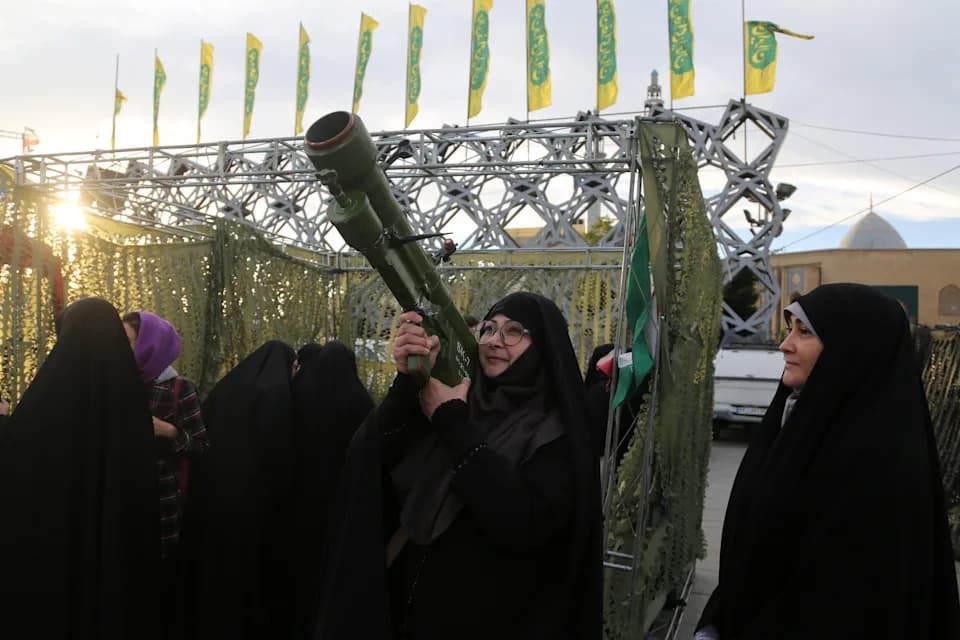
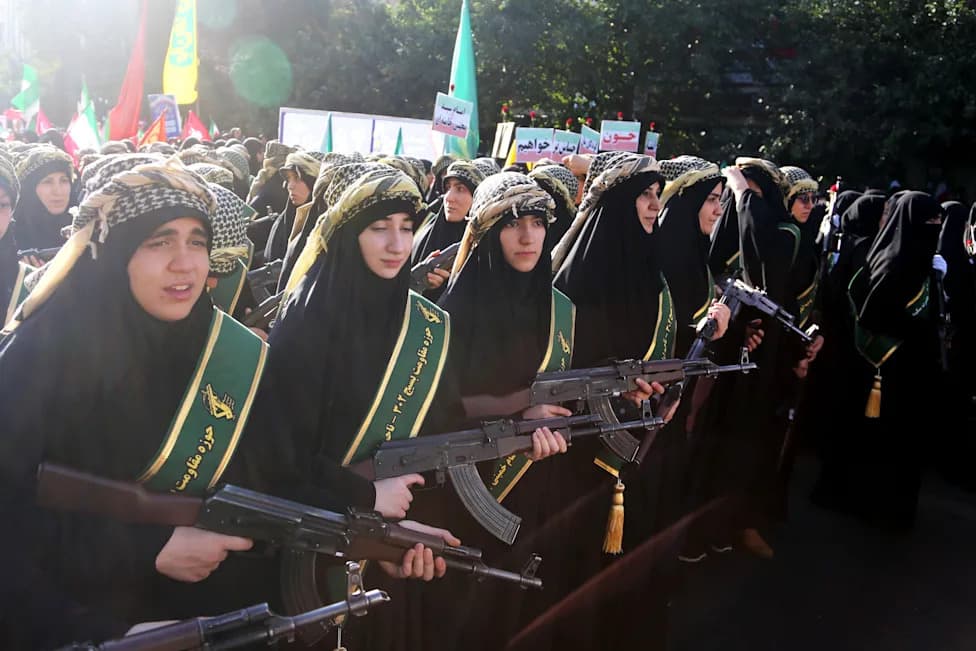
Civilians receive training on the use of long-barreled firearms, multiple rocket launchers and air defense systems during drills held in Tehran, Iran, Oct. 4, 2026. / Credit: Fatemeh Bahrami/Anadolu/Getty
Brent crude hovered around $100 a barrel as renewed fighting between Yemen's Saudi‑backed government and Iran‑aligned Houthi forces over the Bab el‑Mandeb Strait added fresh uncertainty to global oil and shipping routes. Conflicting accounts about damage to Saudi Arabia's East‑West pipeline and new Houthi warnings to airlines heightened market and security concerns.
Market Impact
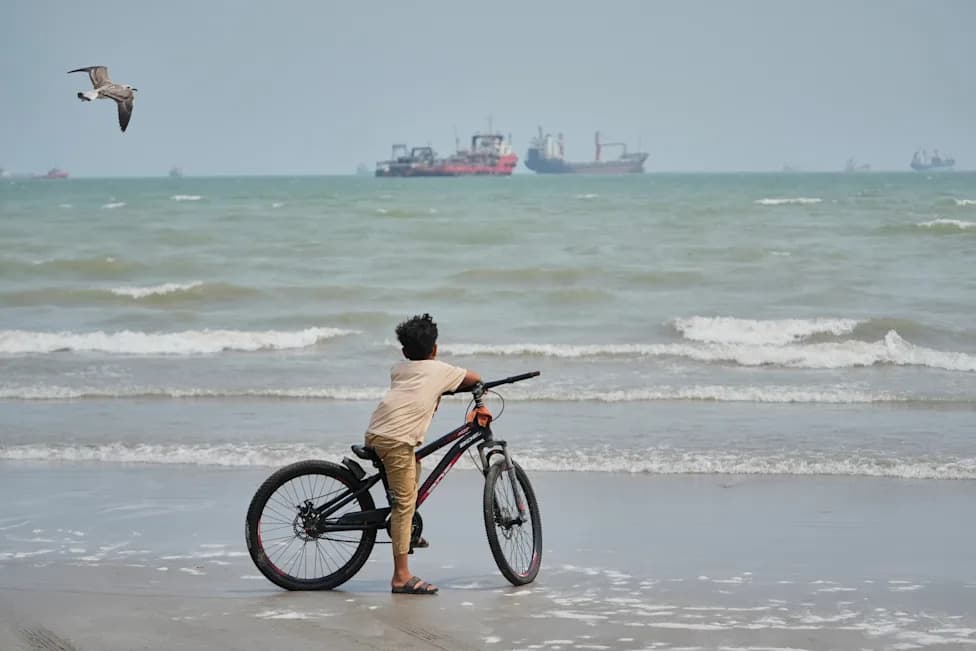
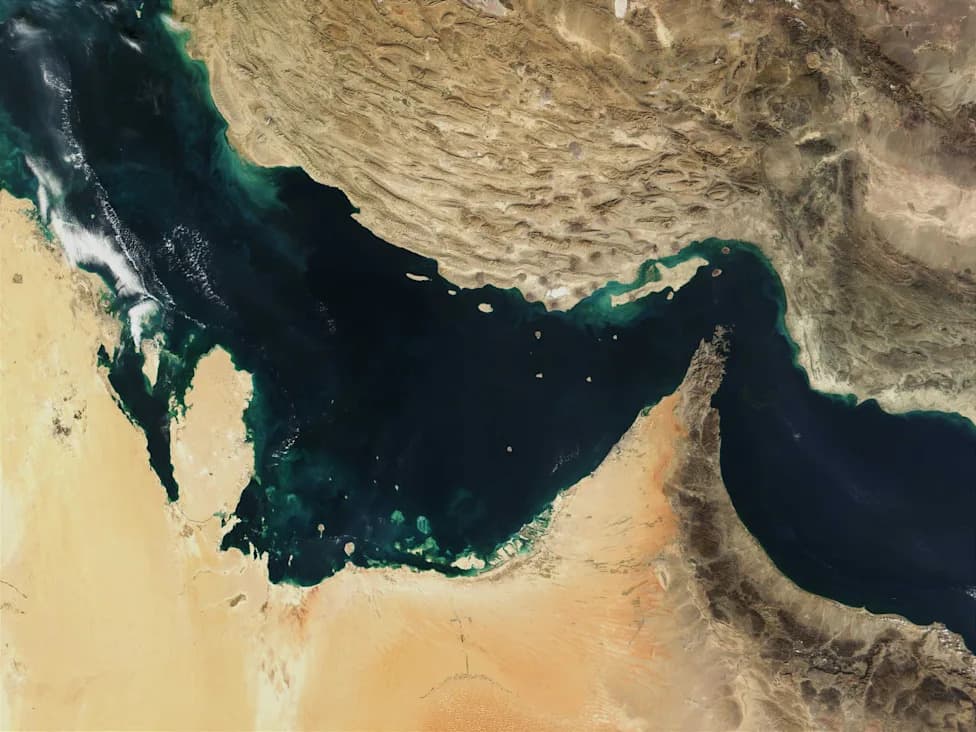
Maritime tracker Kpler reported that Middle East oil exports excluding Iran briefly rose above pre‑war levels in September after producers rerouted shipments away from the Strait of Hormuz via the Red Sea and pipelines. That resilience, however, may be fragile: intensified fighting around the Bab el‑Mandeb — a key chokepoint linking the Red Sea to the Gulf of Aden — threatens those alternative routes and could push prices higher if disruptions persist.
Military And Security Developments
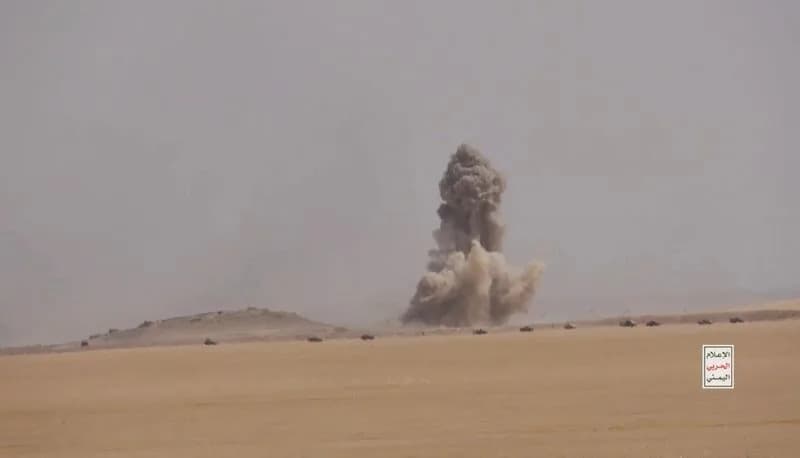
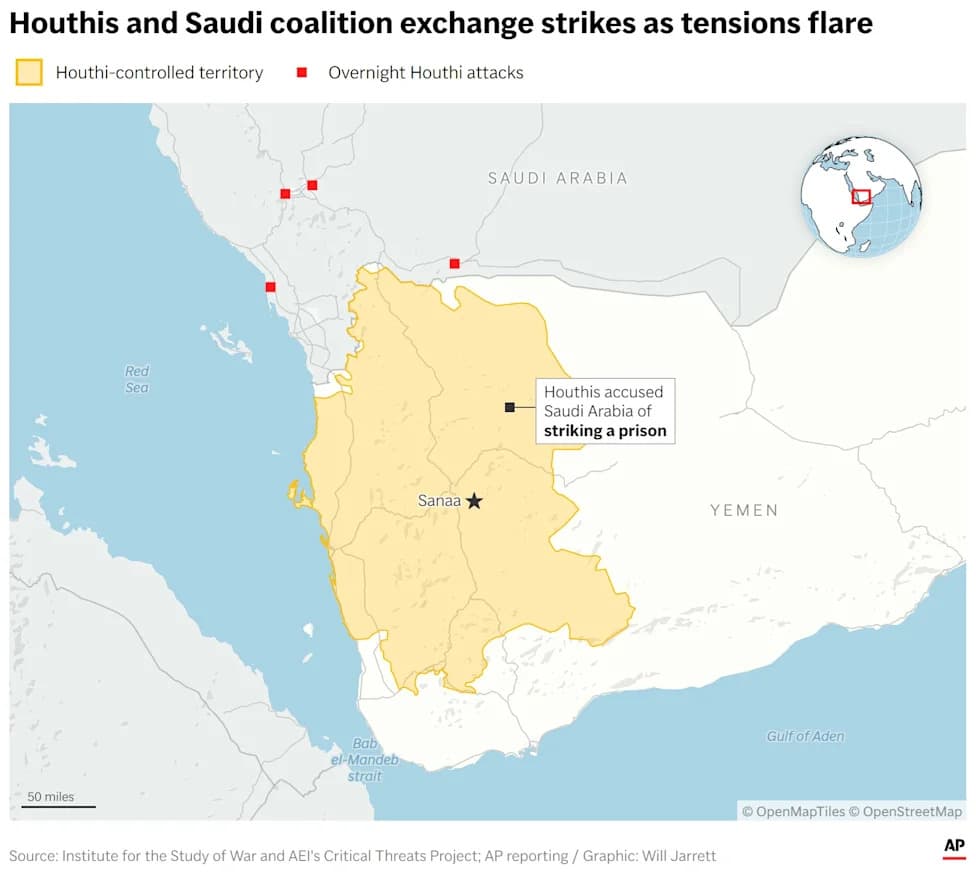
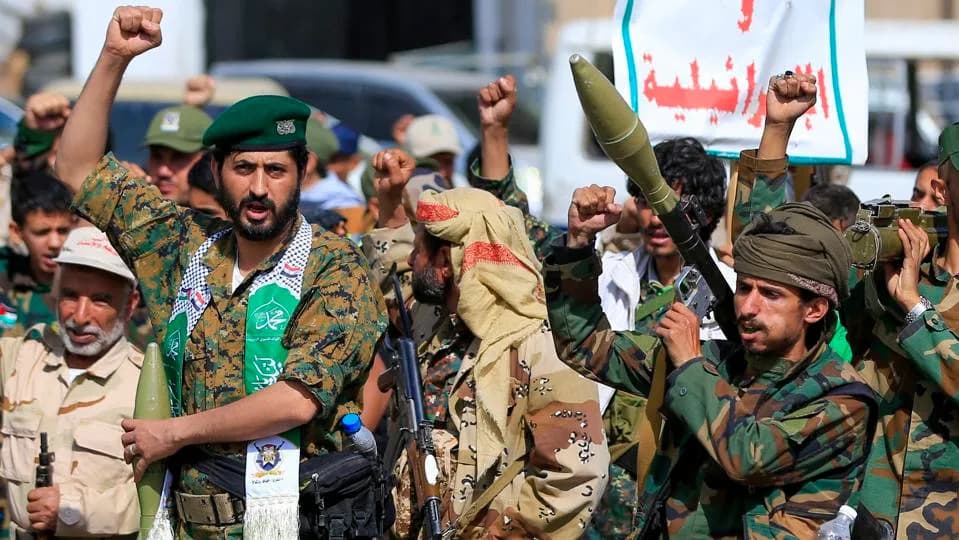
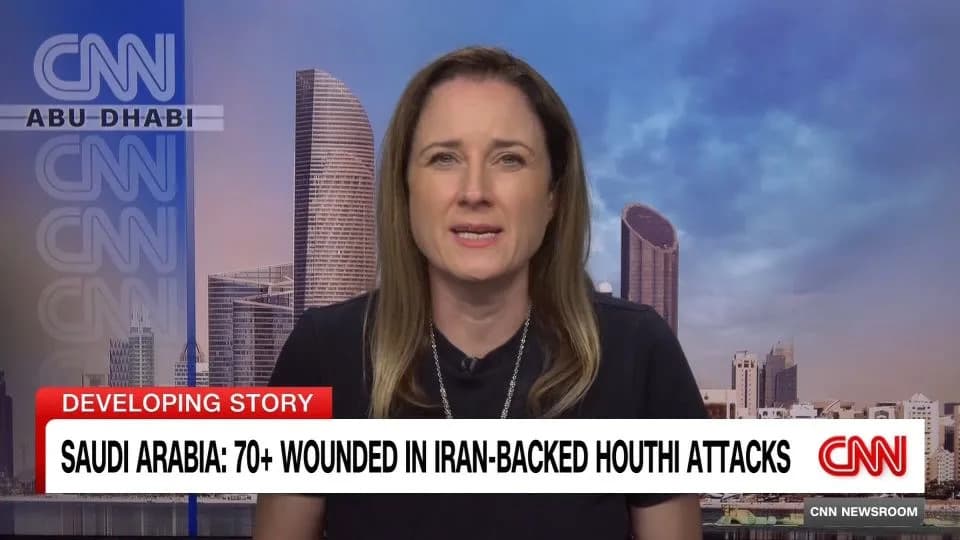
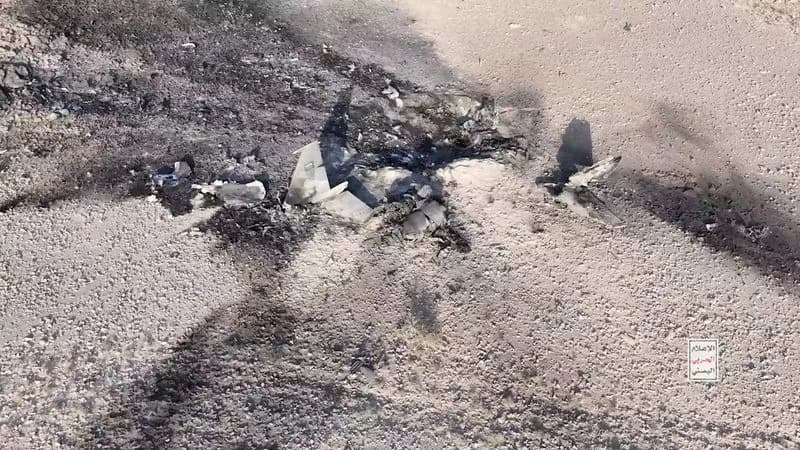
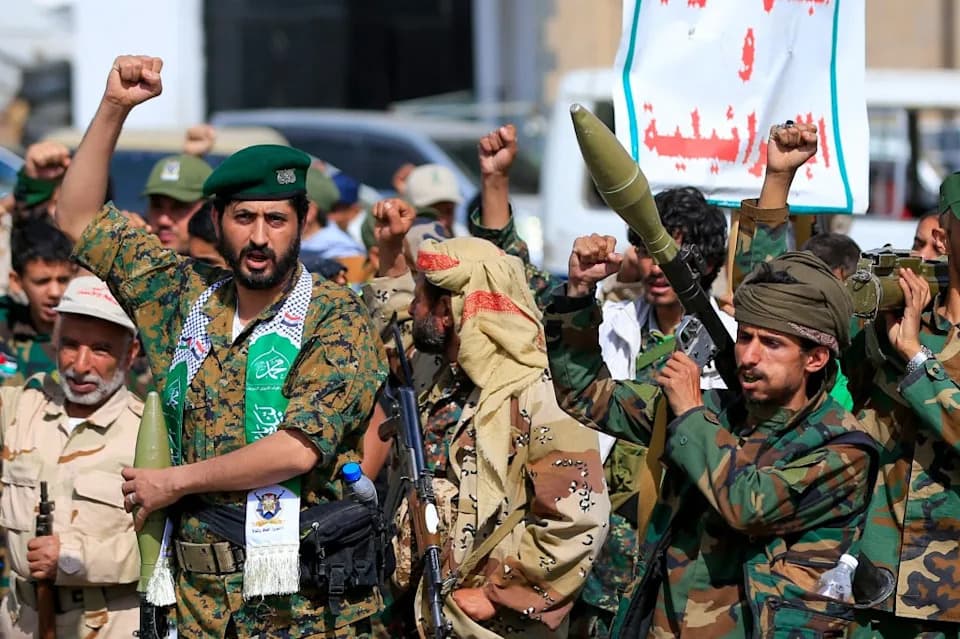
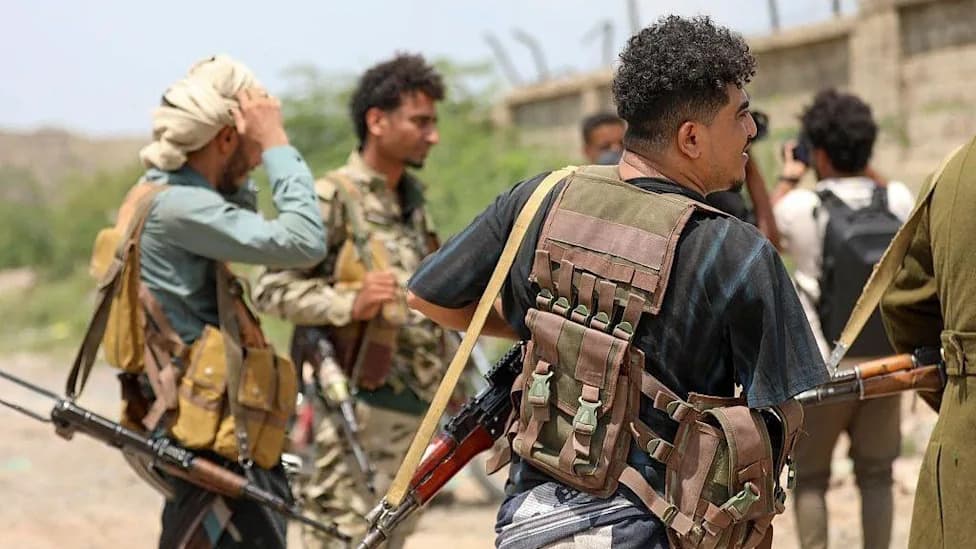
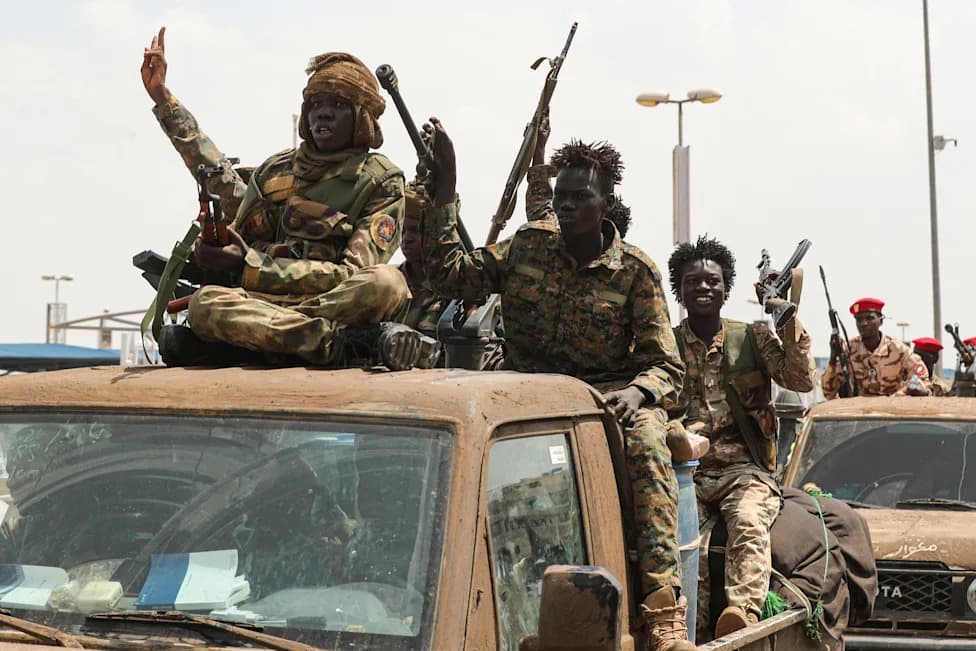
Yemen's Houthi movement claimed attacks on targets inside Saudi Arabia, including an international airport in Riyadh and Aramco facilities, and warned global carriers against flying through Saudi airspace (except over Mecca and Medina). Saudi‑led forces reported strikes against Houthi positions along the Red Sea coast, and Yemeni government forces said they launched an offensive aimed at retaking Sanaa.
U.S. Central Command said U.S. forces had disabled a number of commercial vessels in the Strait of Hormuz over recent weeks as part of maritime enforcement operations, while the U.K. maritime monitor UKMTO reported multiple tankers struck by unknown projectiles in the Hormuz area and incidents near the Bab el‑Mandeb.
Regional Responses And Arms Moves
Turkey and Pakistan agreed with Saudi Arabia to stage rapid troop deployments to the Kingdom under a new mutual defense understanding, reflecting heightened regional security coordination. Separately, the U.S. approved a proposed $1 billion sale of guidance sections for the Advanced Precision Kill Weapon System to the UAE and roughly $400 million in Patriot missile support for Kuwait.
Energy Infrastructure And Shipping Incidents
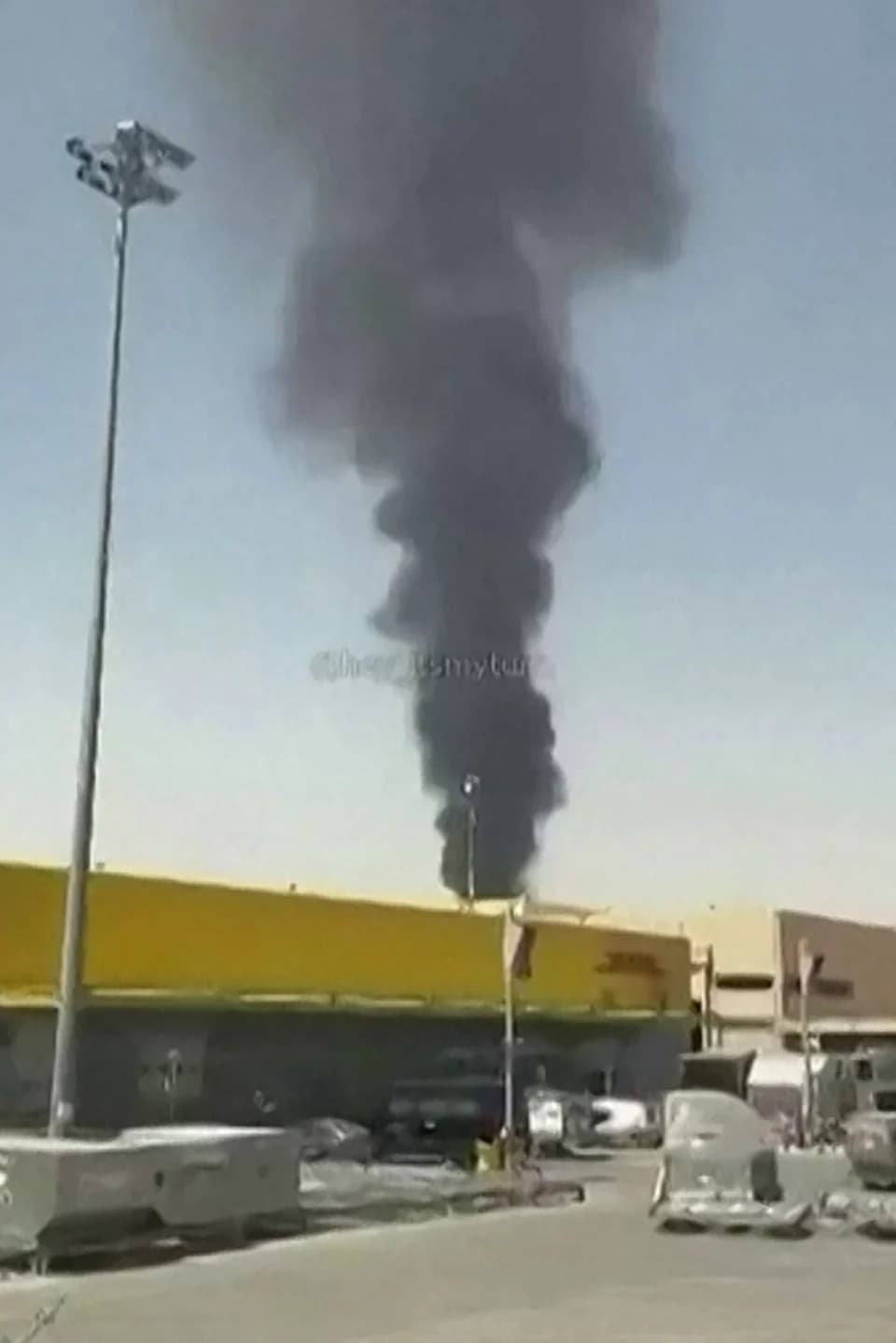
Conflicting reports emerged over a reported strike on Saudi Arabia's East‑West Crude Oil Pipeline near Khurais: an energy‑sector source told AFP the pipeline had been hit and flows stopped, while Reuters and Bloomberg cited sources saying oil was still moving. Saudi Aramco's CEO warned that global oil inventories are thin, underlining the limited buffer available if further disruptions occur.
Maritime monitors also reported tankers struck by unknown projectiles in the Strait of Hormuz and another vessel turned back after being hailed and warned by Iran's Revolutionary Guard Corps.
Diplomacy, Domestic Developments And Human Impact
Diplomatic channels showed little immediate progress: Iranian officials characterized recent talks with the U.S. as fruitless, and indirect meetings produced no breakthrough. In Iran, state media reported two executions tied to deadly incidents during earlier protests, a development that humanitarian and rights groups say is part of a broader rise in capital punishments since the regional conflict escalated.
What To Watch
- Whether Red Sea and pipeline routes remain open and secure.
- Further Houthi attacks on Saudi infrastructure or warnings affecting civil aviation.
- Market reaction if Kpler's rerouting capacity is disrupted and inventories remain thin.
Bottom line: Markets have shown short‑term resilience through alternative routes, but renewed fighting around Bab el‑Mandeb and unclear damage reports to major pipelines leave oil flows and prices vulnerable to further shocks.
Help us improve.