UKMTO says a tanker in the Strait of Hormuz was hit by an unknown projectile on Monday evening, sparking an engine-room fire but causing no immediate injuries. Several other tankers were struck over the weekend, and the IRGC ordered a vessel to turn back. Iran says it acted against 13 vessels in seven days, while US forces have redirected 130 commercial ships and disabled three as part of a blockade intended to restrict Iranian oil exports.
Multiple Tankers Struck in Strait of Hormuz as Tensions Escalate, UKMTO Reports
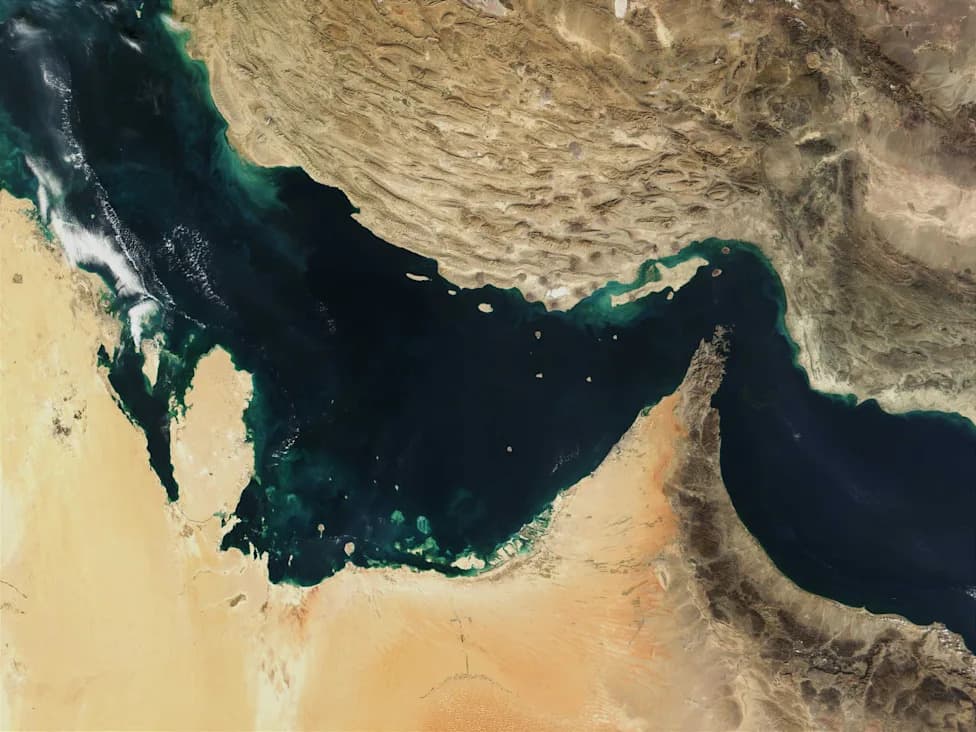
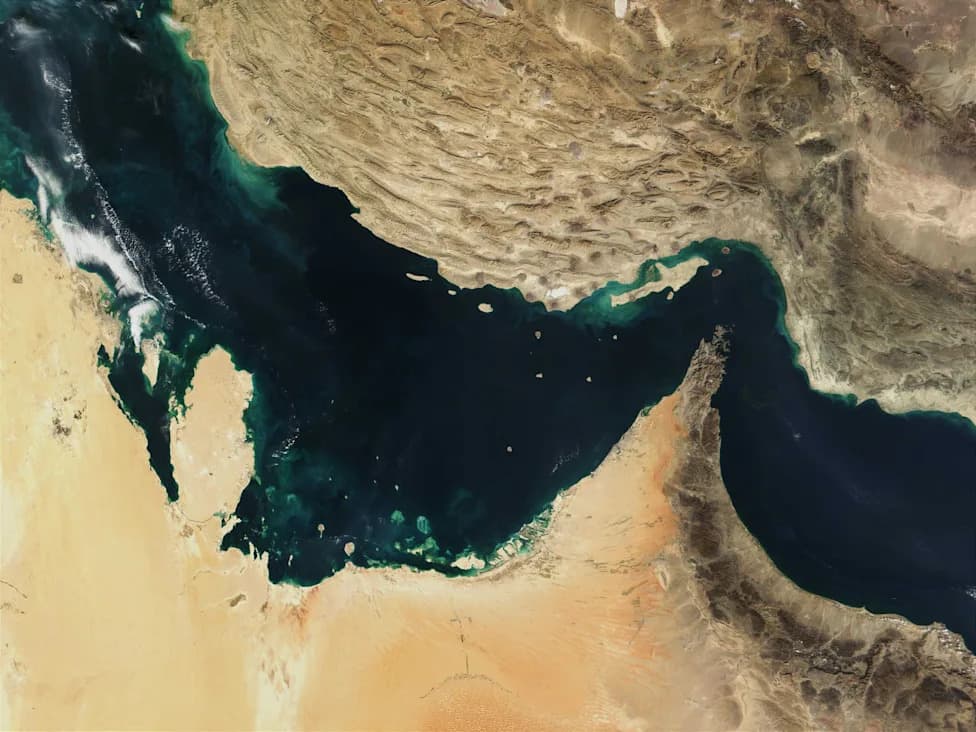
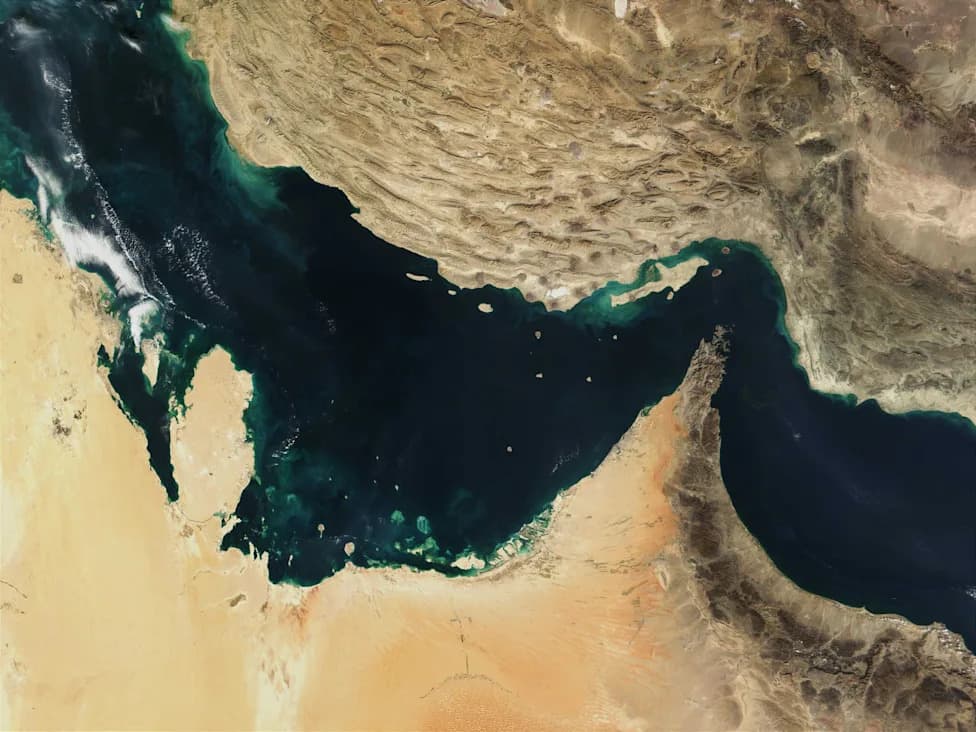
FILE PHOTO - A satellite picture provided by the National Aeronautics and Space Administration (NASA), shows the Arabian Gulf (Persian Gulf), the Strait of Hormuz, and the Gulf of Oman. (is associated with: «Fresh attacks on tankers in Strait of Hormuz, UK maritime agency says») -/The Visible Earth/NASA/dpa
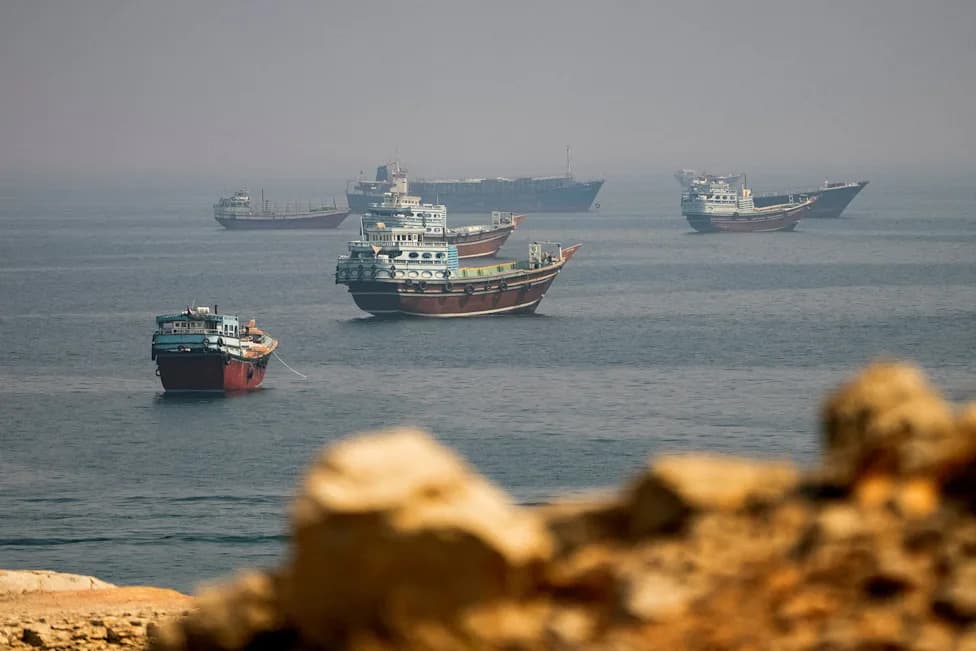
The United Kingdom Maritime Trade Operations (UKMTO) reported on Monday that a tanker in the Strait of Hormuz was struck by an unknown projectile, according to the vessel's captain. The impact on Monday evening ignited a fire in the ship's engine room; there were initially no reports of injuries, UKMTO said on X.
Related Incidents Over The Weekend
UKMTO detailed several related incidents in the days before Monday's strike. On Saturday, a crude oil tanker was hit above the waterline by an unidentified projectile. On Sunday, another oil tanker was struck by unidentified projectiles roughly two hours after a liquefied natural gas (LNG) tanker had been hit.
IRGC Action And Iranian Claims
Also on Monday, UKMTO said a vessel approaching the Strait of Hormuz was ordered by Iran's Islamic Revolutionary Guard Corps (IRGC) to turn back or risk attack; the vessel complied. Iran's Fars news agency reported Monday evening that Iranian forces had taken action against 13 vessels over the previous seven days.
Wider Context And Strategic Impact
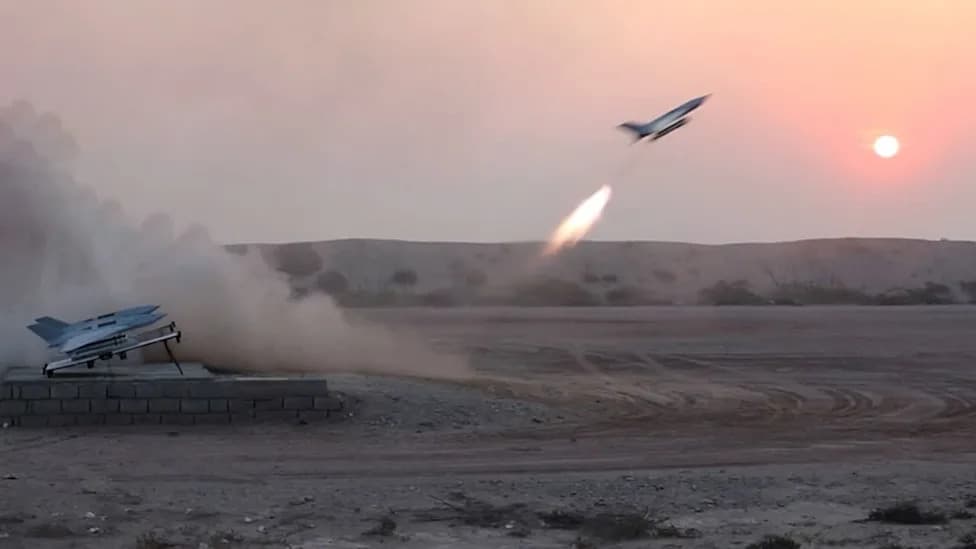
The Strait of Hormuz has emerged as a central flashpoint amid escalating hostilities between Tehran and the United States. Since late February, Iran has restricted shipping through this strategic energy corridor through a mixture of threats and direct attacks, while the US military has also struck civilian Iranian vessels in the same period.
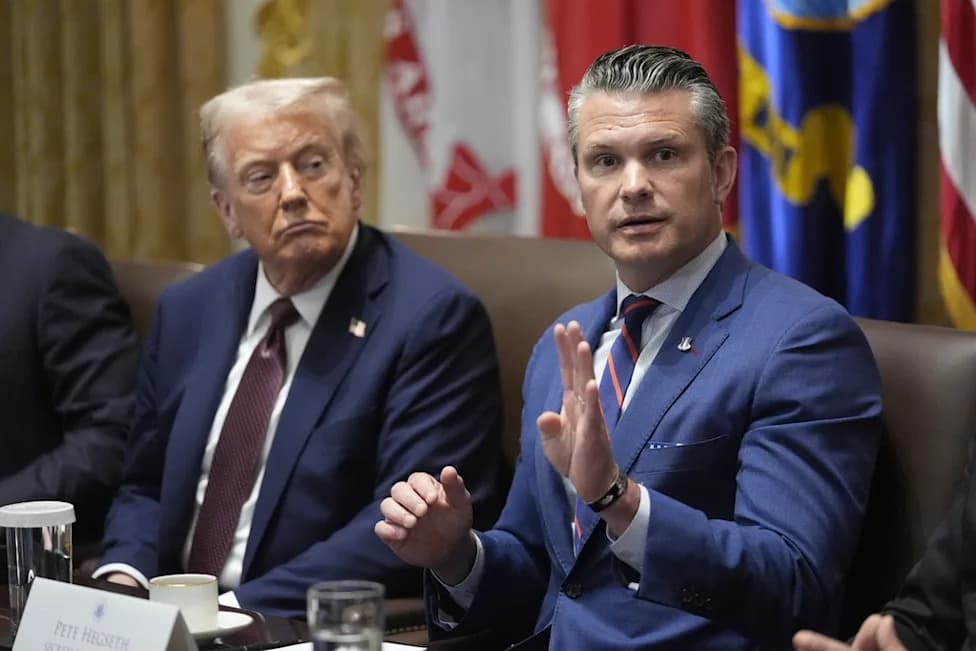
US forces have reintroduced a naval blockade on ships entering or leaving Iranian ports since mid-July. US Central Command (CENTCOM) said on X that forces have redirected 130 commercial vessels to enforce the blockade and disabled three ships that refused to comply. The blockade is intended to curb Iranian oil exports and apply financial pressure on Tehran.
Implications: The repeated strikes and interdictions raise the risk to commercial shipping, could push up insurance and freight costs, and add volatility to global energy markets.
Help us improve.