NAZA, a documentary by Yuval Abraham and Rachel Szor, opened in U.S. theaters after a 25-minute standing ovation in Venice and renewed debate over Israel's conduct in Gaza and U.S. military support. The film features anonymous Israeli military insiders alleging that AI-assisted targeting led to strikes with high civilian casualties; the Israeli military denies the claims and has criticized the film. The investigation draws on more than 100 confidential sources; the film is playing in select U.S. cities and will stream free on The Guardian in late November.
‘NAZA’ Sparks Renewed U.S. Debate Over Gaza War After Venice Ovation
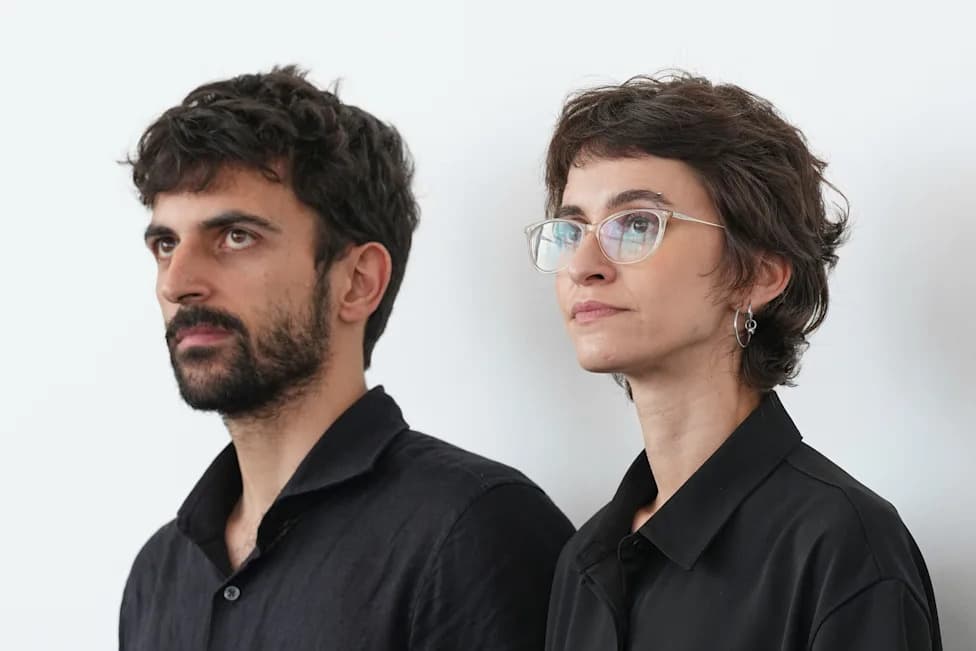
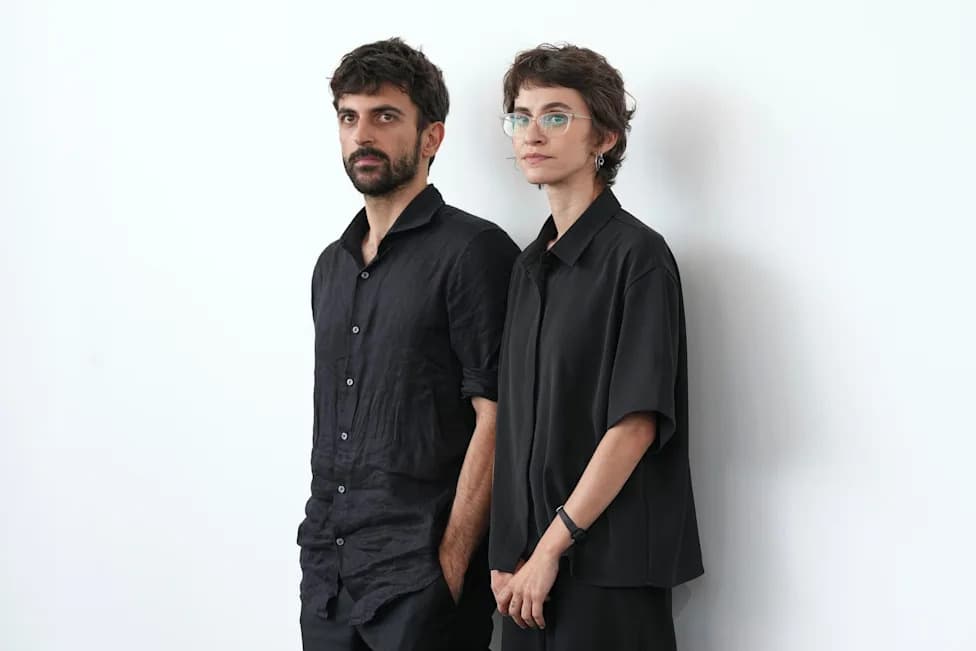
Directors Yuval Abraham, left, and Rachel Szor pose for photographers at the photo call for the film 'Naza' during the 83rd edition of the Venice Film Festival in Venice, Italy, on Thursday, Sept. 10, 2026. (Photo by Scott A Garfitt/Invision/AP)(AP Photo/Scott A Garfitt)
The Israeli documentary NAZA — directed by Yuval Abraham and Rachel Szor — opened in U.S. theaters after a record 25-minute standing ovation at the Venice Film Festival, reigniting intense discussion about Israel's conduct in Gaza and the role of American military aid.
The film presents on-the-record testimony from anonymous current and former Israeli military personnel who say sophisticated targeting systems, including tools that use artificial intelligence, were used to identify suspected militants but also produced strikes the interviewees contend would cause large numbers of civilian casualties. The filmmakers say their reporting relied on more than 100 confidential sources, produced in collaboration with The Guardian's investigations desk and other outlets.
Official Response: The Israeli military has strongly denied the filmmakers' claims, calling them inaccurate and saying orders "explicitly, comprehensively and clearly distinguish" between militants and civilians. It acknowledged using AI technologies for intelligence analysis but emphasized that intelligence officers propose targets and operational commanders authorize strikes. The military has also warned it may seek out soldiers who spoke to the filmmakers.
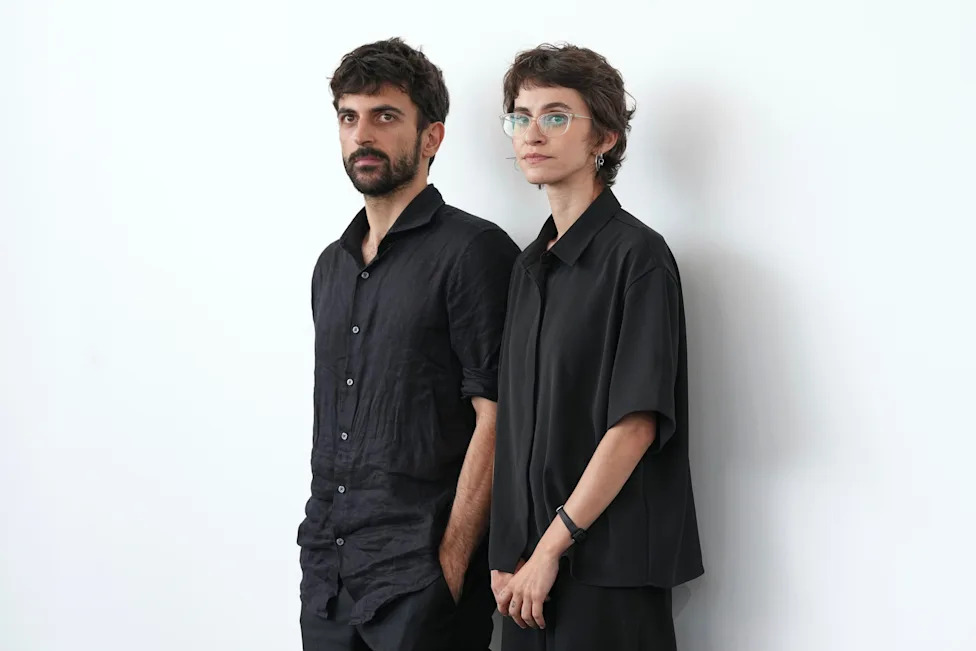
Directors Yuval Abraham, left, and Rachel Szor pose for photographers at the photo call for the film 'Naza' during the 83rd edition of the Venice Film Festival in Venice, Italy, on Thursday, Sept. 10, 2026. (Photo by Scott A Garfitt/Invision/AP)(AP Photo/Scott A Garfitt)
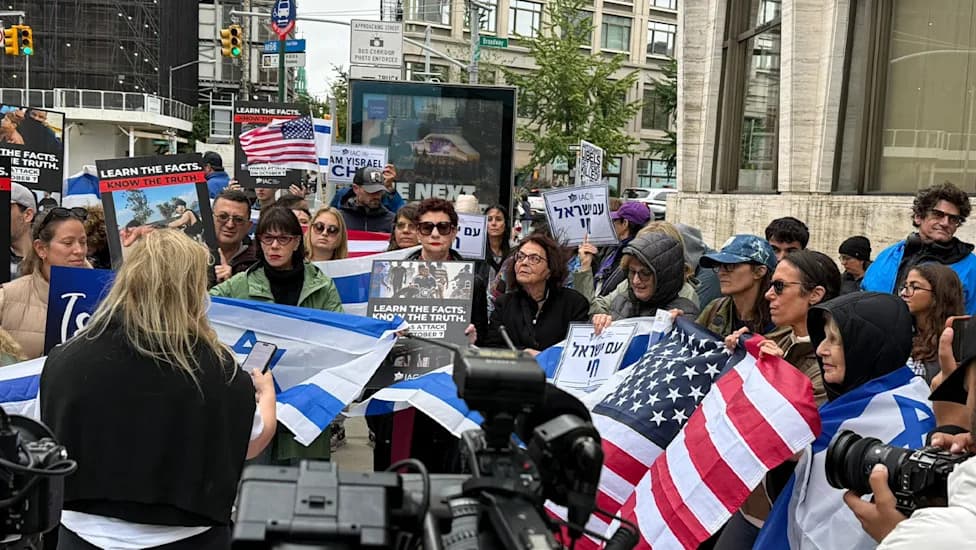
Political Fallout: Inside Israel the reaction has been fierce: Prime Minister Benjamin Netanyahu labeled the film antisemitic, a cabinet minister threatened to revoke the filmmakers' citizenship, and the co-directors have said they fear returning home. At the New York Film Festival premiere, dozens of protesters gathered outside, displaying images from Hamas' Oct. 7, 2023 attack — an assault that killed roughly 1,200 people and led to 251 abductions, according to Israeli tallies.
What the Film Shows
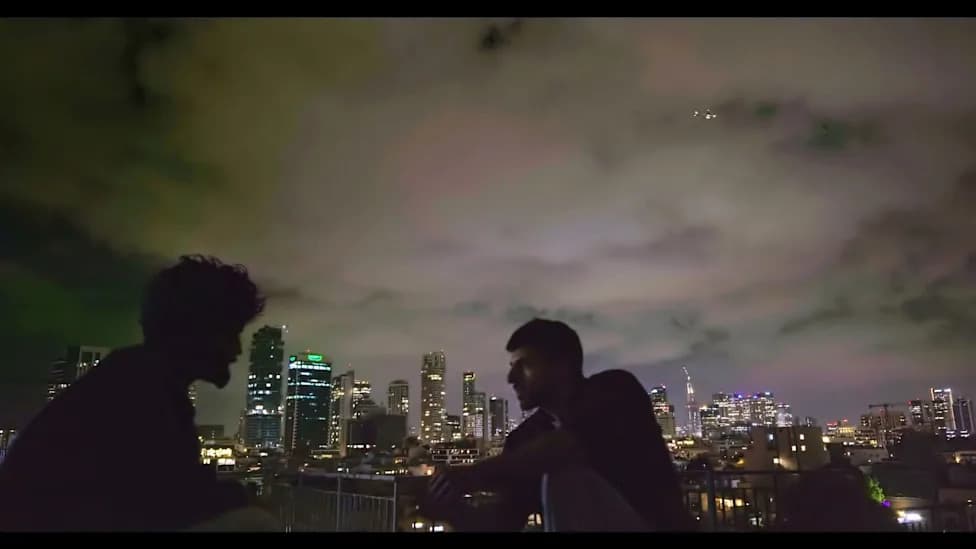
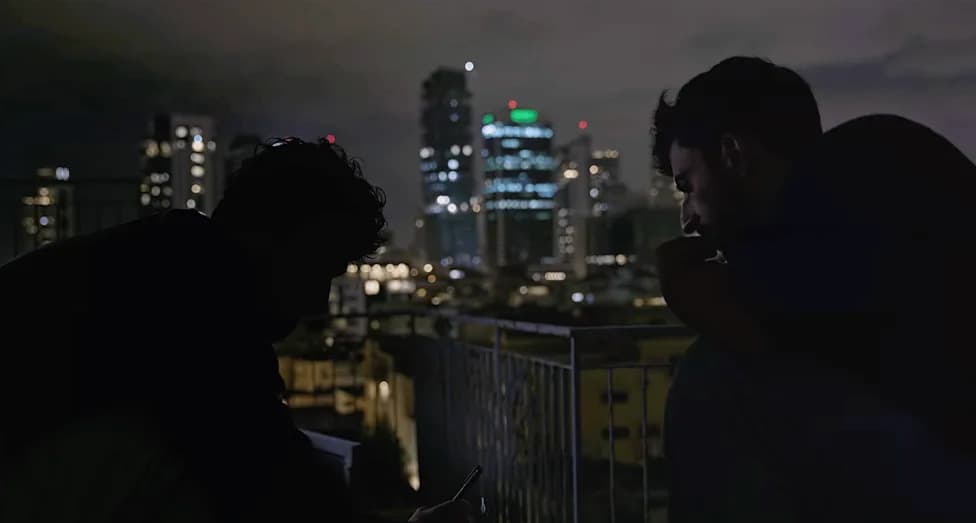
Stylistically austere, NAZA avoids archive airstrike footage and on-camera punditry. Instead, it records nighttime rooftop interviews in Tel Aviv with subjects whose faces and voices are obscured; some draw diagrams to explain targeting systems. Testimonies include accounts of targeting people near food distribution points and likening remote operations to playing a video game. The film asserts that AI tools were used to process Gaza surveillance, flag suspected Hamas connections, and recommend targets — creating large databases and occasional, consequential errors.
"We wanted it to be a simple film," Szor said. "There is something very scary about someone drawing systems that are causing mass killing."
The filmmakers say their claims were carefully vetted. Much of the underlying reporting previously appeared in +972 Magazine, Hebrew outlet Local Call and The Guardian, which helped produce the film.
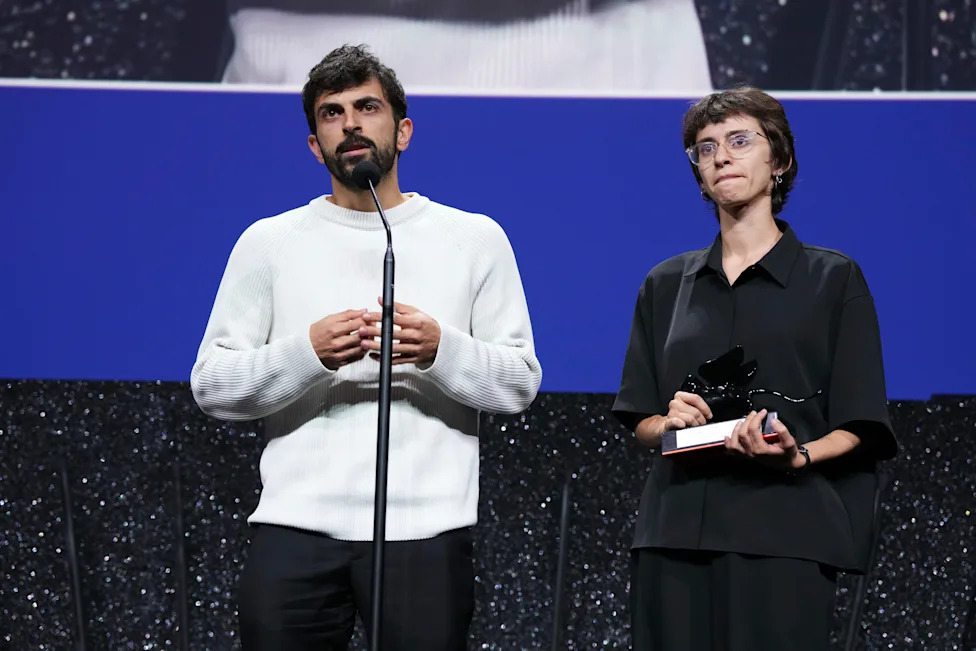
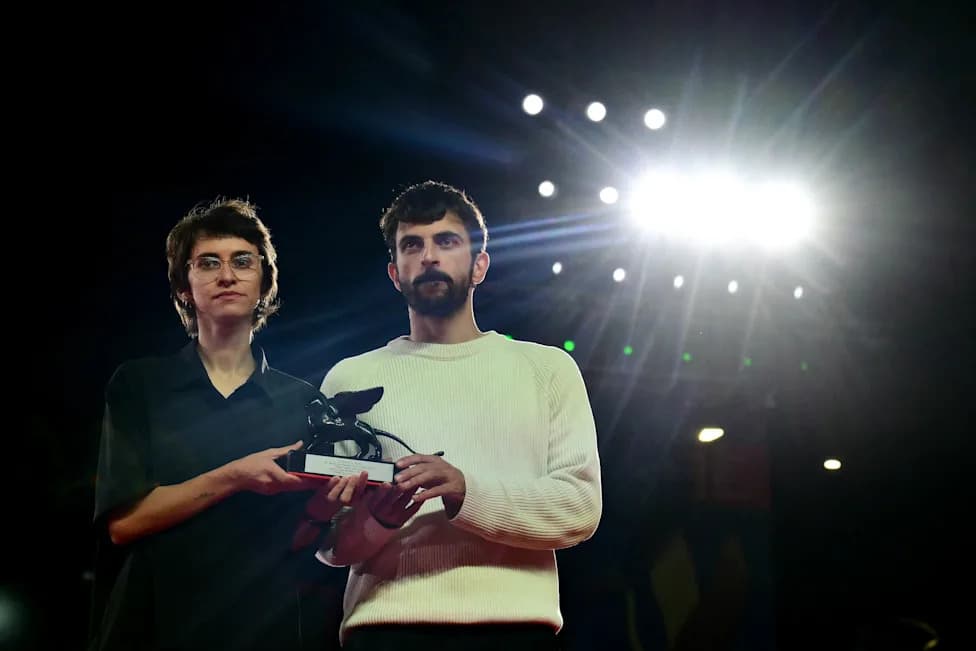
Yuval Abraham, left, and Rachel Szor accept the special jury prize for the film 'Naza' during the closing ceremony of the 83rd edition of the Venice Film Festival in Venice, Italy, on Saturday, Sept. 12, 2026. (Photo by Scott A Garfitt/Invision/AP)(AP Photo/Scott A Garfitt)
Humanitarian Context
Human rights organizations and some experts have accused Israel of actions amounting to genocide, citing the scale of civilian deaths, wide destruction and restrictions on aid. Israel strongly rejects those allegations, saying it has tried to limit civilian harm while responding to Hamas' Oct. 7 attacks and dismantling militant networks in densely populated areas.
Gaza's Health Ministry, run by Hamas, reports more than 74,000 Palestinian deaths since the offensive began. The ministry's figures do not separate civilians and combatants but note women and children account for about half of the reported dead; U.N. agencies and independent experts generally treat the ministry's records as an important data source with caveats.
Release And Reaction
NAZA opened in New York's IFC Center and expanded to additional U.S. cities on Oct. 9 with support from independent studio mk2. The Guardian plans to stream the film free on its website in late November. The filmmakers were self-distributing in the U.S., following the path of their earlier co-production, No Other Land, which earned an Oscar and generated strong debate.
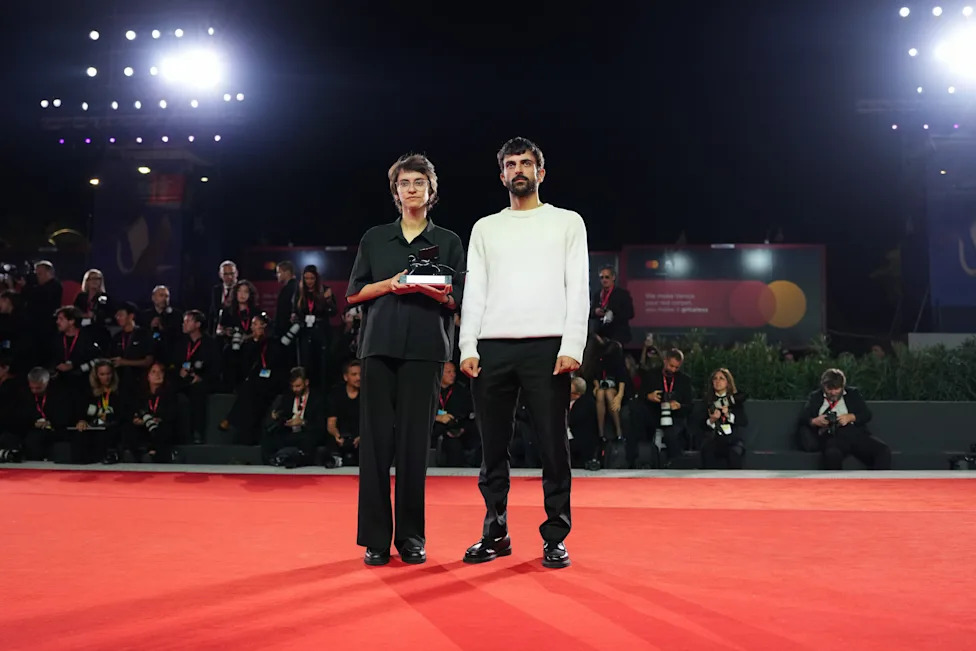
Directors Rachel Szor, left, and Yuval Abraham, winners of the special jury prize for the film 'Naza', pose for photographers at the awards photo call during the closing ceremony of the 83rd edition of the Venice Film Festival in Venice, Italy, on Saturday, Sept. 12, 2026. (Photo by Scott A Garfitt/Invision/AP)(AP Photo/Scott A Garfitt)
Press freedom and documentary organizations — including the Committee to Protect Journalists and the International Documentary Association — condemned threats against the filmmakers. More than 2,000 people, among them leading Israeli filmmakers, have signed a petition supporting Szor and Abraham.
The directors say they sought wide dissemination so audiences in Israel, the U.S. and beyond could evaluate the evidence and consider the U.S. government's role: a 2024 academic study estimated at least $21.7 billion in U.S. military assistance to Israel during the first two years of the war.
Yuval Abraham: "Much of what is being described was done with American taxpayer money. My country did it, but they would never have been able to do it without (American) diplomatic (and) military support."
Help us improve.